
Everything your new dog needs, in one place.
You found your dog. We'll handle the research. Vet-trusted gear we'd buy ourselves — reviewed, ranked, and linked straight to Amazon.
- Independently reviewed
- Backed by real Amazon ratings
- Every click supports rescues

4,200+ happy pups
★★★★★ 4.9 from new parents
Chosen by adopters & vets
Ranked by people who raise rescue dogs — never paid placement.
Proven by real owners
Thousands of verified Amazon reviews behind every pick.
Same price, no markup
You buy direct on Amazon; our small commission funds rescues.
Everything your rescue dog needs in the first weeks — chosen so you don't have to.
Bringing home a rescue is equal parts joy and overwhelm, and the last thing you need on day one is to compare forty crates. So we did it for you. These are the products we'd set up for our own newly adopted dogs, ordered by what you'll need first — a safe den and a way to contain a flight risk, then the gear for walks, meals, and sleep. We lean toward the things that matter most for a nervous, just-displaced adult dog, and we skip the rest. Where the genuinely safest option isn't sold on Amazon, we'll tell you that too.
New: the Gear Finder
Pick your breed, get the checklist that fits: a Husky needs an undercoat rake and a GPS collar; a Frenchie must never walk on a collar.
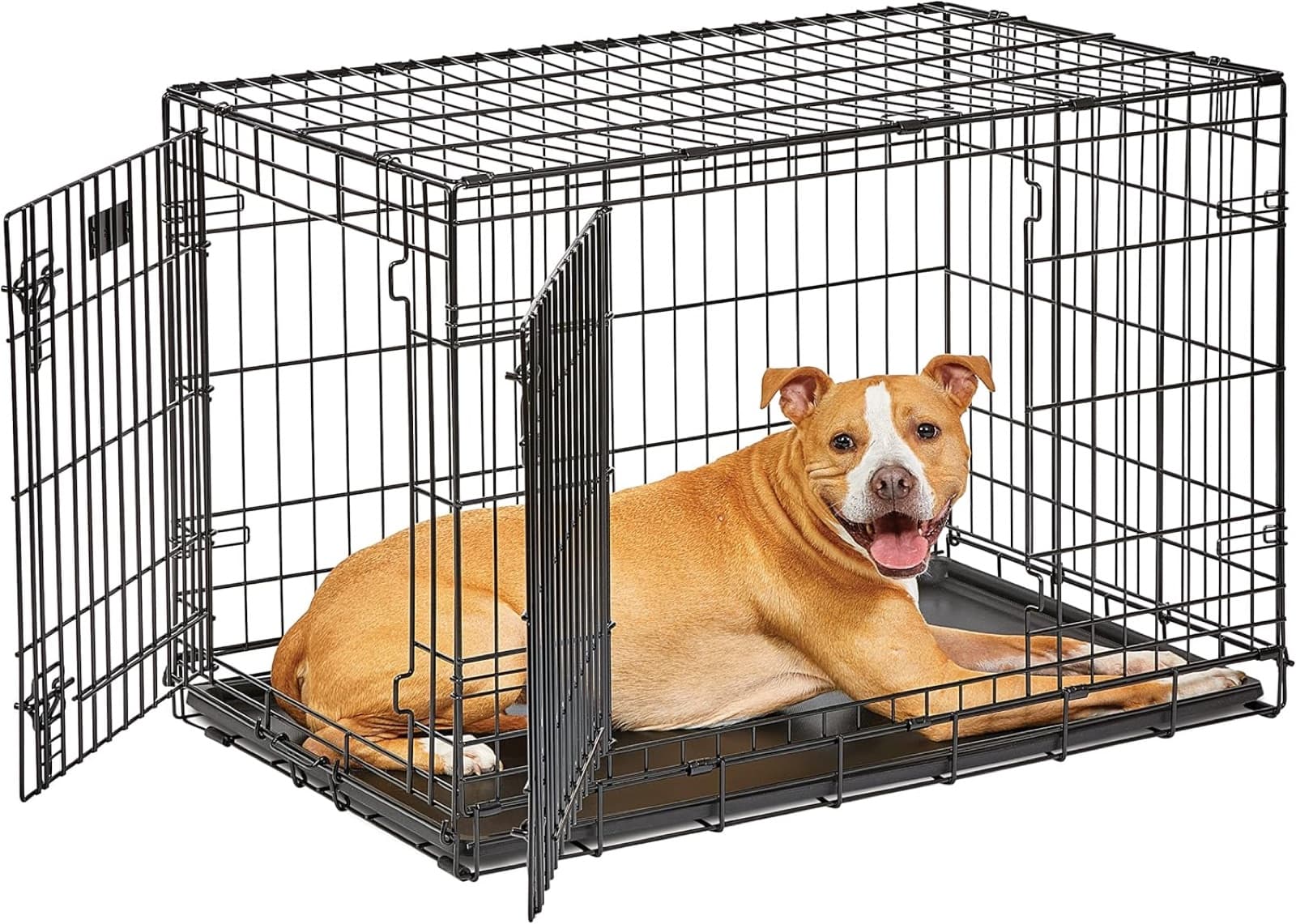
Editor's pick · The starter crate
MidWest Life Stages Crate
The crate we recommend first. MidWest's Life Stages folding metal crate includes a divider panel that grows with your puppy, a leak-proof pull-out tray, and floor-protecting feet — and it folds flat with no tools. Pick the size that fits your dog.
- Divider panel grows the crate as your puppy does
- Leak-proof, removable plastic pan wipes clean
- Folds flat for travel and storage — no tools needed
Choose your dog's size
41–70 lbs · 36" crate. Good for Beagle, Cocker Spaniel, Bulldog.
Our new-dog picks.
Sorted by what you set up first. Tap any product to buy it on Amazon.
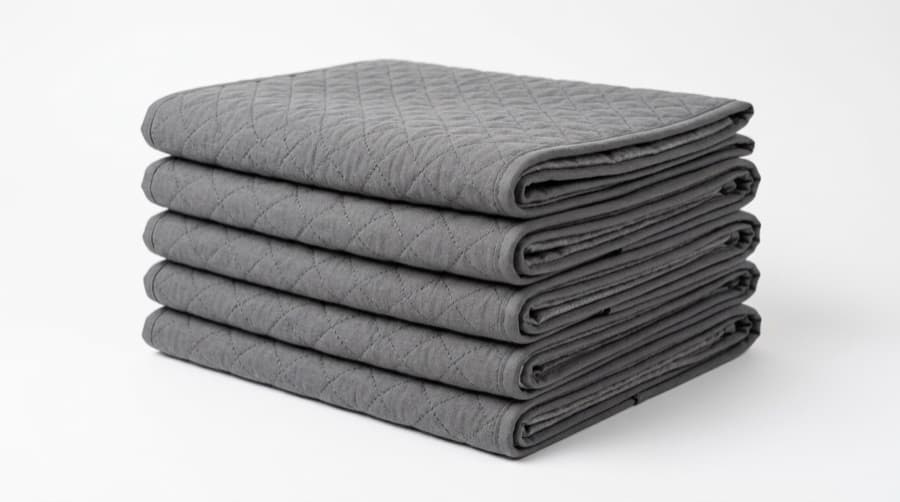
First Days / Settling In
Washable Puppy Training Pads
House-training backup that survives the learning curve
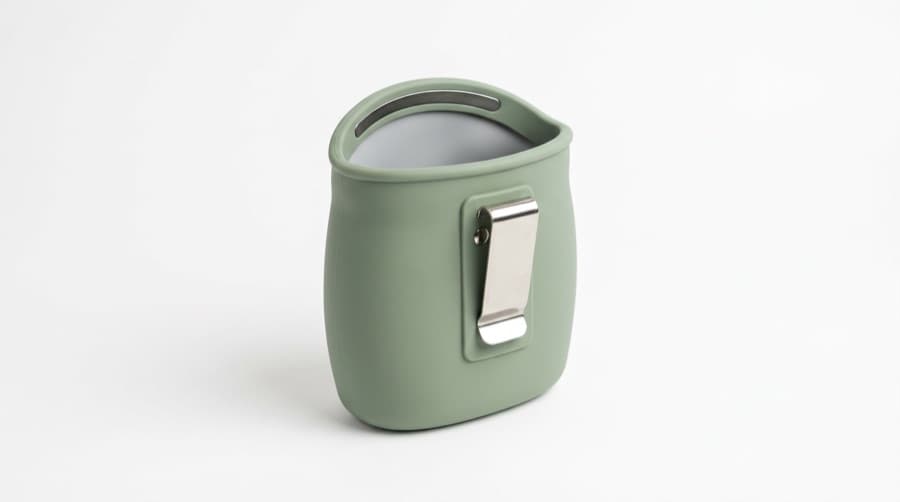
Play & Training
Silicone Treat Pouch
The difference between theory and timing

First Days / Settling In
Bitter Chew-Deterrent Spray
Referee for the furniture-vs-puppy months

Comfort & Sleep
Undercoat Rake
The only answer to a double coat blowing out
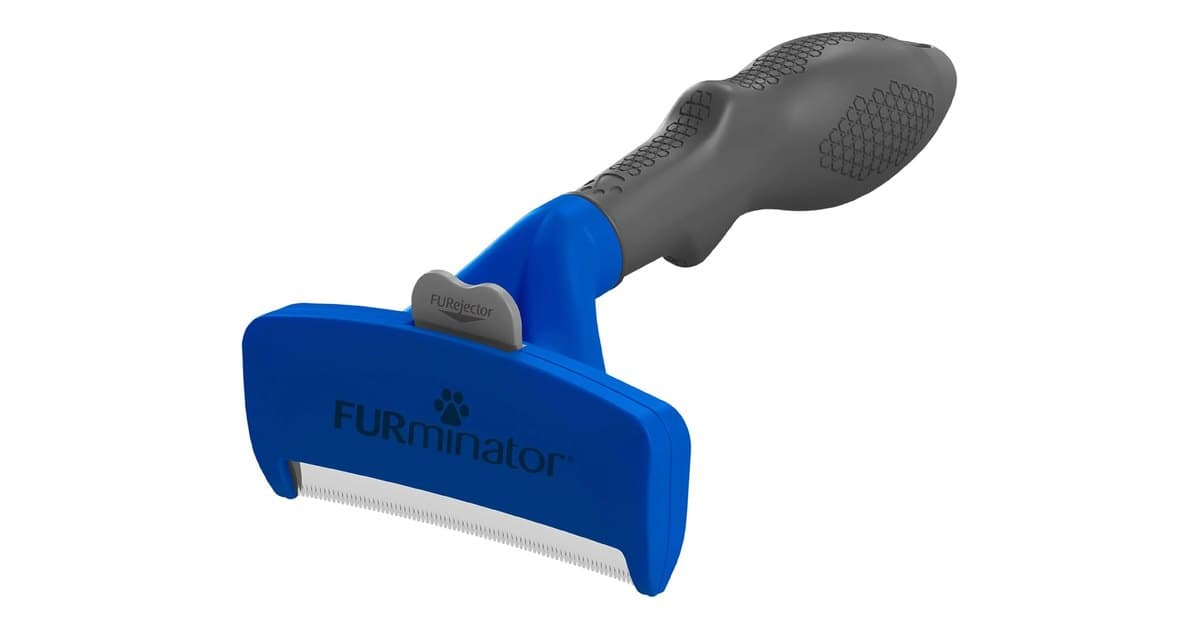
First Days / Settling In
deShedding Tool
For the breeds that shed enough to build a second dog

First Days / Settling In
Long-Pin Slicker Brush
The one tool a doodle coat actually needs
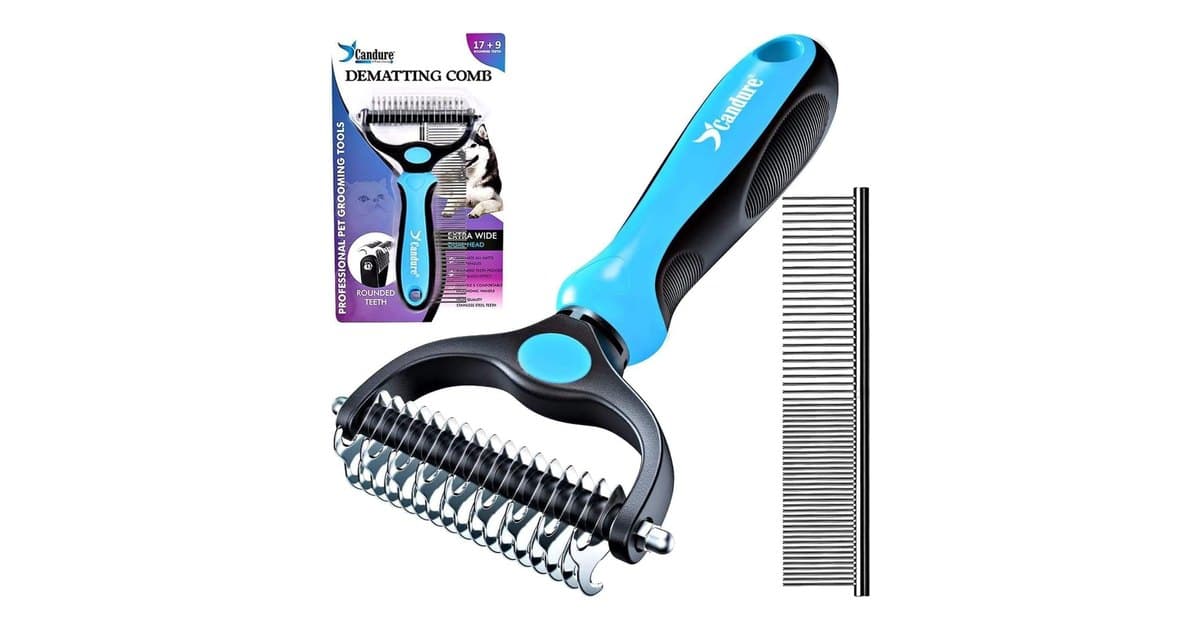
First Days / Settling In
Dematting Comb
For the mats a brush can no longer get through

First Days / Settling In
Rubber Curry Brush
Short coats need rubber, not wire

First Days / Settling In
Detangling Spray
Never brush a long or curly coat dry
First Days / Settling In
Decompression Crate
A safe den for the first three days — sized to feel secure, not empty.
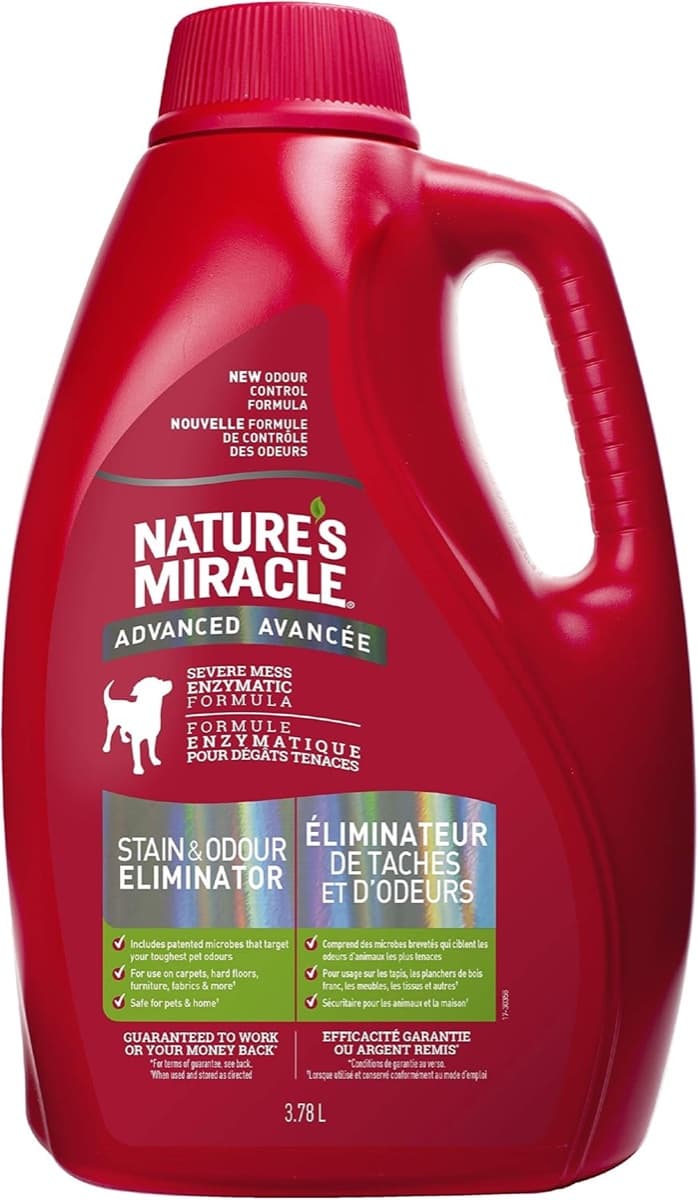
First Days / Settling In
Enzyme Stain & Odour Remover
The first few weeks come with accidents — get the smell gone, not masked.
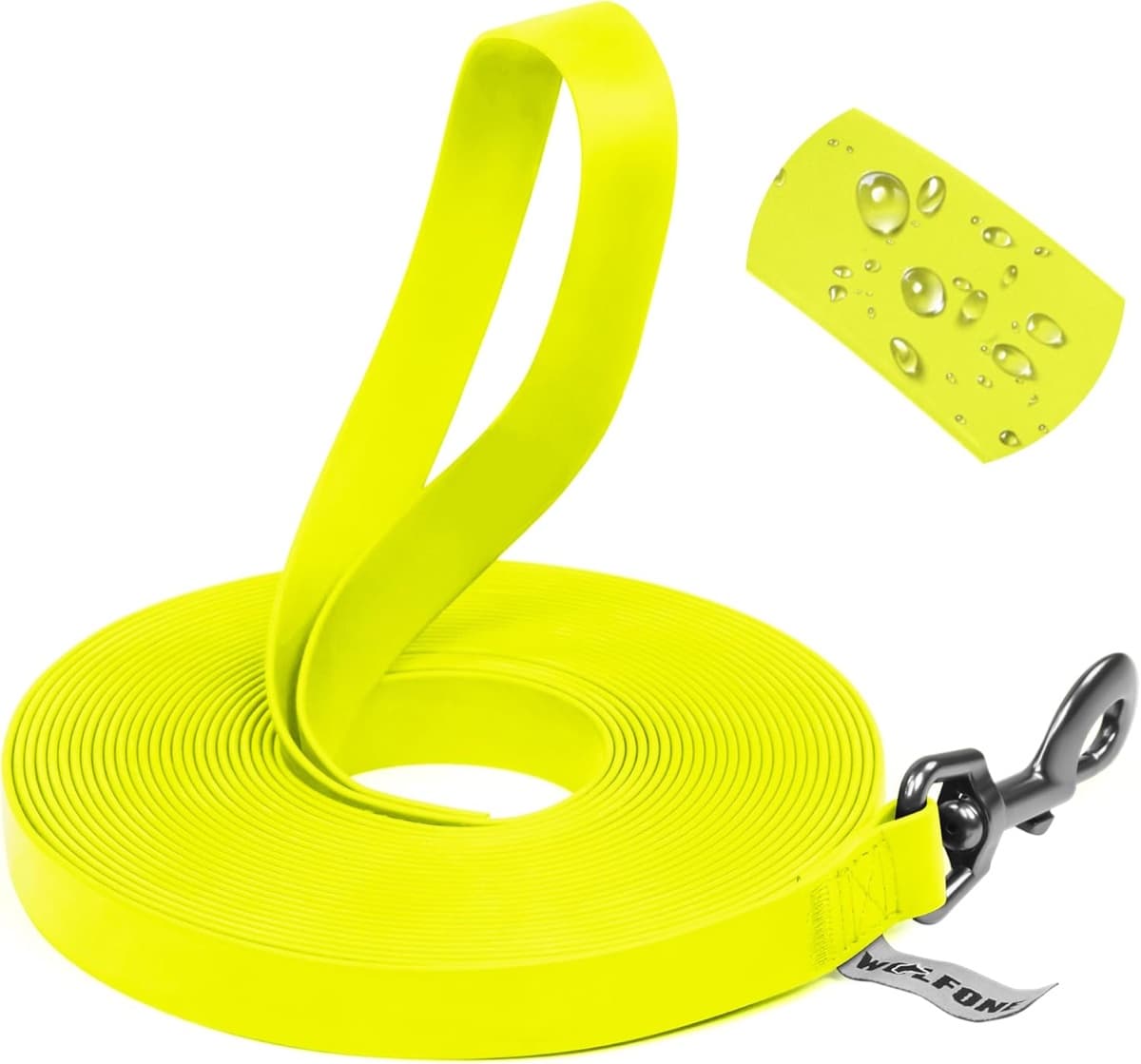
First Days / Settling In
Long Training Line (15–30 ft)
Recall practice and breathing room before you fully trust each other.
Questions new-dog parents ask.
Straight answers before you spend a dollar.
What do you actually need before bringing a rescue dog home?
The essentials cluster around three things: a safe space (a right-sized crate plus a quiet, covered spot), containment for a flight risk (a gate and a long training line), and the day-to-day basics for walking, feeding, and sleep. You don't need much on day one — a calm, simple setup helps a nervous dog settle far more than a pile of gear.
What size crate should I get for an adopted dog?
A crate works as a den, not a cage, so size it to your dog's adult weight: big enough to stand, turn around, and lie down, but no larger, since too much empty space feels exposed rather than secure. As a rough guide, small breeds suit a 24 to 30 inch crate, mid-size dogs a 36 to 42 inch, and large breeds like German Shepherds and Huskies a 48 inch. When you're between sizes, go up.
Are crash-tested dog car harnesses actually crash-tested?
Often not — the phrase appears on many listings with no published test data behind it. The only harnesses independently crash-certified by the Center for Pet Safety are Sleepypod's Clickit models, and they sell mainly through Sleepypod directly rather than on Amazon. If you want a certified harness, buy Sleepypod; if you're shopping Amazon, the Kurgo Tru-Fit Enhanced Strength is the strongest option, and any real harness beats leaving a dog unrestrained.
Why won't a standard crate cover fit my MidWest crate?
MidWest Life Stages crates are built to a non-standard size, so generic covers labelled for a 42-inch crate frequently don't fit. Buy MidWest's own cover or one explicitly listed for Life Stages dimensions to avoid having to return it.
Do calming diffusers like Adaptil really work?
They can help, but they aren't a switch. Adaptil releases a synthetic copy of the pheromone nursing mother dogs produce and is widely vet-recommended for helping dogs adjust to a new home, though the research is mixed and strongest for recently adopted and shelter dogs. Treat it as one layer alongside routine, patience, and a quiet space, and plug it in near the sleeping area a day before your dog arrives.
What is the 3-3-3 rule for a newly adopted dog?
It's a rough decompression timeline: about 3 days for a dog to begin feeling safe, 3 weeks to start settling into a routine, and 3 months to feel truly at home. It's a guide rather than a guarantee — some dogs move faster and many need longer, so let your dog set the pace.
Read our full 3-3-3 guide →Get the weekly picks roundup.
New-dog gear deals, fresh recommendations, and care tips — straight to your inbox. No spam, just the good stuff.
By subscribing you agree to receive emails from LocalPetFinder. Unsubscribe anytime.