
Bloodhound Gear Checklist
23 items, each with the reason it earns a place: 18 for every bloodhound, plus the puppy-stage and senior extras. Matched to the Bloodhound's coat, energy level, and published health profile — not a generic list.
Adopting first? Browse adoptable Bloodhounds across Canada.
First Days / Settling In
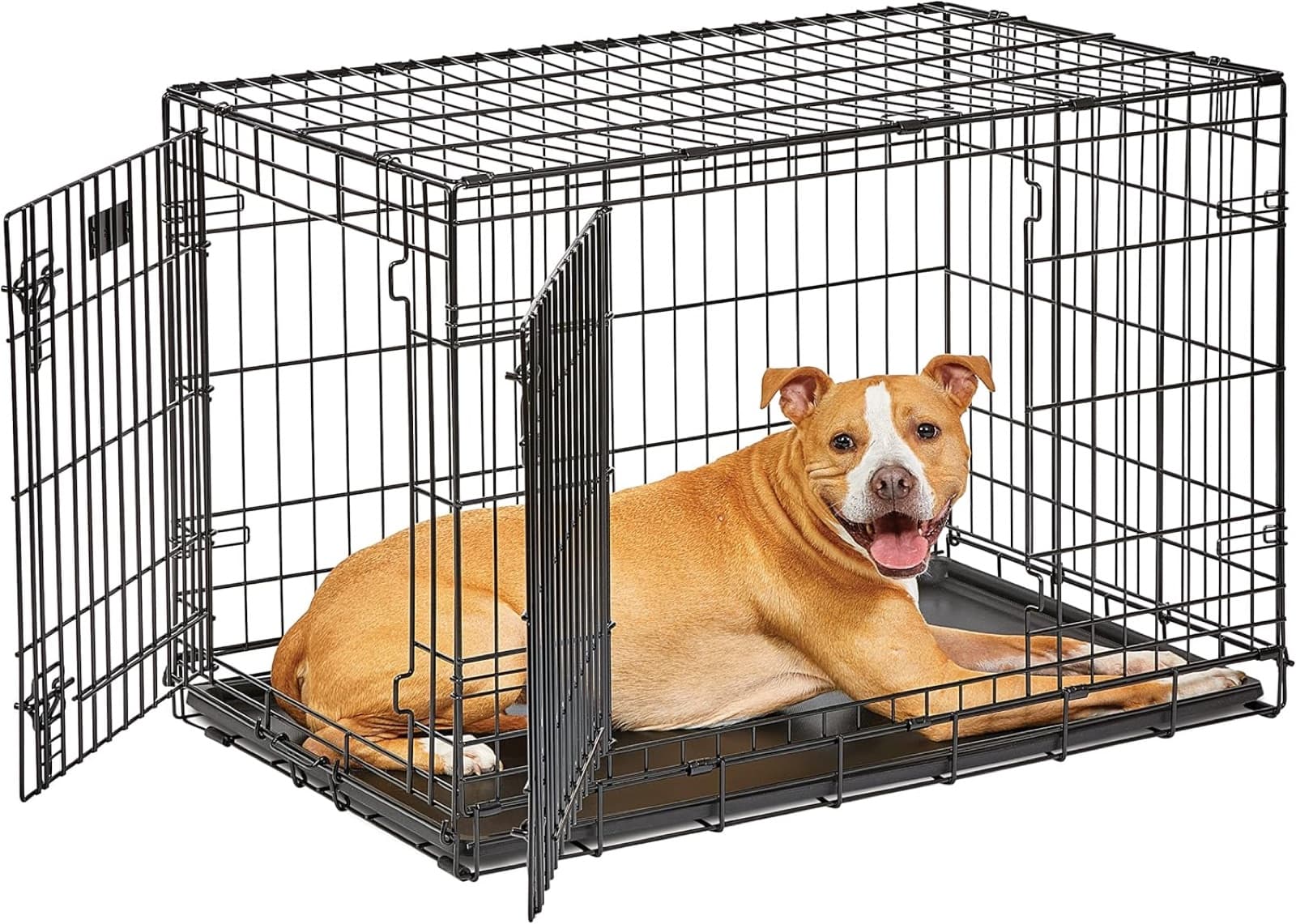
Decompression Crate
A den of their own is the fastest route through the 3-3-3 adjustment window. Size the crate to the adult size of a Bloodhound, not gotcha-day size.
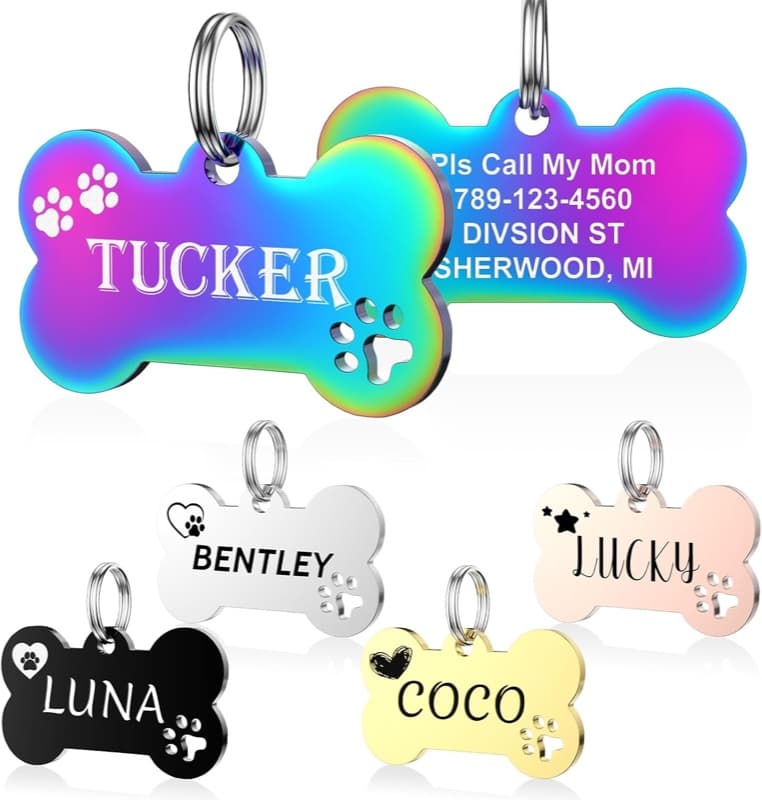
Engraved Pet ID Tag
A Bloodhound does not know the way home yet, and the first week is when most newly adopted dogs bolt. An engraved tag with your number goes on before the car ride home, not after.
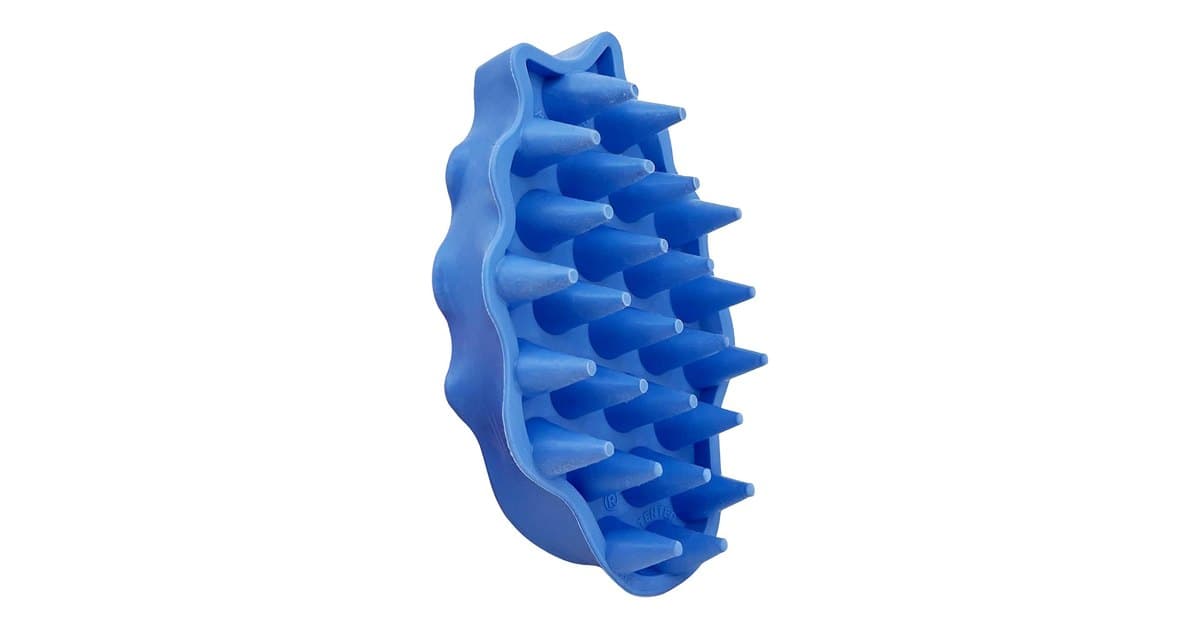
Rubber Curry Brush
A wire slicker on the Bloodhound's coat is just scratching them. Rubber nubs lift loose hair and bring up the skin oils, and most dogs lean into it — which makes grooming the first thing you two do together that they enjoy.
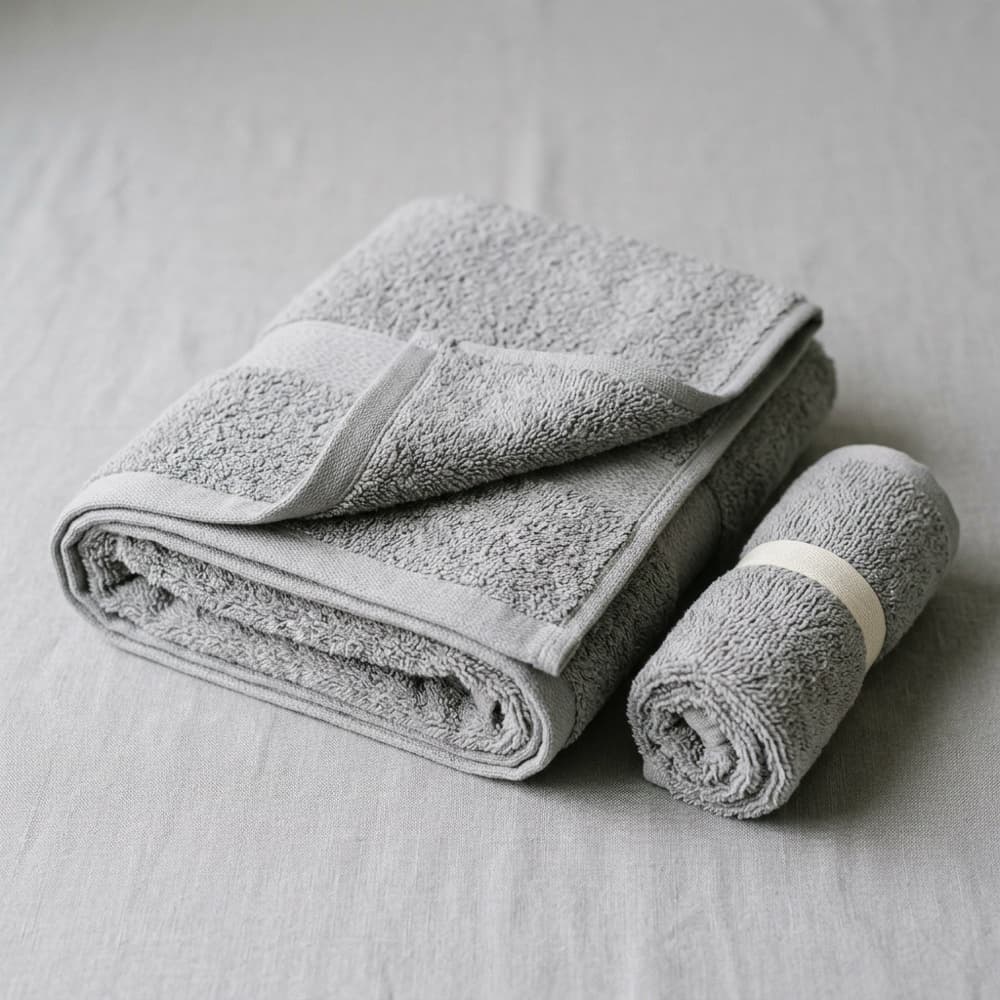
Drool & Slobber Towel
You will want dedicated drool towels. Plural. This is not negotiable with this breed.
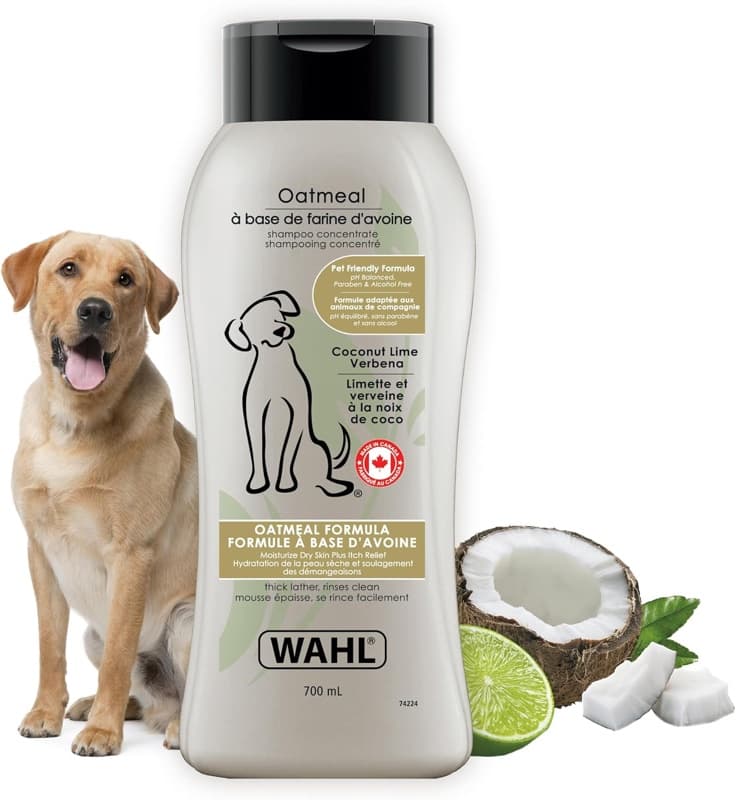
Oatmeal Dog Shampoo
Most rescue dogs arrive needing a bath, and the first one decides how the next ten go. Oatmeal shampoo is gentle enough for ordinary skin and rinses out fast; never human shampoo, the pH is wrong for a dog.
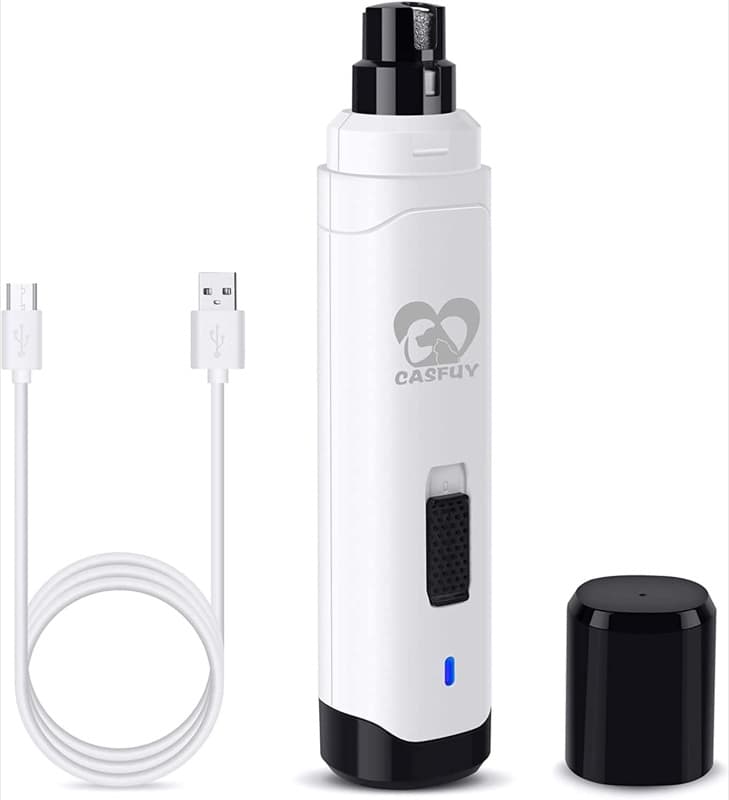
Dog Nail Grinder
Nails that have not been touched in months are the rule, not the exception, in rescue. A grinder takes them back a little at a time with no risk of hitting the quick, and two nails a day with a treat each makes it routine by week two.
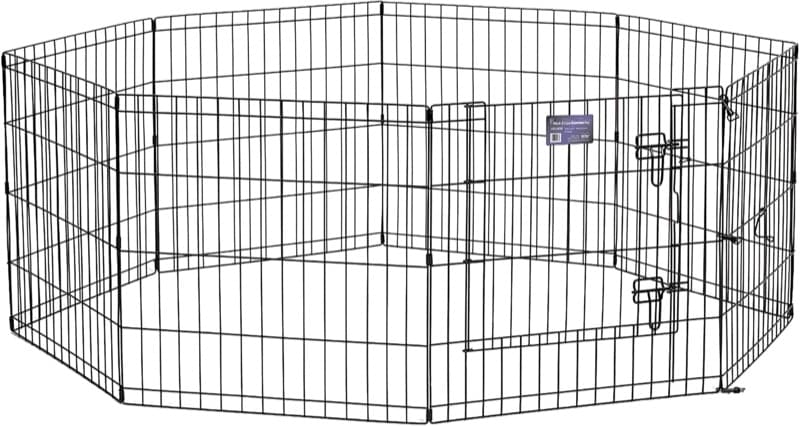
Metal Exercise Pen
Puppy stageA puppy needs a space bigger than the crate and smaller than the house: room to play, no reach to the cords. A pen with a door is that space, and it folds flat once the house-training is done.
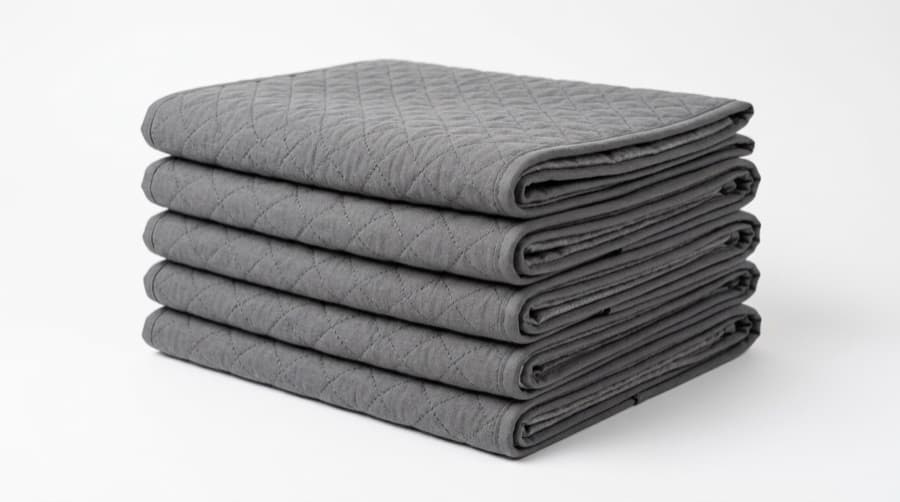
Washable Puppy Training Pads
Puppy stageHouse-training has a learning curve; washable pads survive it. Phase them out as the outdoor routine sticks.
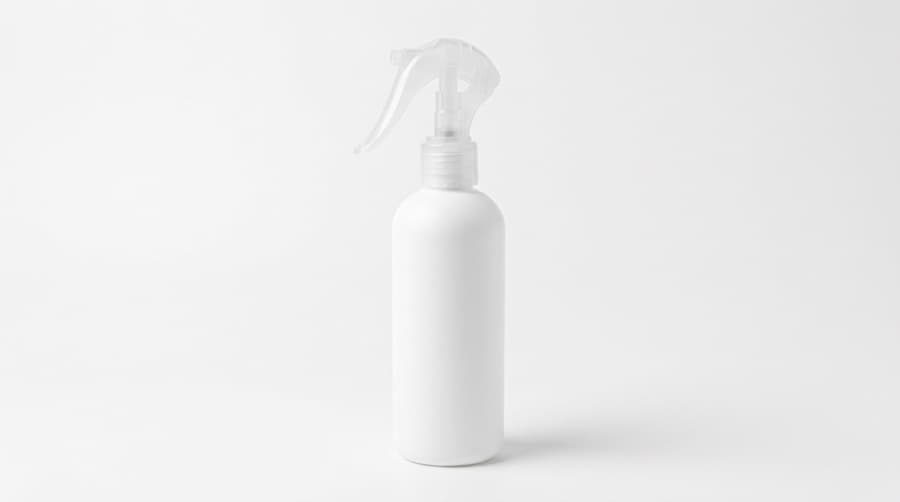
Bitter Chew-Deterrent Spray
Puppy stageTeething finds the furniture. Bitter spray protects the couch leg while the chew toy teaches the right answer.
Walking & Outdoor

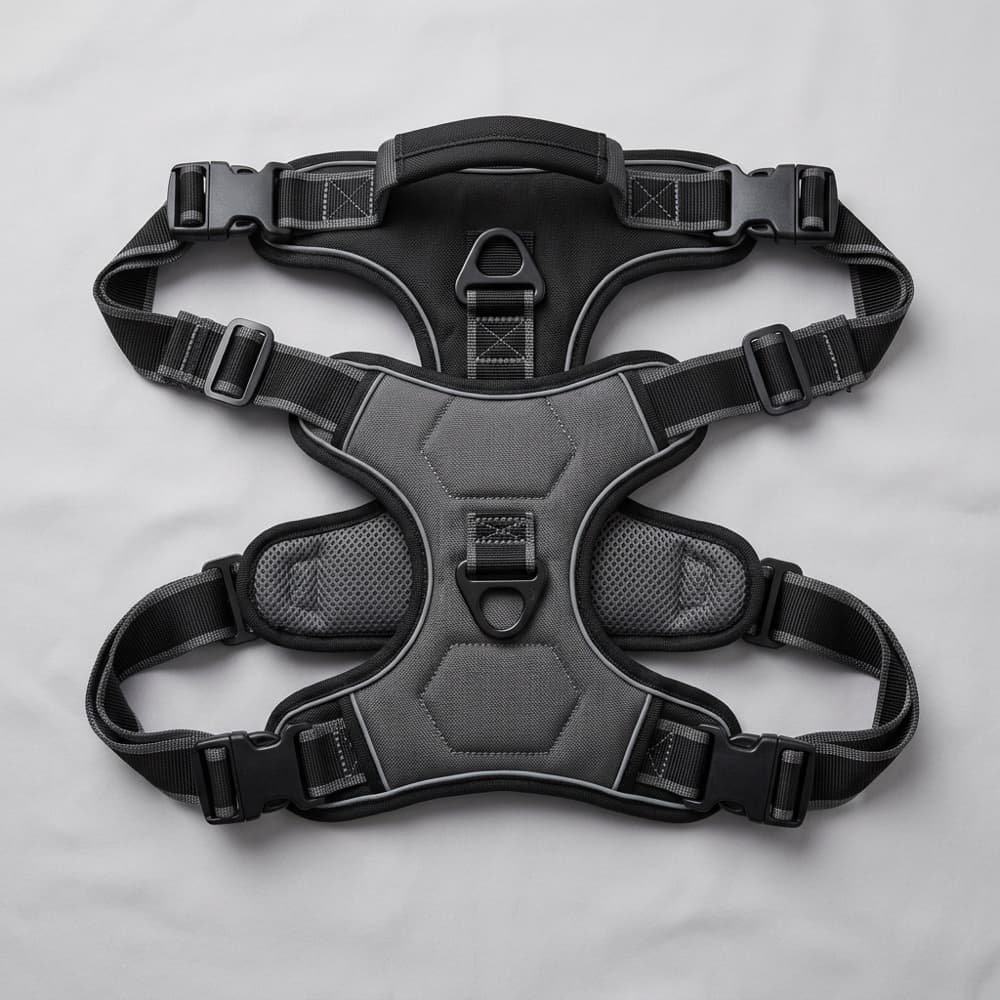
Heavy-Duty XXL Harness
A Bloodhound at full strength needs a harness with real hardware and a front clip for leverage, not a fashion strap.
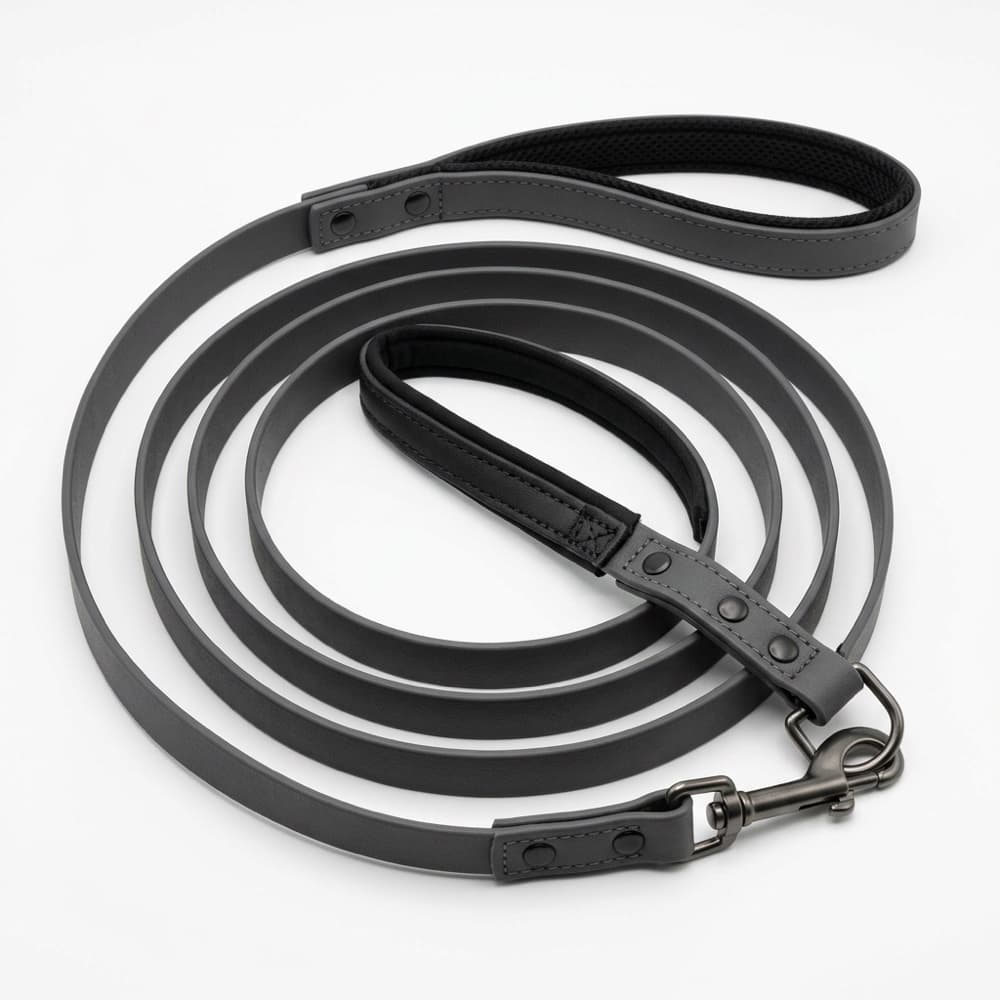
Traffic-Handle Walking Leash
A fixed-length leash gives feedback a retractable never can, and it matters most while you are still learning each other.

Paw Wax (Made in Canada)
Road salt cracks pads and ice packs between the toes. Thirty seconds of paw wax at the door before each winter walk prevents both, and it is the fallback for the many dogs who will not keep boots on.
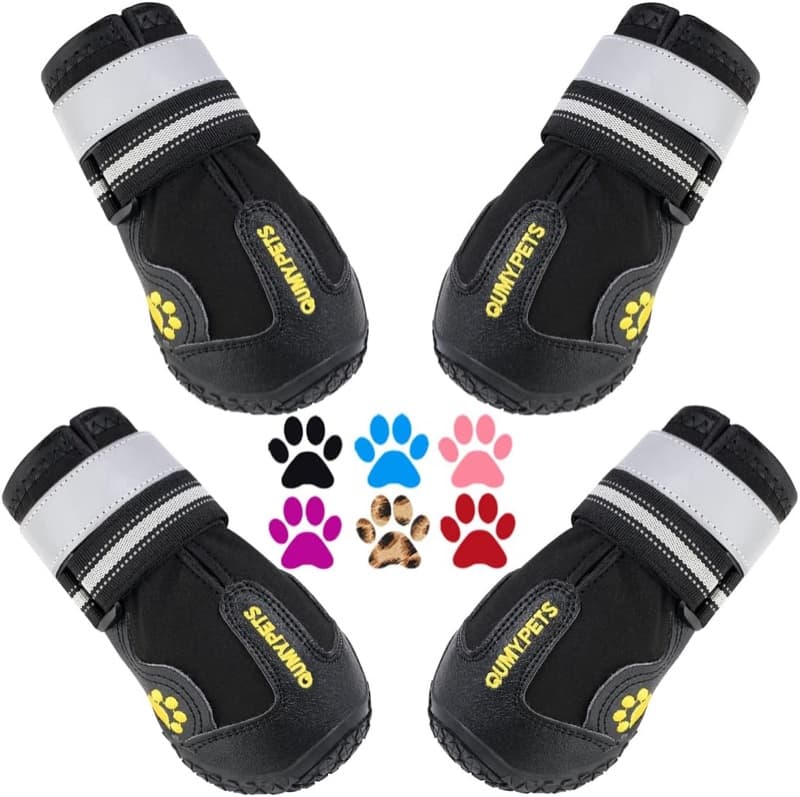
Winter Dog Boots
Past about -15 most dogs start lifting their feet within a block, and salt does the rest. Boots fix it if they fit; measure the Bloodhound's paw against the chart and expect a few days of high-stepping.
Feeding
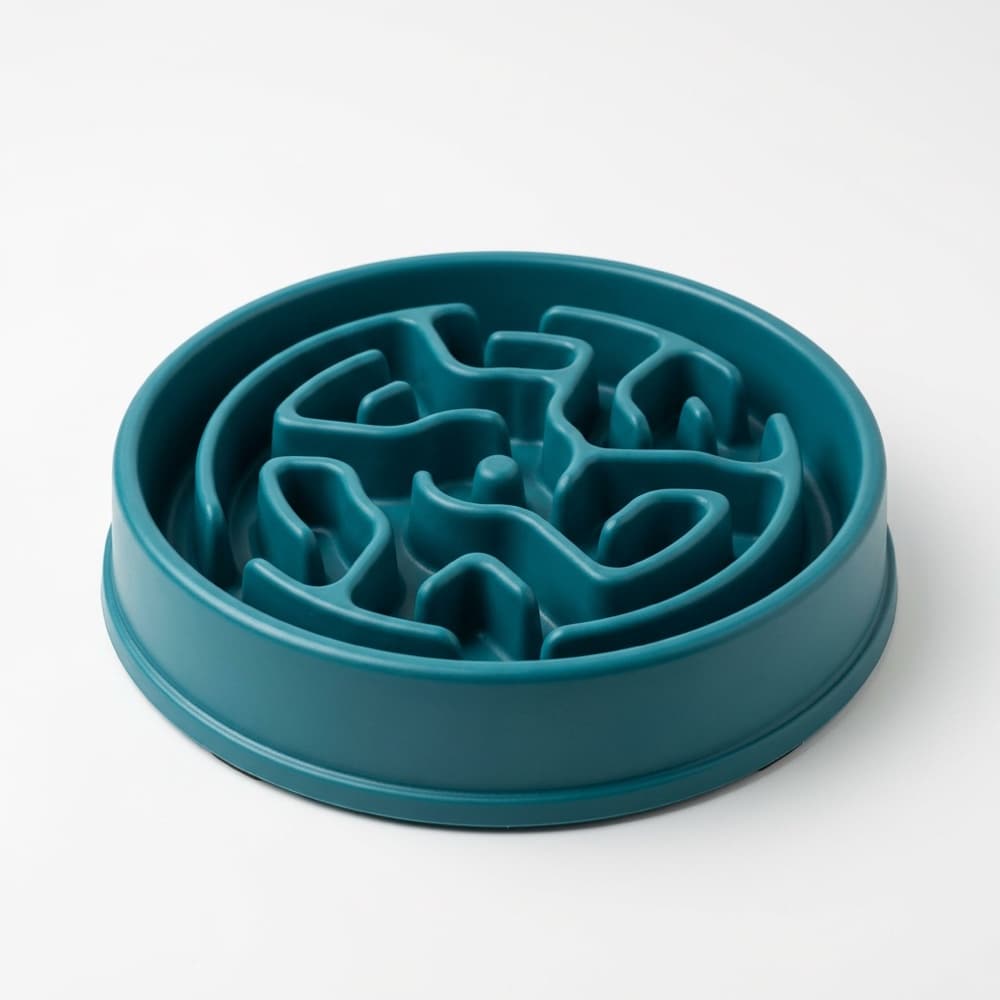
Slow-Feeder Bowl
Deep-chested breeds like the Bloodhound carry bloat risk; slowing the gulp is one of the few easy mitigations. Ask your vet about the rest.
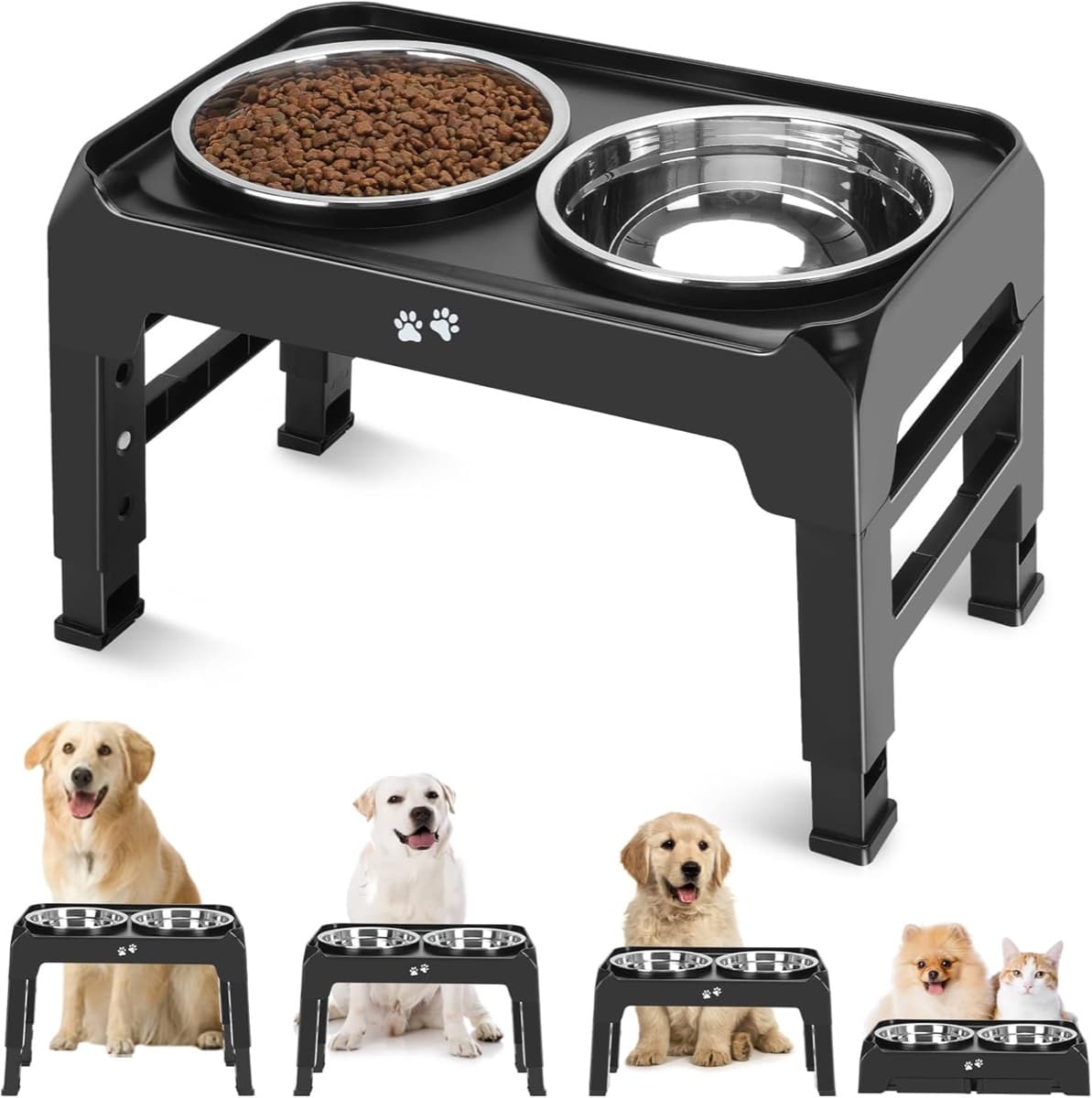
Elevated Dog Bowls
Stainless bowls, because plastic scratches into a bacteria habitat and chin acne is a real thing.
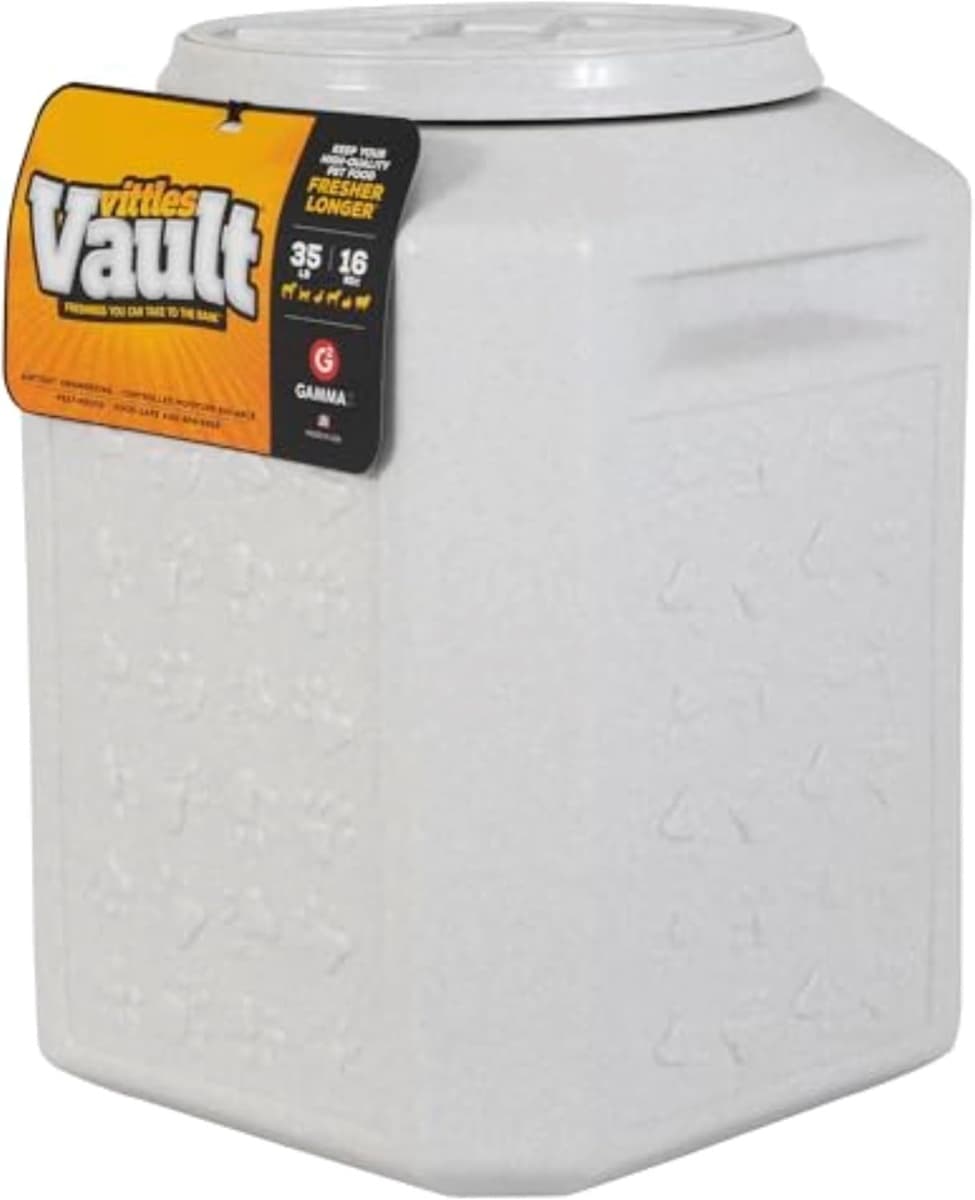
Airtight Food Storage Bin
An airtight bin keeps a month of kibble fresh and keeps a clever nose out of it.
Comfort & Sleep
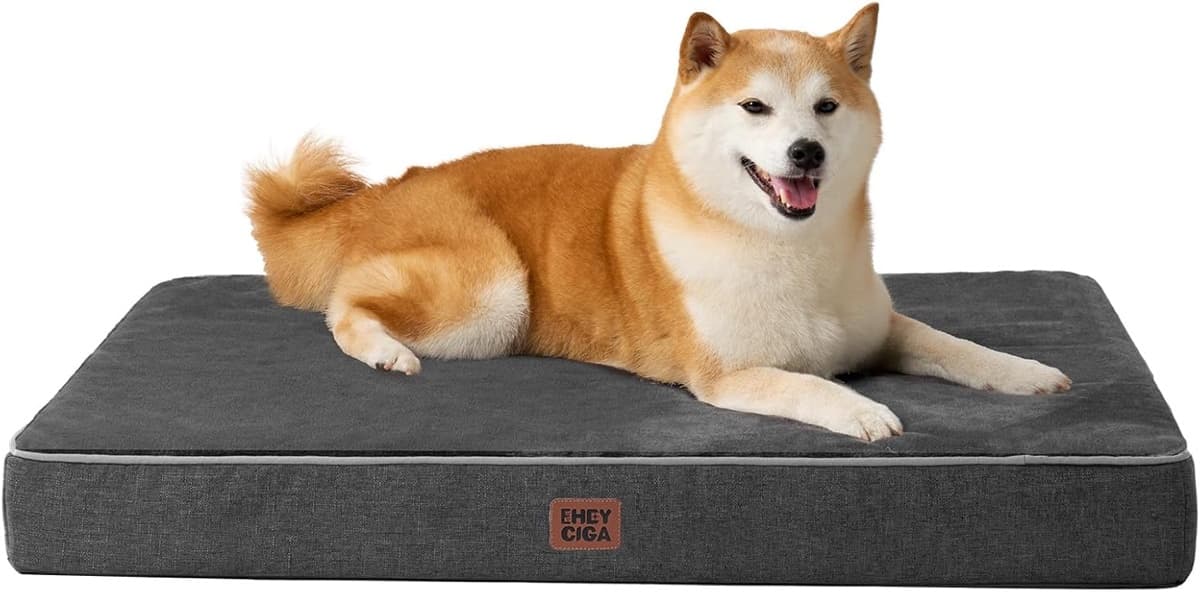
Orthopedic Dog Bed
The Bloodhound's joint-health profile makes a supportive memory-foam bed a prevention item from day one, not a senior luxury.
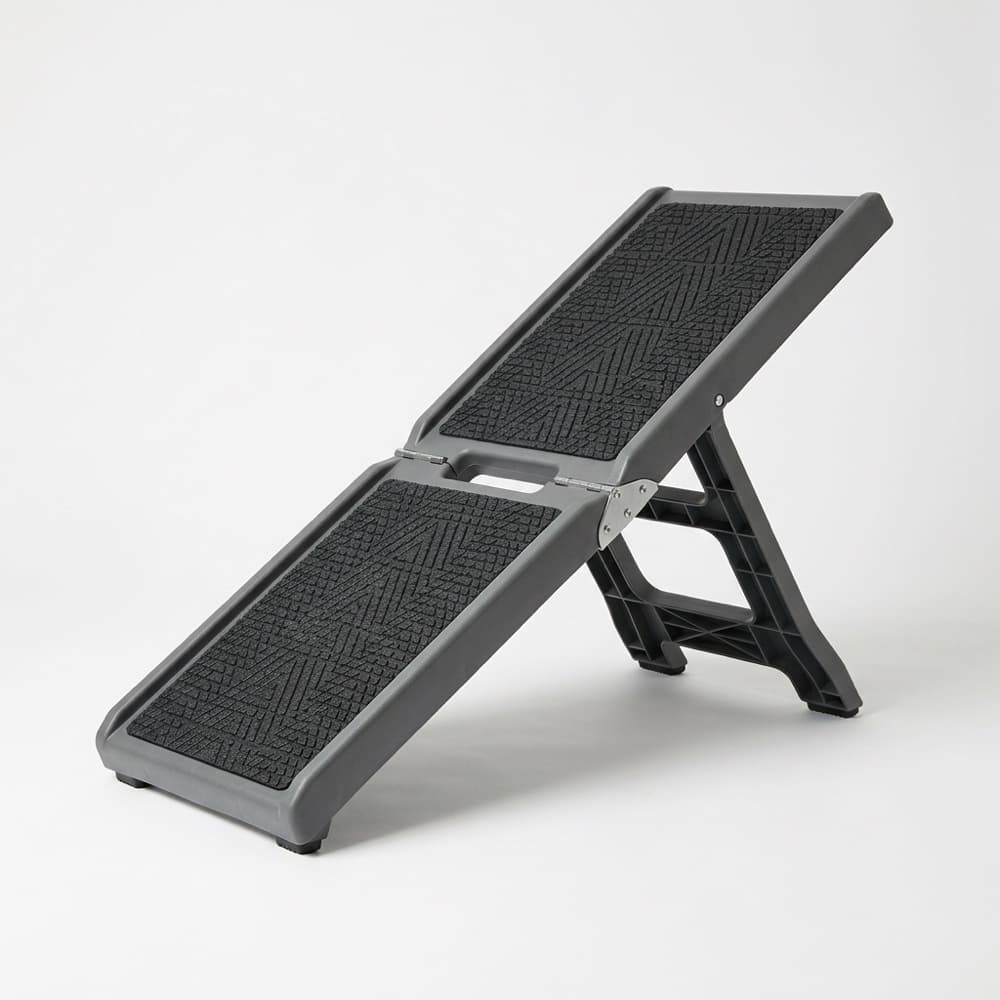
Folding Pet Ramp
With Bloodhounds' joint and back risks, a car/couch ramp prevents the ten-thousand small impacts that add up. Cheap insurance.
Play & Training
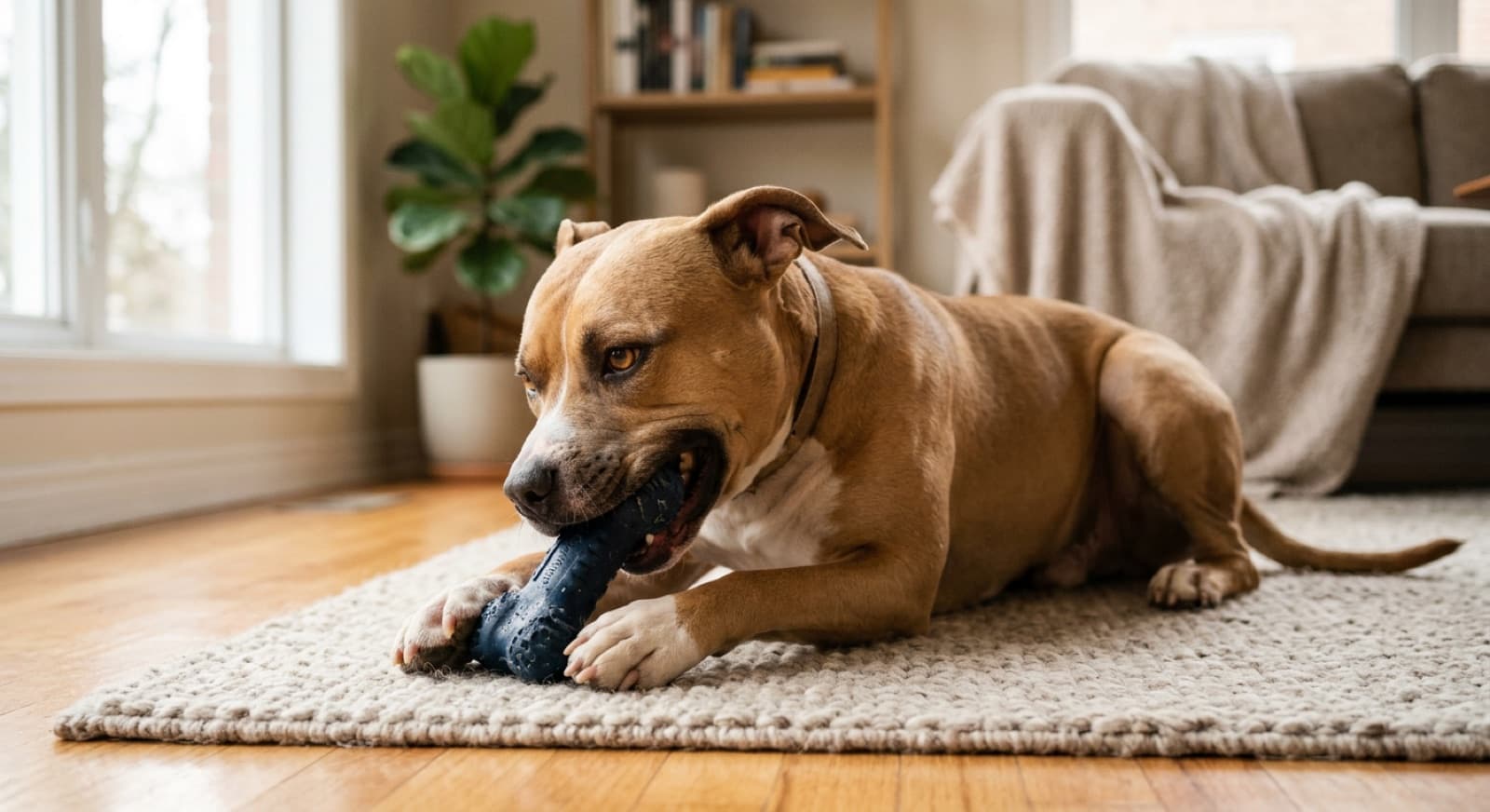
Indestructible Chew Toy
A Bloodhound goes through a standard toy in days — expensive, and the shredded pieces are a real choking risk. Heavy-duty rubber is the only thing that lasts, and a high-drive dog needs the outlet more than most.

Puppy Teething Chew
Puppy stageAdult-strength rubber is too hard for a mouth still losing baby teeth, and a puppy who finds it unpleasant goes back to the furniture. Softer teething rubber soothes the gums instead of fighting them.
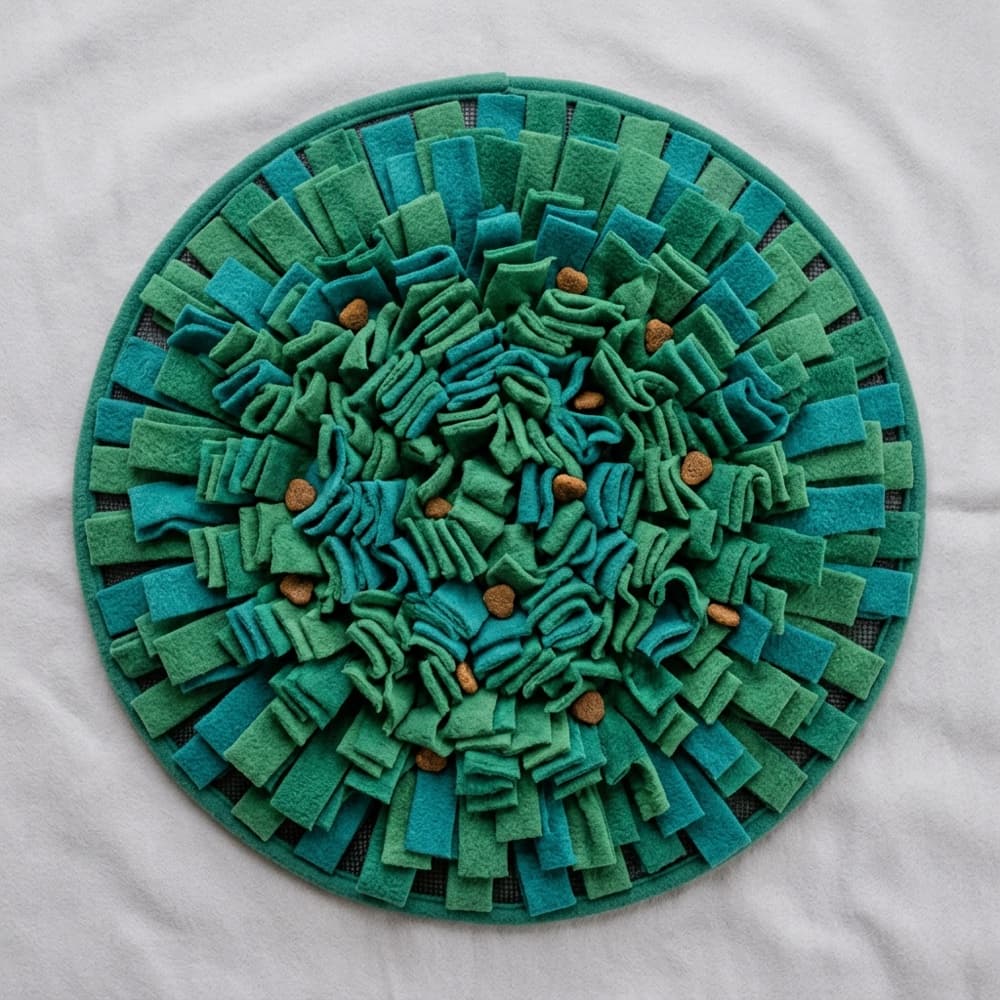
Snuffle Mat
Sniffing is self-soothing for a settling rescue. A snuffle mat makes dinner a calm fifteen-minute decompression exercise.
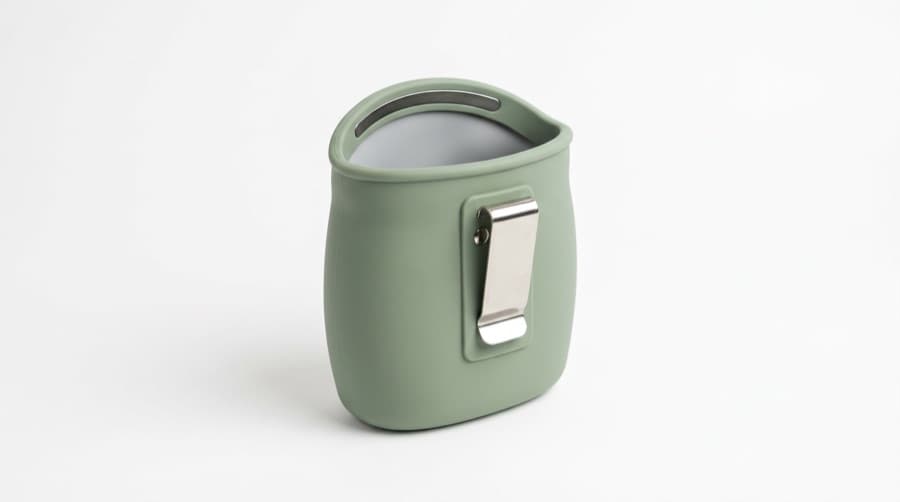
Silicone Treat Pouch
Puppy stagePuppy training is a thousand perfectly-timed rewards. A hip pouch puts the treat inside the one-second window.
Frequently Asked Questions
What do I need for a bloodhound puppy?
The essentials before gotcha day: a crate sized to adult weight, a secure well-fitted harness, fixed-length leash, stainless bowls, enzyme cleaner, and a legal chew outlet. This checklist adds the Bloodhound-specific items — 23 in total — with the reason each one earns its place.
How much does the gear for a bloodhound cost?
Budget a few hundred dollars for the full first-day setup, with the crate as the single biggest line. Prices vary by size; each item below links to a current Amazon Canada listing so you can total your own basket. Buying the essentials once, at the right size, is cheaper than replacing flimsy versions twice.
Do I need everything before the dog comes home?
No. The first-day core is the crate, harness and leash, bowls, enzyme cleaner, and a chew. Everything else can arrive in week one or two as you learn the dog. Rescues consistently advise against over-buying before you know the individual dog’s quirks.
Why does this checklist differ by breed?
Because the needs genuinely differ: a double coat needs an undercoat rake, a flat-faced breed must walk on a harness rather than a collar, an escape-artist breed justifies a GPS collar, and a breed with joint risks benefits from a ramp and supportive bed from day one. This kit is generated from the Bloodhound's coat, energy, and published health profile.
As an Amazon Associate, LocalPetFinder earns from qualifying purchases. Every recommendation is chosen editorially; swaps are never paid placements.