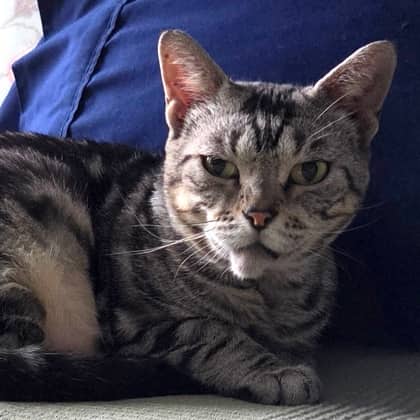
The honest disclaimer: no cat is 100% hypoallergenic. All cats produce some Fel d 1 — the protein in their saliva and skin oil that triggers most cat allergies. But certain breeds produce notably less of it, making them tolerable for many mild-to-moderate allergy sufferers. The cats listed here come from those breeds.
The “hypoallergenic” cat breeds are typically: Sphynx (no fur to trap dander), Russian Blue, Siberian (long-haired, and marketed for allergy households more than the evidence supports), Bengal, Balinese, Cornish Rex, Devon Rex, and Oriental Shorthair. People with mild allergies often live comfortably with these breeds, especially with weekly cleaning, HEPA air filters, and washing the cat's bedding regularly.
Before you adopt: spend an hour or two with the specific cat in person before committing. Allergic reactions vary by individual cat (not just breed), and a brief test confirms tolerance better than any breed reputation.
Hypoallergenic Cat FAQ
How many hypoallergenic cats are available for adoption in Calgary?▼
As of October 2026, 2 hypoallergenic cats are available for adoption in Calgary across 2 rescues on LocalPetFinder. Listings update regularly as pets are adopted and new ones arrive — browse them above and apply directly through the rescue.
Are any cats truly hypoallergenic?▼
No — every cat produces some Fel d 1 allergen. But Sphynx, Russian Blue, Bengal, Siamese, Siberian, Cornish/Devon Rex, and Balinese produce noticeably less than average breeds. Many mild-to-moderate allergy sufferers tolerate these breeds well.
Which cat breed is best for allergies?▼
It varies by person. Sphynx are most often recommended (no fur means no dander trap). Russian Blue is the most common “low Fel d 1” recommendation. Siberian is surprising — long-haired but very low allergen production. Bengal and Siamese are good shorthaired options.
Can I lower allergens from a regular cat?▼
Yes — partially. Daily brushing (by a non-allergic person), HEPA air filters, washing pet bedding weekly, and keeping the cat out of the bedroom helps significantly. There are also commercial cat foods (Purina LiveClear) that bind salivary Fel d 1 and reduce allergen levels by ~50%.
How can I test if I'm allergic to a specific cat?▼
Visit the cat at the rescue or foster home for at least an hour. Pet, hold, and let them rub against your face. Allergic reactions usually appear within 30 minutes — if you don't react, you're likely fine with this individual. Some rescues will arrange multi-visit trials before finalizing adoption.