Showing 91 dogs
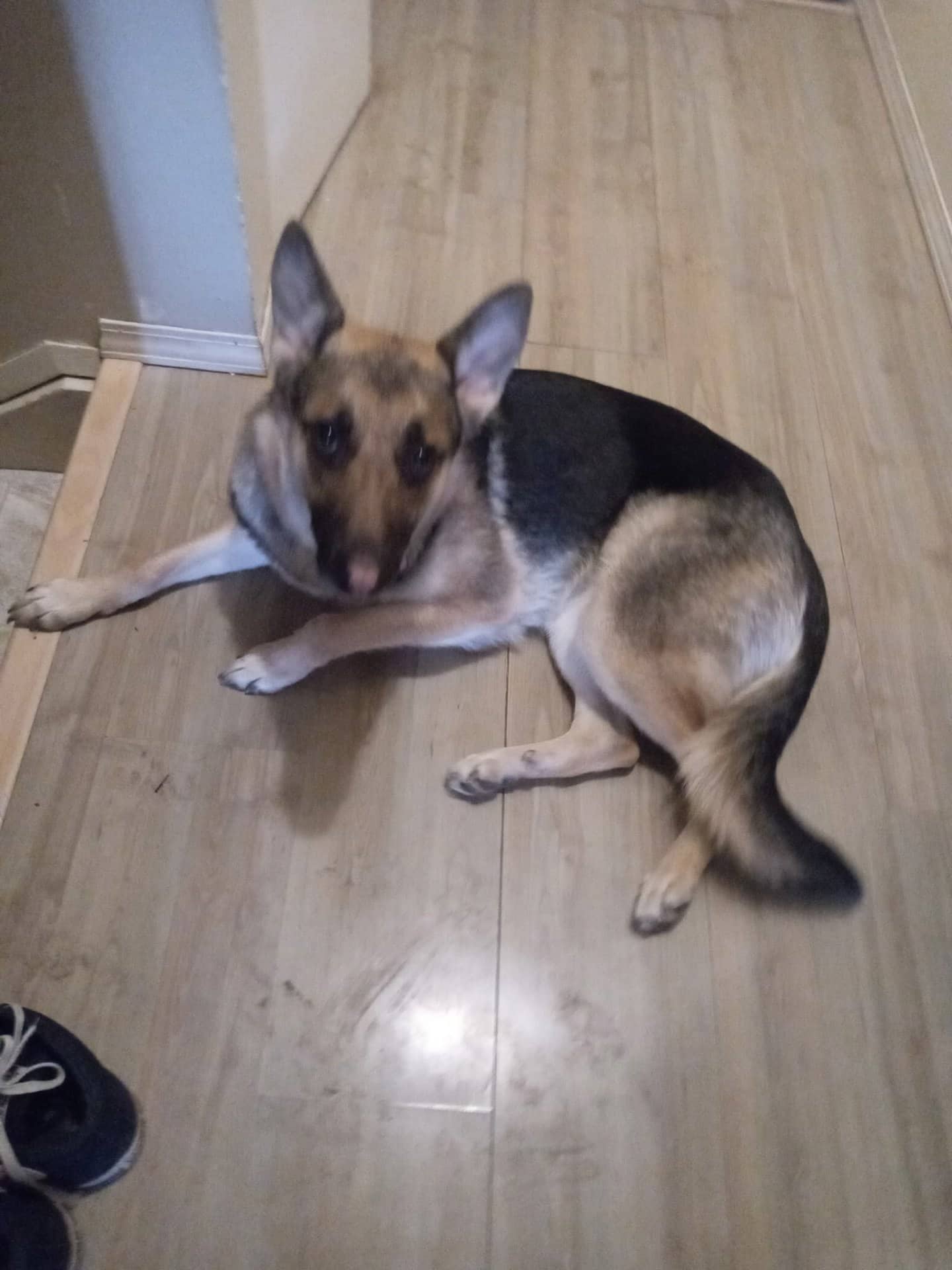

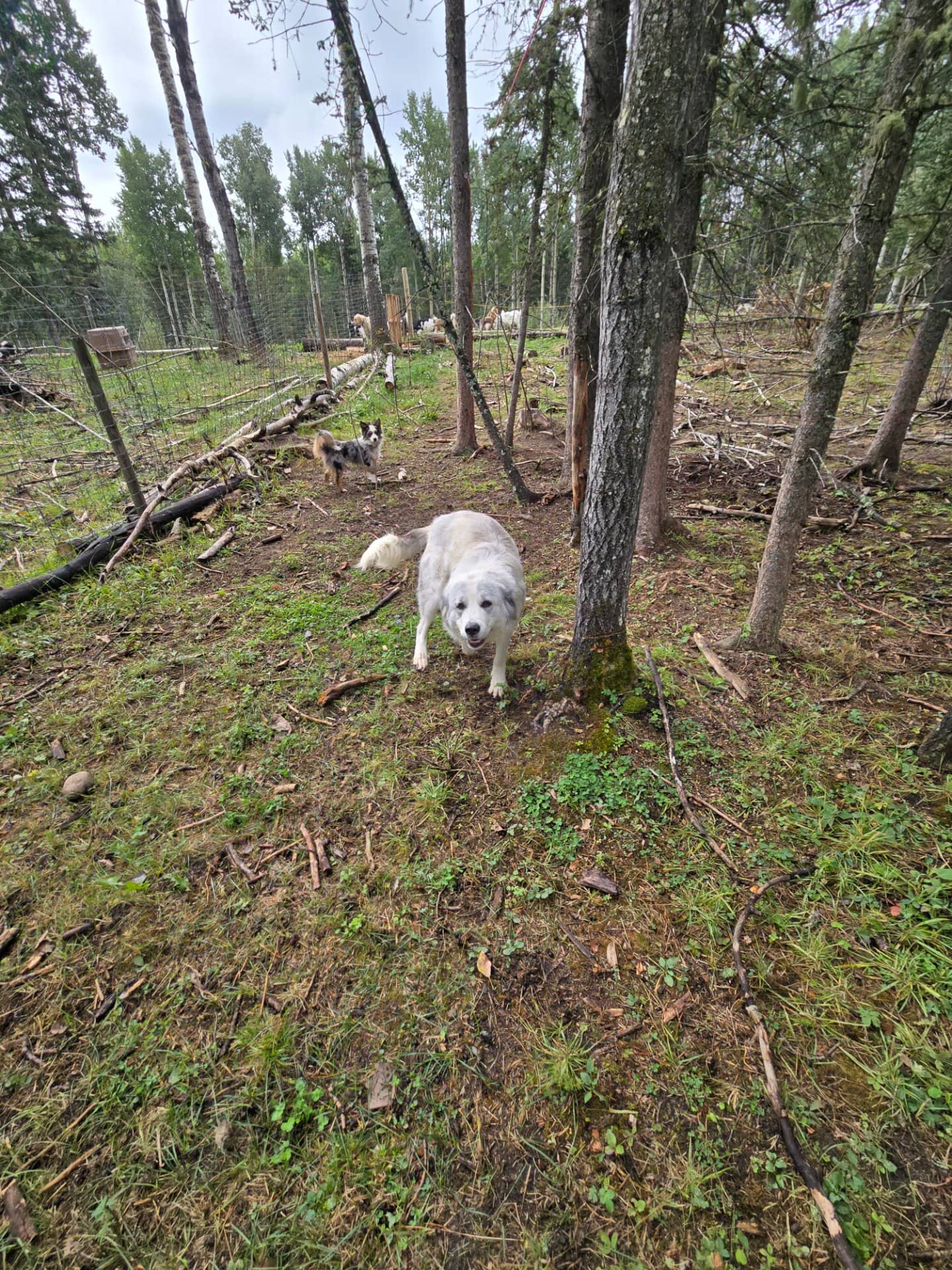
Lola
2 years • LGD
Owner Rehoming
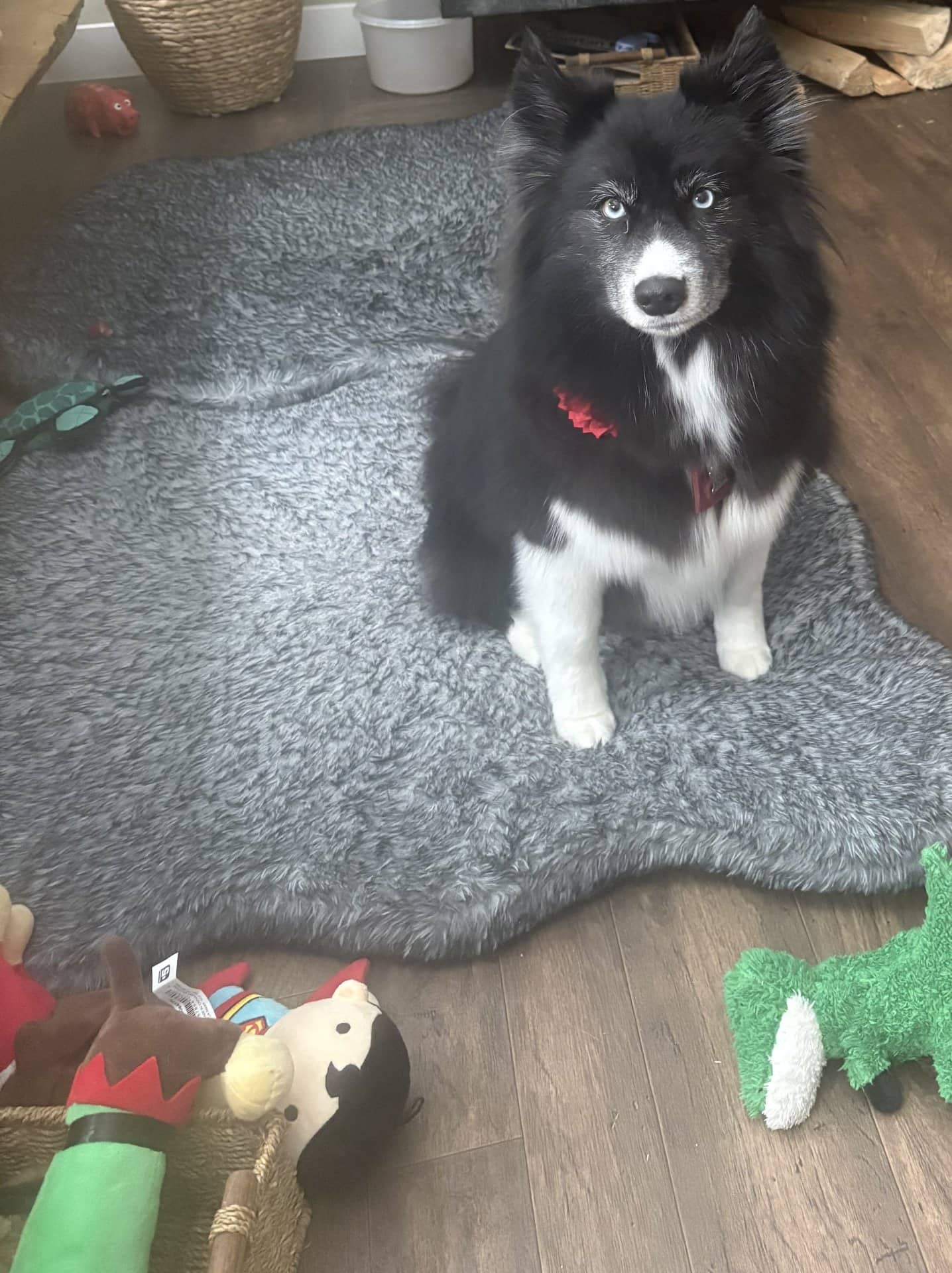
Viva
7 years • Pomsky
Owner Rehoming

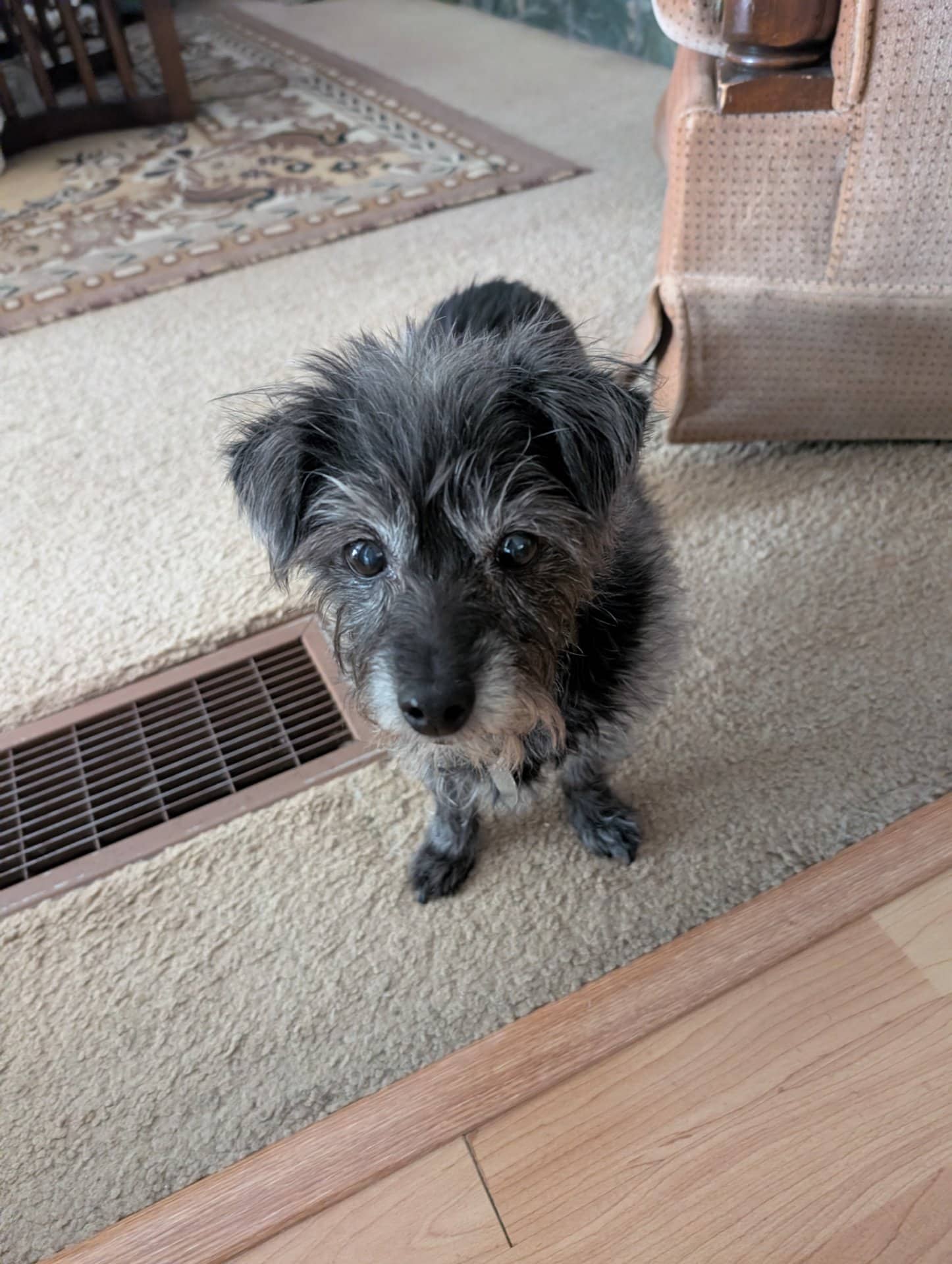
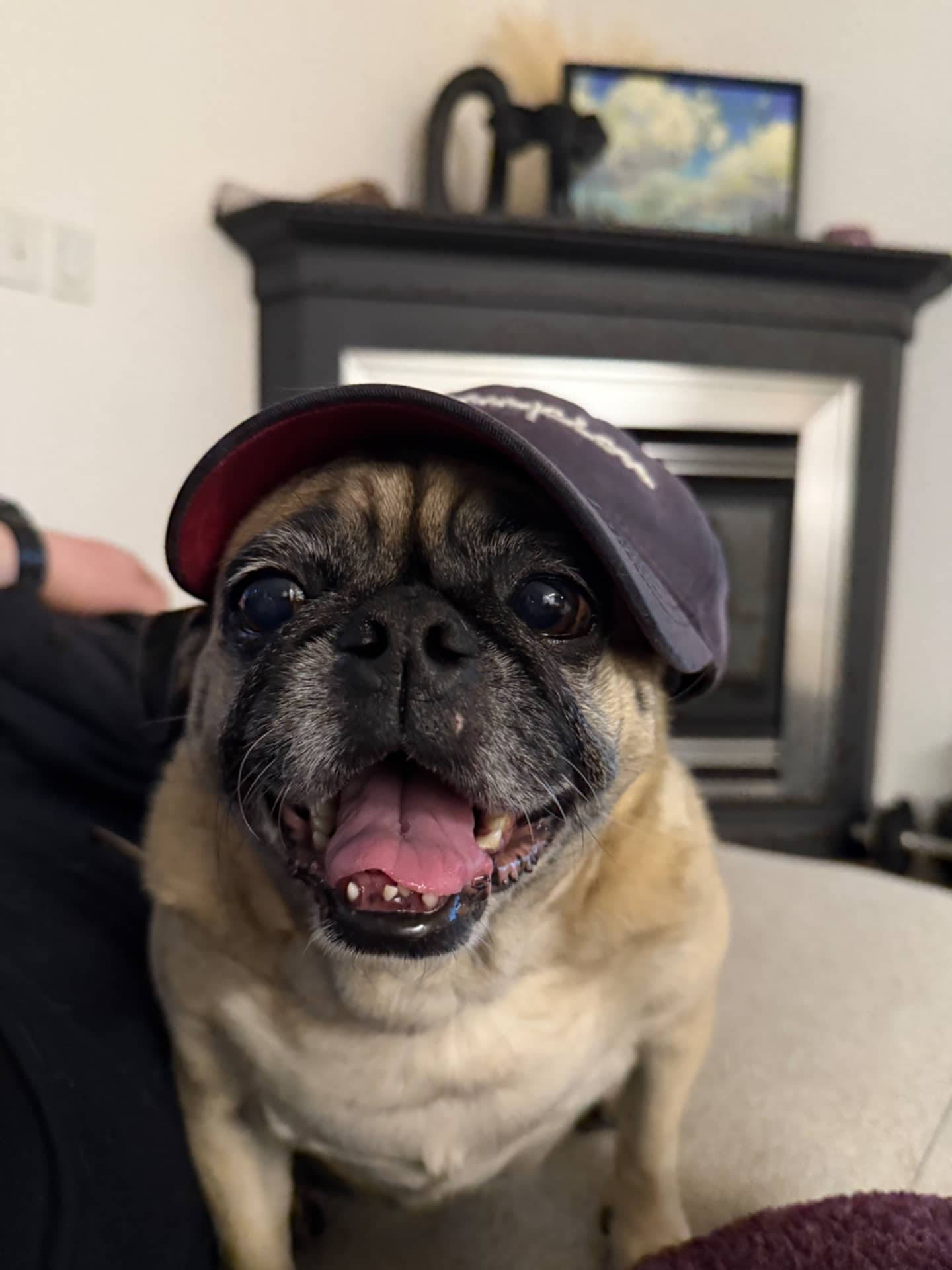
wangcai
6 years • Pug
Owner Rehoming
Looking for a family dog that is good with kids in Calgary? LocalPetFinder lists 91 rescue dogs assessed good with children from 15+ Calgary-area rescues including Calgary Humane Society, AARCS, Pawsitive Match, BARCS, and ARF Alberta. These dogs have been observed with kids in foster homes before being tagged family-friendly. It is a strong signal, not a guarantee, so always start with a slow, supervised introduction. Adoption fees run about $300-$600 and include spay/neuter, vaccinations, and a microchip. Listings refresh regularly.
Bringing a dog into a home with children is one of the most rewarding decisions a family can make, but it takes care. Not every dog is suited to the unpredictable energy and noise that come with kids, which is why a dog specifically assessed as good with children matters so much. The dogs on this page have been evaluated by Calgary rescues and observed to be comfortable, patient, and safe around kids.
Rescues assess kid-compatibility in a few ways. Many dogs spend time in foster homes with children of different ages, giving the rescue first-hand knowledge of how the dog handles loud noises, sudden movements, and the general chaos of family life. Some shelters also run structured behaviour assessments that test a dog's reaction to handling, resource guarding, and being startled.
When you bring a new dog home, go slow. Let the dog approach your child on its own terms, teach kids to be gentle and to give the dog space, and supervise every interaction for the first several weeks no matter how confident you feel. With patience and proper introductions, a rescue dog can become your child's best friend for years.
Best Family Dog Breeds in Calgary Rescues
These breeds and their mixes have a strong track record with children. Remember that the individual dog's foster assessment matters more than the breed label, and many wonderful family dogs are mixed breeds. Browse a breed page for availability, or explore all mixed-breed dogs.
Labrador Retriever →
The classic family dog. Patient, friendly, and forgiving of clumsy kid handling. High energy as a young dog, so plan for exercise.
Golden Retriever →
Gentle, tolerant, and endlessly patient. One of the best breeds with children. Rare in rescue and quick to go, so set up alerts.
Beagle →
Sturdy, cheerful, and kid-sized. Great with children, though the nose leads to wandering and the bark can be loud. Fence and leash matter.
Boxer →
Playful, patient, and famously devoted to kids. High energy as youngsters and strong, so supervise around toddlers during the bouncy stage.
Bernese Mountain Dog →
A gentle giant that adores family life. Calm and affectionate with kids. Size, shedding, and a shorter lifespan are the trade-offs.
Cavalier King Charles →
Small, sweet, and adaptable. A lovely fit for families wanting a lap-sized dog. Gentle with careful kids, and easy in apartments.
Cocker Spaniel →
Affectionate, medium-sized, and people-focused. Good with gentle children. Needs regular grooming and ear care.
Poodle & Poodle Mixes →
Smart, trainable, and low-shedding, which helps allergy-prone families. Poodles and doodles come in every size. Grooming is the main commitment.
What “Good With Kids” Actually Means
A “good with kids” tag means a rescue has watched the dog behave calmly and safely around children, usually in a foster home, and sometimes through a formal assessment. It is one of the most useful signals on a listing, because it reflects real observation rather than a breed stereotype.
It is not a guarantee. Every dog is an individual, a new home is stressful, and even the gentlest dog needs decompression time. Treat the tag as a green light to meet the dog, then confirm the fit yourself with a slow introduction. The rule that never changes: no dog, however trusted, is left alone with a young child.
Matching the Dog to Your Child's Age
- Toddlers and preschoolers: a calm, sturdy adult dog (aged 2 to 5) with a known temperament is usually the safest choice. Avoid tiny dogs that a small child could injure, and avoid mouthy young puppies.
- School-age kids (6 to 12): the widest range of dogs works. Kids this age can help with walks and training under supervision, which builds a real bond.
- Teens: most family dogs fit well, and a higher-energy dog can suit an active teen. Set clear expectations about who does the daily care.
Across every age, energy and size fit matters as much as the “good with kids” label. A high-drive young dog in a busy household with small children can overwhelm everyone. When in doubt, lean calmer and older.
Safe Introductions & the First Few Weeks
The first weeks set the tone. Keep the world small and calm, and let the dog choose the pace. Practical steps:
- Let the dog approach children, not the other way around. Keep first meetings short and low-key.
- Set up a crate or gated space the dog can retreat to, and teach kids it is off-limits.
- Never disturb a dog that is eating, sleeping, or chewing. Teach children to leave it be.
- Supervise every interaction for at least the first several weeks.
The American Veterinary Medical Association's dog-bite-prevention guidance is a good primer for teaching kids how to read and respect a dog's space. For a full settling-in timeline, see our first week with a rescue dog guide and the 3-3-3 rule.
Family Dog Adoption Costs in Calgary
Calgary rescue adoption fees for an adult family dog typically run $300-$600, bundling spay/neuter, vaccinations, deworming, and a microchip (roughly $600-$1,000 of veterinary work). Beyond the fee, budget $1,000-$2,000 for the first year: food, a crate and supplies, training or a group class, and a first non-adoption vet visit. Don't forget the City of Calgary dog licence, required at 3 months.
For ways to keep costs manageable, see our free & low-cost adoption guide and Calgary low-cost vet guide.
Teaching Kids and Dogs to Coexist Safely
A safe family dog is a two-way project: the dog learns the household, and the kids learn the dog. Teach children a few firm rules and the whole home gets calmer:
- No hugging, climbing on, chasing, or cornering the dog.
- Leave the dog alone while it eats, sleeps, or has a chew.
- Recognize “I need space” signals: yawning, lip-licking, turning away, a tucked tail.
- Ask an adult before giving treats or letting the dog off leash.
Older kids can join short, positive training sessions, which teaches the dog manners and gives the child a real role in the relationship. Our dog training guides cover the basics.
Licensing & Bringing Your Family Dog Home
Under the City of Calgary licensing bylaw, every dog 3 months and older needs a city licence. It funds Animal Services and dramatically improves the odds of a lost dog getting home, which matters in a busy household where a door can be left open.
For pickup day and the first week, keep things calm and predictable so the dog can settle. Our adoption checklist covers what to have ready before your new family dog comes home.
Family Dog Adoption FAQ
Tap a question to expand