Showing 97 dogs
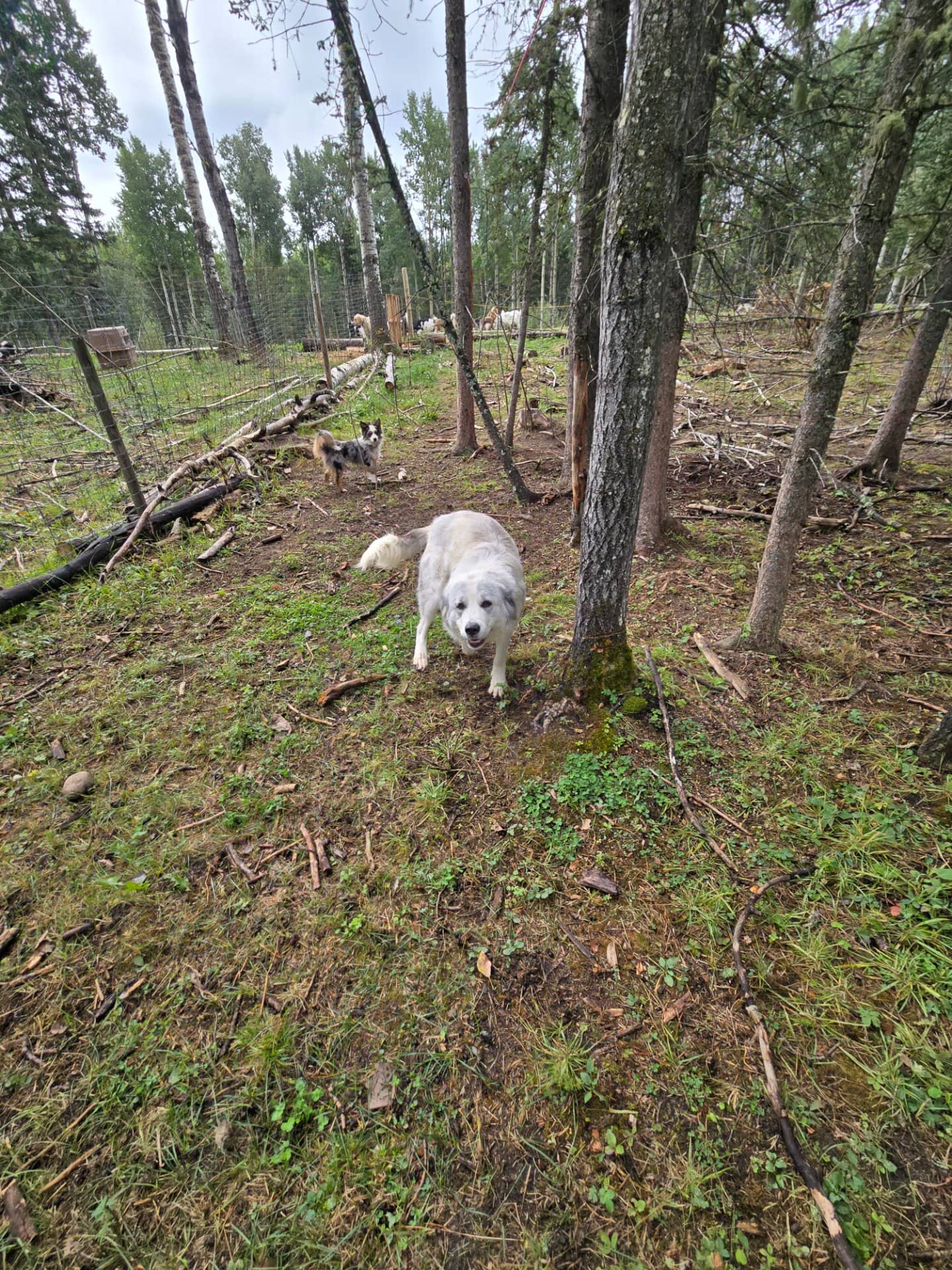
Lola
2 years • LGD
Owner Rehoming
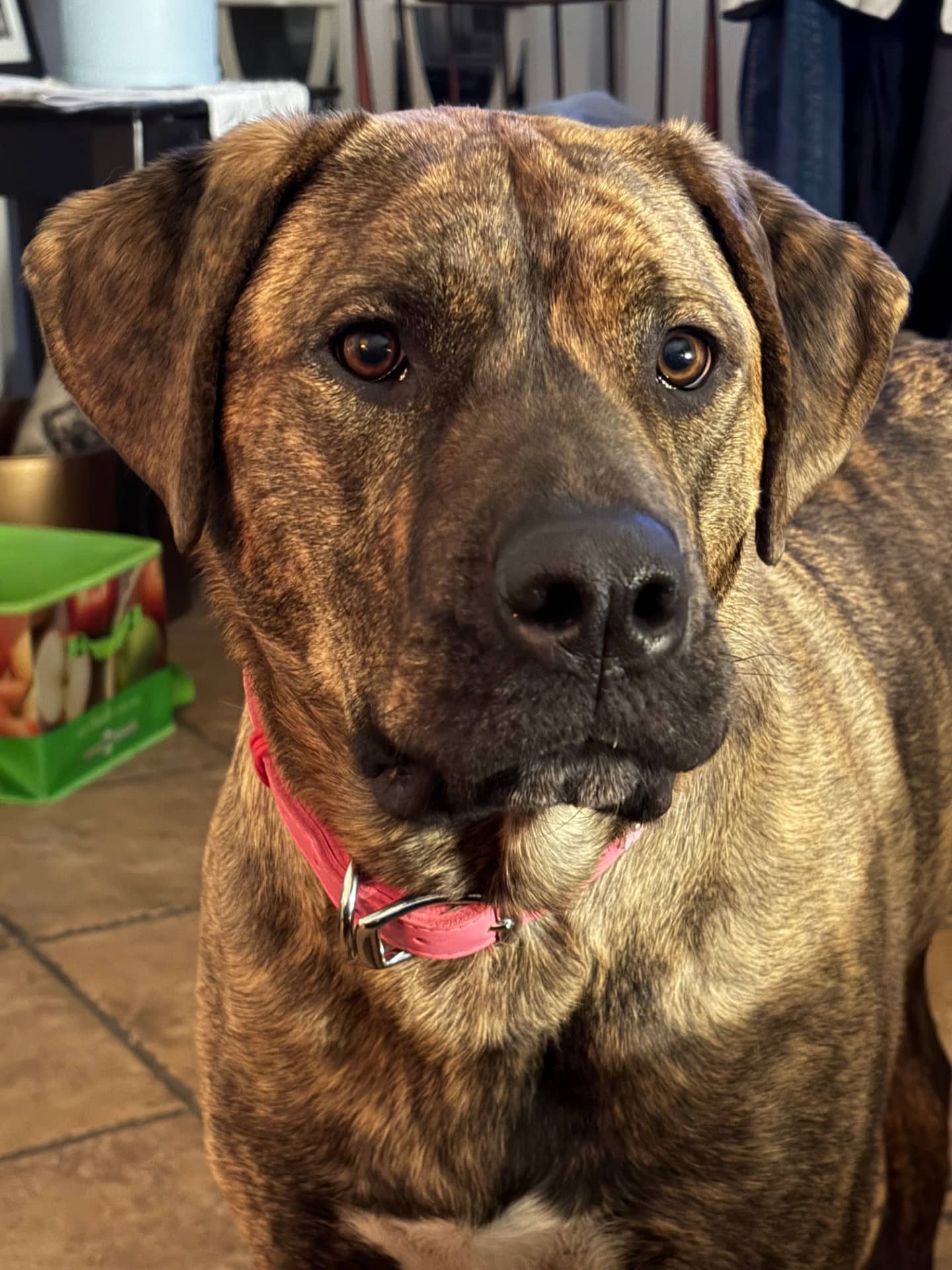
Melody
2 years • Mix
Owner Rehoming

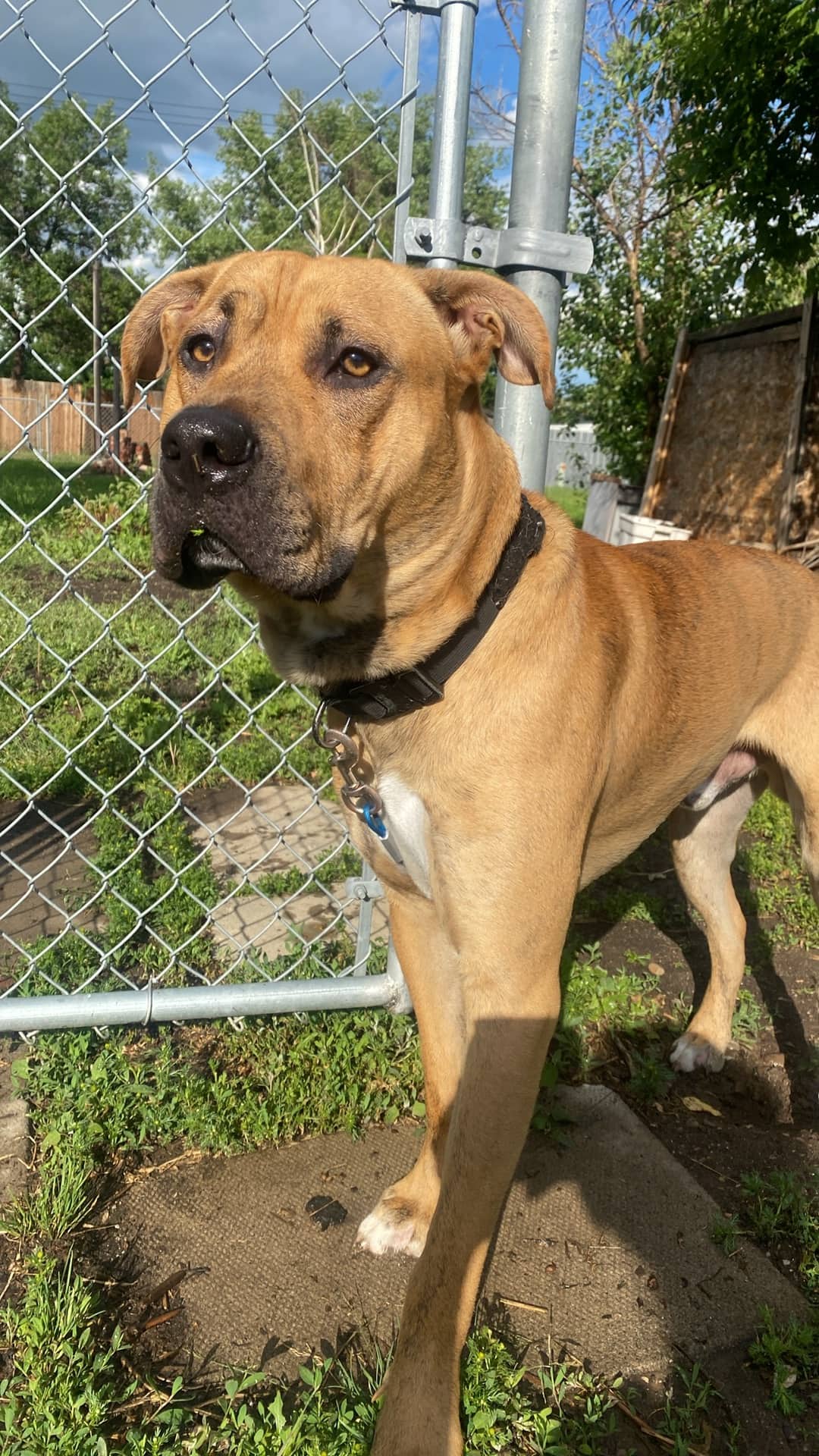
Ozzy
1 year • Mixed Breed
Owner Rehoming
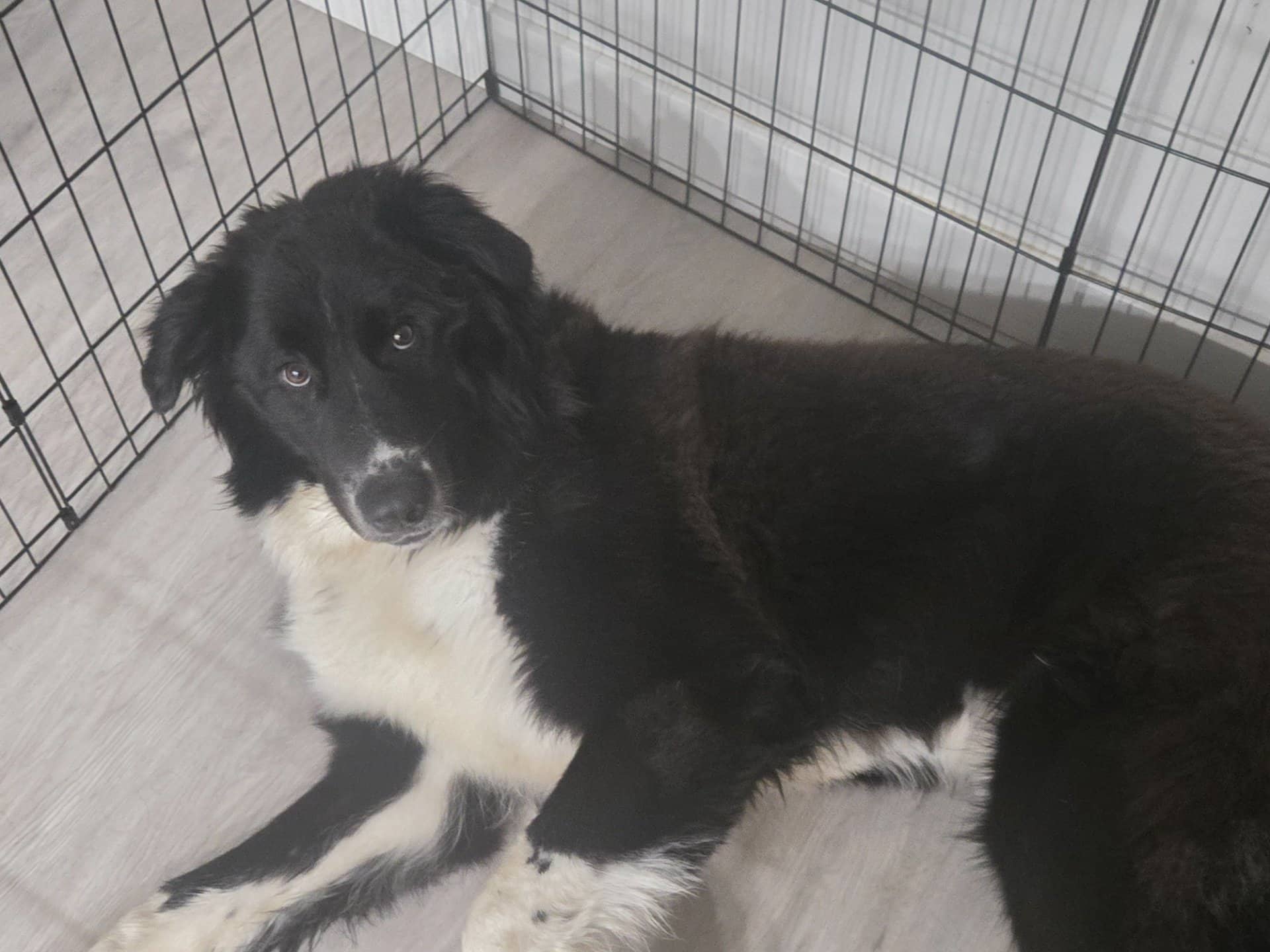
Leo
1 year • Border Collie
Owner Rehoming

Oreo
5 years • Lab
Owner Rehoming
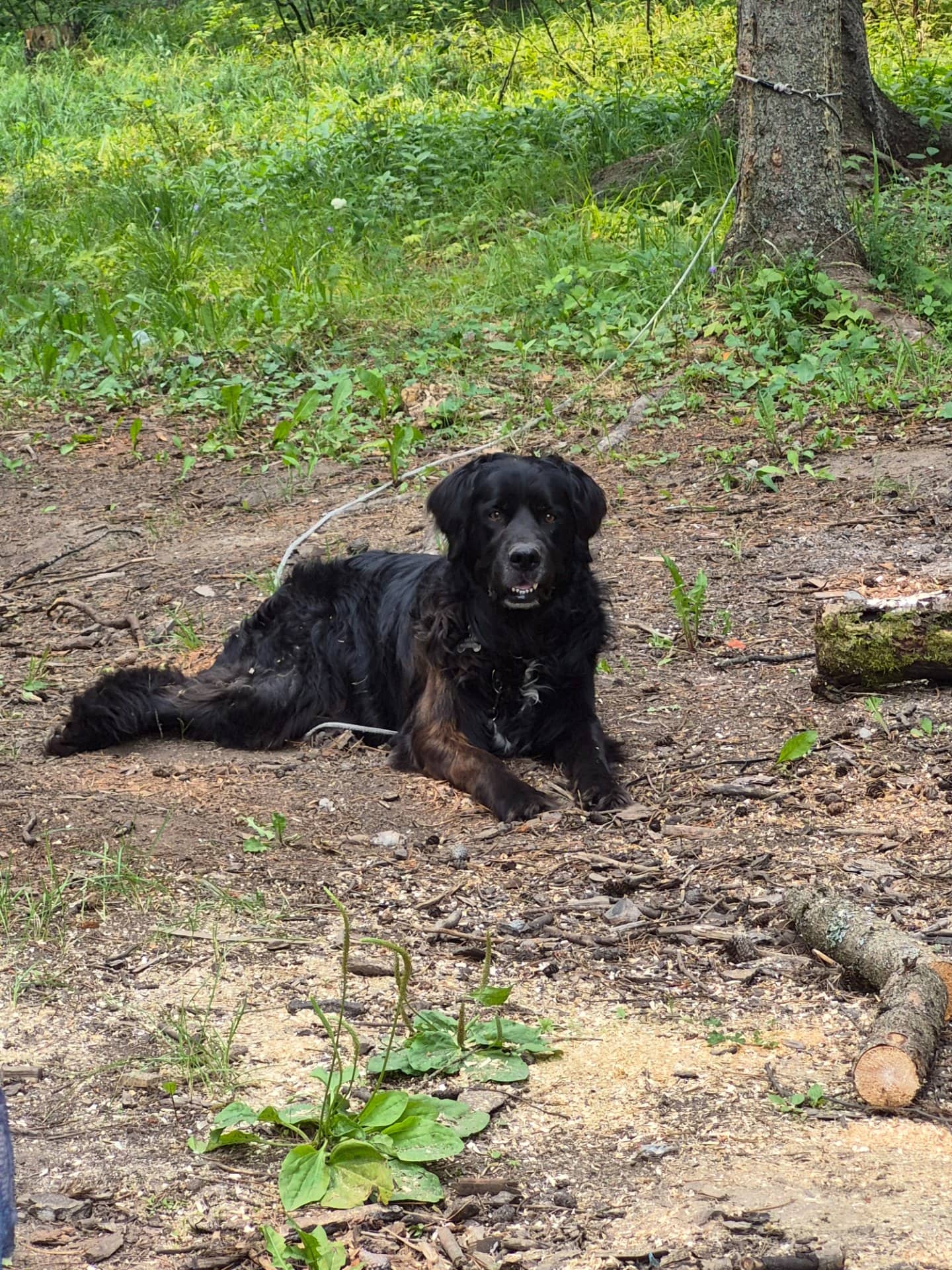
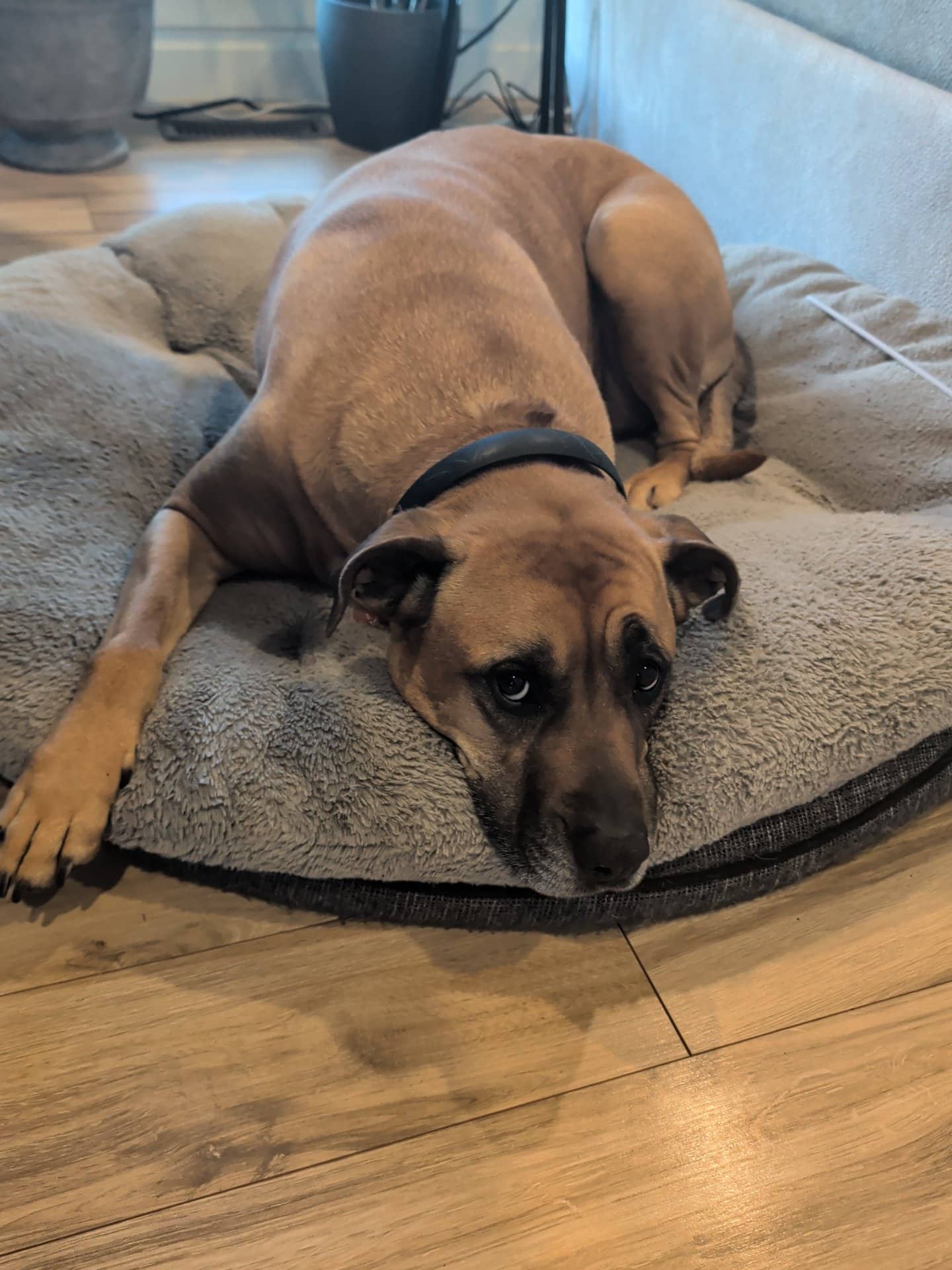
Luna
6 years • Mastiff cross
Owner Rehoming
Looking for adoptable large dogs in Calgary? LocalPetFinder lists 97 large dogs (roughly 60 lbs and up) currently available from 15+ Calgary-area rescues including Calgary Humane Society, AARCS, Pawsitive Match, BARCS, and ARF Alberta. German Shepherds, Labs, Huskies, Great Pyrenees crosses, and big mixes are the most common. Adoption fees run about $300-$600 (vs $2,000+ from breeders) and include spay/neuter, vaccinations, and a microchip. Big dogs cost more to feed and treat, so budget accordingly. Listings refresh regularly.
Large dogs weighing 60 pounds or more are among the most loyal and affectionate companions you can adopt. Breeds like German Shepherds, Labrador Retrievers, Huskies, and Great Pyrenees crosses are common in Calgary rescues, and many arrive not because of behaviour problems but because their previous owners underestimated the space, exercise, and food costs a big dog needs. Adopting a large breed from a Calgary rescue gives these dogs a second chance and saves you thousands compared with a breeder.
Big dogs thrive with room to move, though many adapt well to larger apartments as long as they get real daily exercise. Calgary is a great city for large-dog owners, with 150+ off-leash parks from Sue Higgins Park along the Bow River to the trails at Nose Hill. These spaces let big dogs run, socialize, and burn energy, which is exactly what keeps them calm and well-behaved at home.
The trade-off is cost and commitment. Everything scales with body weight: food, medication, boarding, and surgery all cost more for a large dog. If you have the space, the budget, and the time for daily exercise, a large rescue dog can be one of the most rewarding animals you will ever own.
Popular Large Breeds in Calgary Rescues
These large breeds and their crosses appear most often in Calgary and Alberta rescue intake. Many rescue “large dogs” are wonderful mixes of these types. Browse a breed page to see availability, or explore all mixed-breed dogs.
German Shepherd →
The most common large breed in Alberta rescue. Smart, loyal, protective, high-drive. Needs training and a job. Best for active, committed homes.
Labrador Retriever →
The classic family large dog. Friendly, trainable, great with kids, and forgiving of first-time owners. Watch the weight, since Labs love food.
Siberian Husky →
Everywhere in Alberta rescue, stunning, and a lot of work. Escape artists with huge exercise needs. Read the breed page before you commit.
Golden Retriever →
Gentle, family-oriented, eager to please. Rare in rescue and quick to go. Set up alerts to catch a Golden or Golden cross.
Great Pyrenees →
Livestock-guardian giants from rural Alberta intake. Gentle and calm, but large, vocal at night, and independent. Wonderful with space.
Rottweiler →
Confident, loyal, and deeply bonded to their people. Needs early training and socialization. Check housing and insurance before adopting.
Pit Bull & Bully Types →
Common in rescue and often the most affectionate dogs on the floor. Calgary has no breed ban. Confirm housing and insurance first.
Great Dane →
A true gentle giant. Surprisingly low-energy indoors, but the food, space, and short lifespan are real. Watch for bloat.
Large Dogs in Calgary Apartments & Condos
A big dog can absolutely live in an apartment, and some of the calmest apartment dogs are large. Great Danes and senior large breeds often sleep most of the day. The two real hurdles are exercise (a large dog needs a genuine daily outing, not just a lap of the block) and building rules (many Calgary condos set weight limits, and some insurers restrict certain breeds).
Before adopting a large dog into a condo, confirm the building's pet policy and weight limit in writing, look for elevator access to spare both of you the stairs, and commit to a daily off-leash or long-walk routine. For breed-by-breed apartment guidance, see our apartment-friendly dogs page.
Large-Breed Health Considerations
Big bodies come with a few big-dog health patterns worth understanding before you adopt:
- Hip and elbow dysplasia: common in large breeds, causing arthritis over time. Manageable with weight control, joint supplements, and medication when needed.
- Bloat (gastric dilatation-volvulus): a life-threatening emergency in deep-chested breeds (Great Dane, Shepherd, Weimaraner). Learn the signs (a swollen belly, unproductive retching, restlessness) and go to an emergency vet immediately.
- Arthritis: shows up earlier in large dogs. Keeping a big dog lean is the single best thing you can do for its joints and lifespan.
- Shorter lifespan: giant breeds live roughly 7 to 10 years, versus 12+ for many smaller dogs. Worth knowing going in.
Calgary rescues share any known health history before adoption, and many large dogs come with full medical records. For emergencies, our Calgary emergency vet guide lists 24-hour clinics, and our pet insurance guide covers whether coverage is worth it for a large breed.
The Real Cost of a Large Dog in Calgary
The adoption fee is the small part. Calgary rescue fees for large dogs typically run $300-$600 and include spay/neuter, vaccinations, deworming, and a microchip. The ongoing costs are where big dogs differ from small ones:
- Food: $70-$120 a month for quality food, more than double a small dog.
- Medication and preventives: dosed by weight, so flea, tick, heartworm, and any medication cost more.
- Vet and surgery: anaesthesia, dental work, and procedures scale with body size.
- Boarding, grooming, and gear: larger crates, beds, and higher boarding rates.
Plan for roughly $2,000-$3,500 a year, plus the City of Calgary dog licence (required at 3 months). For ways to keep costs down, see our Calgary low-cost vet guide and free & low-cost adoption guide.
Exercise & Off-Leash for Big Dogs in Calgary
Most large dogs need one to two hours of activity a day, and a tired big dog is a calm big dog. Calgary is well set up for it, with 150+ off-leash parks. Sue Higgins Park (Southeast, along the Bow) and Nose Hill Park (Northwest) are two of the largest, with room for a big dog to really run. Herding and working breeds also need mental work: training, scent games, and puzzle feeders take the edge off high drive.
Match the dog to your real activity level. A working-line Shepherd or Husky in a low-exercise home is the classic surrender story. If you want a big dog but a quieter routine, look at giant breeds or seniors, which are often content with moderate walks. See our low-energy dogs page for calmer large options.
Large Dogs & Calgary Winters
Many large breeds are built for Calgary cold. Double-coated northern dogs (Husky, Malamute, Great Pyrenees, Shepherd) often love winter and can stay out longer than you can. Short-coated large breeds (Boxer, Weimaraner, some hound mixes) feel the cold and need a coat below 0°C plus shorter outings when it drops below -20°C.
For every big dog, protect paws from ice-melt salt with a balm or booties, wipe paws after walks, and watch for slipping on ice, since a fall is harder on large joints. Keep senior and arthritic large dogs warm and limit slippery surfaces during cold snaps.
Housing, Insurance & Licensing for Large Dogs
Calgary has no breed-specific legislation, so no breed is banned. What catches large-dog adopters out is private policy, not city law. Landlords and condo boards can set weight limits or breed restrictions, and home or tenant insurers sometimes exclude certain breeds (often bully breeds, Rottweilers, and occasionally Shepherds or Huskies). Confirm both your housing pet policy and your insurance in writing before you adopt a large or commonly-restricted breed.
Every dog 3 months and older needs a City of Calgary licence under the City of Calgary licensing bylaw, which funds Animal Services and helps reunite lost dogs with owners. For the full housing and insurance playbook (written for bully breeds but useful for any restricted large dog), see our housing & insurance guide.
Large Dog Adoption FAQ
Tap a question to expand