
Get notified when a Labrador Retriever is listed
We will email you the moment a Labrador Retriever becomes available in Calgary, from a rescue or an owner rehoming.
About Labrador Retrievers in Calgary
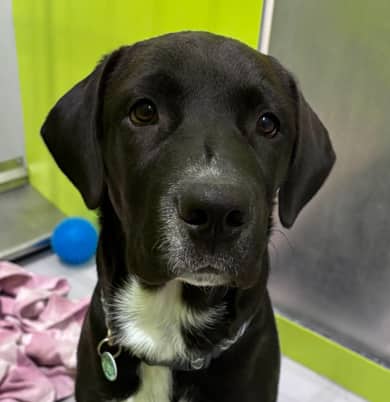
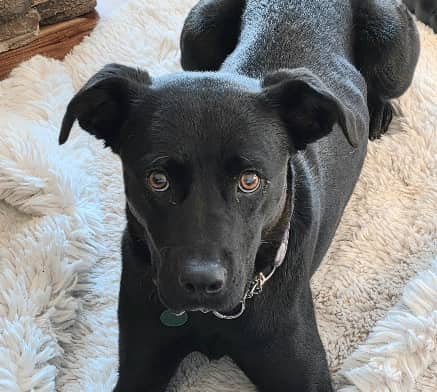
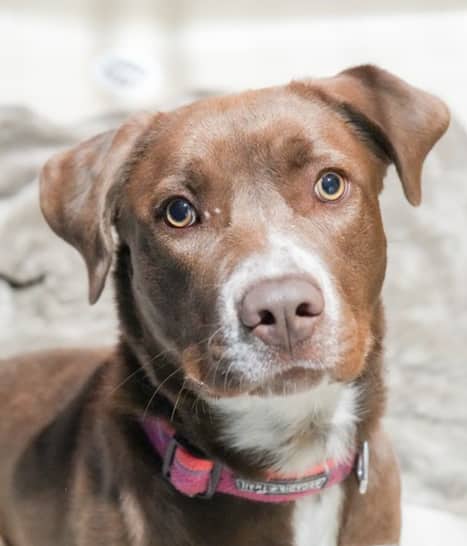
Labrador Retrievers are the most popular dog breed in Canada and the most-adopted breed in Calgary rescues. CHS, AARCS, BARCS, ARF Alberta, and Cochrane Humane Society see Labs and Lab mixes weekly — usually 5–15 across the network at any given time. Known for their friendly outgoing temperament, eagerness to please, and water-loving heritage, Labs are the default family-dog choice for many Calgary households — for excellent reason.
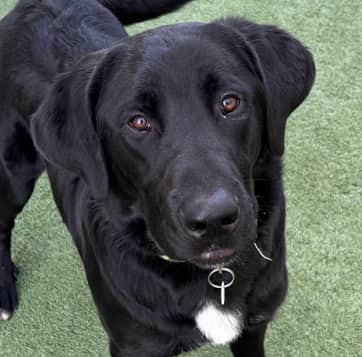
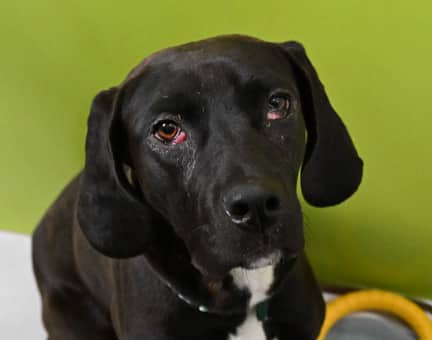
Calgary Lab adoption fees range $300–$700 from rescues, vs $1,500–$3,500 from CKC-registered breeders (Cowboy Up Kennels, Eagertrieve Labrador Retrievers, and similar Alberta breeders are working/show line operations, not rescues). Most Calgary Lab surrenders are 2–7 year old adults — common reasons include exercise/energy mismatch (Labs are high-energy until 4–5 years), obesity-related health issues, lifestyle changes (divorce, baby, new job requiring travel), and Lab-specific health costs (hip/elbow dysplasia surgery $5K–$15K). Black Labs in particular sit longer in shelters than yellow or chocolate — the "black dog syndrome" bias is real but unjustified.
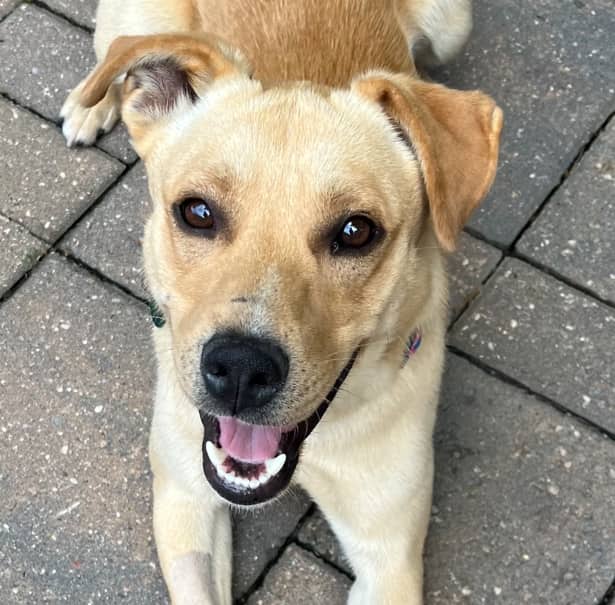
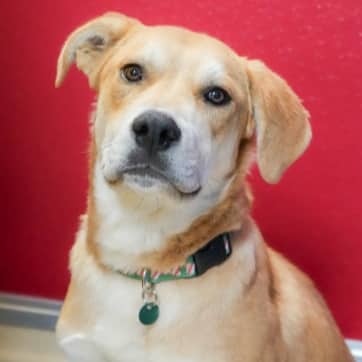
Lab mixes are MORE common than purebreds in Calgary rescues. The frequent crosses: Borador (Lab + Border Collie, smartest Lab mix, the right starter Border Collie for active families — see our BC adoption guide), Labsky/Huskador (Lab + Husky, 40–60 lbs, more independent than purebred Lab), Sheprador (Lab + German Shepherd, 60–80 lbs, intelligent and protective), Labradoodle (Lab + Poodle, lower-shedding), Pitador (Lab + Pit Bull, common in Calgary). Lab mixes typically inherit the friendly trainable Lab temperament with traits from their other parent.
A note on "Black Lab Rescue Alberta" searches: this name surfaces in Calgary Lab adoption searches but we cannot independently verify a registered Alberta organization by exactly this name as of 2026. Most likely refers to (1) general Calgary rescues that often have black Labs, (2) the Labrador Retriever Club of Canada (LRCC) rescue referral network, or (3) defunct/rebranded organization. Verify any rescue via Canada Revenue Agency charitable registry + AB physical address + recent listings. All Labrador Retrievers and Lab mixes listed below are sourced from 15+ Calgary-area rescues, updated regularly.
Looking at all large dogs in Calgary?
Browse every available large dog from 15+ Calgary rescues in one place. Listings refresh regularly.
Browse all Calgary large dogs →Labrador Retriever adoption & care guides
Labrador Retriever Adoption Calgary (2026): Rescues, Costs, Black Lab Bias, Lab Mixes
Where to adopt Labrador Retrievers in Calgary, real adoption costs ($300-$700 vs $1,500-$3,500 from a CKC breeder), Black Lab Rescue Alberta verification, Cowboy Up Kennels and Eagertrieve clarification (breeders not rescues), why black Labs sit longer in shelters (black dog syndrome bias), Lab mixes (Borador, Labsky, Sheprador, Pitador), why Labs end up in Calgary rescues, adult vs puppy adoption, working line vs show line.
Breed GuidesLabrador Retriever Health Issues Calgary (2026): Hip Dysplasia, EIC, CNM, PRA, Obesity, Bloat
Labrador Retriever-specific health conditions every Calgary owner should know. Hip + elbow dysplasia (~12-15% prevalence, $5K-$15K Calgary surgery), EIC (Exercise-Induced Collapse, Lab-specific genetic disorder), CNM (Centronuclear Myopathy, Lab-specific), PRA-prcd progressive blindness, Hereditary Nasal Parakeratosis, obesity epidemic (Labs are #1 breed for obesity, POMC gene), GDV/bloat, chronic ear infections, cancer rates, anesthesia, pet insurance ROI.
GuidesLabrador vs Golden Retriever for Calgary Families (2026): Honest Comparison Guide
Labrador vs Golden Retriever, honest Calgary comparison. Temperament, energy, exercise, grooming, health (Lab 60%+ obesity vs Golden 60% cancer), Calgary climate fit, cost ($300-$700 rescue vs $1,500-$5,000+ breeder), family compatibility, and which breed actually wins for which household. Both are top-3 family breeds in Canada, here's how to choose.
Breed GuidesLabrador Swimming Safety Calgary (2026): Glenmore Banned, Best Calgary Spots, Cold Water Risk
Where Labs can actually swim in Calgary (Glenmore Reservoir is BANNED : most owners don't know), Sikome Lake, Edworthy off-leash + Bow access, Sandy Beach on Elbow River. Cold water hypothermia (5-10 min cap below 10°C), limber tail syndrome (Lab-specific acute caudal myopathy), post-swim ear infection prevention, blue-green algae warnings, life jackets, puppy swimming start age (12-16 weeks).
Breed GuidesLabrador Adolescence Survival Calgary (2026): The 8-30 Month Land Shark Phase
When does a Lab calm down? Honest Calgary Lab adolescence guide. The 8-30 month phase that breaks most Lab owners. Land shark phase return at 6-12 months, counter-surfing emergence at 12-18, leash regression at 18-24, recall failure, destructive chewing peak, crate training rescue Lab vs puppy, Calgary winter adolescence specifically (worst time of year), age-by-age exercise dosing, when to escalate to a Calgary force-free trainer.
Breed GuidesLabrador Weight Management Calgary (2026): The Daily Protocol for the #1 Obesity-Prone Breed
Daily Lab weight management for Calgary owners. Why Labs are #1 obesity-prone breed (POMC gene mutation, 60% are overweight), Body Condition Score 4-5/9 target, exact feeding amounts by life stage, treat budgeting (10% rule), Calgary winter compounding (reduced exercise + heating + holiday treats), prescription weight diets compared (Hill's Metabolic, RC Satiety, Pro Plan OM), exercise dosing, vet weigh-in cadence, when to suspect medical (hypothyroidism), helping a fat Lab lose weight.
GuidesBuy or Adopt a Labrador Retriever (2026)? Honest Calgary Comparison Guide
Buy or adopt a Labrador Retriever? Honest Calgary comparison: $300-$700 rescue vs $1,500-$3,500 CKC breeder vs $3,500-$5,000+ for "silver", "charcoal", "champagne", or English-line Labs. Lifetime cost analysis ($25K-$50K), the 60%+ obesity epidemic that drives Lab lifetime costs, "Black Lab Syndrome" (why black Labs sit longer), silver Lab dilute-gene controversy, free Lab scam warning, and when buying genuinely makes sense.
Labrador Retriever Adoption FAQ
Tap a question to expand
How many Labrador Retrievers are available for adoption in Calgary?▼
Where can I adopt a Labrador Retriever in Calgary?▼
How much does a Labrador Retriever cost in Calgary?▼
Are Black Labs different from Yellow or Chocolate Labs?▼
Are Labs good for first-time owners and families with kids?▼
How much exercise does a Labrador Retriever really need?▼
Why are Labs the most obesity-prone dog breed?▼
Are these Labrador Retrievers for sale in Calgary?▼
Where can I buy a Labrador Retriever in Calgary, and should I?▼
Are there free Labrador Retrievers in Calgary, or labrador retrievers under $500?▼
Are there Labrador Retriever puppies in Calgary, or only adults?▼
Where can I find a Labrador Retriever near me in Calgary?▼
Need to rehome a Labrador Retriever?
If you can no longer keep your Labrador Retriever, you can list them for free on LocalPetFinder. Your dog stays in your home until you find the right family, you screen who applies, and there is no surrender fee. Not sure yet? Our guide to surrendering a dog in Canada walks through every option first.
List your dog for free →Free tools for Labrador Retriever owners
Need to rehome your Labrador Retriever?
If you are on the other side of this page and need to find your labrador retriever a new home, we have a breed-specific guide: the rescues worth contacting first, realistic timelines, and how to screen adopters. Listing on LocalPetFinder is free.
How to rehome a Labrador Retriever responsibly →Browse More Breeds
Looking beyond Calgary?
Alberta rescues transport between cities and several operate province-wide, so it is worth checking Labrador Retrievers elsewhere in the province before you give up on a match in Calgary.