Showing 38 dogs
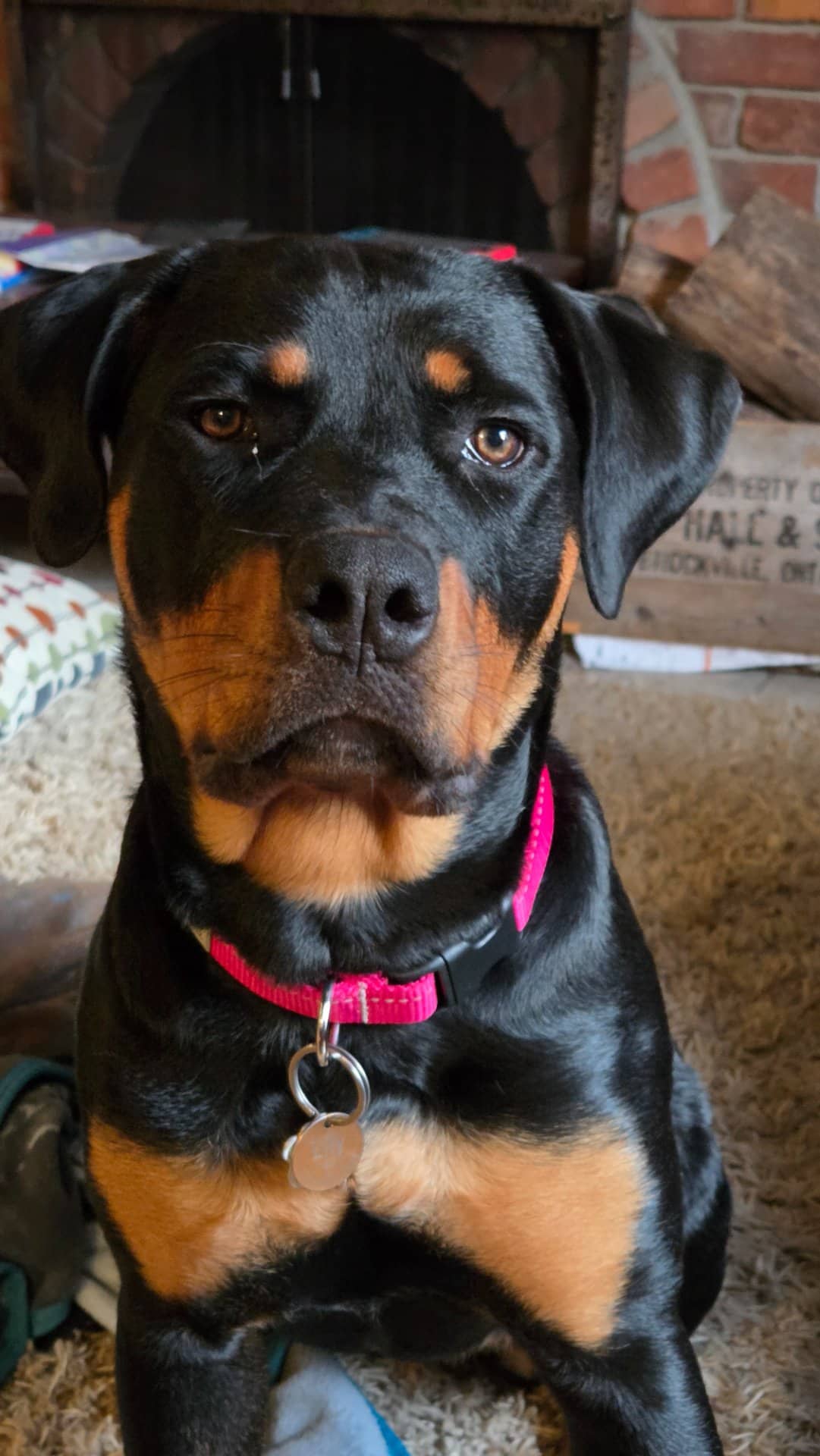
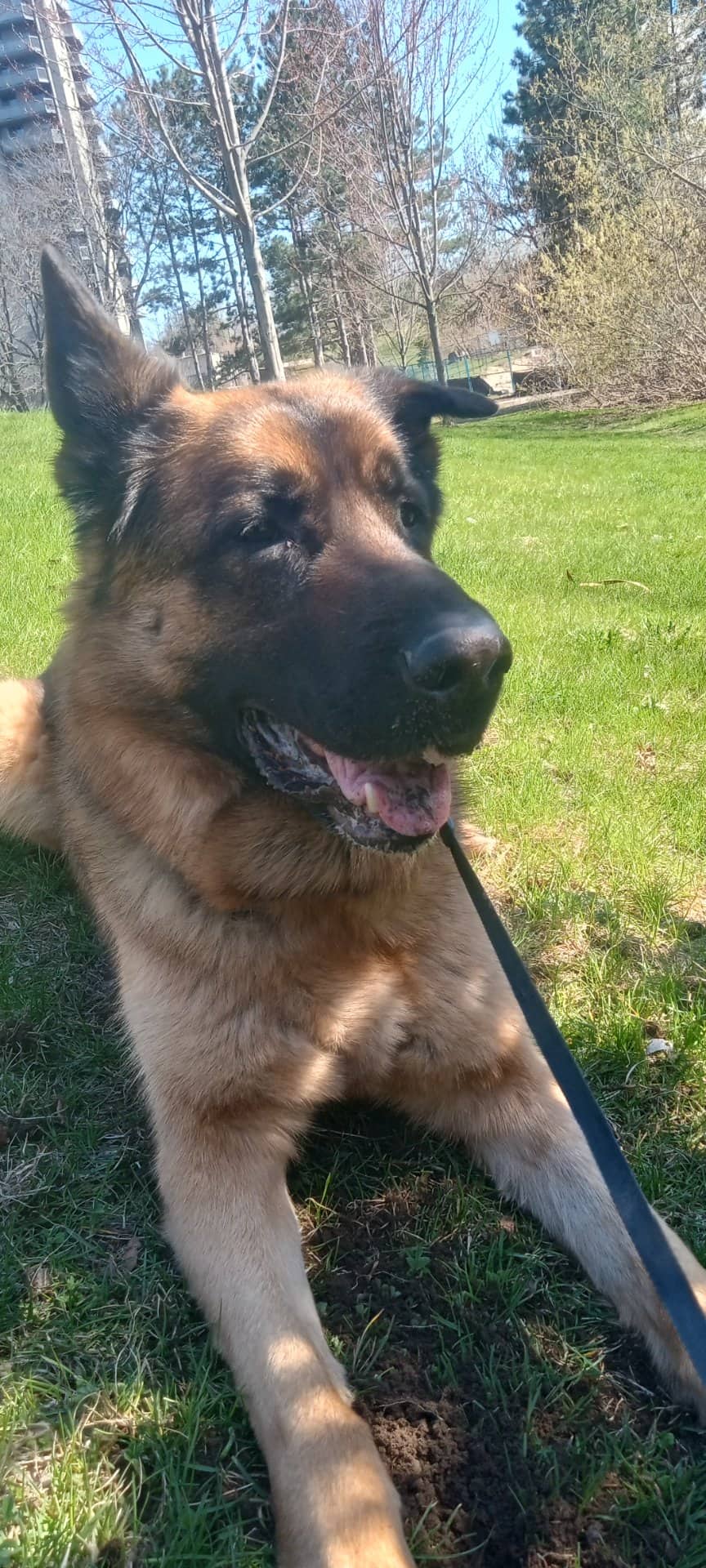
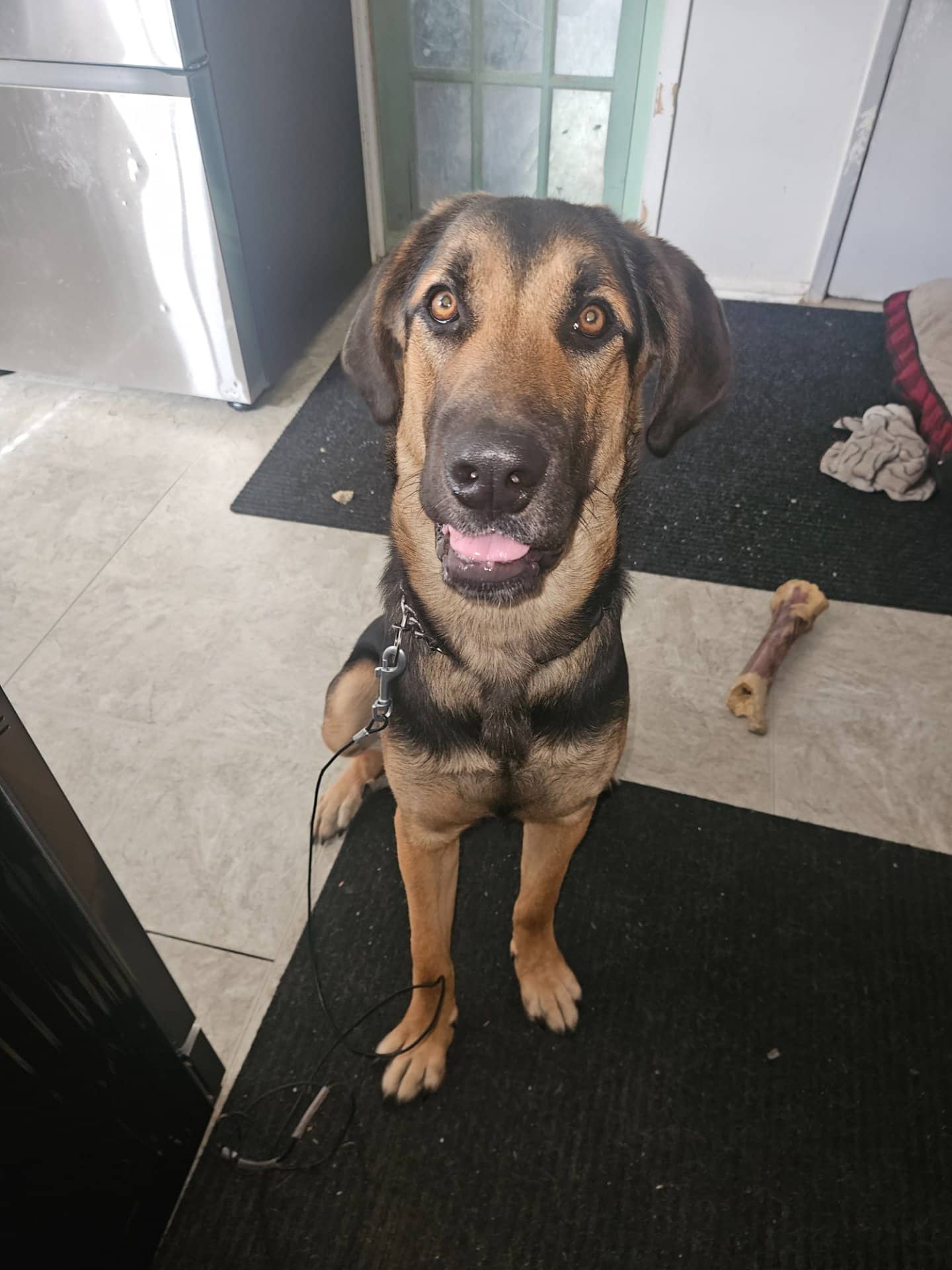
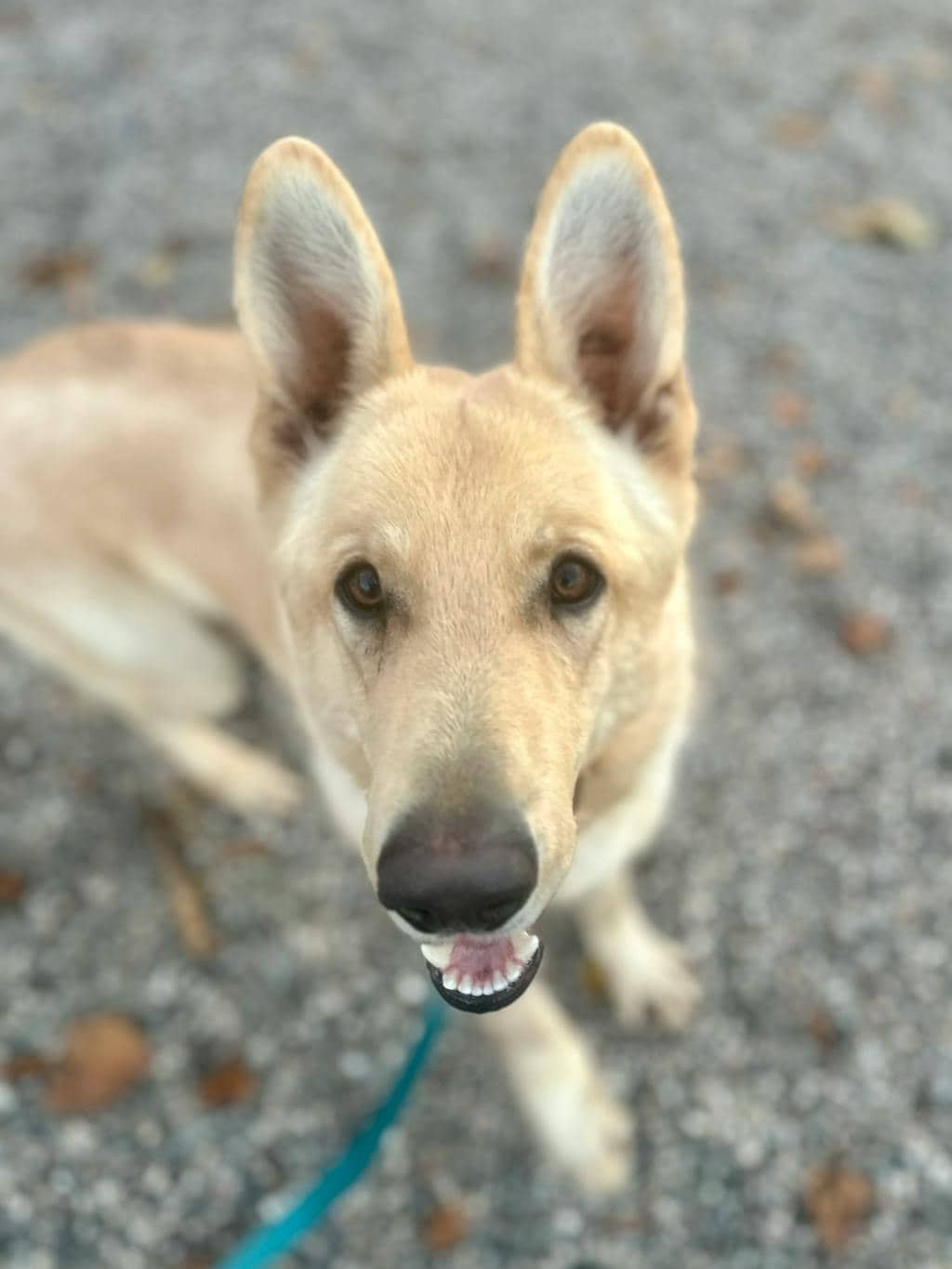
Red
11 months • German Shepherd
Owner Rehoming
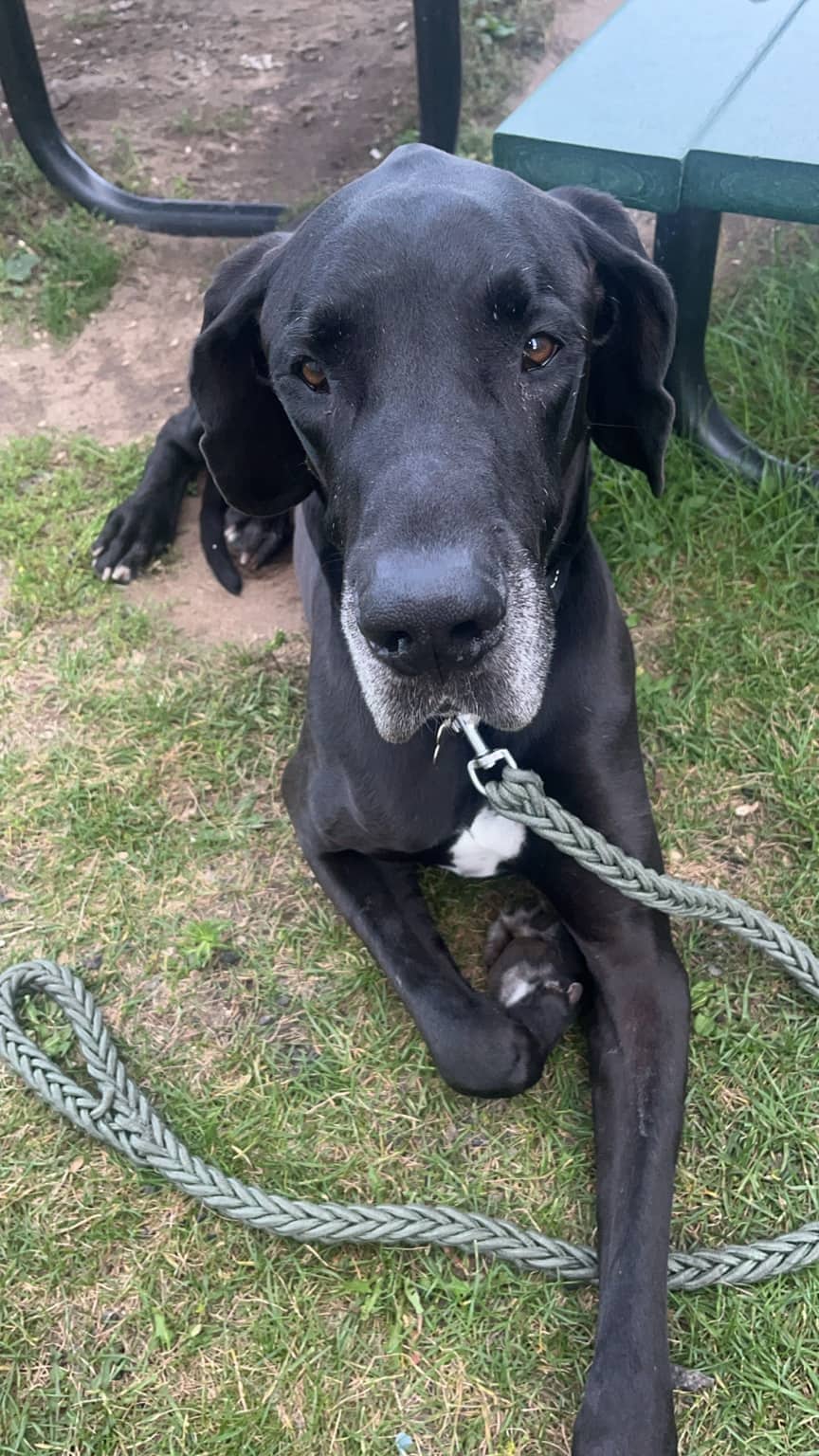
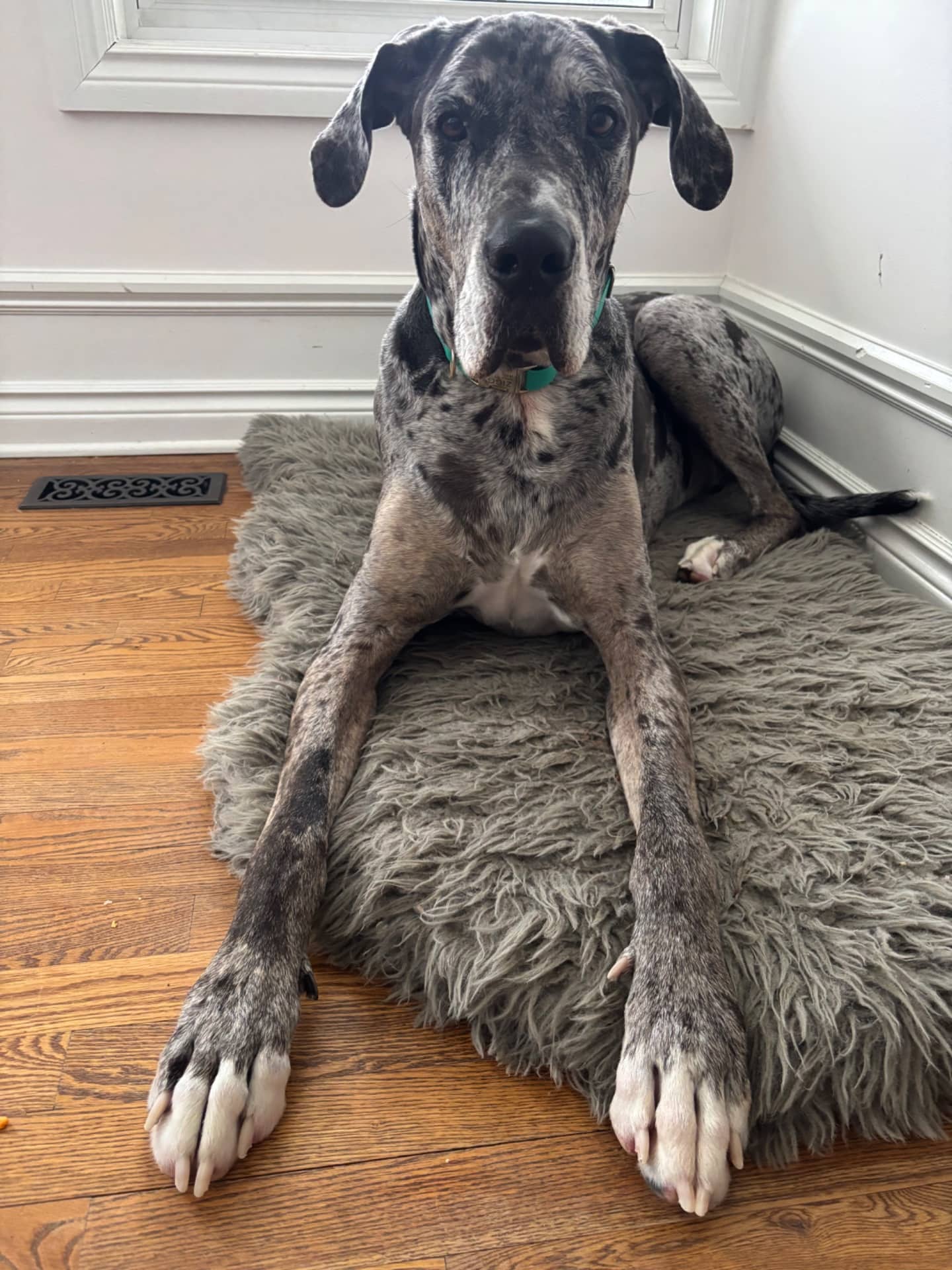

Bear
3 years • Great Pyrenees
Owner Rehoming
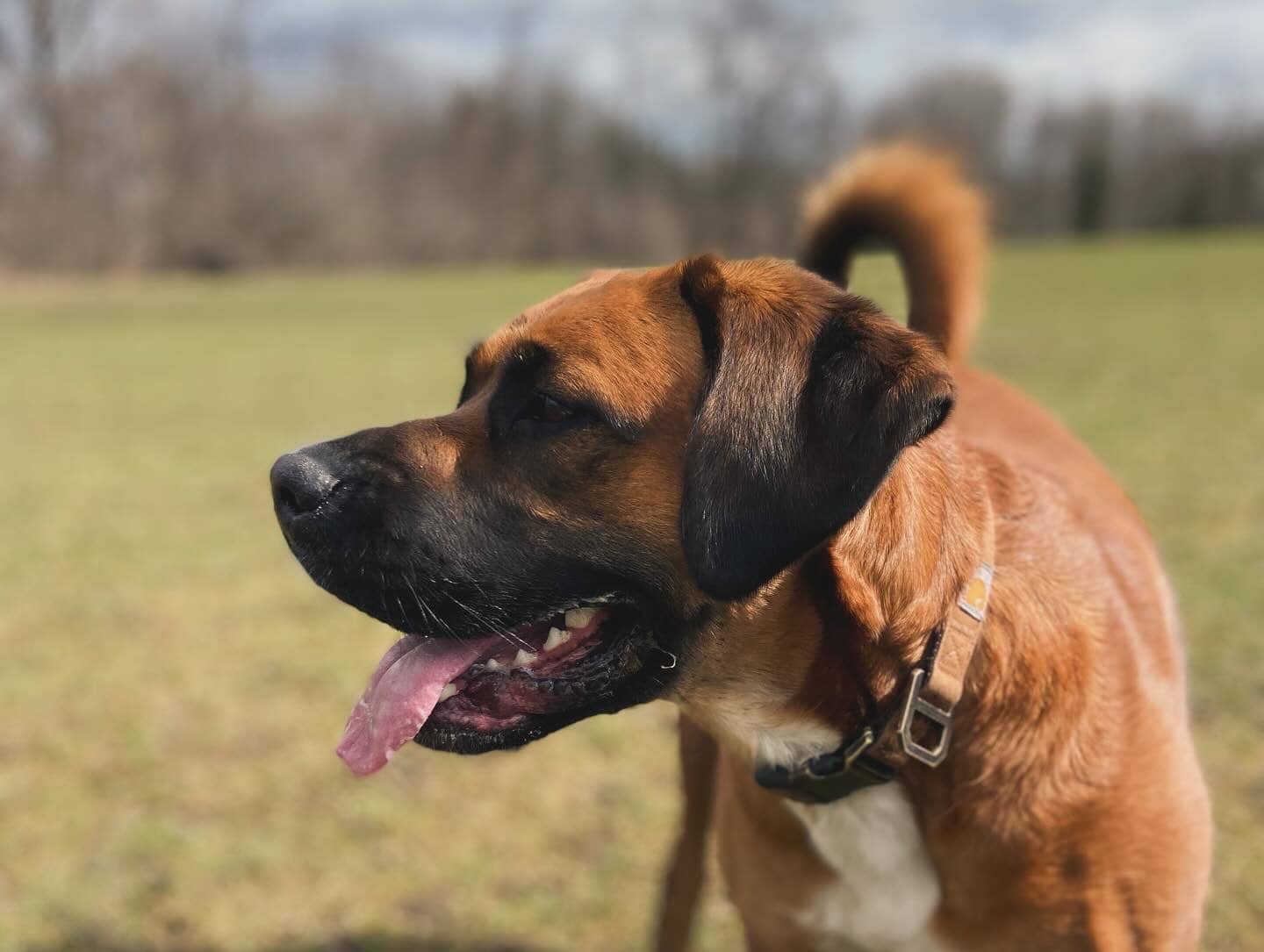
Where to find large dogs for adoption in Ottawa? The Ottawa Humane Society is the primary Ottawa rescue, alongside a number of smaller foster-based rescues across the region, and large dogs (50+ lbs) make up the majority of their intake. Where they can live is the constraint: most downtown condos cap pet weight at 25 to 30 pounds, so large dogs work best in houses or pet-permissive low-rise rentals in Kanata, Orleans, Barrhaven, Nepean, Manotick, and the outer NCR.
Large dogs are the most-surrendered, least-adopted size in Ottawa rescue. They need more housing flexibility than condo-dense downtown can usually provide, and they cost more to feed and care for than small dogs. The Ottawa Humane Society on West Hunt Club Road, plus a number of smaller foster-based rescues across the region, together handle thousands of large-dog intakes a year, with Labrador and Lab mixes, German Shepherd mixes, Husky mixes, and bully crosses making up the bulk. Ontario's Dog Owners' Liability Act (DOLA) still restricts Pit Bull-type dogs province-wide, so the bully-type dogs placed by Ottawa rescues are American Staffordshire mixes and other crosses identified on intake as not legally meeting the DOLA definition; the rescue will walk you through how a specific dog is identified on its file before you adopt.
If you have the housing for a large dog, your wait will be short. Many large dogs sit in shelter for months. Long-stay residents often have reduced adoption fees and full, honest behaviour profiles because shelter staff have spent weeks with them. Houses in the suburban communities (Kanata, Orleans, Barrhaven, Nepean, Manotick) and the rural-edge areas of the NCR are the most common adopter locations for Ottawa-rescue large dogs. Cross-border adopters from Gatineau also pull from Ottawa rescues regularly.
Popular Large Breeds in Ottawa Rescues
These large breeds and their crosses appear most often in Ottawa-area rescue intake. Many rescue large dogs are wonderful mixes of these types. Browse a breed page to see availability now.
German Shepherd →
The most common large breed in rescue. Smart, loyal, protective, high-drive. Needs training and a job.
Labrador Retriever →
The classic family large dog. Friendly, trainable, great with kids. Watch the weight, since Labs love food.
Siberian Husky →
Everywhere in rescue, stunning, and a lot of work. Escape artists with huge exercise needs.
Golden Retriever →
Gentle, family-oriented, eager to please. Rare in rescue and quick to go, so set up alerts.
Great Pyrenees →
Livestock-guardian giants from rural intake. Gentle and calm, but large, vocal at night, and independent.
Rottweiler →
Confident, loyal, and deeply bonded. Needs early training and socialization. Check housing and insurance.
Pit Bull & Bully Types →
Common in rescue and often the most affectionate dogs on the floor. Confirm housing and insurance first.
Great Dane →
A true gentle giant. Surprisingly low-energy indoors, but the food, space, and short lifespan are real.
Where Large Dogs Can Actually Live in Ottawa
Ottawa housing is the main gating factor for large-dog adoption. Realistic options:
- Houses with yards in Kanata, Orleans, Barrhaven, Nepean, Manotick, and the outer NCR. The most flexible setup.
- Ground-floor or basement apartments in houses across the same areas. Often allow larger dogs than tower condos.
- Older converted properties in Hintonburg, Westboro, the Glebe, and Old Ottawa South. Pet rules vary widely; ask the landlord directly.
- Pet-permissive low-rise rentals in Old Ottawa East, Old Ottawa South, Sandy Hill (away from student blocks), and along the Rideau River. Some allow up to 50-lb dogs.
- Newer downtown condos in Centretown and the Glebe almost always cap at 25 or 30 pounds. A few exceptions exist but are rare.
Pull the lease pet clause or condo declaration in writing before you apply. Ontario's Dog Owners' Liability Act restricts Pit Bull-type dogs at the provincial level, and individual condo boards and landlords commonly add their own breed restrictions on top (Rottweiler, Doberman, Mastiff are typical additions). Get the breed list in writing.
Exercise and Off-Leash Parks for Large Dogs
Most large dogs need 60 to 90 minutes of total daily exercise, plus mental stimulation. High-drive working breeds (Husky, Malamute, working-line Shepherds, Border Collie mixes, Vizsla, Weimaraner) need 2+ hours. Calm large breeds (mature Labrador, Golden, Bullmastiff, Newfoundland, Greyhound) do well on 45 to 60 minutes.
Ottawa has some of the best off-leash space of any major Canadian city. The relief valve for large-dog energy:
- Bruce Pit (Nepean) is a 45-acre former gravel pit and the largest designated off-leash area in the city. Lots of space, lots of dogs. Good for socialized dogs that handle crowds well.
- Conroy Pit (south-east Ottawa) is another large fenced off-leash space. Quieter than Bruce Pit and good for newer rescue dogs still building social skills.
- Mooney's Bay off-leash area sits on the Rideau River and offers waterfront access in summer.
- Hampton Park off-leash (Westboro) is a smaller urban option for adopters in the core.
- Brewer Park off-leash (Old Ottawa South) is another central option, well-loved by the neighbourhood.
- Full list of the city's designated off-leash areas at ottawa.ca/dogs-parks.
Off-leash etiquette in Ottawa varies. Not every dog at the park is friendly. Visit off-peak (weekday mornings) for the first month with a new rescue dog before introducing busy weekend sessions at Bruce Pit or Conroy Pit.
Large Dogs and OC Transpo
OC Transpo and the O-Train allow dogs in fully enclosed carriers only. That works for small dogs but not for large ones, which means most large-dog households in Ottawa own a car. The good news: Ottawa has plenty of free or cheap parking outside the downtown core, and most vet hospitals and daycares are accessible by car from any NCR suburb.
Practical workarounds for car-free downtown households considering a large dog: book vet appointments at a clinic walkable from your home, use weekend daycare drop-offs within walking distance, or reconsider whether a large dog is the right fit for your housing and transport situation. Most Ottawa downtown large-dog households own a car for vet emergencies alone.
The Real Cost of a Large Dog in Ottawa
Large dogs cost more across every line item. Realistic annual budget for a healthy 70-lb adult in Ottawa:
- Food: $80 to $150/month ($1,000 to $1,800/year). Mid-quality kibble for a 70-lb dog runs through a 30-lb bag every 4 to 5 weeks.
- Routine vet: $400 to $800 (annual wellness, vaccines, fecal, heartworm test, basic dental check).
- Pet insurance: $70 to $140/month for accident-and-illness coverage. Higher premiums than small dogs because medical procedures cost more.
- Heartworm and flea prevention: $300 to $500/year for a large dog (dosed by weight).
- Grooming: $0 to $100/month depending on coat type. Single-coated breeds need only brushing; double-coated breeds (Husky, Bernese, Newfoundland) benefit from professional de-shed every 6 to 8 weeks.
- Ottawa dog licence: $22 (spayed/neutered) to $42 (intact) annually under the Animal Care and Control By-law No. 2003-077 via ottawa.ca.
- Surprise vet: $1,500 to $3,000 buffer for emergencies. Large dogs have higher rates of bloat, orthopaedic injuries, and cardiac issues.
Total realistic annual cost: $2,500 to $4,000 for a healthy adult, more in senior years. Specialty care at VCA 404 Veterinary Emergency and Referral Hospital, the Ottawa Veterinary Emergency Clinic in Hunt Club, Alta Vista Animal Hospital, or the Ontario Veterinary College in Guelph is available but expensive (a single ICU stay can run $5,000+).
Large Dog Adoption FAQ (Ottawa)
How many large dogs are available for adoption in Ottawa?
As of October 2026, 38 large dogs are available for adoption in Ottawa across 6 rescues on LocalPetFinder. Listings update regularly as pets are adopted and new ones arrive — browse them above and apply directly through the rescue.
Where can I adopt a large dog near me in Ottawa?
LocalPetFinder lists large dogs (50+ lbs) currently available from the Ottawa Humane Society, plus a number of smaller foster-based rescues across the region. Large dogs make up the majority of rescue intake in Ottawa because they are surrendered most often (cost, housing changes, energy mismatch) and stay in shelter longest. That works in favour of adopters: more selection and often reduced fees on long-stay residents. Listings update regularly.
What size limits do Ottawa condo buildings typically have?
Most downtown Ottawa condos cap pet weight at 25 or 30 pounds, which rules out the majority of large dogs. Where large dogs work in Ottawa: houses with yards in Kanata, Orleans, Barrhaven, Nepean, and Manotick; ground-floor or basement apartments in the same areas; older converted properties in Hintonburg, Westboro, and the Glebe that allow larger dogs; and some pet-permissive low-rise rentals in Old Ottawa South and Old Ottawa East. Suburban communities have far more housing flexibility for large dogs than downtown Centretown or the Glebe.
Are there large-dog-friendly off-leash parks in Ottawa?
Yes, and Ottawa has some of the best off-leash space in any Canadian capital. Bruce Pit (Nepean) is a 45-acre former gravel pit and the largest designated off-leash area in the city, popular with large-breed owners. Conroy Pit (south-east Ottawa) is another large fenced off-leash space. Mooney's Bay off-leash area sits on the Rideau River. Hampton Park off-leash (Westboro) and Brewer Park off-leash (Old Ottawa South) are smaller urban options for adopters in the core. Full list at ottawa.ca/parks. Large dogs need 60 to 90 minutes of daily exercise, so these parks are the relief valve in a city without many fenced yards downtown.
Does Ontario DOLA restrict any large breeds I should know about?
Yes. Ontario's Dog Owners' Liability Act (DOLA, R.S.O. 1990, c. D.16, ss. 6 to 11) restricts Pit Bull-type dogs province-wide. Only dogs grandfathered under the August 29, 2005 in-force date are legally ownable, which means almost no living dog today qualifies. In practice, the bully-type dogs that Ottawa rescues place are American Staffordshire mixes and other crosses identified on intake as not legally meeting the DOLA definition; the rescue will walk you through how a specific dog is identified on its file before adoption. Individual condo boards, landlords, and pet insurance providers can also restrict breeds on top of provincial law (Rottweiler, Doberman, Mastiff are common additions). Always pull the lease pet clause or condo declaration in writing before adopting a restricted breed. Ottawa Animal Control Bylaw 2003-77 also requires all dogs over 4 months to be licensed regardless of breed.
What large dog breeds are most common in Ottawa rescues?
Labrador and Lab mixes, German Shepherd and Shepherd mixes, Husky and Husky mixes, Mastiff mixes, Rottweiler mixes, hound mixes, and the occasional Golden Retriever or Bernese. Ontario's Dog Owners' Liability Act (R.S.O. 1990, c. D.16, ss. 6 to 11) restricts Pit Bull-type dogs province-wide, so the bully-type dogs Ottawa rescues place are American Staffordshire mixes and other crosses identified on intake as not legally meeting the DOLA definition. The rescue will tell you exactly how a specific dog is identified on its file before placement. Individual condo boards can also restrict breeds on top of provincial law, so check pet rules before applying.
How do large dogs handle Ottawa winters?
Most large dogs handle Ottawa winters well. Double-coated breeds (Husky, Malamute, Bernese, Newfoundland, Northern mixes) prefer the cold and may need shorter walks in summer humidity instead. Single-coated large breeds (Pit-type dogs, Greyhounds, Boxers, Vizslas) need a coat below freezing and may refuse long walks below -15°C. Salt-heavy sidewalks downtown can burn paws regardless of breed. Booties or a paw balm help. Ottawa humidex can push 35°C in July and August, which is dangerous for any large dog, especially the brachycephalic breeds (Boxers, Bullmastiffs, English Bulldogs); walk early morning or after 7 PM.
How much does it cost to adopt a large dog in Ottawa?
Ottawa large dog adoption fees run $300 to $600 from local rescues, including spay or neuter, vaccinations, microchip, and basic vet workup. Long-stay large dogs (6+ months in shelter) sometimes have reduced fees or fee-waived events. Adopters purchase the City of Ottawa dog tag separately at adoption, under the Animal Care and Control By-law No. 2003-077. Annual ownership cost for a healthy large dog runs $2,500 to $4,000 in Ottawa (food alone is $80 to $150/month for a 70-lb dog), plus higher pet insurance premiums and bigger vet bills than small dogs.
What about energy level for a large dog?
Large does not always mean high-energy. Mature Labradors, Golden Retrievers (4+ years), Bullmastiffs, Newfoundlands, Bernese Mountain Dogs, and Greyhounds are surprisingly calm and can do well even in larger apartments with adequate walks. High-drive large breeds (Husky, Malamute, working-line Shepherds, Border Collie mixes, Vizsla, Weimaraner) need a household ready to provide 2+ hours of daily exercise plus mental stimulation. Match the energy level to your lifestyle, not the size to your fantasy.
Are these large dogs for sale in Ottawa?
Not for sale, for adoption, and for most people that is the better deal. Every dog listed here comes from a Ottawa-area rescue or shelter rather than a breeder, pet store or classified seller. The adoption fee is typically a few hundred dollars and already covers spay or neuter, vaccinations, deworming and a microchip, which on their own would usually cost more than the fee. If you searched "large dogs for sale ottawa", this is the same search done a cheaper way, with a dog someone has already examined and can tell you about.
Where can I buy a large dog in Ottawa, and should I?
You can buy from a registered breeder, and it is worth pricing against adoption before you do. A breeder puppy generally runs well into four figures and often comes with a waitlist, while a rescue dog costs a few hundred dollars fully vetted and may be available this week. The listings to be careful with are the cheap ones on classified sites and marketplaces, which are frequently backyard breeders or puppy-mill resellers moving unvetted animals with no health guarantee. If you do buy, insist on seeing where the litter was raised and getting vet records.
Are there free large dogs in Ottawa, or large dogs under $500?
Adoption is the closest honest answer and it is not free. A rescue dog in Ottawa usually costs a few hundred dollars. The fee already covers medical work worth considerably more. Genuinely free listings deserve suspicion: a dog advertised free to a good home has usually not been vetted, and free rehoming ads are the route flippers and unregistered breeders use to move animals with no recourse for the buyer. Reduced-fee events, sponsored long-stay dogs and senior discounts are the legitimate ways the price comes down.
Are there large breed puppies in Ottawa, or mostly adults?
Both, but adults outnumber puppies and it is worth knowing that before you start. Most dogs arriving in Ottawa rescue are adolescents and adults, because that is the stage at which first homes tend to give up. Puppies do come through, usually as accidental litters or with a surrendered mother, and they are typically spoken for quickly, so an alert beats refreshing the page. It is also worth asking whether you want one: an adult arrives with a temperament a foster has already lived with and can describe, where a puppy is a prediction.
Where can I find large dogs near me in Ottawa?
Start with the listings on this page, which pull from Ottawa rescues and shelters and refresh regularly, so what you see is genuinely available rather than a directory that went stale months ago. If nothing suits today, check back or set an alert, because large dogs in particular move fast and the list turns over. It is also worth widening slightly beyond the city, since most rescues serving Ottawa will adopt across a reasonable driving distance rather than only within municipal limits.