Adoptable rescue dogs in Calgary Alberta - LocalPetFinder

Dog Adoption Edmonton

Your New Best Friend Is Waiting — Edmonton Rescues, One Simple Search

Updated regularly from local rescues. Compare, match, and adopt easier.

Last updated: Jun 29, 2:23 PM

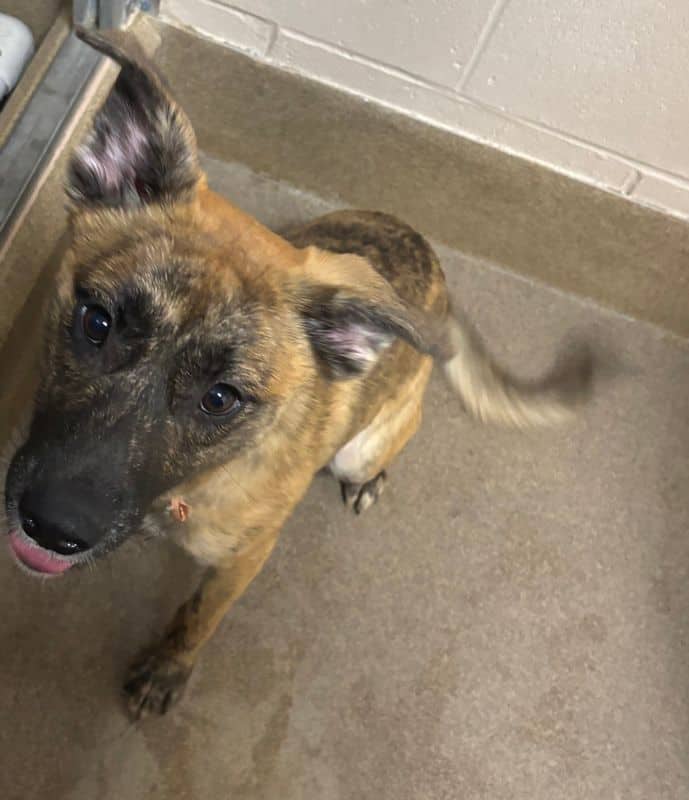
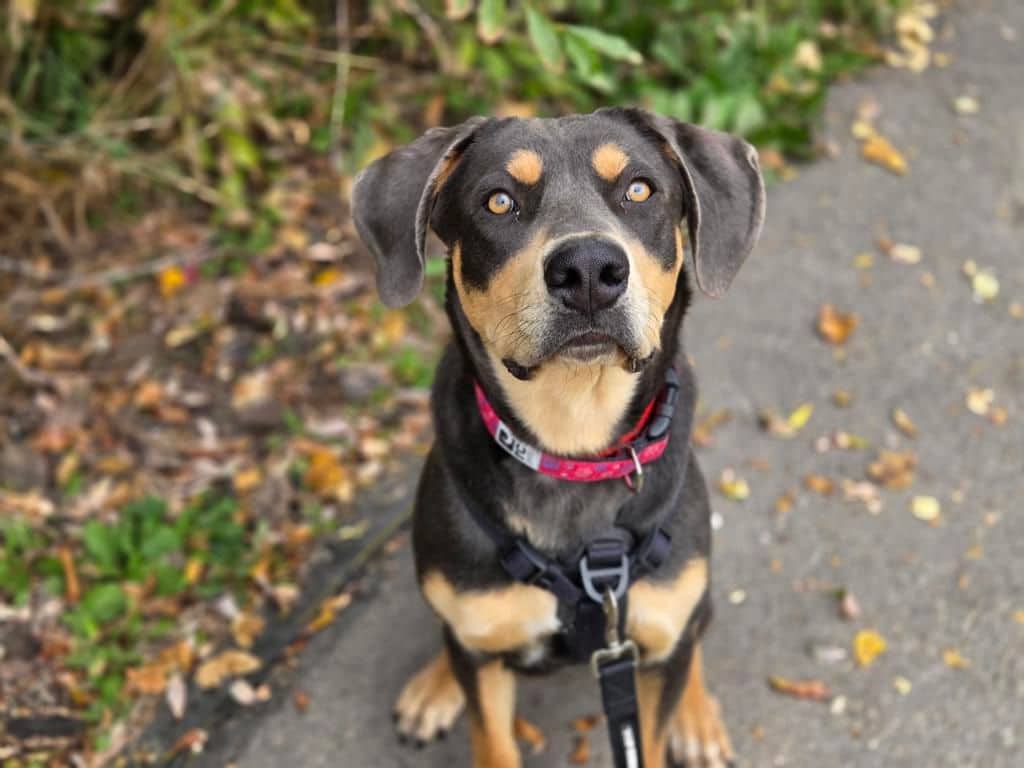
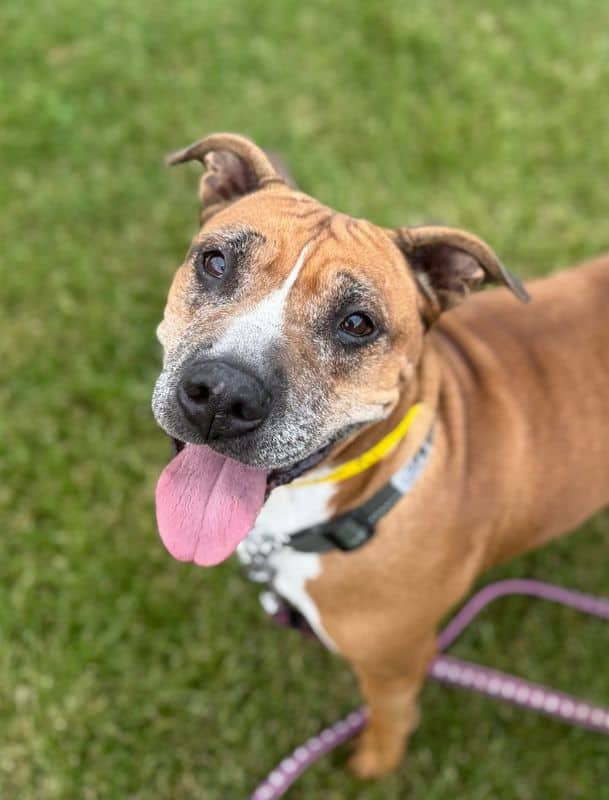
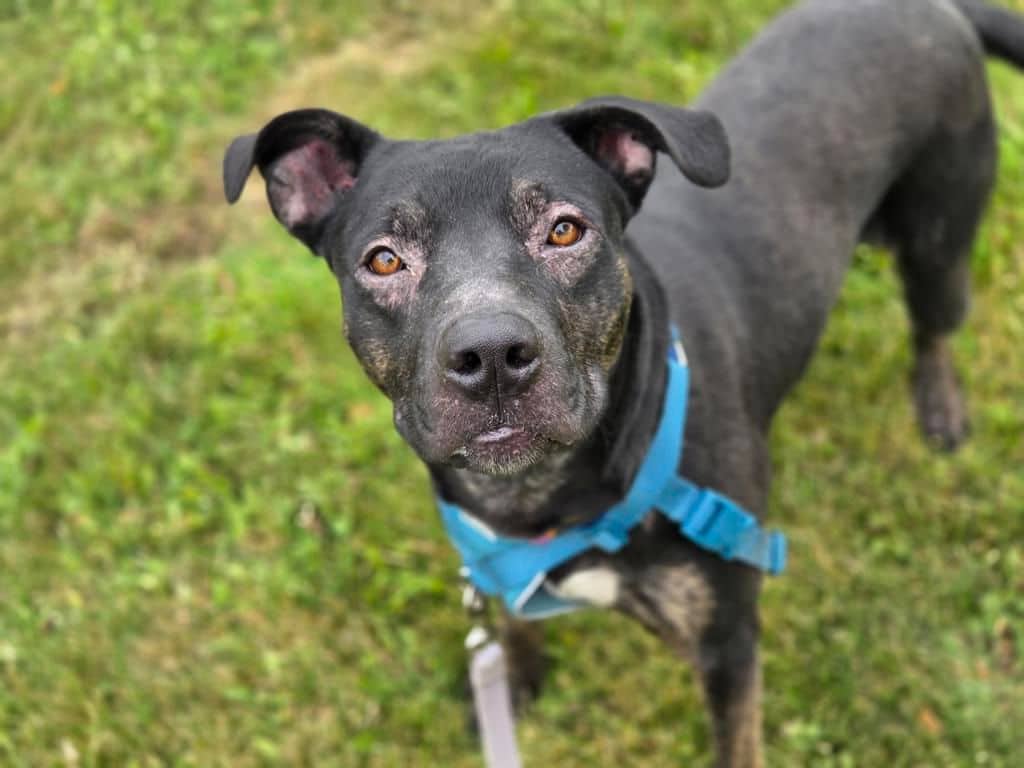
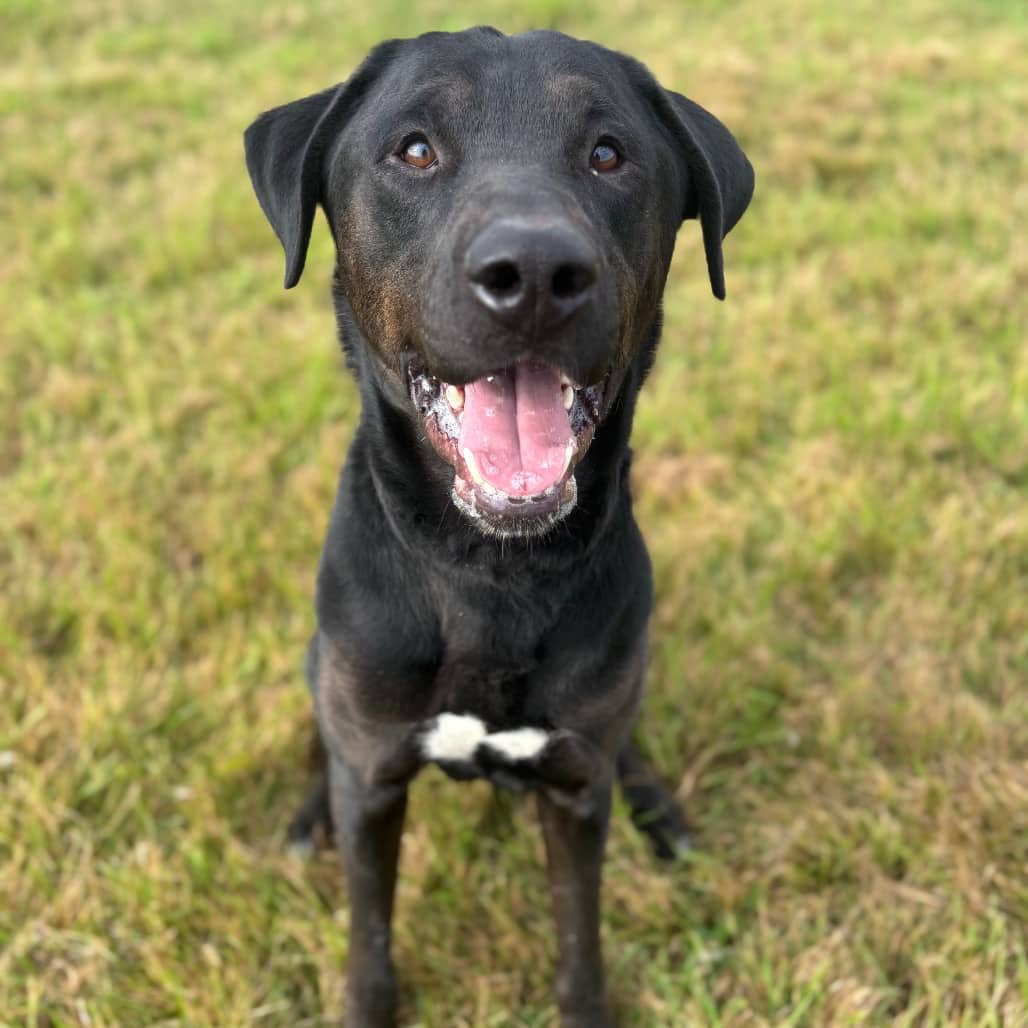
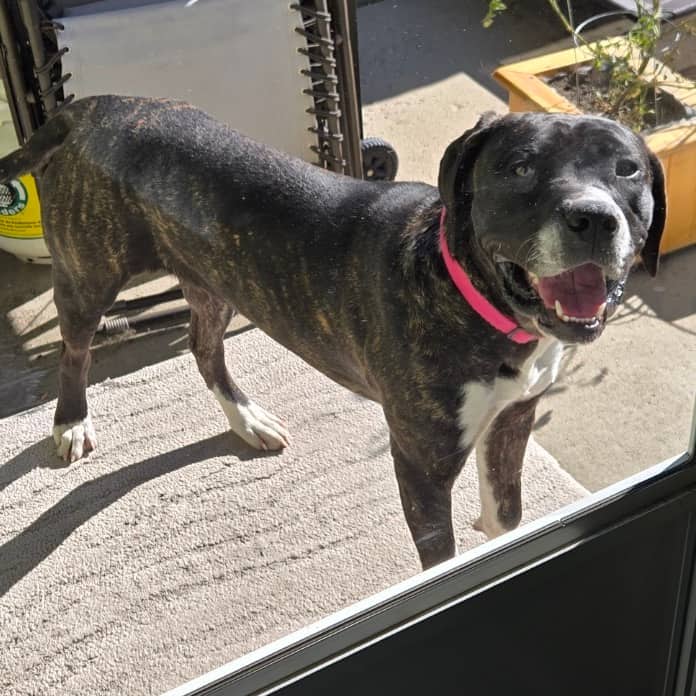
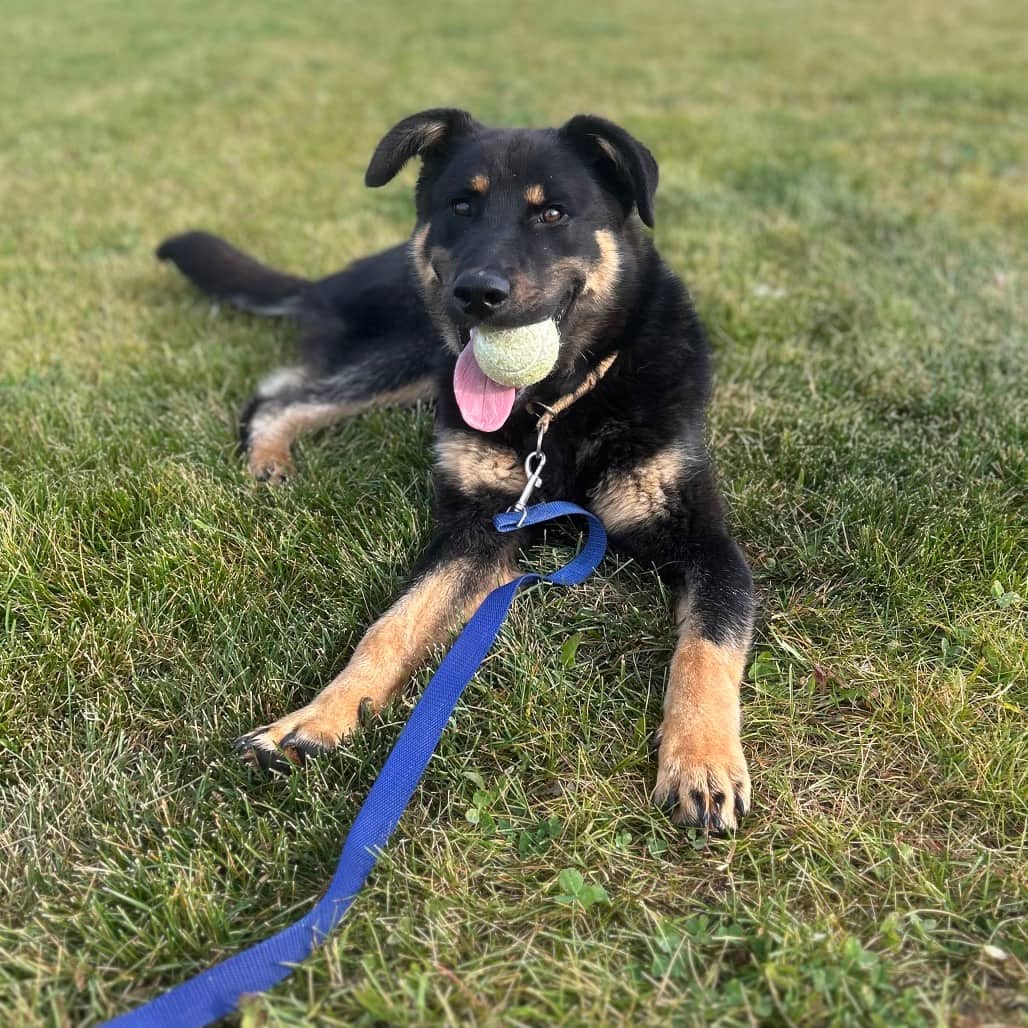
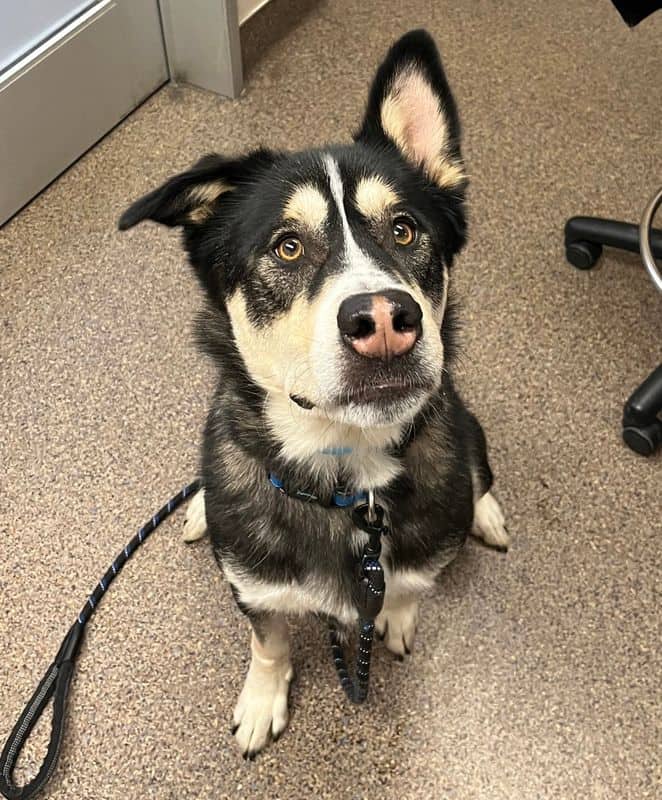
158 dogs

1 / 158Swipe to browse

Never Miss a New Dog

Get notified when new rescue dogs become available in your area. Be the first to meet your future best friend.

Get emails about all new dogs. No spam, unsubscribe anytime.

Learn more about adopting in Edmonton

Tap a topic to expand

Adopting a dog in Edmonton

Edmonton has a deep rescue network, but it is spread thin across a dozen shelter and foster-group websites that rarely update at the same time. LocalPetFinder pulls dog adoption listings from Edmonton-area rescues into one place and refreshes them on a regular cycle, so what you see is close to what is actually available right now.

We are not a shelter. We do not house dogs or handle adoptions. We are a search and matching tool — you find a dog here, then apply through that rescue directly. Using the site is free, and we never add fees on top of the rescue’s adoption cost.

Most Edmonton rescue dogs live in foster homes, not kennels. That is good news for adopters: the foster family can tell you how the dog does with kids, cats, stairs, crates, and time alone, which is far more useful than a cage-side guess.

Edmonton’s rescue landscape

Edmonton dog rescue runs on a mix of one large humane society and several foster-based groups. The Edmonton Humane Society is one of Alberta’s oldest animal welfare charities and handles the highest volume. Around it sit volunteer-run rescues like Zoe’s Animal Rescue, SCARS (Second Chance Animal Rescue Society), GEARS, Hope Lives Here, and Alberta Homeward Hound — each small, each foster-based.

A lot of Edmonton rescue dogs come from northern Alberta communities through groups like SCARS. These are not lower-quality dogs. They are dogs whose previous situation did not work out — owner surrenders, strays, transfers, and litters from places with little access to spay and neuter. Many are mixed-breed, hardy, and well-adjusted once settled.

Province-wide rescues such as AARCS also foster dogs in the Edmonton area. Because every group runs on volunteer time, inventory turns over fast and the best matches go quickly. If you find a dog that fits, apply the same day.

What it costs to adopt a dog in Edmonton

Edmonton rescue adoption fees usually run between about $400 and $700, with puppies and small high-demand dogs at the top end and seniors lower. That fee is not the dog’s price — it offsets the medical work the rescue already paid for. Buying from a breeder costs several times more and does none of that.

A typical Edmonton adoption fee includes:

  • Spay or neuter surgery
  • Core vaccinations
  • A microchip and registration
  • Deworming and basic parasite treatment
  • A vet health check, and often a foster temperament assessment
Owning a dog through an Edmonton winter

This is the part Edmonton adopters most need to plan for, and it is where Edmonton differs sharply from milder cities. Winter here runs long and drops well below -25°C with wind chill. A dog still needs daily exercise through all of it — a bored, under-walked dog in February is the classic winter surrender.

A practical Edmonton winter checklist for a new dog:

  • Match the coat to the cold — thin-coated breeds (Boxers, Greyhounds, Dobermans, most small dogs) need an insulated coat; double-coated breeds usually do not
  • Booties or paw balm on salted sidewalks, and rinse the paws after walks to remove salt and ice balls
  • Shorten outings in extreme cold and make up the exercise indoors with training games and play
  • Use the river valley and ravine trail network (Mill Creek, Terwillegar, Hawrelak, Whitemud) on milder days — Edmonton’s trail system is excellent for dogs
  • Watch for ice-ball buildup between the pads, the most common cold-weather paw problem here
Edmonton dog bylaws and off-leash basics

Edmonton requires a licence for every dog, renewed yearly, and rescues will expect you to license your new dog promptly. Dogs must be leashed in public except inside posted off-leash areas, and owners are responsible for cleaning up and for keeping the dog under control.

Edmonton has a strong network of off-leash parks across the city and river valley, which makes year-round exercise realistic even for high-energy dogs. Confirm current rules and seasonal closures on the City of Edmonton site before you go, since some areas change with the seasons.

How the Edmonton adoption process works

The flow is the same across most Edmonton rescues, even though each group runs its own version:

  • Browse current dogs here and find one whose size, energy, and compatibility fit your home
  • Click through to the rescue’s page and submit their adoption application
  • The rescue reviews it — many do a phone or video chat and a reference or vet check
  • You meet the dog, often at the foster home, so you see real behaviour in a real setting
  • If it is a fit, you finalize the paperwork, pay the adoption fee, and take your dog home
Choosing the right dog for an Edmonton home

The best Edmonton adoption is a match, not an impulse. Be honest about your home and your winter before you apply, because the most common reason dogs come back is a mismatch the adopter could have predicted.

Weigh these against the dog’s foster notes:

  • Space and housing — many Edmonton condo boards restrict size or specific breeds; confirm your building’s rules before you apply
  • Coat versus climate — a thin-coated dog needs gear and shorter winter walks; a double-coated dog handles cold but sheds and needs grooming
  • Energy versus winter routine — a high-drive dog still needs an hour-plus of daily work in January, indoors if needed
  • Time alone — a dog that cannot handle long days alone will struggle in a household out at work all winter
  • Other pets and kids — foster homes assess this directly; trust their read over a hopeful guess
Puppy, adult, or senior?

Age changes the adoption a lot, and in Edmonton winter sharpens the difference. A puppy is a blank slate but house-training one through a -30°C January, when neither of you wants to be outside, is genuinely hard. Puppies also hide their adult size and temperament.

Adult dogs are the underrated choice. What you see is close to what you get — size, energy, and temperament are settled, and the foster home can describe all of it. Many are already house-trained and past the destructive stage.

Senior dogs wait the longest and ask the least. They are calm, usually trained, and deeply grateful, and Edmonton rescues often reduce fees and flag known health needs up front. For a quieter home, a senior is one of the most rewarding adoptions there is.

The first two weeks with an Edmonton rescue dog

A rescue dog needs time to decompress. The common “3-3-3” guide is a useful frame: roughly three days to feel safe, three weeks to settle into a routine, three months to truly feel at home. Judge the dog at three months, not three days.

Edmonton’s winter adds wrinkles. A dog that arrives in deep cold may not want to toilet outside at first — go out with them, keep trips short, and reward heavily. Keep early walks calm and local while the dog learns the new neighbourhood, and introduce the river-valley trails once it has settled and recall is reliable.

Why dogs end up in Edmonton rescue

It helps to know what you are actually adopting. Most Edmonton rescue dogs are not “damaged” — they are dogs whose prior situation failed them. Common reasons include owner life changes (housing, finances, health, a move), under-estimated energy or vet costs, accidental litters, and high intake from northern Alberta communities with little spay-and-neuter access.

Very few are surrendered for genuine behaviour problems, and rescues disclose it when there is a real concern. The typical rescue dog simply needs a stable home and a fair start — not rehabilitation.

What you actually need before your Edmonton dog comes home

Have the basics ready before adoption day so the dog walks into a settled home, not a scramble. In Edmonton, winter gear is not optional for many dogs.

  • Crate and a quiet bed in a low-traffic spot for decompression
  • Flat collar with an Edmonton licence tag, a sturdy leash, and a well-fitted harness
  • For thin-coated dogs: an insulated winter coat and booties before the first cold walk
  • Paw balm, plus a towel by the door to wipe salt and snow after every walk
  • Indoor enrichment — chew toys, a snuffle mat, puzzle feeders — for the days too cold to walk far
  • A vet booked for an intake check within the first week or two
Vet care and budgeting in Edmonton

The adoption fee is the start, not the whole cost. Book a first vet visit soon after adoption to establish care and confirm the rescue’s medical history. Edmonton has many clinics across the city; ask the rescue if they work with a specific one for follow-ups on a recently treated dog.

Budget realistically for the life of the dog: annual vet care, year-round parasite prevention, quality food, winter gear, and an emergency fund or pet insurance. Large and senior dogs cost more. Planning for this up front is the best way to make sure your dog never becomes a surrender itself.

Adoption day in an Edmonton winter

Cold-weather adoption days have their own logistics. Warm the car first, bring a blanket and the dog’s new coat for the ride, and keep the trip home calm and direct. Plan a quiet first evening — no welcome party, no long introductions — so the dog can decompress.

Take the dog straight to its designated potty spot on arrival, on leash, and reward calmly. Keep the first few days small and predictable while it learns the home; the river valley and the dog park can wait until it has settled and recall is solid.

Why adopt instead of shop

Edmonton rescues are full of good dogs of every age, size, and temperament, including purebreds and the mixed-breed dogs that often make the most adaptable family pets. Adopting clears a foster space so the rescue can save the next dog, and it costs far less than buying.

You also adopt with better information. A breeder or online seller cannot tell you how an eight-week-old puppy will handle a toddler or a cat. An Edmonton foster home can tell you exactly how the dog in front of you already behaves — which is the single best predictor of how the next year will go.

Browse dogs from the Edmonton Humane Society, SCARS, Zoe's Animal Rescue, GEARS, Hope Lives Here, and Alberta Homeward Hound. Looking elsewhere in the province? See all Alberta adoption options.

Not sure which Edmonton rescue is right for you?

Our complete guide reviews every Edmonton-area dog rescue side-by-side — wait times, costs, what each one specialises in, and how to find the right fit for your situation.

Read the Edmonton rescue guide →

Dog Adoption in Calgary – Frequently Asked Questions

Everything you need to know about adopting through LocalPetFinder.