Showing 5 cats
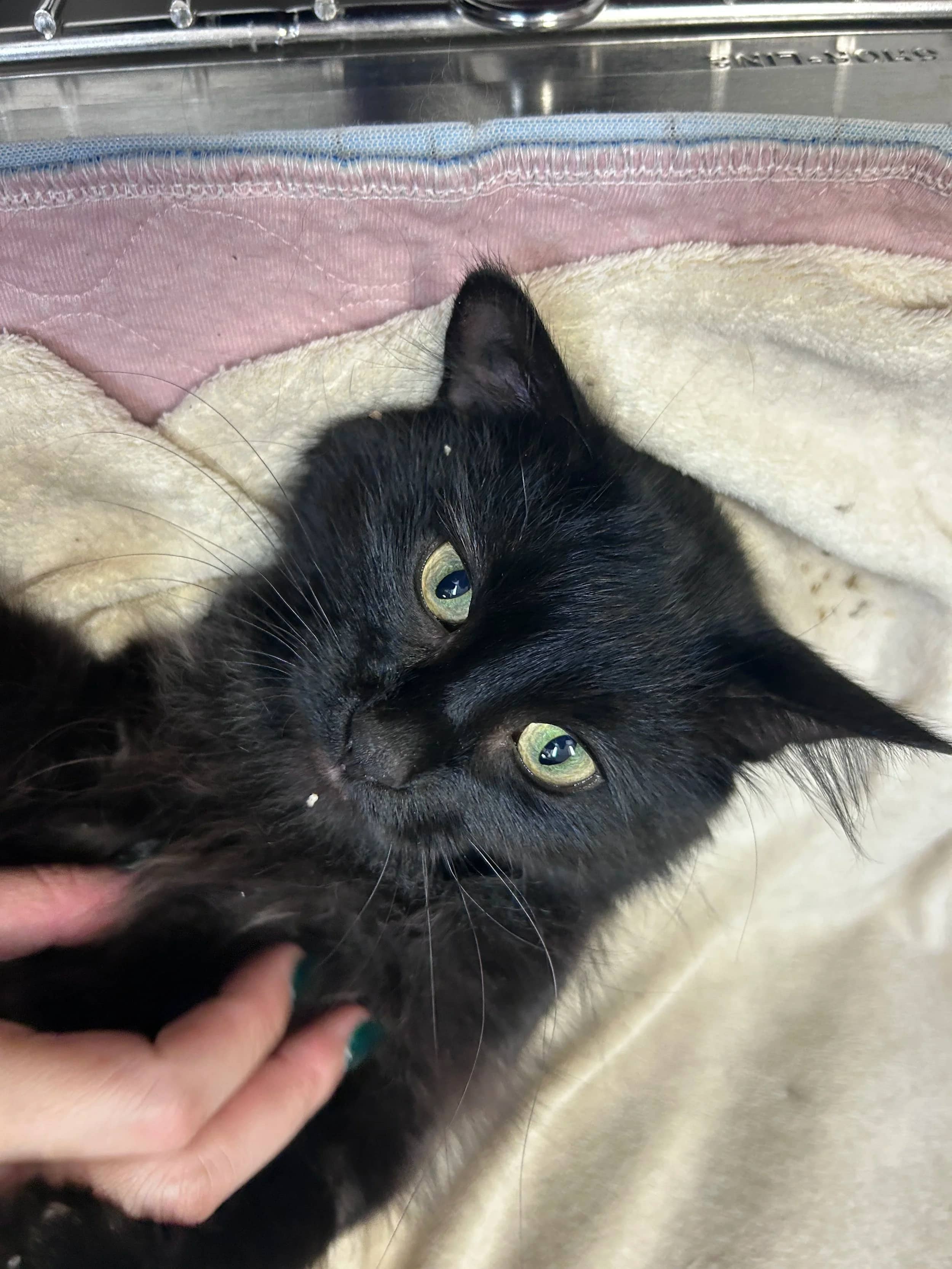
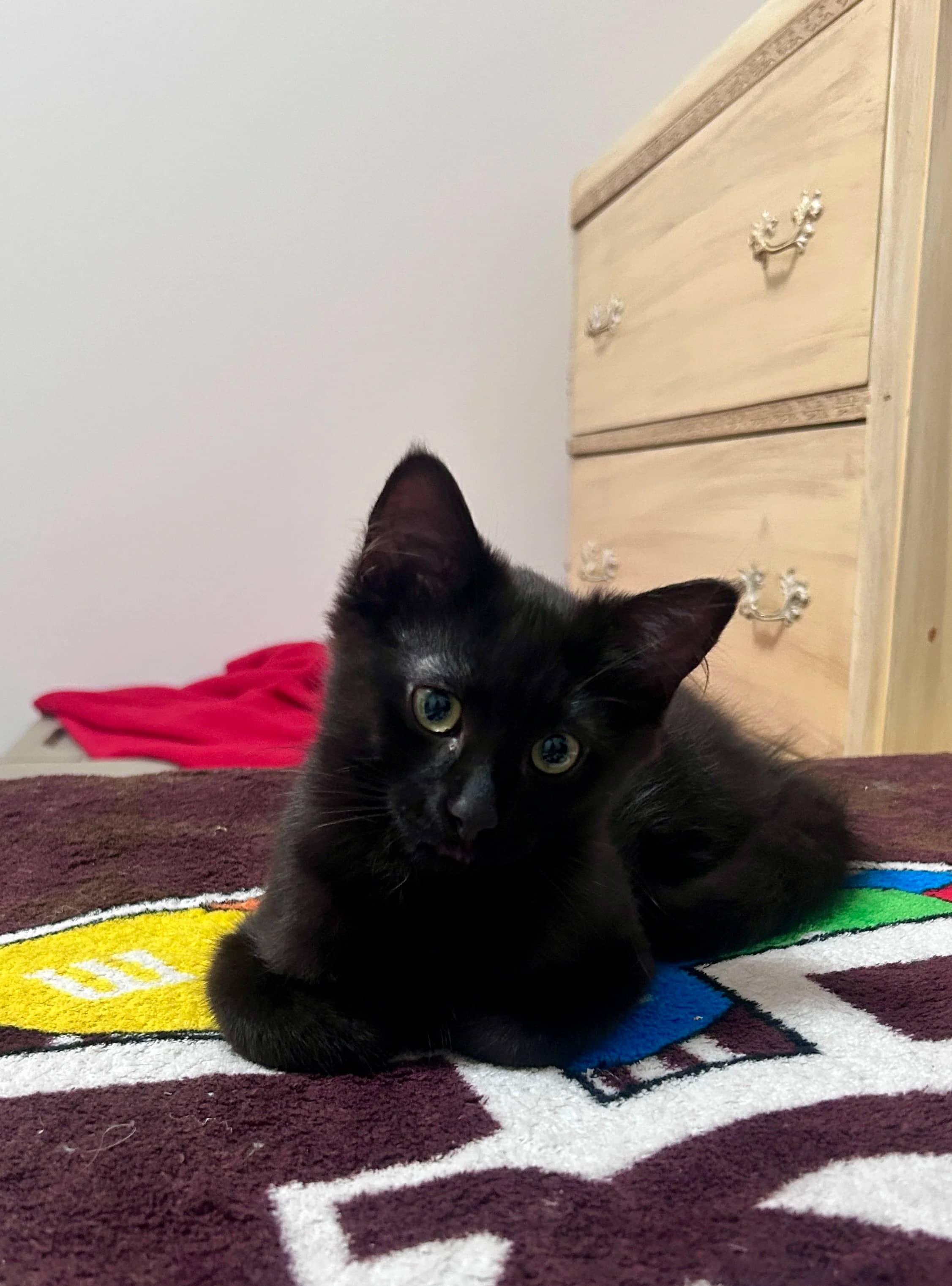
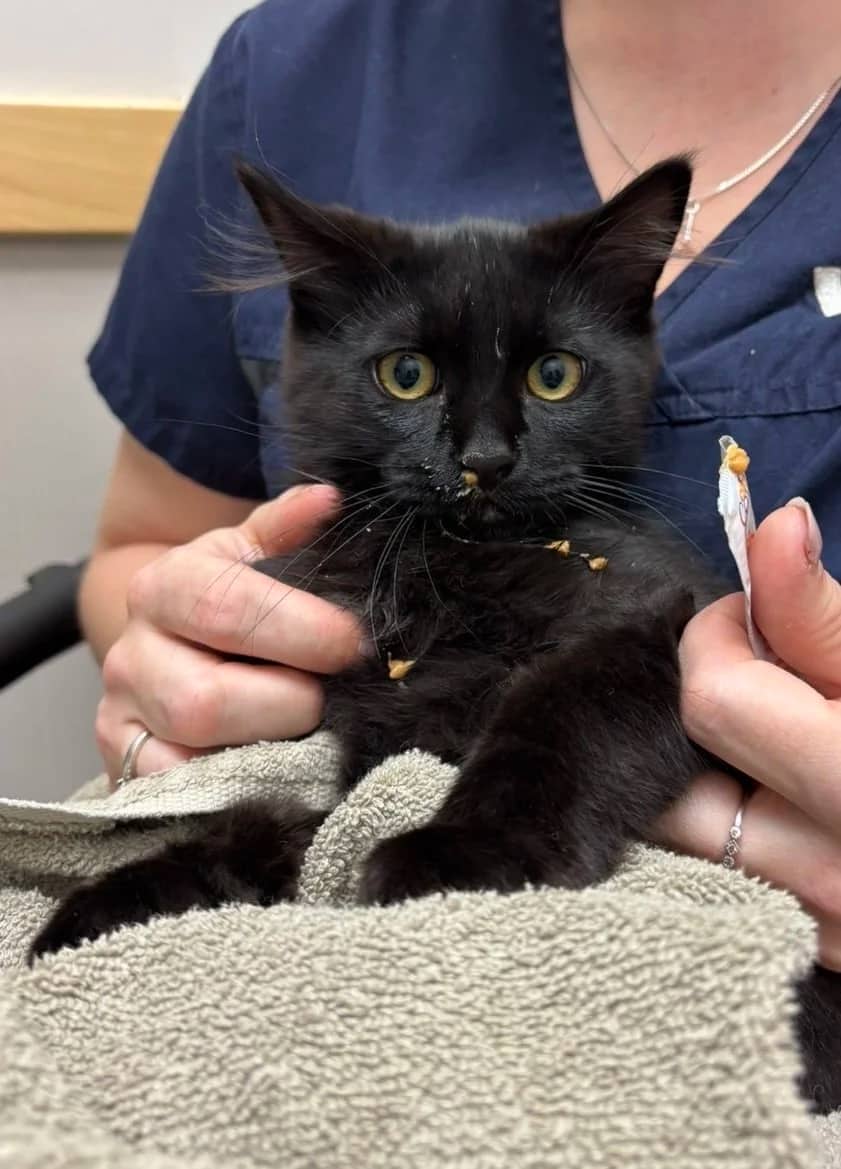
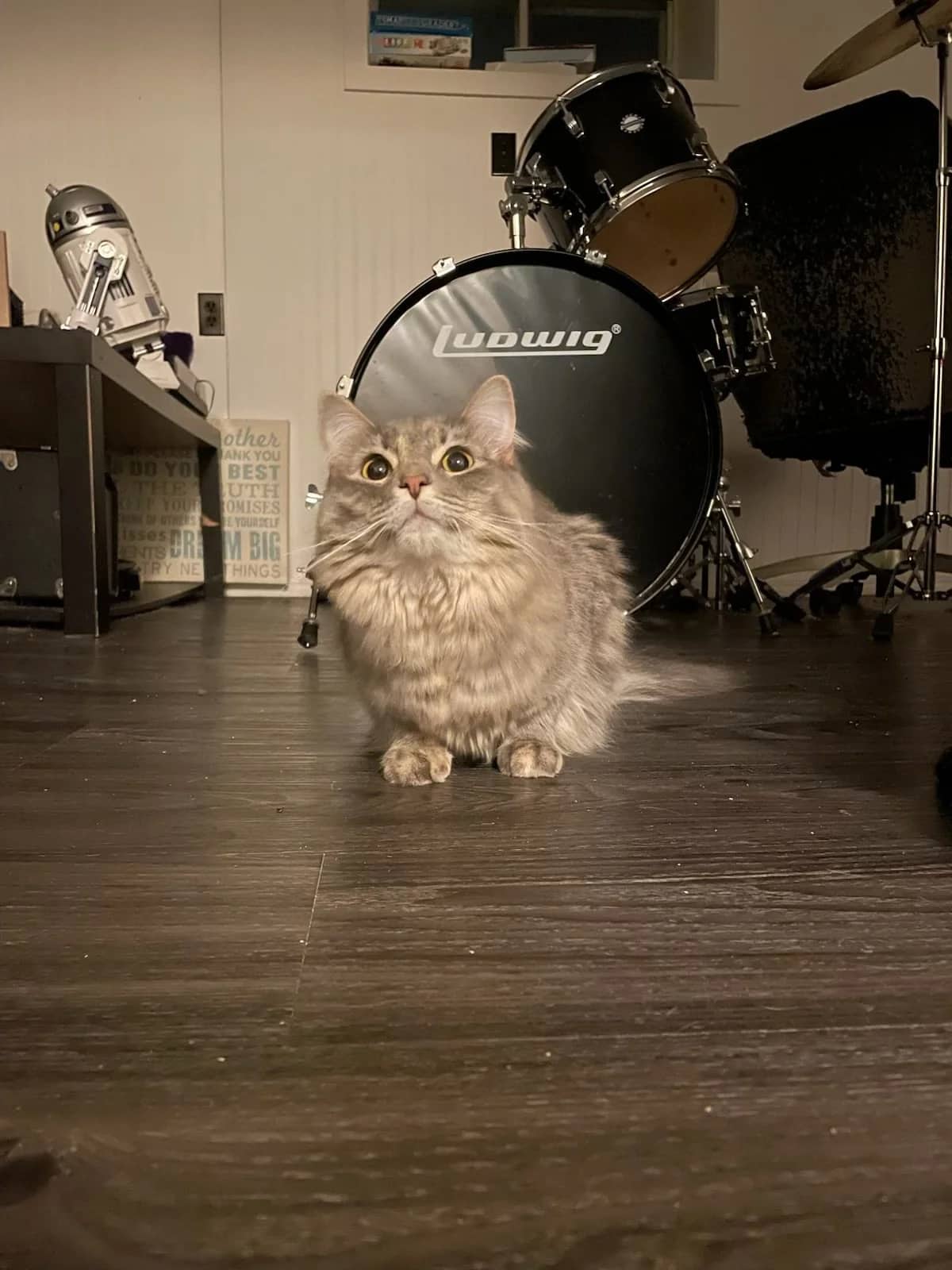
Domestic Longhairs in Saskatoon, right now
We're currently tracking 5 adoptable Domestic Longhairs in central Saskatchewan, listed by 1 rescue including SCAT Street Cat Rescue Program. Listings update regularly, and most Domestic Longhairs in Saskatoon get adopted within days of being posted — if one catches your eye, reach out fast.
Adopting a domestic longhair in Saskatchewan
The domestic longhair, or DLH, is the longhaired counterpart to the domestic shorthair: any mixed-ancestry cat with a medium-to-long coat that is not a specific pedigreed breed. SK rescues see DLH cats regularly at Saskatoon SPCA, SCAT Street Cat Rescue, SOS Prairie Rescue, Regina Humane Society, and Regina Cat Rescue. Many of these cats have Maine Coon, Persian, or Norwegian Forest ancestry mixed in, which is why DLH inventory often includes large, fluffy cats with laid-back temperaments.
This page lists every adoptable DLH across the SK rescues we cover, refreshed regularly. For adopters who want the look of a longhaired pedigreed cat without the breeder price tag, the DLH is the obvious choice.
Why DLH cats are often the smartest longhaired adoption choice
Mixed ancestry generally produces healthier cats than concentrated pedigreed breeding. A DLH cat with Maine Coon or Norwegian Forest in its background often has the size and personality adopters love about those breeds, without the same elevated rates of hypertrophic cardiomyopathy or polycystic kidney disease. Most DLH cats reach 14 to 18 years with routine care, similar to DSH life expectancy.
Adoption fees for DLH cats are the same standard rescue range as DSH, often half or less of what a Maine Coon or Persian costs at a breeder. The visual and temperament appeal of a longhaired cat is the same.
Coat care in a dry prairie winter
Longhaired cats need more grooming than shorthaired cats, and Saskatchewan winter heating makes the coat care harder. January and February indoor humidity in Saskatoon and Regina commonly drops to 15 to 25 percent, which dries skin and increases shedding and matting. Brush a DLH twice a week through winter, run a humidifier in the main living space, and watch for mats behind the ears, under the armpits, and on the belly.
A senior or recently surrendered DLH may need extra grooming help in the first month while it settles. Most rescue fosters can tell you how the cat tolerates brushing.
What DLH cats are actually like to live with
A domestic longhair is the long-coat alternative to a breeder cat. The things to plan for:
- Brush twice a week. More in spring shedding and prairie winter dry season.
- Many show Maine Coon or Persian ancestry. Look for the size, fluff, and laid-back temperament.
- Genetically more robust than concentrated pedigree breeds, usually.
- Coat picks up burrs, dust, and litter. Indoor cleanliness matters more than for a shorthair.
- Longhaired tabby, tuxedo, calico, and tortie patterns all show up regularly.
- Indoor only. The long coat picks up snow, road salt, and dirt that no rescue wants tracked in.
- Long-lived. Most DLH cats reach 14 to 18 years with routine care.
What the fee usually covers
DLH adoption fees at SK rescues sit in the standard rescue cat range, similar to DSH. The fee covers spay or neuter, core vaccinations, microchip, deworming, and a vet check. Confirm the exact figure on the cat's own listing.
Looking more broadly? Browse every adoptable cat across the province on Cat Adoption Saskatchewan.
The rescues that most often list Domestic Longhairs across Saskatchewan are Saskatoon SPCA, SCAT Street Cat Rescue, Regina Humane Society, and Regina Cat Rescue. For breed-specific background, the Canadian Cat Association is a useful reference.
Domestic Longhair adoption in other Saskatchewan cities
Domestic Longhair Adoption FAQ — Saskatoon
How many Domestic Longhairs are available for adoption in Saskatoon?
As of October 2026, 5 Domestic Longhairs are available for adoption in Saskatoon across 1 rescue on LocalPetFinder. Listings update regularly as cats are adopted and new ones arrive — browse the current Domestic Longhairs above and apply directly through the rescue.
Where can I find domestic longhair adoption near me in Saskatchewan?
Domestic longhairs are common in SK rescue. Saskatoon SPCA, SCAT Street Cat Rescue, SOS Prairie Rescue, Regina Humane Society, and Regina Cat Rescue all see them regularly. This page lists what is currently available across the SK rescues we cover.
Is domestic longhair a breed?
Not formally. It is a label for any mixed-ancestry longhaired cat without a specific pedigree. Many DLH cats have Maine Coon, Persian, or Norwegian Forest ancestry mixed in, which is where the size and laid-back temperament often come from. The mixed ancestry usually produces healthier cats than concentrated breeding.
How much grooming does a domestic longhair need?
Twice-weekly brushing in normal weather, more in spring shedding season and through Saskatchewan winter when indoor humidity drops. Watch for mats behind the ears, under the armpits, and on the belly. A humidifier in the main living space helps with the dry indoor air problem.
Are domestic longhairs healthier than pedigreed longhaired breeds?
Usually yes. Mixed ancestry reduces the concentration of breed-specific inherited conditions like hypertrophic cardiomyopathy and polycystic kidney disease. A DLH with Maine Coon ancestry often has the breed's look and temperament without the same elevated rates of the worst breed-specific health concerns.
How much does it cost to adopt a domestic longhair in Saskatchewan?
DLH adoption fees sit in the standard rescue cat range, similar to DSH. The fee covers spay or neuter, vaccinations, microchip, deworming, and a vet check. Confirm the exact fee on the cat's listing.
Are domestic longhairs good with kids?
Many are, but it depends on the individual cat. The wide range of DLH temperament means an adopter can usually find a great match for a family. Read the foster notes for each cat to find out how it has been with children, other pets, and household traffic.
Are these Domestic Longhair cats for sale in Saskatoon?
Not for sale, for adoption, which is usually the better deal. Every Domestic Longhair here comes from a Saskatoon rescue or shelter, not a breeder, pet store, or classified seller. Adoption fees are typically $100 to $350, with kittens at $175 to $400 and already include vaccinations, deworming, microchip and spay or neuter when age-appropriate, versus roughly well over $1,000 to buy a Domestic Longhair from a breeder. If you searched "domestic longhair for sale saskatoon" or "domestic longhair kittens for sale," adopting gets you a healthy, vetted cat for a fraction of the price.
Where can I buy a Domestic Longhair in Saskatoon, and should I?
You can buy from a registered breeder, but it is worth weighing against adoption first. A reputable Domestic Longhair breeder typically charges well over $1,000 and often has a waitlist, while a rescue Domestic Longhair costs $100 to $350, with kittens at $175 to $400 fully vetted and may be available now. Be cautious of cheap domestic longhair-for-sale ads on classified sites and marketplaces, which are frequently backyard breeders or kitten-mill resellers with unvetted, sometimes sick animals and no health guarantee. If you do buy, insist on seeing where the kittens were raised and getting vet records. For most families in Saskatoon, adopting a rescue Domestic Longhair is cheaper, faster, and gives a cat in need a home.
Are there free Domestic Longhair cats in Saskatoon, or domestic longhairs under $500?
Adoption is the closest honest answer, and it is not free. A rescue Domestic Longhair in Saskatoon typically costs $100 to $350, with kittens at $175 to $400, which is comfortably under the "$500" people search for. What the fee buys is work already done, the vaccinations, deworming, microchip and spay or neuter, which would cost more than the fee itself if you arranged it yourself, and it is still far below breeder prices. Be wary of genuinely free domestic longhair listings. An animal advertised free to a good home has usually not been vetted, and free rehoming ads are the route flippers and unregistered breeders use to move animals with no health guarantee and no recourse. Paying a rescue fee buys you a cat someone has already examined, treated, and been honest with you about.
Are there Domestic Longhair kittens in Saskatoon, or only adults?
Both, but adults far outnumber kittens, and it is worth knowing that before you start looking. Most Domestic Longhairs arriving in Saskatoon rescue are adolescents and adults, because that is the age at which first homes tend to give up. Kittens do come through, usually as accidental litters or with a surrendered mother, and they are typically spoken for quickly. Setting an alert beats refreshing the page. It is also worth asking whether you actually want one: an adult arrives with a temperament a foster has already observed and described, where a Domestic Longhair kitten is a prediction, and for this breed in particular knowing what you are getting is the more useful thing.
Where can I find a Domestic Longhair near me in Saskatoon?
Start with the listings on this page, which pull from Saskatoon rescues and shelters and are refreshed regularly, so what you see is what is genuinely available rather than a stale directory. If nothing suits today, that is normal for this breed: rescue intake is intermittent rather than steady, and a breed with none listed this week often has several next month. Setting an alert beats checking back, and it is worth widening to nearby towns, since most rescues serving Saskatoon will adopt out across a reasonable driving distance rather than only inside one municipality.
Have a cat to rehome?
Rehoming a Domestic Longhair in Saskatoon?
List your cat free. Local adopters browsing Saskatoon see owner listings first: no shelter, no fees, you choose the home.
List your pet free →Takes 3 minutes. You stay in control of who adopts.
Not seeing one yet?
Get notified when a Domestic Longhair is listed in Saskatoon
We'll email you the moment a Domestic Longhair is listed in Saskatoon on LocalPetFinder, from a rescue or an owner rehoming.
One email when there's a match. Unsubscribe anytime.
For rescues & shelters
Are you a Saskatoon-area rescue? List your adoptable cats free.
Free shelter account: your cats appear here and across LocalPetFinder, with analytics and adoption applications included.