Showing 7 dogs
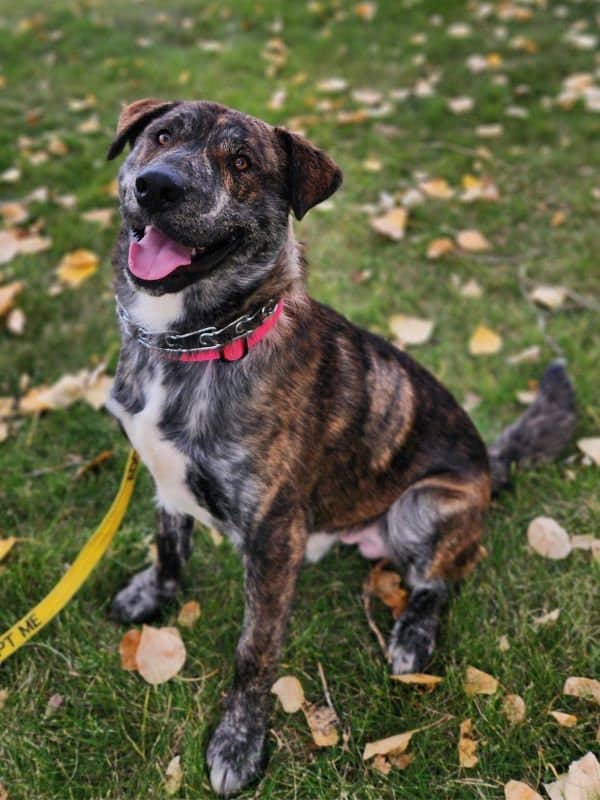
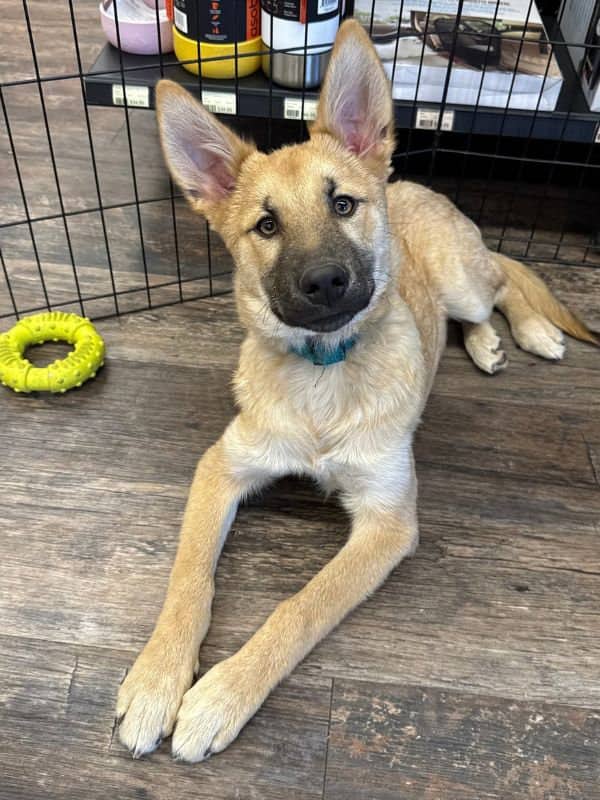
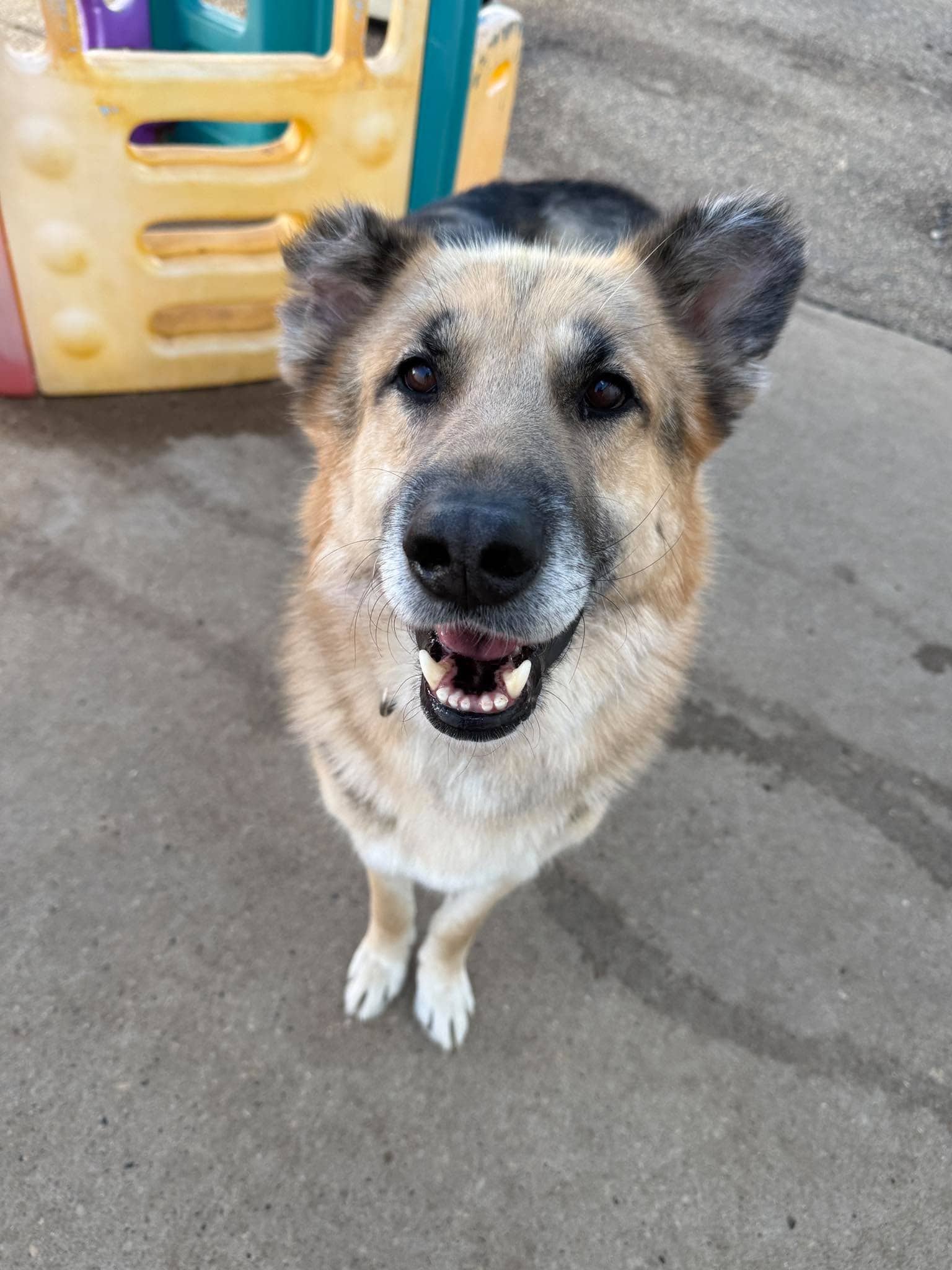
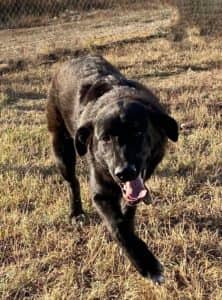
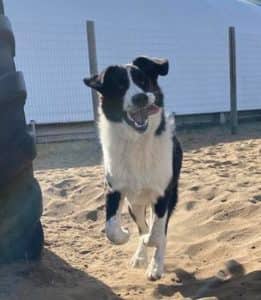
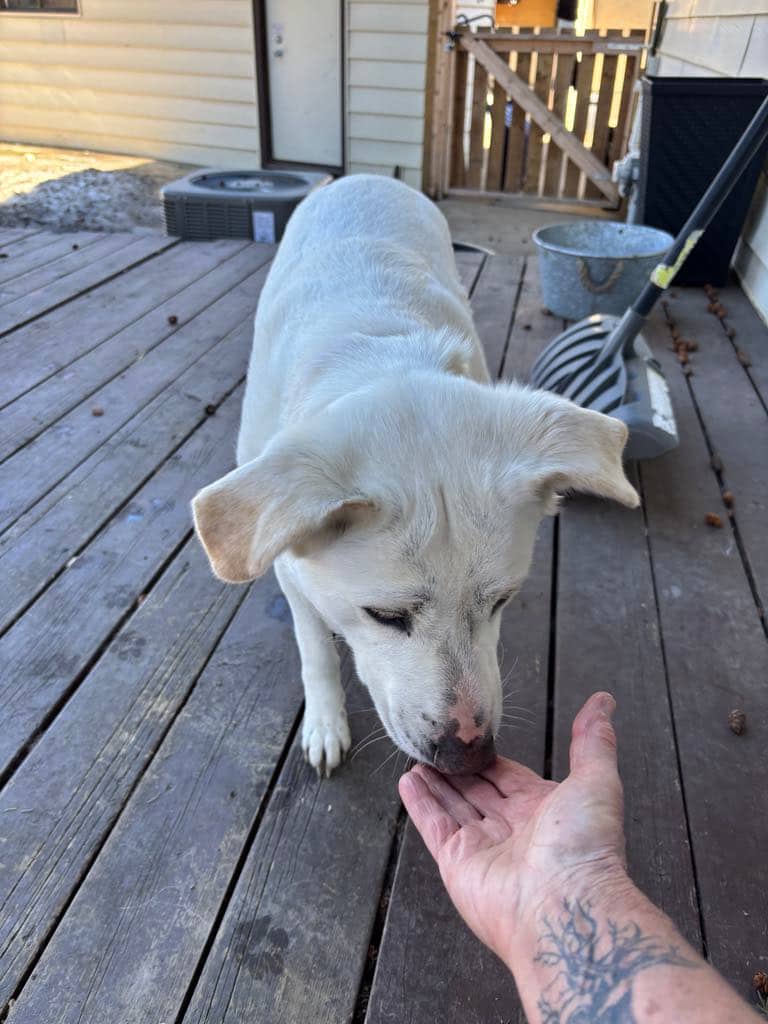
Adopting a dog into a cat household in Saskatoon is a different decision than adopting into a dog-only home. Saskatoon cats are overwhelmingly indoor-only, partly because of brutal winters that make outdoor life dangerous for half the year, partly because of coyotes that move through the Meewasin Valley and along the South Saskatchewan River, and partly because of the busy traffic on Circle Drive and the city's arterial routes. That means your cat will not be able to escape outside if the new dog turns out to be a problem. The match has to actually work indoors, full time.
Saskatoon Dog Rescue runs a foster network rather than a kennel, so many of its dogs have already lived in a real home for weeks or months, often alongside cats. The foster family knows how the dog reacts when the cat darts across the room, when the cat walks past the food bowl, when the cat naps on the couch. That is far stronger evidence than a brief kennel meet. Saskatoon SPCA also assesses dogs in care and tags cat compatibility on individual listings. The dogs you see below have been flagged as cat-friendly by at least one of these rescues, but the quality of that flag varies. Always ask how the dog was tested.
When you find a dog you like, ask the rescue specifically: how long has the dog lived with cats, what was the cat's personality (bold and confident, or hiding and skittish), and how did the dog react in the first week of cohabitation. A dog that lived with a confident adult cat for two months is a known quantity. A dog that “met a cat once at the shelter and was fine” is not. Foster history is the data you want.
Breeds that often live with cats
Many Lab and Golden mixes, calm hound mixes, mature Pit Bull mixes raised with cats, and many smaller mixes. Foster history with cats matters more than breed every time, especially with the Husky and herding mixes common in Saskatoon rescues.
Foster-evaluated cat compat
The dog has lived with a cat, not just met one. Ask how long the cohabitation lasted, what the cat's personality was, and what the first week looked like. Weeks of data beats a five-minute kennel test.
Indoor-cat households
Saskatoon cats are indoors year-round thanks to minus 40°C cold, Meewasin coyotes, and Circle Drive traffic. The dog and cat will share the same space every day, so pick for genuinely calm coexistence, not just tolerance.
Browse all Saskatoon rescue dogs
See every adoptable dog from Saskatoon-area shelters, not just the cat-friendly ones. Filter by size, age, energy level, and compatibility.
See All Saskatoon Dogs →Frequently Asked Questions
How many dogs good with cats are available for adoption in Saskatoon?
As of October 2026, 7 dogs good with cats are available for adoption in Saskatoon across 3 rescues on LocalPetFinder. Listings update regularly as pets are adopted and new ones arrive — browse them above and apply directly through the rescue.
Where can I find cat-friendly dogs for adoption near me in Saskatoon?
LocalPetFinder lists rescue dogs verified good with cats from Saskatoon-area shelters, including Saskatoon SPCA and Saskatoon Dog Rescue. Saskatoon Dog Rescue runs a foster-based program, which means many of its dogs have already lived in a real home (often one with cats) before being listed. Foster-based rescues are the most reliable source for cat compatibility because the dog has usually cohabited with a cat for weeks before adoption.
How do Saskatoon rescues verify a dog is good with cats?
The gold standard is foster-evaluated cat compatibility. The dog lives in a foster home that already has a cat, and the foster family reports on the dog's behaviour day to day: whether the dog chases, fixates, body-blocks, or simply ignores the cat. Saskatoon Dog Rescue publishes foster notes when a dog has been observed with cats. Saskatoon SPCA assesses dogs in care and tags cat compatibility on individual listings. A shelter that says “cat tested” based on a five-minute kennel introduction is much weaker evidence than weeks of cohabitation in a real home.
What breeds tend to live well with cats?
Lower-prey-drive breeds and individuals usually do best: many Lab and Golden mixes, calm hound mixes, mature Pit Bull mixes raised with cats, and many smaller breed mixes. Breeds bred to chase (Huskies, sighthounds, terriers, herding breeds with high prey drive) can also live with cats but the individual dog matters far more than the breed label. With Saskatoon's rescue intake skewing toward farm-bred herding mixes and Husky mixes, ask specifically about prey drive and cat-cohabitation history rather than relying on the breed name.
My cat is indoor-only year-round. Does that change which dog I should pick?
Yes, and it matters a lot in Saskatoon. Most Saskatoon cats are indoor-only year-round because of minus 40°C winters, coyotes that move through the Meewasin Valley along the South Saskatchewan River, and busy traffic on Circle Drive and the city's arterials. That means your dog and cat will share the same living space every single day for years. You want a dog that is genuinely calm around the cat, not just non-aggressive. Look for foster notes describing the dog ignoring the cat, lying down in the same room, and walking past the cat without fixating. A dog that "tolerates" the cat in short test sessions can struggle when sharing 1,000 square feet 24 hours a day.
What does foster-evaluated cat compatibility actually mean?
It means the dog has lived in a home with at least one cat, and the foster family observed the dog across normal daily life: feeding times, the cat walking across furniture, the cat darting away, the cat sleeping near the dog, the dog being woken up by the cat. This is far more reliable than a brief kennel introduction. Ask the rescue specifically: how long has the dog lived with cats, what was the cat's personality (bold vs hiding), and how did the dog react in the first week of cohabitation.
How should I introduce a new rescue dog to my resident cat?
Take it slow even when the dog is foster-verified. Start with the dog and cat completely separated, behind a closed door, for the first day or two so the cat can smell the dog without seeing it. Then introduce visual contact through a baby gate, with the dog leashed and rewarded for ignoring the cat. Only allow free interaction once the dog is calmly ignoring the cat through the gate for several days. Give the cat vertical escape routes (cat trees, shelves) and feed the cat somewhere the dog cannot reach. Expect three to six weeks before things feel normal.
What warning signs mean a dog is not safe with cats?
Hard staring at the cat, freezing or stiffening, lunging at the end of the leash, lip-licking with fixed eyes, refusing to look away from the cat when called, or any attempt to chase. A relaxed body, soft eyes, a willingness to break attention when you call the dog's name, and lying down in the cat's presence are good signs. Predatory drift (a calm dog suddenly chasing a running cat) is real, especially with sighthound, husky, and terrier mixes, so never leave a new dog unsupervised with cats during the first months.
What if the rescue lists the dog as "untested with cats"?
It usually means the foster home did not have a cat to test with, not that the dog is dangerous around cats. Many of these dogs will integrate fine with the right introduction. Ask the rescue if they can do a controlled slow introduction at your home, or if a foster swap to a cat household is possible before adoption. If you have an indoor cat that cannot escape outside (which is most Saskatoon cats, given the Meewasin coyotes and Circle Drive traffic), a foster-evaluated cat-friendly dog is the lower-risk choice.
Are these cat-friendly dogs for sale in Saskatoon?
Not for sale, for adoption, and for most people that is the better deal. Every dog listed here comes from a Saskatoon-area rescue or shelter rather than a breeder, pet store or classified seller. The adoption fee is typically a few hundred dollars and already covers spay or neuter, vaccinations, deworming and a microchip, which on their own would usually cost more than the fee. If you searched "cat-friendly dogs for sale saskatoon", this is the same search done a cheaper way, with a dog someone has already examined and can tell you about.
Where can I buy a cat-friendly dog in Saskatoon, and should I?
You can buy from a registered breeder, and it is worth pricing against adoption before you do. A breeder puppy generally runs well into four figures and often comes with a waitlist, while a rescue dog costs a few hundred dollars fully vetted and may be available this week. The listings to be careful with are the cheap ones on classified sites and marketplaces, which are frequently backyard breeders or puppy-mill resellers moving unvetted animals with no health guarantee. If you do buy, insist on seeing where the litter was raised and getting vet records.
Are there free cat-friendly dogs in Saskatoon, or cat-friendly dogs under $500?
Adoption is the closest honest answer and it is not free. A rescue dog in Saskatoon usually costs a few hundred dollars. The fee already covers medical work worth considerably more. Genuinely free listings deserve suspicion: a dog advertised free to a good home has usually not been vetted, and free rehoming ads are the route flippers and unregistered breeders use to move animals with no recourse for the buyer. Reduced-fee events, sponsored long-stay dogs and senior discounts are the legitimate ways the price comes down.
Are there cat-friendly puppies in Saskatoon, or mostly adults?
Both, but adults outnumber puppies and it is worth knowing that before you start. Most dogs arriving in Saskatoon rescue are adolescents and adults, because that is the stage at which first homes tend to give up. Puppies do come through, usually as accidental litters or with a surrendered mother, and they are typically spoken for quickly, so an alert beats refreshing the page. It is also worth asking whether you want one: an adult arrives with a temperament a foster has already lived with and can describe, where a puppy is a prediction.
Where can I find cat-friendly dogs near me in Saskatoon?
Start with the listings on this page, which pull from Saskatoon rescues and shelters and refresh regularly, so what you see is genuinely available rather than a directory that went stale months ago. If nothing suits today, check back or set an alert, because cat-friendly dogs in particular move fast and the list turns over. It is also worth widening slightly beyond the city, since most rescues serving Saskatoon will adopt across a reasonable driving distance rather than only within municipal limits.