How many Siamese are available for adoption in Calgary?▼
As of October 2026, Siamese are rare in Calgary rescue — only 1 is listed right now across 1 rescue on LocalPetFinder. They tend to get adopted fast, so setting an alert is the most reliable way to find one.
Are Siamese cats really that loud?▼
Yes, Siamese cats are the most vocal of any breed. They have a distinctive raspy, demanding meow and use it freely to communicate hunger, boredom, affection, and strong opinions. If you want a quiet cat, Siamese is the wrong choice. If you want constant conversation, you will love them.
Are Siamese good for first-time cat owners?▼
Yes, Siamese are excellent for first-time owners who want an interactive, dog-like cat experience. They are easy to train, love to play fetch, and walk on a leash. Just commit to giving them adequate attention. They do not do well as solo cats in empty houses.
Do Siamese get along with other pets?▼
Most Siamese do well with other Siamese or active cat breeds. They can be jealous of other cats receiving attention from their favourite human. They typically tolerate dogs, especially if raised together. Always do slow, supervised introductions.
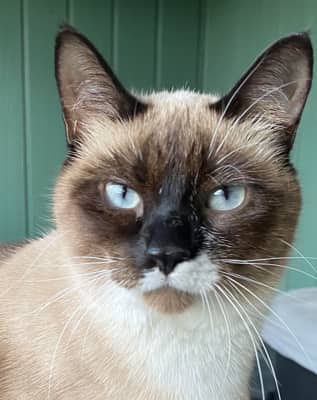
Why do Siamese cats have crossed eyes?▼
The crossed-eye appearance was historically common but has been bred out of most modern Siamese due to associated vision problems. You may still see slight crossed eyes in older or atypical individuals. It is not painful for the cat and rarely affects daily life.
How much does it cost to adopt a Siamese in Calgary?▼
Adopting a Siamese in Calgary typically costs $100 to $350, and kittens usually carry a premium at $175 to $400. The exact fee varies by rescue, and older cats are often reduced. That fee is not a purchase price. It covers work already done on the cat: spay or neuter, vaccinations, deworming, microchip, and a basic vet workup, which would cost several hundred dollars more if you arranged it yourself after buying. Buying the same breed from a registered breeder generally runs well over $1,000, usually with a waitlist. Ask the rescue what is included before you apply, since a few include extras like a starter bag of food or a first-month insurance trial.
Are these Siamese cats for sale in Calgary?▼
Not for sale, for adoption, which is usually the better deal. Every Siamese here comes from a Calgary rescue or shelter, not a breeder, pet store, or classified seller. Adoption fees are typically $100 to $350, with kittens at $175 to $400 and already include vaccinations, deworming, microchip and spay or neuter when age-appropriate, versus roughly well over $1,000 to buy a Siamese from a breeder. If you searched "siamese for sale calgary" or "siamese kittens for sale," adopting gets you a healthy, vetted cat for a fraction of the price.
Where can I buy a Siamese in Calgary, and should I?▼
You can buy from a registered breeder, but it is worth weighing against adoption first. A reputable Siamese breeder typically charges well over $1,000 and often has a waitlist, while a rescue Siamese costs $100 to $350, with kittens at $175 to $400 fully vetted and may be available now. Be cautious of cheap siamese-for-sale ads on classified sites and marketplaces, which are frequently backyard breeders or kitten-mill resellers with unvetted, sometimes sick animals and no health guarantee. If you do buy, insist on seeing where the kittens were raised and getting vet records. For most families in Calgary, adopting a rescue Siamese is cheaper, faster, and gives a cat in need a home.
Are there free Siamese cats in Calgary, or siamese under $500?▼
Adoption is the closest honest answer, and it is not free. A rescue Siamese in Calgary typically costs $100 to $350, with kittens at $175 to $400, which is comfortably under the "$500" people search for. What the fee buys is work already done, the vaccinations, deworming, microchip and spay or neuter, which would cost more than the fee itself if you arranged it yourself, and it is still far below breeder prices. Be wary of genuinely free siamese listings. An animal advertised free to a good home has usually not been vetted, and free rehoming ads are the route flippers and unregistered breeders use to move animals with no health guarantee and no recourse. Paying a rescue fee buys you a cat someone has already examined, treated, and been honest with you about.
Are there Siamese kittens in Calgary, or only adults?▼
Both, but adults far outnumber kittens, and it is worth knowing that before you start looking. Most Siamese arriving in Calgary rescue are adolescents and adults, because that is the age at which first homes tend to give up. Kittens do come through, usually as accidental litters or with a surrendered mother, and they are typically spoken for quickly. Setting an alert beats refreshing the page. It is also worth asking whether you actually want one: an adult arrives with a temperament a foster has already observed and described, where a Siamese kitten is a prediction, and for this breed in particular knowing what you are getting is the more useful thing.
Where can I find a Siamese near me in Calgary?▼
Start with the listings on this page, which pull from Calgary rescues and shelters and are refreshed regularly, so what you see is what is genuinely available rather than a stale directory. If nothing suits today, that is normal for this breed: rescue intake is intermittent rather than steady, and a breed with none listed this week often has several next month. Setting an alert beats checking back, and it is worth widening to nearby towns, since most rescues serving Calgary will adopt out across a reasonable driving distance rather than only inside one municipality.