Showing 27 cats
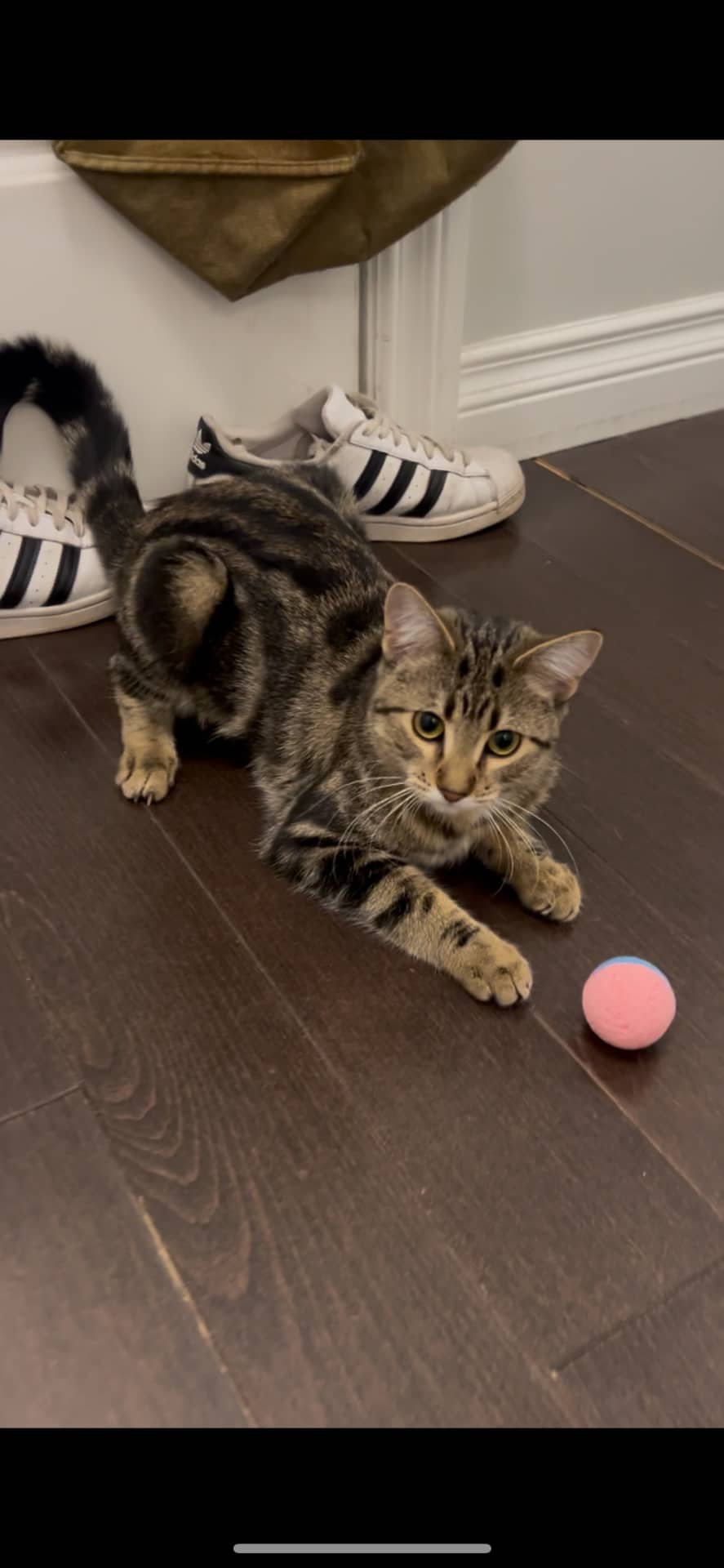
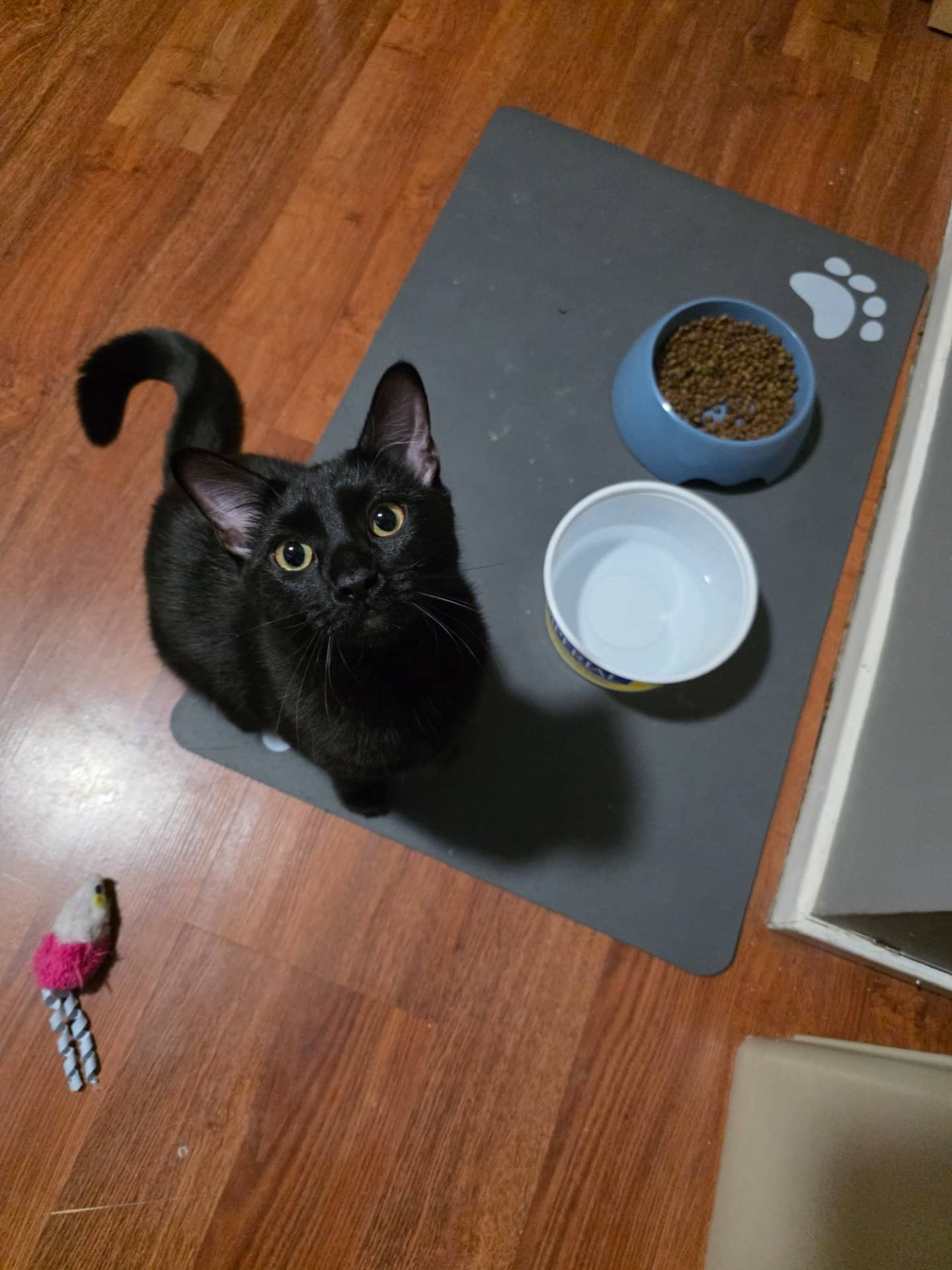
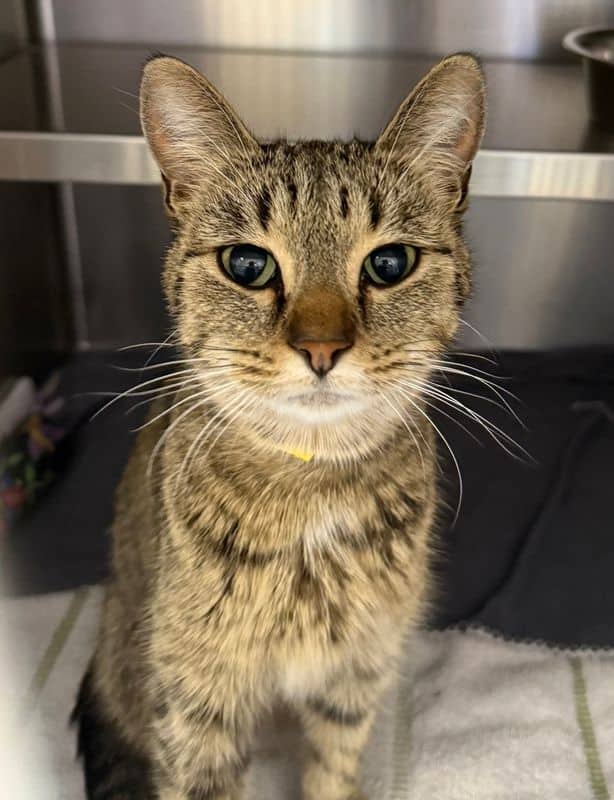
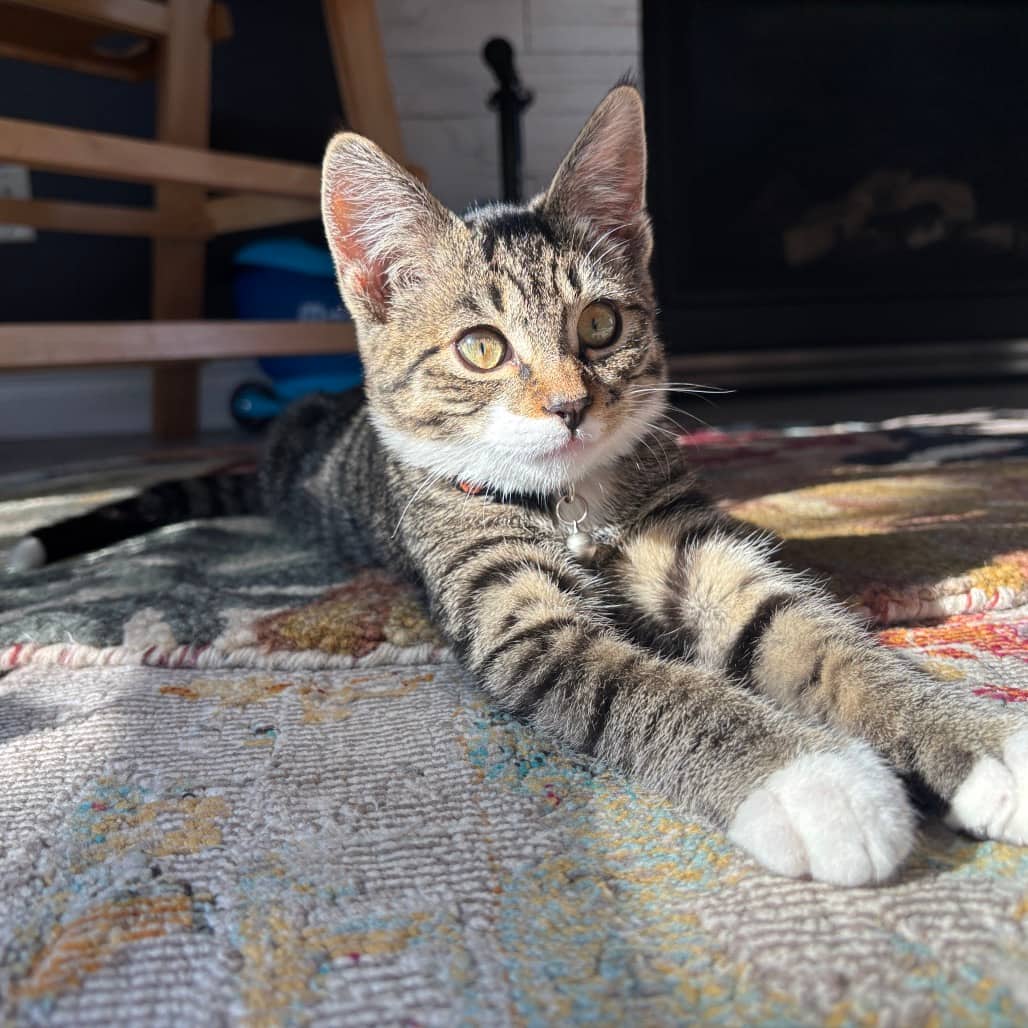
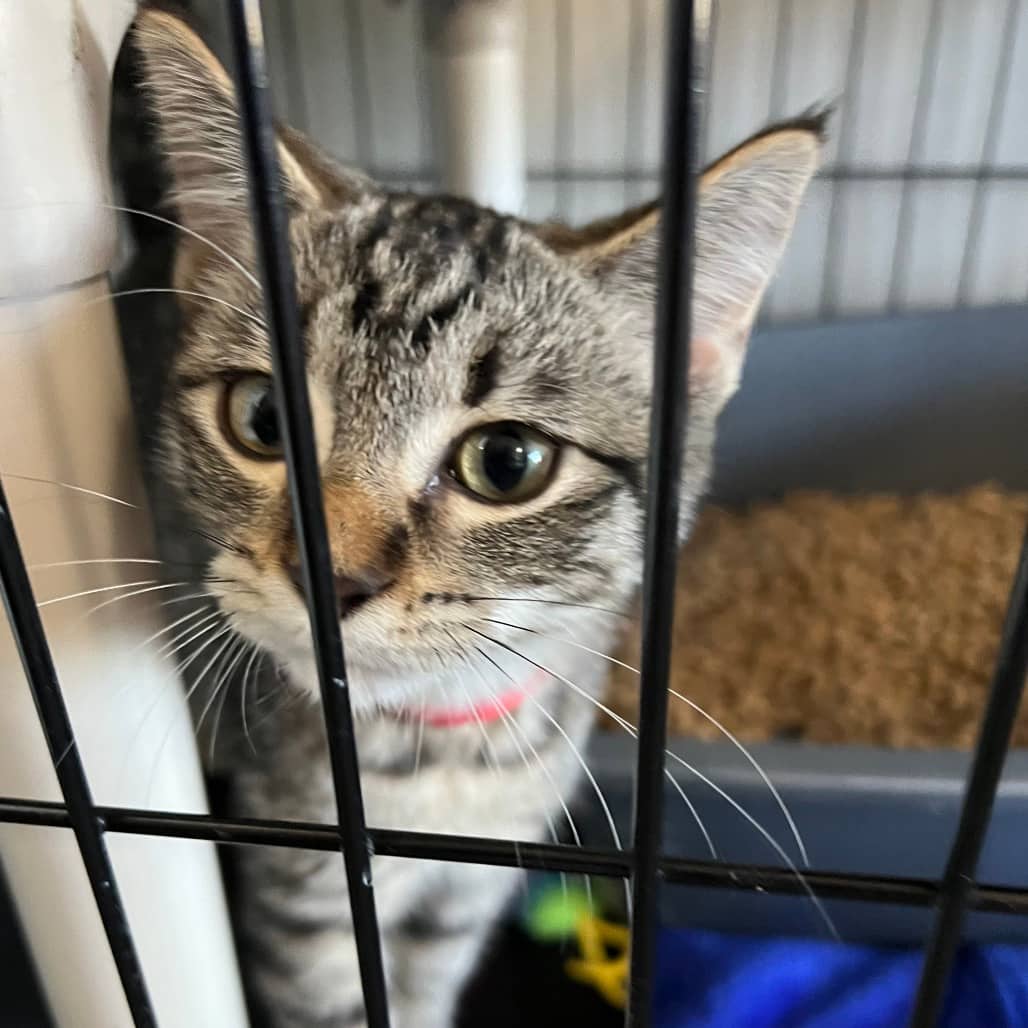
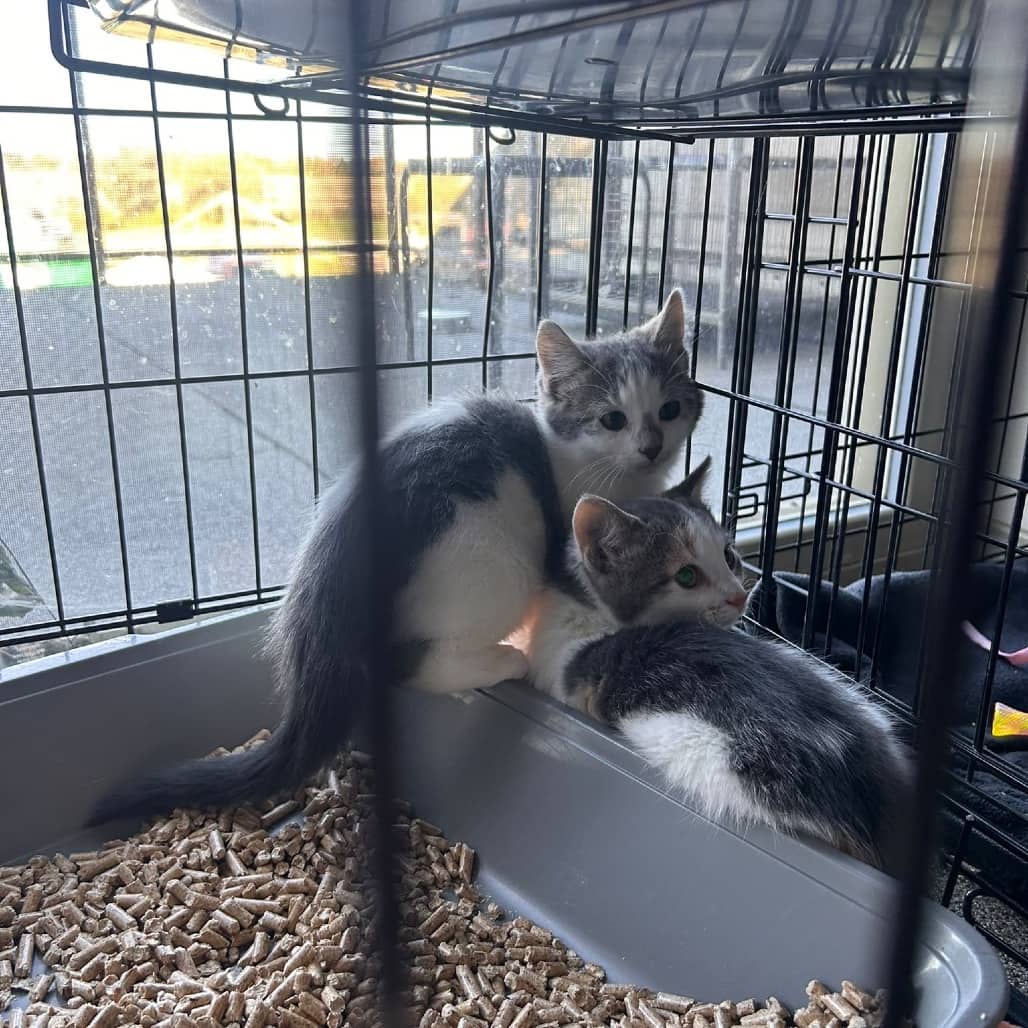
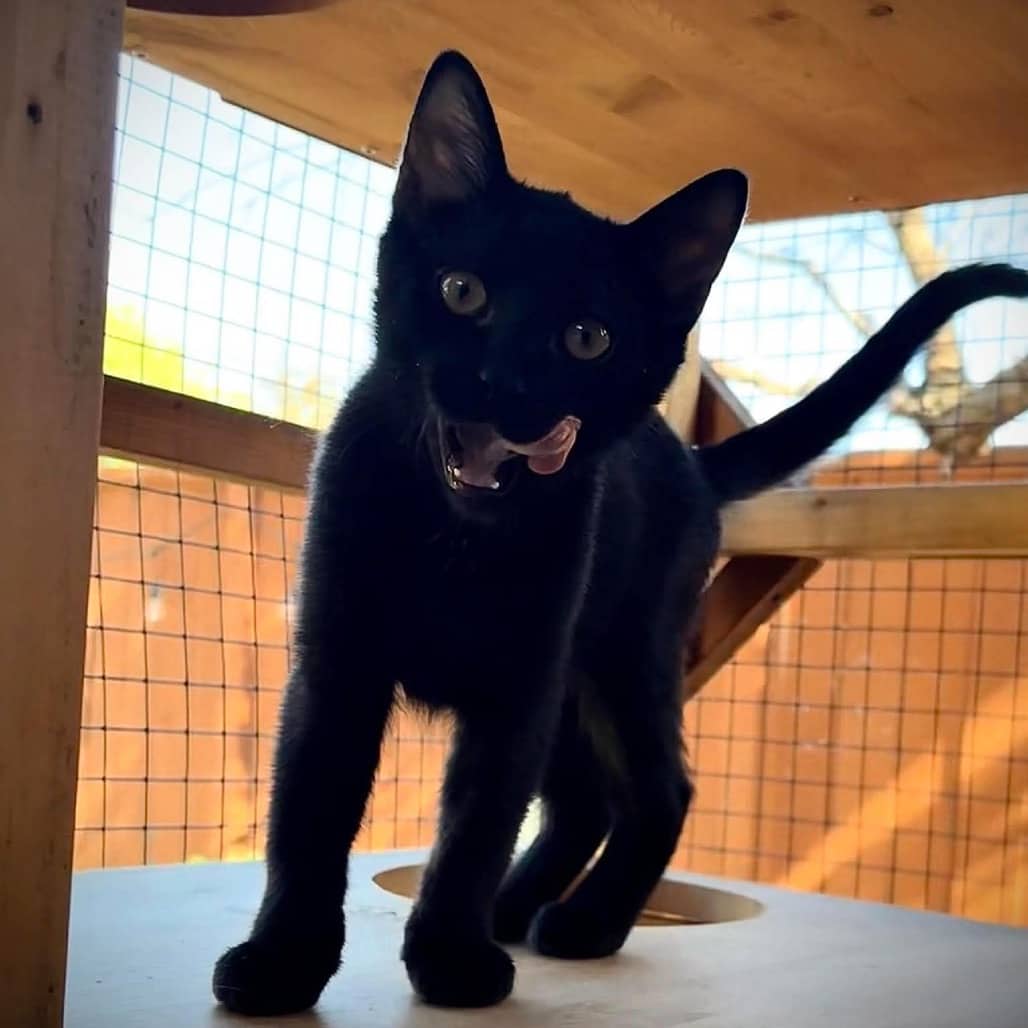
Kitten adoption in Edmonton moves fast. Most kittens are listed and adopted within days, especially from late spring through early fall when prairie kitten season peaks. The cats listed here are typically under 12 months old, sourced from the Edmonton Humane Society, Zoe's Animal Rescue, AARCS Edmonton-area foster homes, and other Alberta cat rescues. Most have started vaccinations, and rescues spay or neuter before adoption whenever the kitten is old enough.
Adopting a kitten is a 15-plus year commitment. The first year alone usually involves three vet visits, a spay or neuter if not already done, and a lot of climbing, chewing, and 3 a.m. zoomies. Two kittens adopted together actually settle in faster and burn each other out, which is why several Edmonton rescues encourage pair adoption or offer reduced fees on bonded littermates.
Edmonton kitten adoption fees usually run $200 to $250, and that fee includes spay or neuter, first vaccinations, deworming, and a microchip. Listings update regularly. If you don't see one you love today, check back in a few days during kitten season — new litters come into care almost every week.
Edmonton kitten season
Prairie kitten season runs roughly May through September, with intake peaking in June and July. Outside that window, kittens are genuinely scarce in Edmonton rescues. If you want a kitten and not an adolescent or adult cat, plan your adoption around late spring or summer.
What the adoption fee covers
A $200 to $250 fee in Edmonton typically includes spay or neuter (often done before the kitten goes home), first round of vaccinations (FVRCP), deworming, a microchip registered to the adopter, and the rescue's health record. Compared to buying privately, the rescue fee usually saves you money on first-year vet costs.
Indoor-only is the Edmonton standard
Edmonton rescues require kittens to be adopted into indoor-only or supervised-outdoor (catio, leash-walked) homes. Winters routinely hit -30°C to -40°C with windchill, urban coyotes patrol the River Valley and Mill Creek Ravine year-round, and the major arterials are deadly for cats. Indoor cats also live 12 to 18 years versus 3 to 5 for outdoor cats.
Edmonton Kitten Adoption FAQ
Tap a question to expand
How many kittens are available for adoption in Edmonton?▼
Where can I find kittens for adoption near me in Edmonton?▼
How much does it cost to adopt a kitten in Edmonton?▼
Are these kittens for sale in Edmonton?▼
Can I find a free kitten in Edmonton?▼
Are kittens vaccinated when I adopt them?▼
When can a kitten go home from an Edmonton rescue?▼
Should I adopt one kitten or two in Edmonton?▼
How do I litter-train a new kitten?▼
Do Edmonton rescues require indoor-only homes for kittens?▼
Why are there so few kittens in Edmonton rescues in winter?▼
Explore more Edmonton cats
Adults, kittens, seniors, bonded pairs — everything currently available.
Cats aged 10 and up. Often the calmest, most affectionate adoptions.
Two cats adopted together. Easier than one kitten and easier than two strangers.
Cats already adjusted to indoor living — the Edmonton standard for prairie winters.