Showing 11 dogs
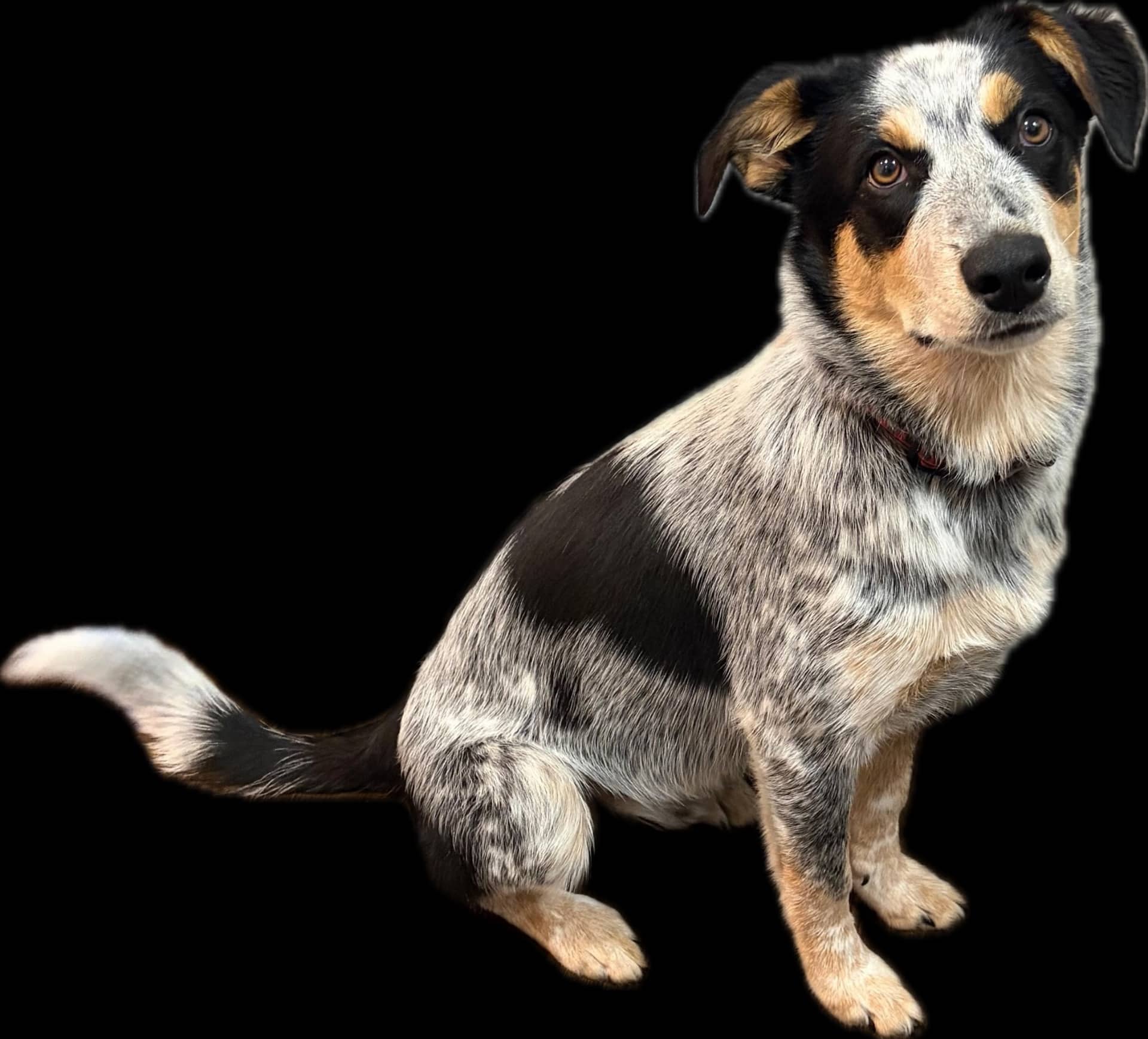
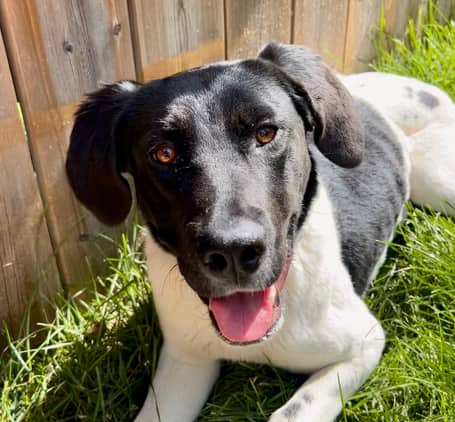
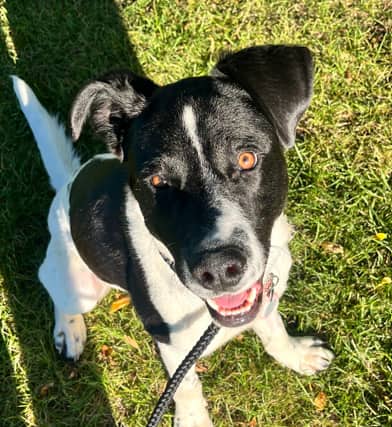
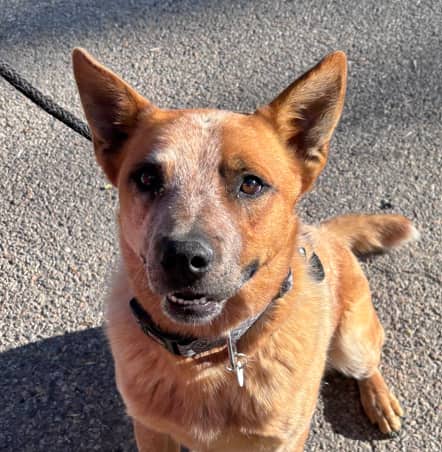
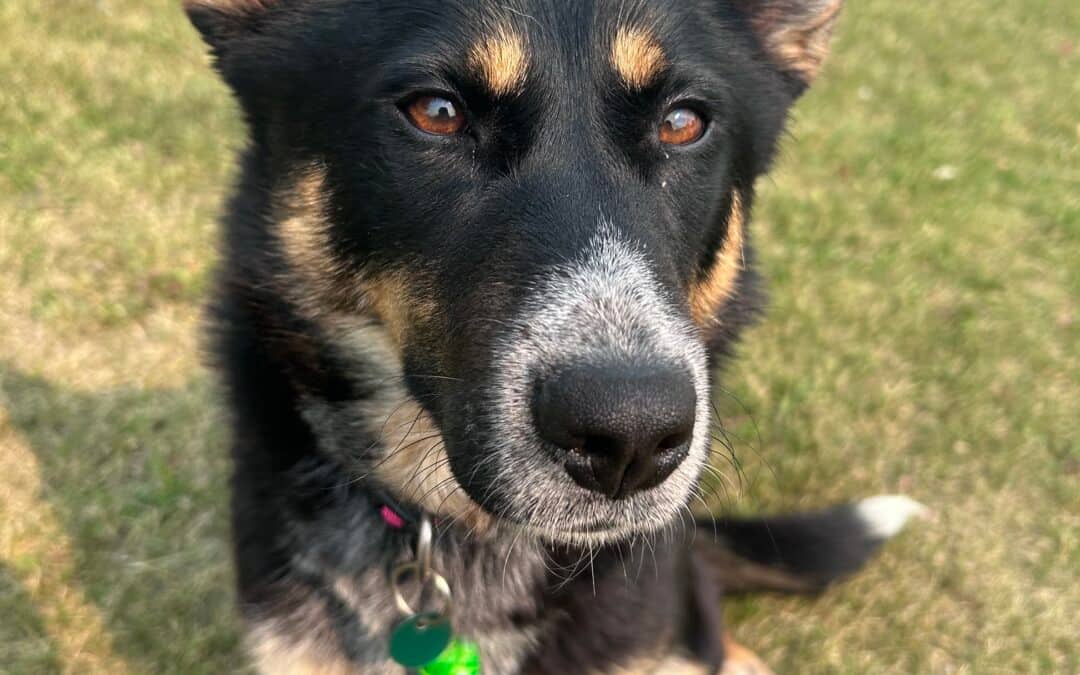
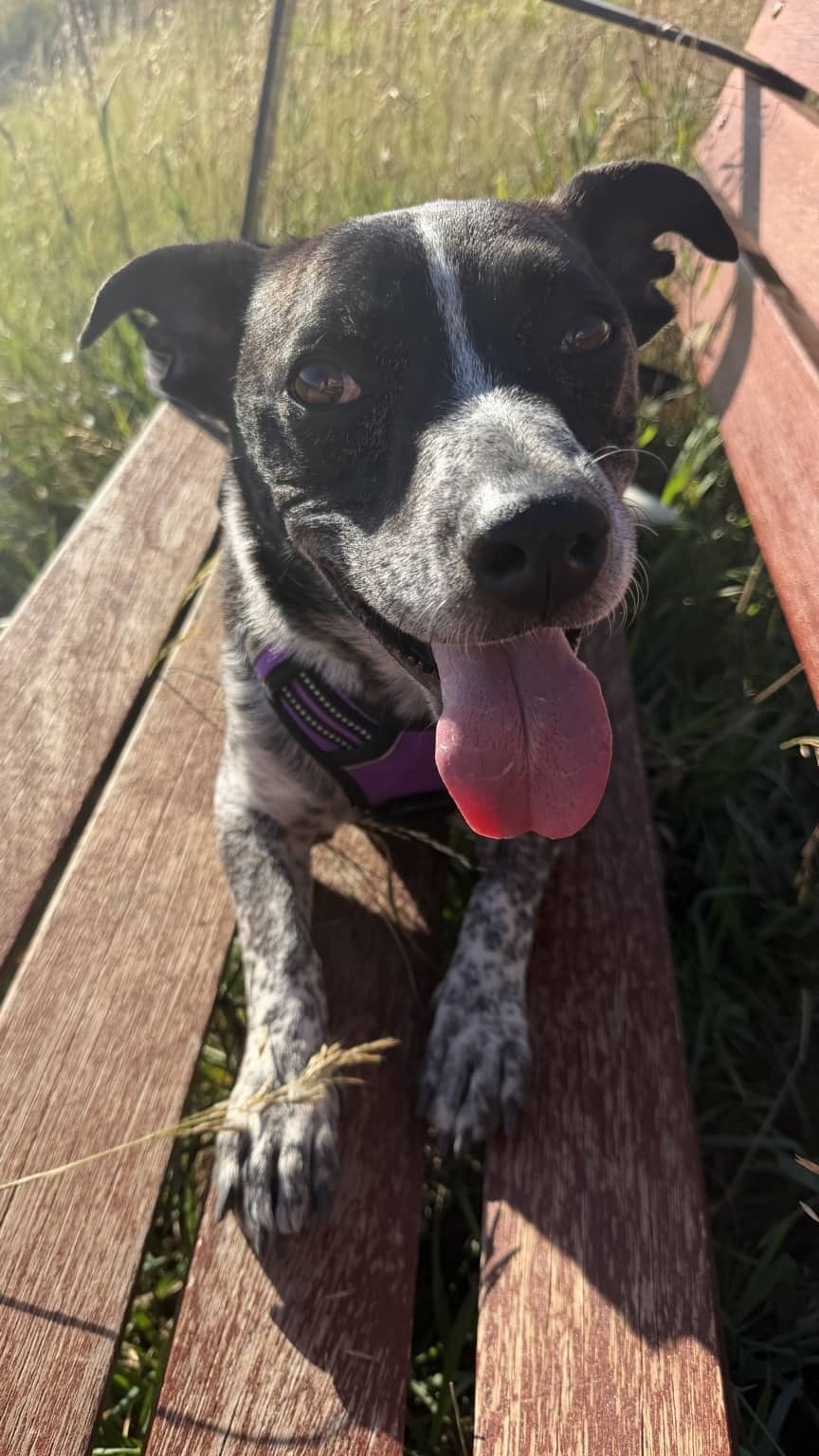
Get notified when an Australian Cattle Dog (Blue Heeler) is listed
We will email you the moment an Australian Cattle Dog (Blue Heeler) becomes available in Calgary, from a rescue or an owner rehoming.
About Australian Cattle Dog (Blue Heeler)s in Calgary
Australian Cattle Dogs — called Blue Heelers (blue speckled coat) or Red Heelers (red speckled) — are intensely athletic, intensely loyal, intensely demanding herding dogs. Same breed, two color names. Bred in 1800s Australia to drive cattle across rough country, ACDs retain extreme working drive in pet homes. They are 35-50 lb medium dogs with iconic prick ears, speckled "merle-like" coat (NOT actual merle), and fierce intelligence.
Calgary Cattle Dogs in rescues are commonly surrendered for ONE specific reason: NIPPING/BITING. Cattle Dogs were literally bred to nip cattle heels to drive them. In suburban Calgary that becomes nipping kids on bikes, joggers, cyclists, family members, and other dogs. Most surrendered Calgary ACDs are 1-4 year old young adults whose first owners didn't realize the breed comes pre-installed with heel-targeting behavior. Calgary cattle-country southern Alberta also produces a steady pipeline of retired working ranch ACDs — some excellent rescue candidates, some too working-driven for any pet home.
There is NO show-line vs working-line distinction in Cattle Dogs like there is in Aussies. Every ACD is bred from working stock. This makes the breed dramatically more intense than other herding breeds. They are NOT family pets in the casual sense — they require committed handlers, daily intense exercise + mental work, and active management of nipping/herding instincts.
All Australian Cattle Dogs and Heeler mixes listed below are sourced from 15+ Calgary-area rescues, updated regularly. Heeler mixes (Texas Heeler = ACD + Aussie, Border Heeler = ACD + Border Collie, Heeler-Lab, Heeler-Pit) are common in Calgary rescues from southern Alberta surrenders.
Australian Cattle Dog (Blue Heeler) adoption & care guides
Blue Heeler / Australian Cattle Dog Adoption Calgary (2026): Alberta Herding Dog Rescue Verification, Costs, Heeler Mixes
Where to adopt Blue Heelers, Australian Cattle Dogs, Red Heelers, Cattle Dog mixes in Calgary. Real costs ($300-$700 vs $1,200-$2,500 from a CKC breeder), "Alberta Herding Dog Rescue" clarification (no single registered org by that name), Border Collie Rescue Alberta + Aussie network overlap, retired southern Alberta cattle ranch dogs, the breed-defining nipping reality, why ACDs surrendered (#1 herding/nipping). Texas Heeler + Border Heeler + Heeler-Lab + Heeler-Pit mixes. Signal Hill SW Calgary hyperlocal angle.
Breed GuidesBlue Heeler / Australian Cattle Dog Health Issues Calgary (2026): 14% Deafness, BAER Test, CCA, PLL Eye Emergency
Cattle Dog-specific health every Calgary owner needs. Congenital hereditary deafness ~14% breed prevalence (FAR higher than most breeds : BAER test essential), Cattle Dog Cerebellar Abiotrophy / NCL (Cattle Dog-specific neurodegenerative disease), Primary Lens Luxation (PLL : emergency glaucoma), hip + elbow dysplasia, PRA-prcd progressive blindness, hereditary cataracts, the breed's exceptional longevity (12-15 typical, 16-18+ common, breed record 29 years), Calgary specialty vets, pet insurance ROI.
Breed GuidesBlue Heeler Escape Artists + Off-Leash Recall Calgary (2026): Containment, Prey Drive, Chinook Fence Damage
Calgary Cattle Dog escape + off-leash safety guide. Why ACDs are top-15 escape-artist breed (DogWatch verified). Fence-jumping + digging + door-bolting reality. Calgary chinook winds + loose-fence repair season. Urban coyote interactions. Calgary 160+ off-leash parks + Bylaw 23M2006 enforcement. Why prey-drive recall fails at squirrels/rabbits/cats. Long-line setup for Bow River pathway. Hardware that actually contains ACDs (gate latches, door knobs, fence rollers). Separation-driven escape vs prey-driven escape distinction. Calgary force-free recall trainers.
Breed GuidesBlue Heeler Dog Reactivity Calgary (2026): Female-Female Aggression, Off-Leash Park Reality, Force-Free Protocol
Calgary Cattle Dog dog-dog reactivity guide. Distinct from human-directed nipping. Why ACDs are top-reactive working breed. Female-female aggression patterns (the most intense ACD reactivity). Frustration vs fear-based reactivity distinction. Calgary 160+ off-leash parks reality : can a reactive Heeler ever go? Calgary private off-leash rentals (SniffSpot). Recovery after dog-park attack. Genetic herding-arousal vs fear-reactivity. Neutering effects on reactivity. Calgary force-free reactive-dog trainers (BAT 2.0, LAT, CARE). Engage-Disengage Game. Dog reactivity stages of recovery.
Breed GuidesBlue Heeler Nipping + Biting Management Calgary (2026): Why Cattle Dogs Nip, Daily Protocol, Calgary Bylaw Reality
The breed-defining Cattle Dog nipping/biting reality. Why ACDs nip kids on bikes/cars/joggers/heels (literally bred for it : cattle heel-driving). When nipping is normal vs aggression vs warning. Calgary bylaw + insurance consequences after a real bite. Force-free management protocol for nipping. Calgary trainers + when to escalate to behaviorist. Suburban vs acreage fit. The 1-2 year nipping-drive activation wall. Children + ACD bite-risk reality. The differentiator guide other Cattle Dog adopters duck.
Australian Cattle Dog (Blue Heeler) Adoption FAQ
Tap a question to expand
How many Australian Cattle Dog (Blue Heeler)s are available for adoption in Calgary?▼
Where can I adopt a Blue Heeler / Australian Cattle Dog in Calgary?▼
How much does a Blue Heeler cost in Calgary?▼
Why is "Blue Heeler" and "Australian Cattle Dog" the same breed?▼
What is the breed-defining nipping/biting issue?▼
How much exercise does a Cattle Dog need?▼
Are Cattle Dogs good for first-time owners or families with kids?▼
Why are Cattle Dogs called "one-person dogs"?▼
What are the most common Cattle Dog health issues?▼
Are these Australian Cattle Dog (Blue Heeler)s for sale in Calgary?▼
Where can I buy an Australian Cattle Dog (Blue Heeler) in Calgary, and should I?▼
Are there free Australian Cattle Dog (Blue Heeler)s in Calgary, or australian cattle dog (blue heeler)s under $500?▼
Are there Australian Cattle Dog (Blue Heeler) puppies in Calgary, or only adults?▼
Where can I find an Australian Cattle Dog (Blue Heeler) near me in Calgary?▼
Need to rehome a Australian Cattle Dog (Blue Heeler)?
If you can no longer keep your Australian Cattle Dog (Blue Heeler), you can list them for free on LocalPetFinder. Your dog stays in your home until you find the right family, you screen who applies, and there is no surrender fee. Not sure yet? Our guide to surrendering a dog in Canada walks through every option first.
List your dog for free →Free tools for Australian Cattle Dog (Blue Heeler) owners
How big will your Australian Cattle Dog (Blue Heeler) get?
🎂Dog Age CalculatorYour Australian Cattle Dog (Blue Heeler)'s age in human years.
🍖Dog Feeding CalculatorHow much to feed your Australian Cattle Dog (Blue Heeler).
🦮Dog Exercise CalculatorHow much exercise your Australian Cattle Dog (Blue Heeler) needs.
Need to rehome your Australian Cattle Dog (Blue Heeler)?
If you are on the other side of this page and need to find your australian cattle dog (blue heeler) a new home, we have a breed-specific guide: the rescues worth contacting first, realistic timelines, and how to screen adopters. Listing on LocalPetFinder is free.
How to rehome a Australian Cattle Dog (Blue Heeler) responsibly →Browse More Breeds
Looking beyond Calgary?
Alberta rescues transport between cities and several operate province-wide, so it is worth checking Australian Cattle Dog (Blue Heeler)s elsewhere in the province before you give up on a match in Calgary.