Showing 50 dogs
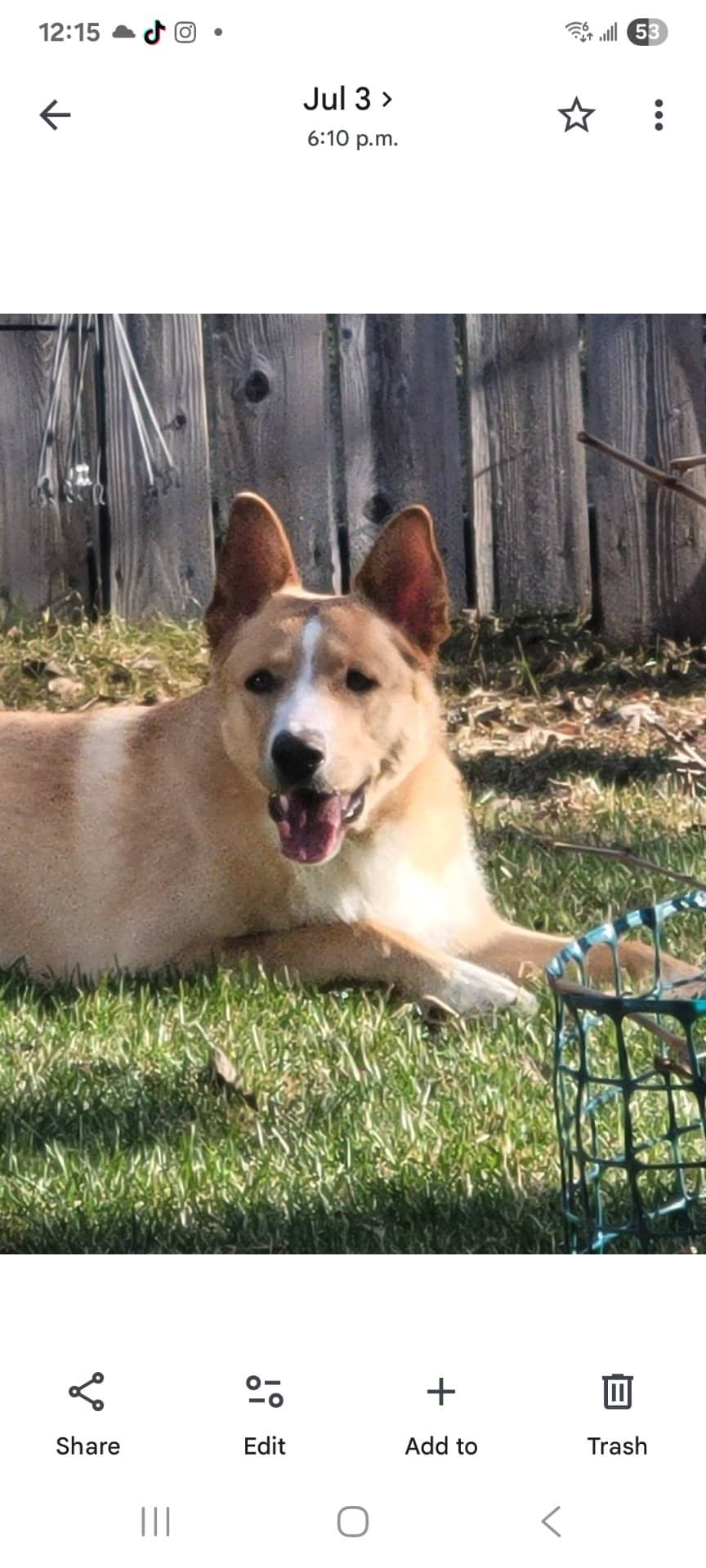
Mirrin
1 year • Mixed Breed
Owner Rehoming
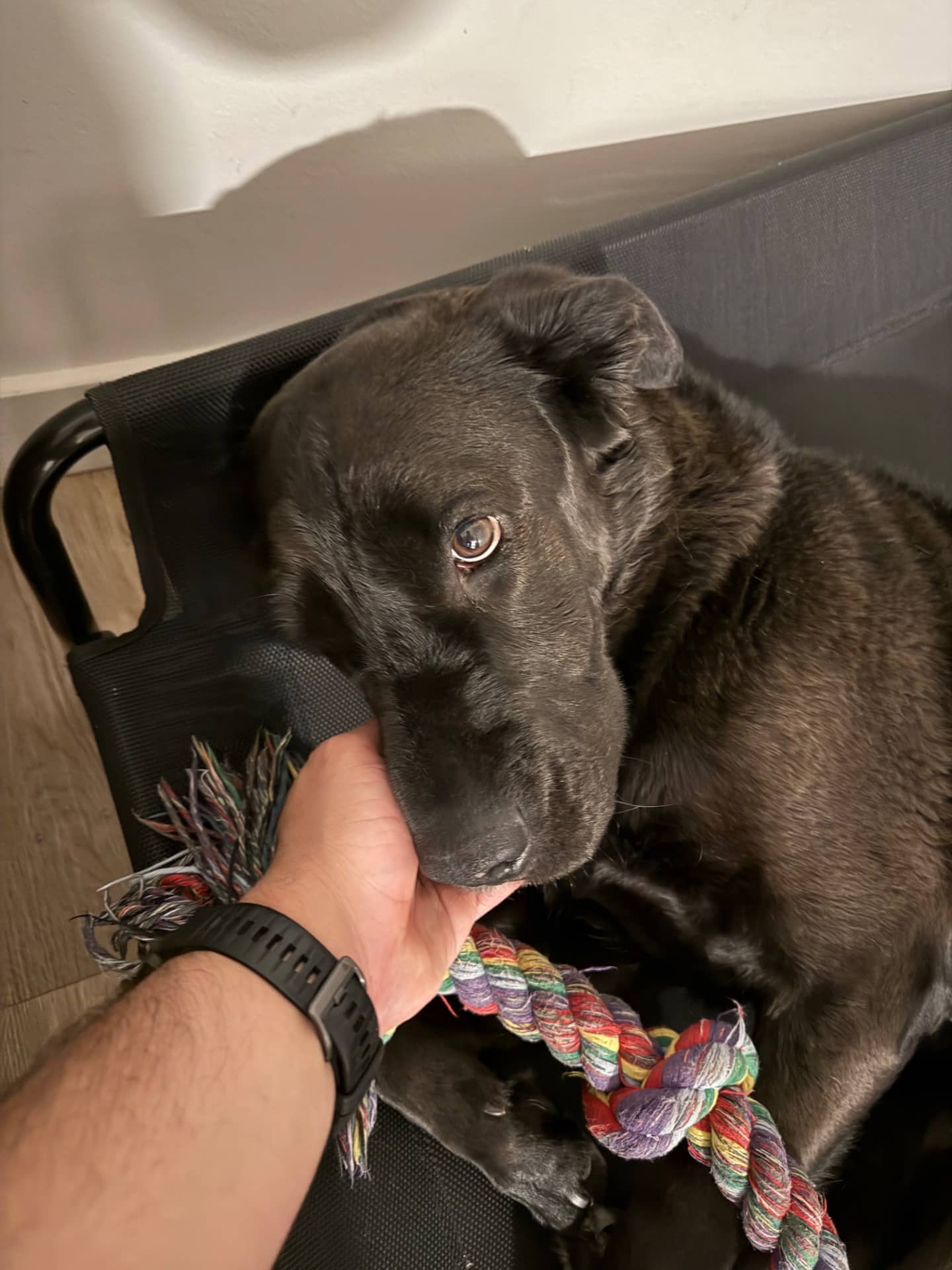
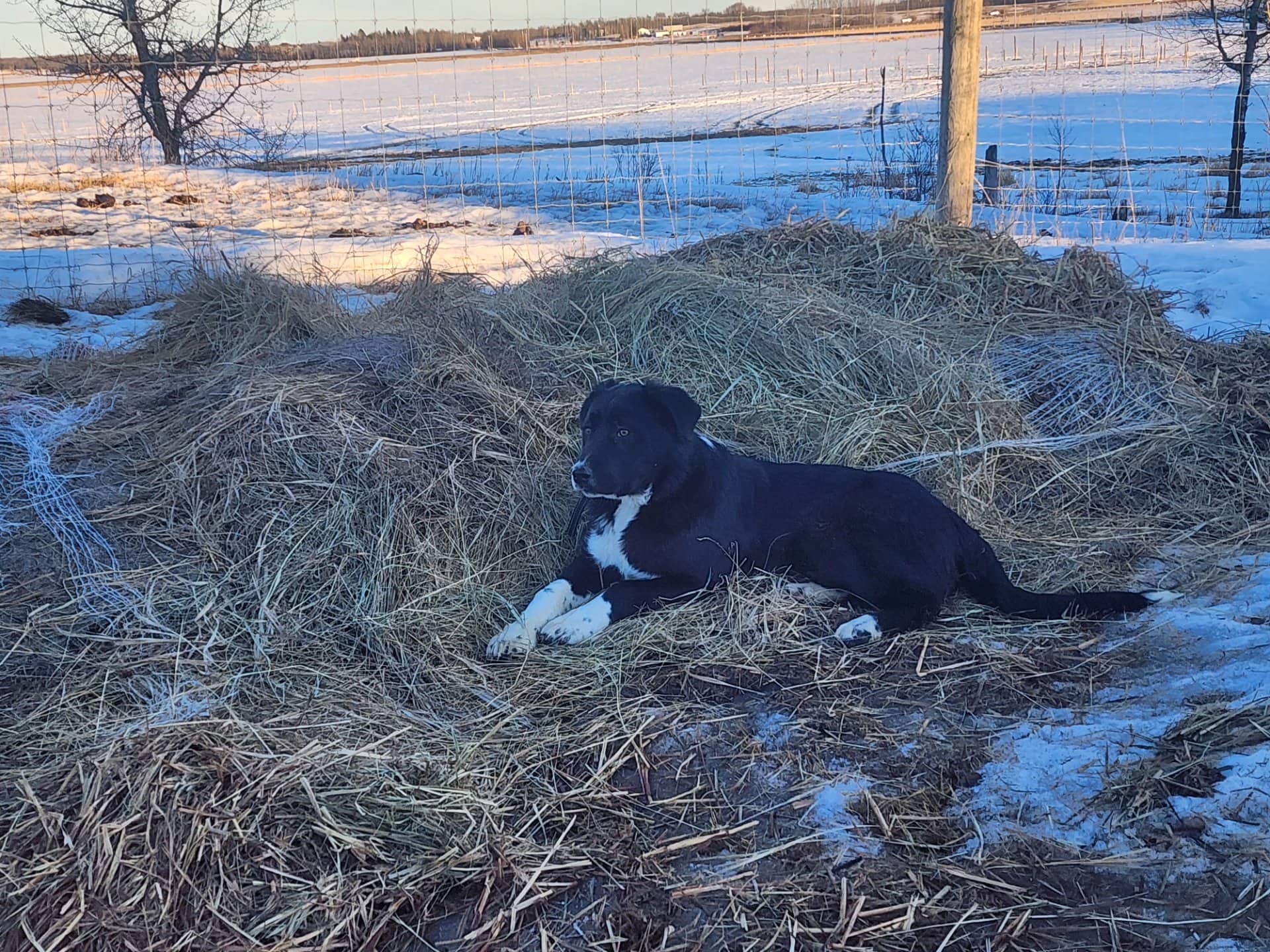
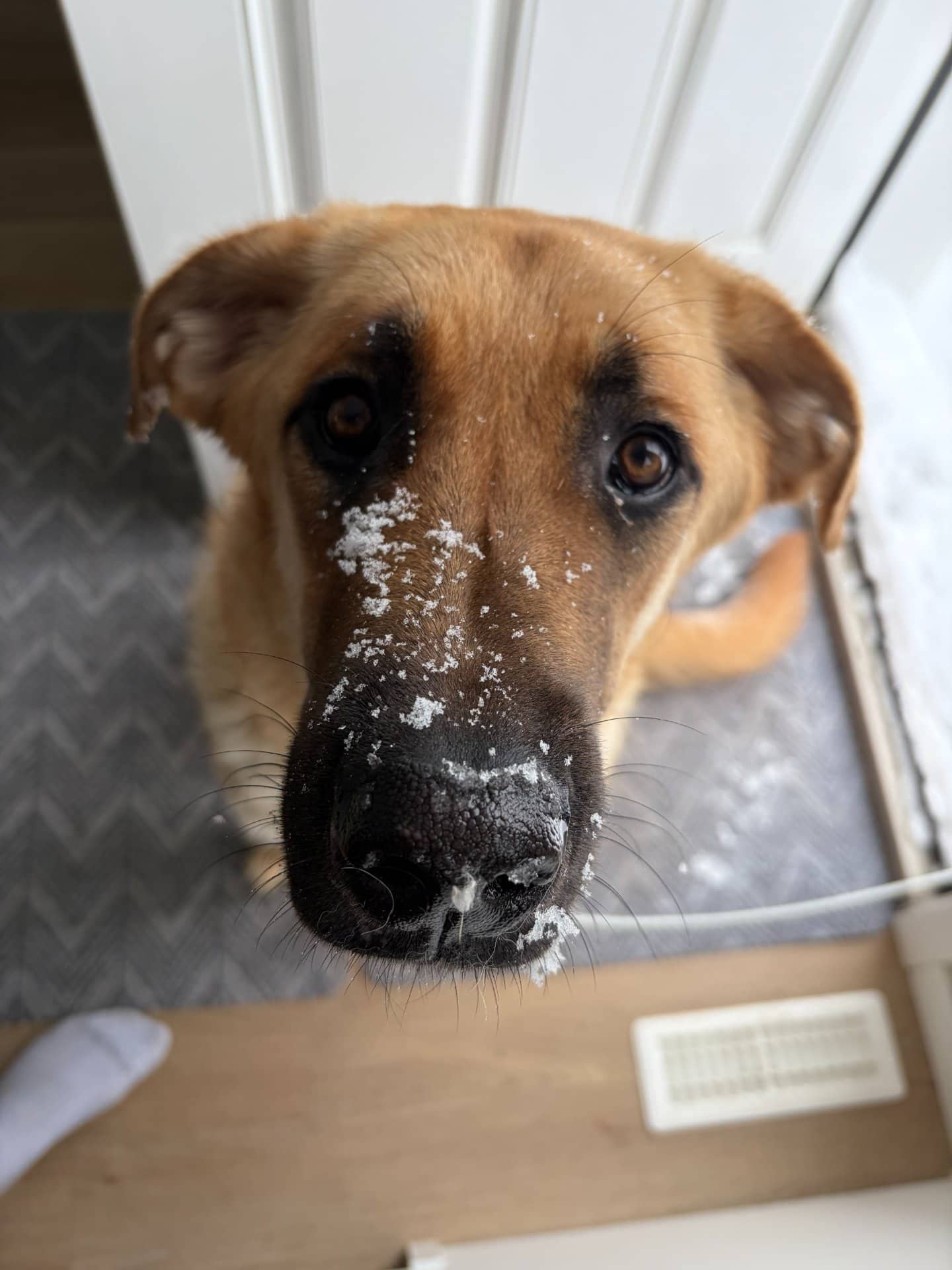
Millie
1 year • Mixed Breed
Owner Rehoming
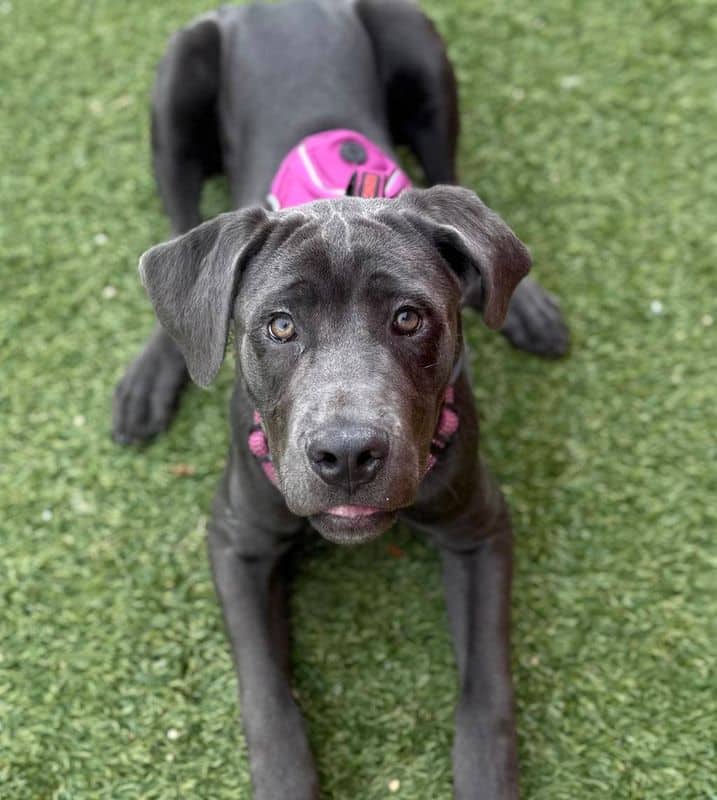
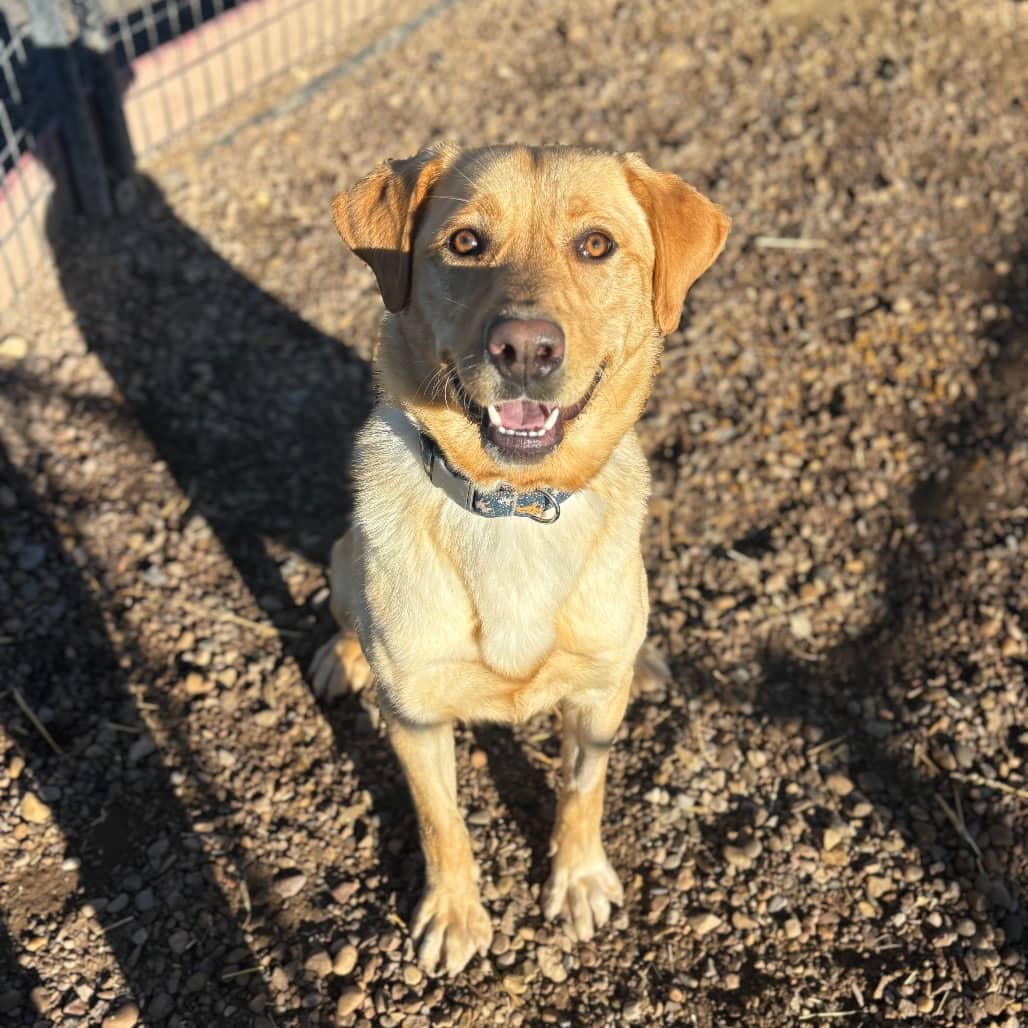
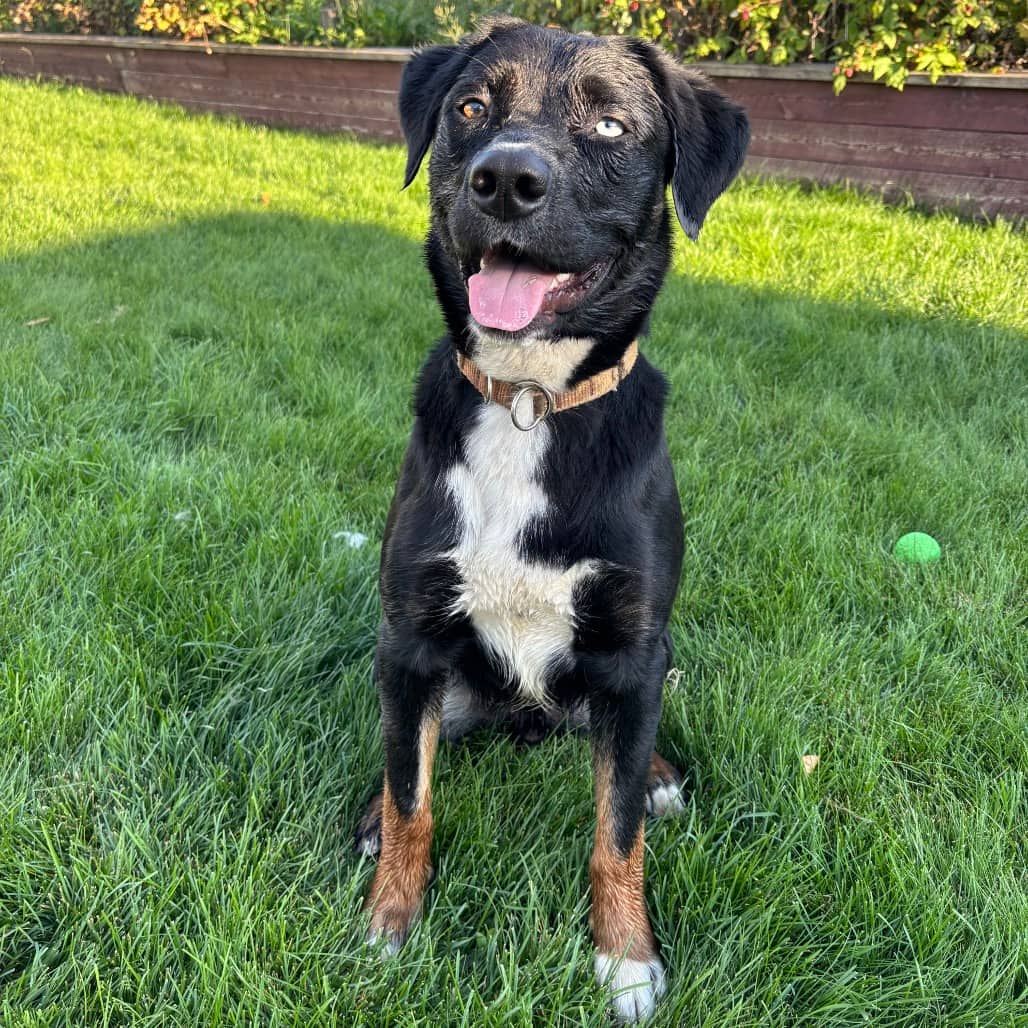
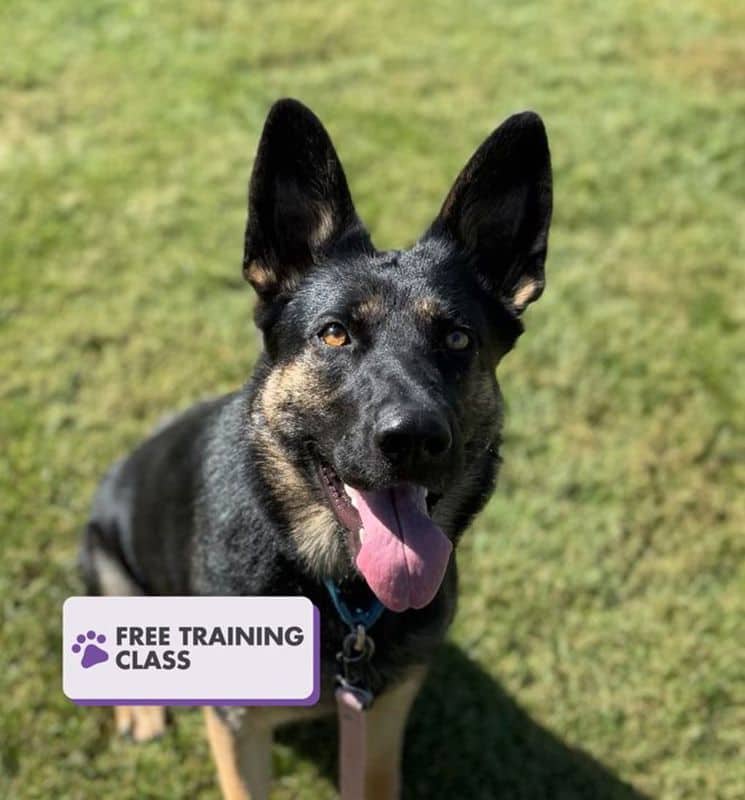
Where to find large dogs for adoption in Edmonton? LocalPetFinder lists 50 large dogs currently available from Edmonton-area rescues including Edmonton Humane Society (EHS), Zoe's Animal Rescue, SCARS (Second Chance Animal Rescue Society), GEARS, Hope Lives Here, AHHRB, and the AARCS Edmonton foster network. Coverage spans all large breeds: German Shepherds, Labrador Retrievers, Siberian Huskies, Bernese Mountain Dogs, Great Pyrenees, Rottweilers, Pit Bull mixes, and large mixed breeds. Listings update regularly. Large dogs from Edmonton rescues are typically foster-evaluated, so behaviour, energy, and kid/dog/cat compatibility are well-known before adoption.
Large dogs weighing 60 pounds or more are among the most loyal, protective, and affectionate companions you can find. Breeds like German Shepherds, Labrador Retrievers, Huskies, Bernese Mountain Dogs, and Great Pyrenees are consistently popular in Edmonton, and many end up in rescue not because of behavioural problems, but because their previous owners underestimated the space, exercise, and food costs that come with a big dog. Adopting a large breed from an Edmonton rescue gives these dogs a second chance while saving you thousands compared to purchasing from a breeder.
Edmonton is well-suited to large dog ownership. The suburban neighbourhoods of Riverbend, Terwillegar, Windermere, Summerside, Magrath Heights, Sherwood Park, St. Albert, Spruce Grove, and Stony Plain skew toward single-family homes with fenced yards, which most rescues prefer for large breeds. The North Saskatchewan River valley wraps the city with one of the largest urban park networks in North America, and off-leash zones at Mill Creek Ravine, Terwillegar Park, Hawrelak (Sir Wilfrid Laurier section), and Buena Vista give large dogs room to run year-round. Many big breeds, especially double-coated working dogs, actually prefer Edmonton's long winter over the heat of summer.
The benefits of adopting a large dog go beyond companionship. Big dogs are natural deterrents to intruders, make excellent hiking and running partners on Alberta's mountain trails, and many are gentle giants with children. They tend to have calm, steady temperaments once past the puppy stage, and their size makes them ideal cuddle buddies on cold Edmonton nights. If you have the space and the commitment, a large rescue dog could be the perfect addition to your household.
Best Large Breeds for Edmonton Winters
Edmonton winters favour thick-coated, cold-tolerant large breeds. Unlike Calgary, Edmonton gets no chinook relief: -30 to -40 degree Celsius cold can sit on the city for weeks at a time in January and February. Double-coated working breeds are not just tolerant of this; many actively thrive in it and refuse to come inside.
- Siberian Husky and Alaskan Malamute: the gold standard for Edmonton winters. Built for the Arctic. High exercise needs but unmatched cold tolerance.
- Bernese Mountain Dog: Swiss alpine breed, thick double coat, calm family temperament. One of the best giant breeds for Edmonton families.
- Great Pyrenees: heavy double coat, calm guardian temperament. Often prefers sleeping outside in winter. Common in rural Alberta intakes through SCARS.
- Newfoundland and Saint Bernard: giant cold-weather breeds. Lower exercise needs once mature. Excellent with kids.
- Samoyed and Akita: double-coated spitz breeds, well-suited to Edmonton cold. Akitas need experienced handlers.
- German Shepherd and Shepherd mixes: versatile double coat, handles Edmonton cold without issue. Most common large breed in Edmonton rescues.
- Border Collie and other herding mixes: double coat, very high exercise needs. Thrives in cold but needs a job.
Single-coated large breeds need more winter management: Greyhounds, Vizslas, Weimaraners, Boxers, Pit Bull mixes, and Dobermans should have insulated coats for any walk below 0 degrees Celsius and shorter outings below -15 degrees. Booties or paw wax help against ice melt and road salt across the entire downtown core.
Edmonton Housing Reality for Large Dogs
Most Edmonton rescues strongly prefer fenced yards and single-family homes for large breeds. Suburban neighbourhoods built for big-dog ownership include Riverbend, Terwillegar Heights, Windermere, Summerside, Magrath Heights, Magrath, Lewis Estates, Rutherford, Cavanagh, Walker, Tamarack, Ellerslie, Schonsee, and Hollick-Kenyon within Edmonton, plus Sherwood Park, St. Albert, Spruce Grove, Stony Plain, Beaumont, Fort Saskatchewan, and Leduc in surrounding municipalities. These areas typically offer detached homes with 6-foot fenced yards, which most rescues require for high-flight-risk breeds like Huskies, Malinois, and sighthounds.
Condo and apartment living with large dogs is harder but not impossible. Downtown, Oliver, Strathearn, Glenora, and Old Strathcona have a growing share of large-format condos that allow big dogs, though many buildings cap dog weight at 40 to 50 pounds. If you live in an elevator condo with a large dog, plan for 90+ minutes of daily off-leash exercise to compensate for limited indoor pacing space. Lower-energy giant breeds (Newfoundland, Bernese, Saint Bernard, mature Great Dane) often manage condo life better than high-drive working breeds.
Breed restrictions to know: some Edmonton condo boards restrict Pit Bull-type breeds, Rottweilers, Dobermans, and other large guardian breeds regardless of individual temperament. Check your building's bylaws and your insurance policy before applying for any restricted breed.
Edmonton Off-Leash Parks for Large Breeds
Edmonton has more off-leash space per capita than most Canadian cities, and several zones are especially well-suited to large dogs.
- Terwillegar Park (SW Edmonton): the largest off-leash area in the city, over 70 hectares with river access, open meadows, and forested trails. Best for high-energy working breeds (Huskies, Shepherds, Border Collies). Year-round trail use; the river-access section is especially popular in summer for Labs, Newfoundlands, and water-loving large breeds.
- Mill Creek Ravine (south-central): long off-leash corridor through the river valley with shaded trails. Ideal for daily exercise routines. Heavily used in winter by all sizes of dog.
- Hawrelak Park (Sir Wilfrid Laurier section): off-leash zone within the central park. Good for moderate-energy large breeds. Closer to downtown than Terwillegar.
- Buena Vista Park (west): a less-crowded west-end off-leash area along the river. Good for socializing reactive large breeds during quieter hours.
- Gold Bar Park (east): river valley access with off-leash zones. Less crowded weekday option.
- Capilano Park and Rundle Park (NE): off-leash sections with open space and trails. Good neighbourhood options for east Edmonton owners.
Bylaw note: Edmonton off-leash zones require dogs to be under voice control at all times. Large breeds without solid recall should not be off-leash in unfenced zones. Confirm leash bylaw signs at every park entry; some sections are seasonally on-leash.
Edmonton Rescues That Place Large Dogs
Every Edmonton-area rescue takes in large breeds; some specialize in them. Coverage on LocalPetFinder spans:
- Edmonton Humane Society (EHS): the largest intake centre in the metro. Many surrendered large breeds, especially Huskies, Shepherds, and Pit Bull mixes. Adopets-based application system.
- Zoe's Animal Rescue: foster-based rescue with strong behaviour evaluations. Frequently lists Shepherd mixes, Lab mixes, and medium-large mixed breeds.
- SCARS (Second Chance Animal Rescue Society): rural Alberta intake. High volume of large mixed breeds and Pyrenees-type livestock guardians from northern Alberta surrender pipelines.
- GEARS (Greater Edmonton Animal Rescue Society): smaller foster network. Often lists hard-to-place large dogs with behaviour challenges that need experienced homes.
- Hope Lives Here Animal Rescue: small Edmonton/Spruce Grove rescue with steady large-dog inventory.
- AHHRB (Alberta Homeward Hound Rescue Bureau): small-volume rescue that occasionally lists large mixes.
- AARCS Edmonton foster network: Alberta-wide rescue with a strong Edmonton foster base. Large dogs from northern Alberta and remote intakes often live with Edmonton fosters until adoption.
All listings on this page are pulled directly from these rescues and refresh regularly. Apply through the listing rescue's own application process; LocalPetFinder is a directory, not the placing organization.
Large Dog Adoption FAQ (Edmonton)
Tap a question to expand