Advertisement


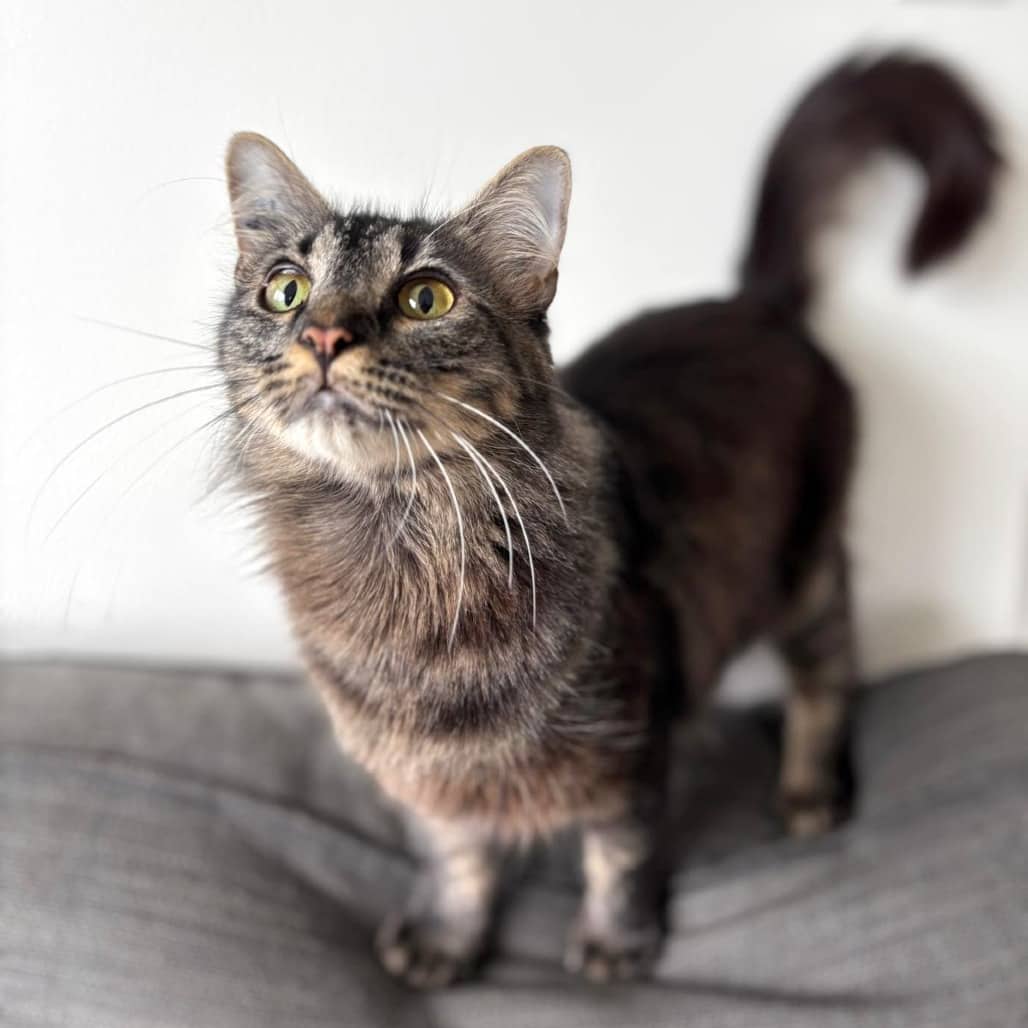
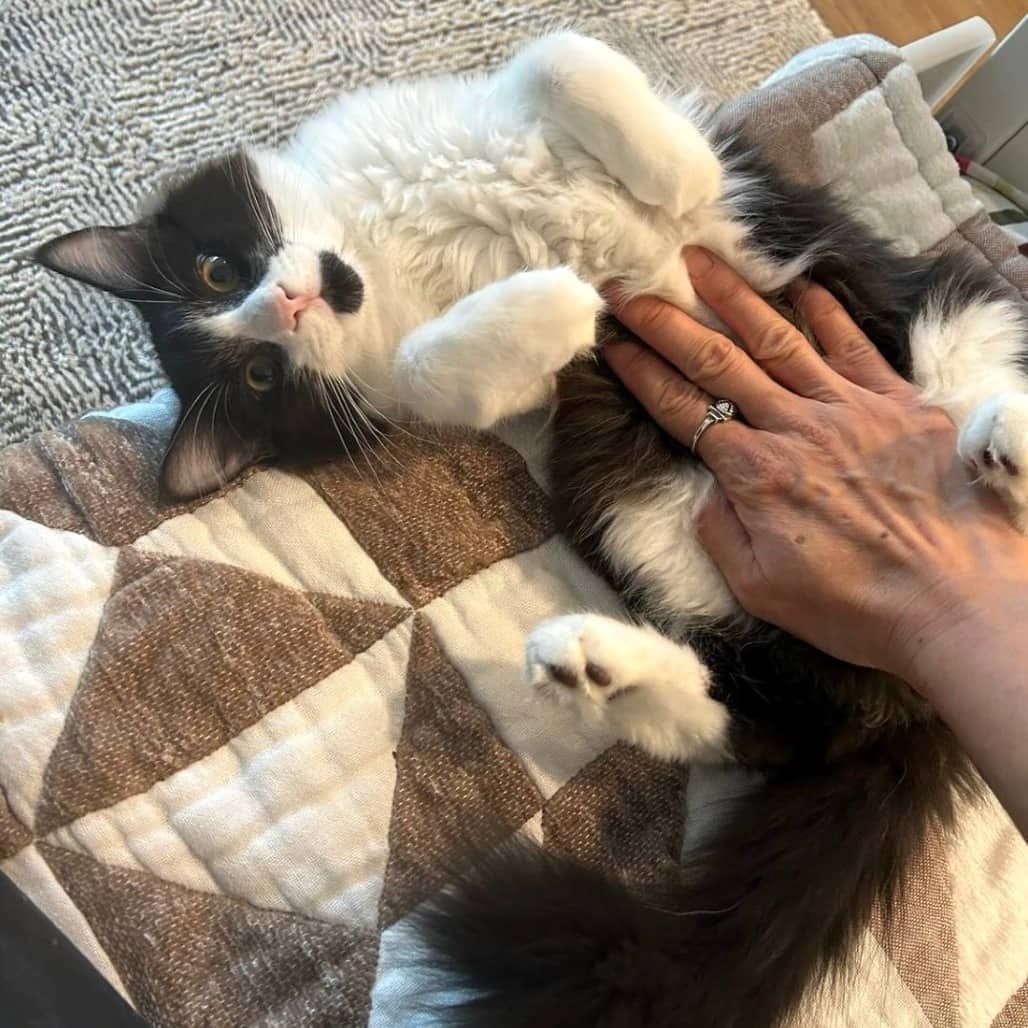
Charlie
4 months • Domestic Medium Hair
MaleHigh Energy
Showing 1-9 of 192 cats
...
Jump to page:
Never Miss a New Cat
Get notified when new rescue cats are listed. Be the first to meet your future best friend.

Adoptable rescue cats and kittens in Vancouver and the Lower Mainland, in one place. Updated regularly from VOKRA, Heart and Soul, the BC SPCA, and Langley APS.
Updated regularly from local rescues. Compare, match, and adopt easier.
Answer quick questions about your home, lifestyle & pets, get personalized dog recommendations
Cost calculator, age converter, and planning resources to prepare for adoption
Be first to know when new dogs matching your preferences become available
Answer quick questions about your home, lifestyle & pets, get personalized dog recommendations
Cost calculator, age converter, and planning resources to prepare for adoption
Be first to know when new dogs matching your preferences become available
4 months • Domestic Medium Hair
Showing 1-9 of 192 cats
Get notified when new rescue cats are listed. Be the first to meet your future best friend.
Vancouver is the largest city in British Columbia, and adopting a cat here means working through one of the strongest rescue networks in Canada. Metro Vancouver has multiple full-service shelters and a busy foster network covering Vancouver, Burnaby, Richmond, Surrey, the North Shore, and Langley.
LocalPetFinder is not a shelter. We do not house cats or process adoptions. We pull cat listings from Vancouver-area rescues into one place and refresh them on a regular cycle, so what you see is close to what is genuinely available right now. You apply through the rescue directly, the site is free, and we never add a fee on top of the adoption cost.
Vancouver cats come from a few different sources. The BC SPCA runs branches across Metro Vancouver and rehomes through its Lower Mainland locations. VOKRA, the Vancouver Orphan Kitten Rescue Association, runs a large foster network specialising in kittens and harder-to-place adults, with explicit compatibility notes on every cat. Heart and Soul Dog and Cat Rescue covers Vancouver and the Fraser Valley, and Langley APS handles Langley.
Between them, an adopter sees a wide range of ages and temperaments in one list. Kitten season runs late spring through late summer; if a kitten fits, apply promptly, since they move quickly.
A cat adoption fee is not the cat's price. It offsets vetting the rescue has already paid for, and it is a fraction of what catching up a free kitten yourself costs. Fees generally cover spay or neuter, core vaccinations, a microchip, deworming, and a veterinary health check before placement.
Confirm the current fee and inclusions on each individual cat's listing, since it varies with age and any special medical care. A fully vetted adopted cat is far cheaper than a free kitten you then have to vet yourself.
Nearly every Vancouver-area rescue places cats as indoor-only. The reasons are practical: traffic, urban coyotes, raptors, building density, and the unrestricted-cat ordinances most municipalities enforce. A healthy indoor cat in Metro Vancouver routinely lives into its late teens with routine care.
Cats decompress on their own timeline. The 3-3-3 guide applies: roughly three days to stop hiding, three weeks to start trusting a routine, three months to truly feel at home. A cat that hides at first is normal, not broken. Give it a quiet room, predictable feeding, and time, and most come out a different animal within a month.
Vancouver foster homes write detailed personality notes on every cat. Read them carefully when picking. A nervous cat in a busy household has a harder first month than one matched to a calmer home.
Metro Vancouver sees a steady flow of cats and kittens, the great majority healthy domestic mixed cats that make excellent companions. Adopting clears foster and shelter space for the next cat, and it costs a fraction of buying from a breeder.
You also adopt with better information. A breeder cannot tell you how a kitten will behave with your dog or a toddler. A foster home can describe exactly how the cat in front of you already behaves with people, kids, dogs, and other cats, and that is the single best predictor of how the next year goes.
Browse cats from BC SPCA Vancouver, Heart and Soul Dog and Cat Rescue, Loved at Last Dog Rescue, Langley Animal Protection Society, Taco Dog Rescue Society, HugABull Advocacy & Rescue, Furever Freed Dog Rescue. Looking elsewhere in the province? See all British Columbia adoption options.
Local guides on adoption costs, spay/neuter, indoor safety, and settling a rescue cat in — written for Vancouver cat owners.
A step-by-step Vancouver guide to rehoming responsibly — free vetted listings, avoiding scams, screening adopters, and the local rescue surrender options.
Everything you need to know about adopting through LocalPetFinder.
Have a cat to rehome?
List your cat free. Local adopters browsing Vancouver see owner listings first: no shelter, no fees, you choose the home.
List your pet free →Takes 3 minutes. You stay in control of who adopts.
Nothing here yet?
We'll email you when new cats are listed in Vancouver on LocalPetFinder, from a rescue or an owner rehoming.
One email when there's a match. Unsubscribe anytime.
For rescues & shelters
Free shelter account: your cats appear here and across LocalPetFinder, with analytics and adoption applications included.