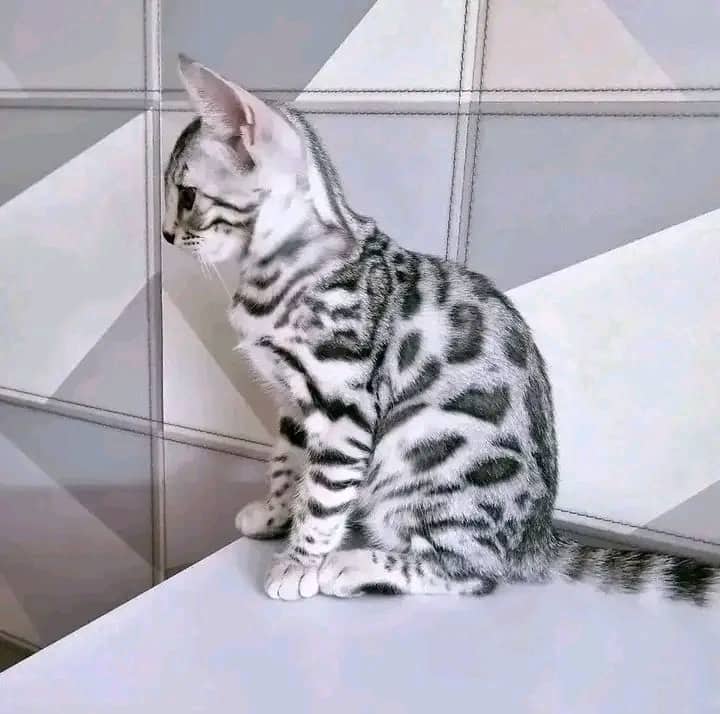
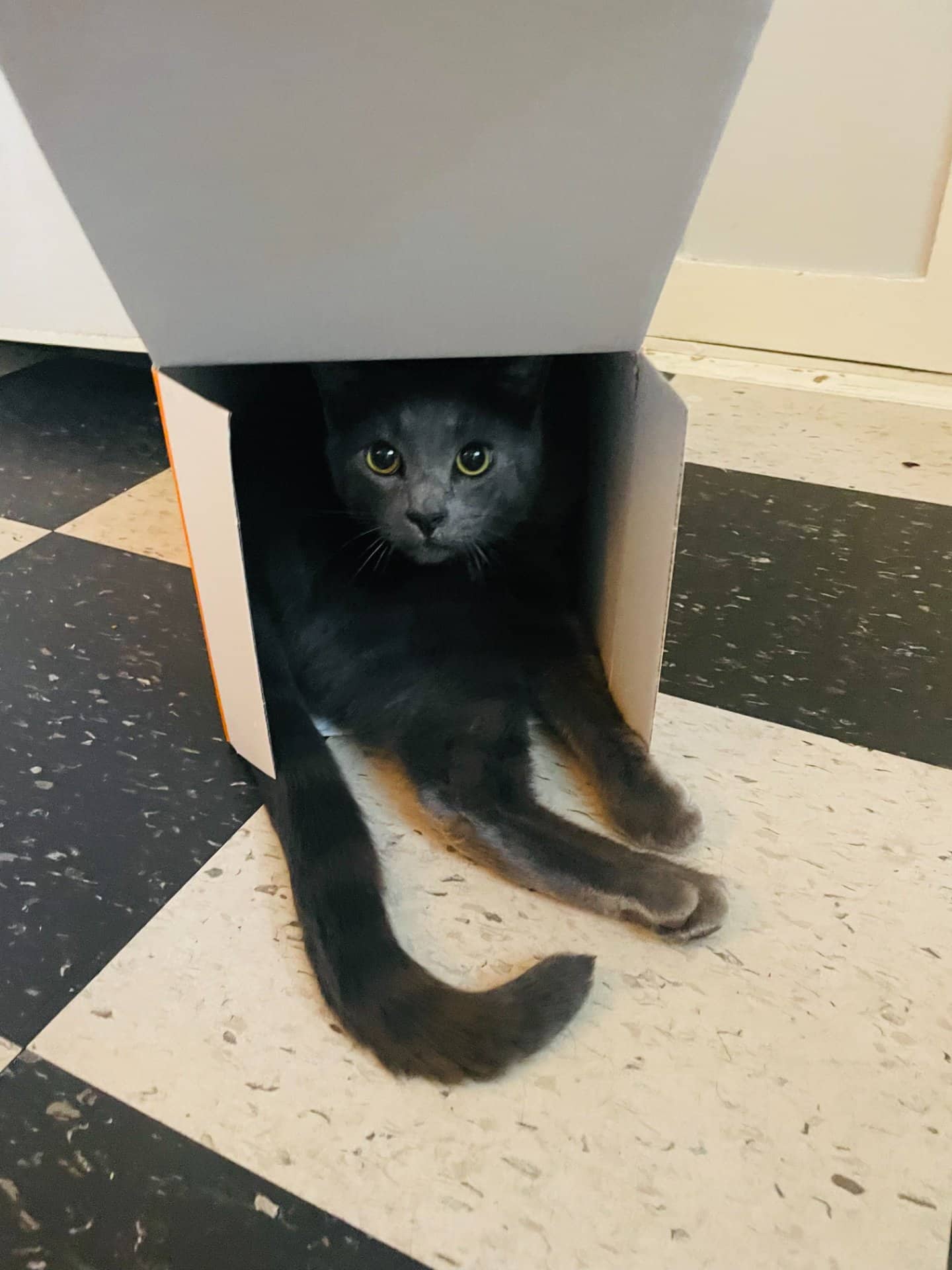
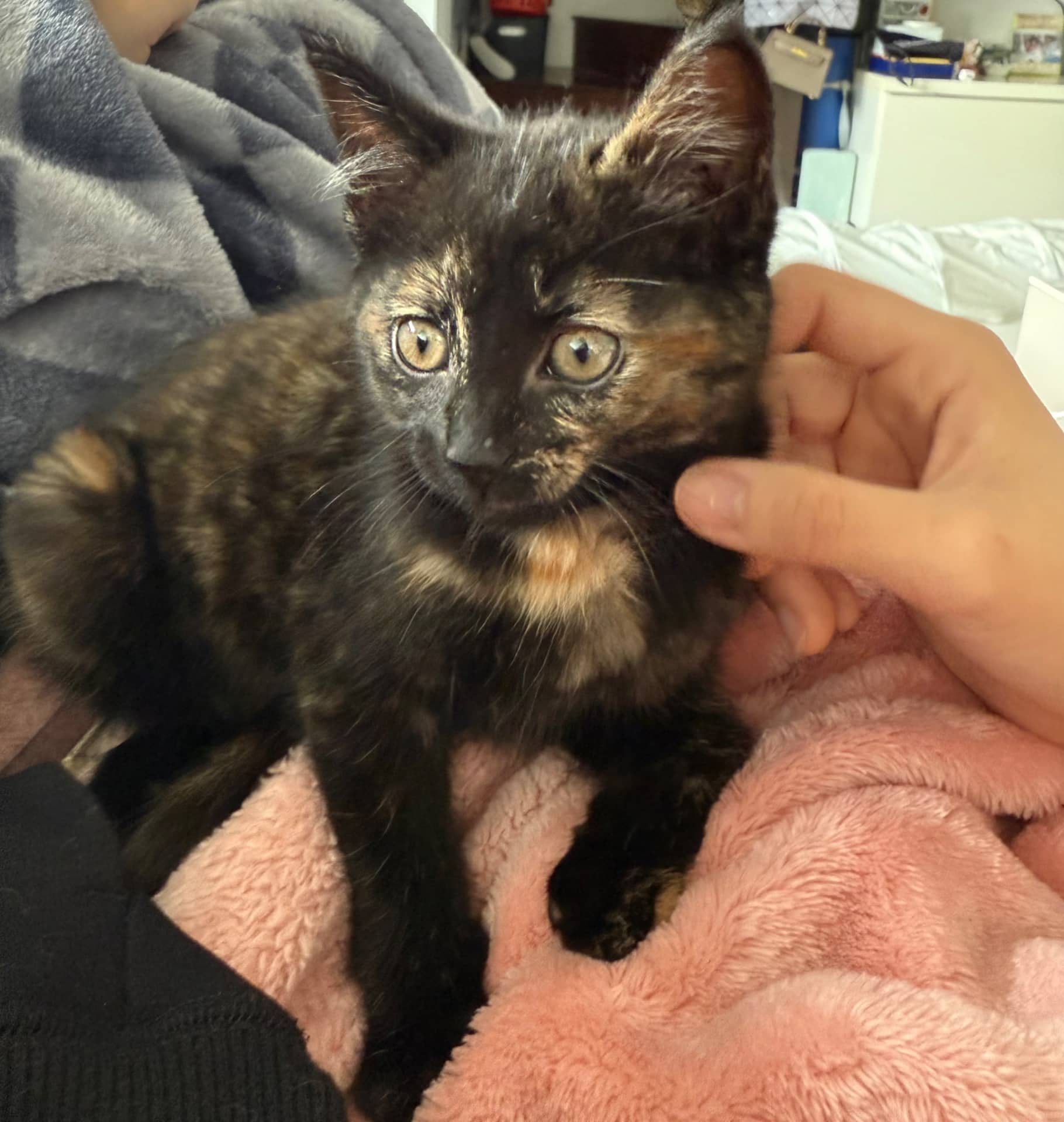
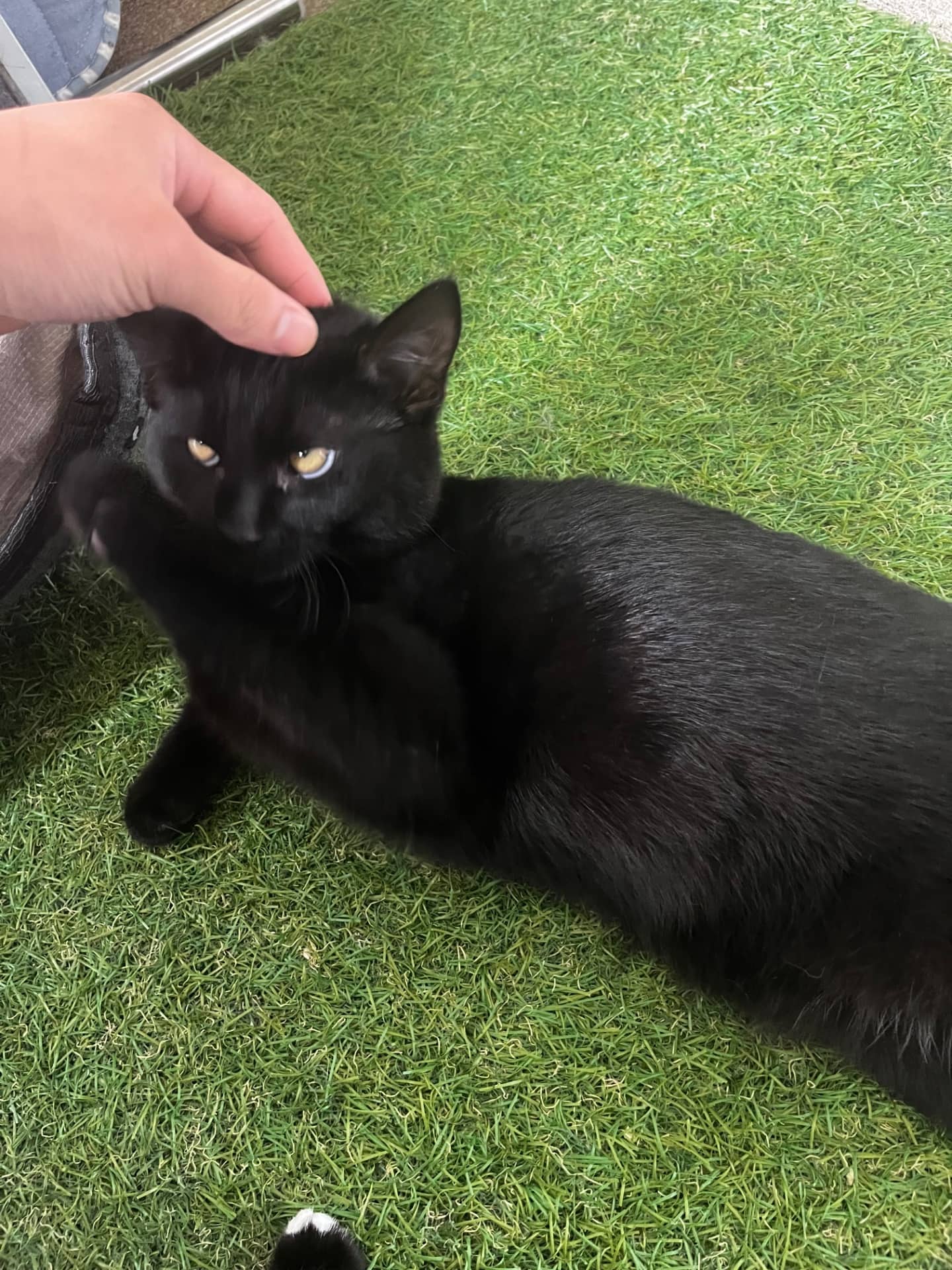


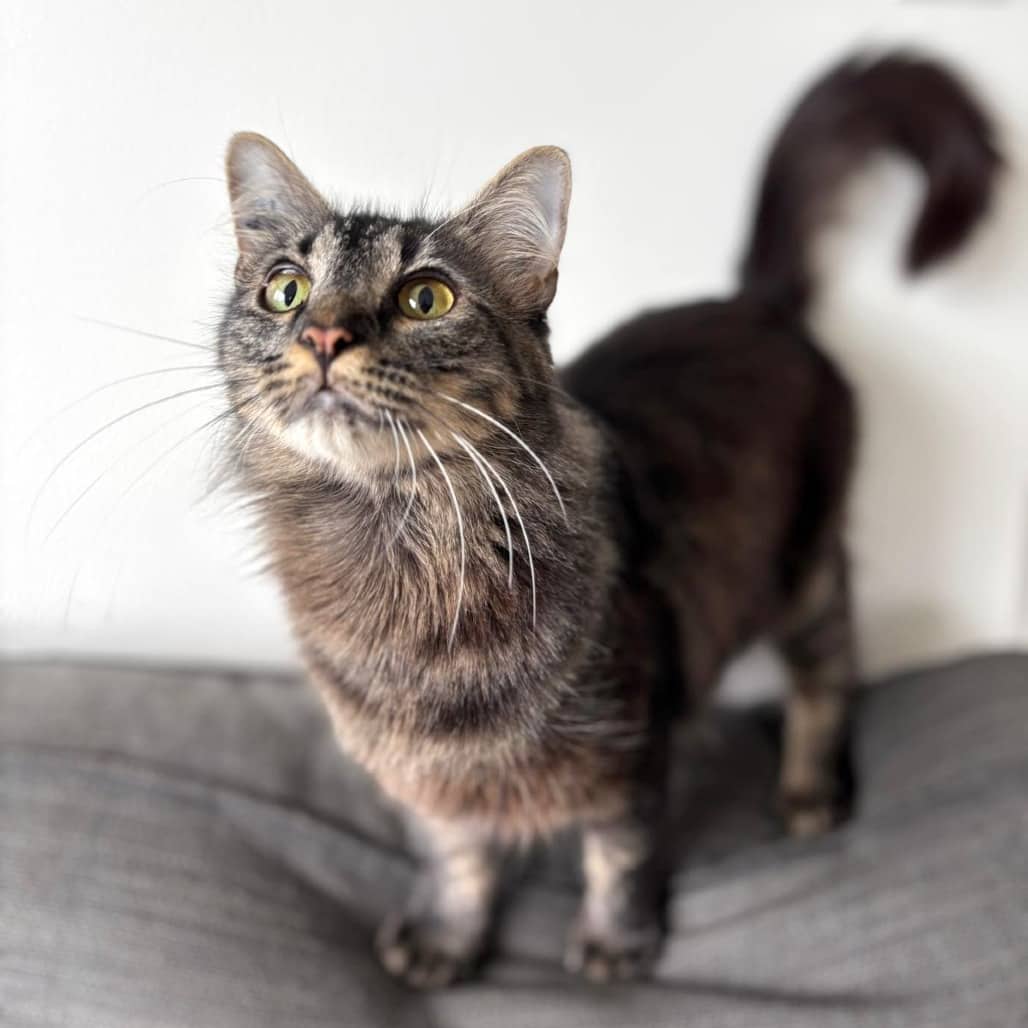
Kitten adoption in Vancouver moves quickly. Most listings get applications within days, especially from late spring through early fall when BC kitten season peaks. The cats listed here are typically under 12 months old, sourced from VOKRA (Vancouver Orphan Kitten Rescue Association), the BC SPCA in Vancouver, Heart and Soul Dog and Cat Rescue, and other BC cat rescues. Almost all are in volunteer foster homes rather than shelter cages, which means you get real notes on personality, litter habits, and how they handle other pets before you apply.
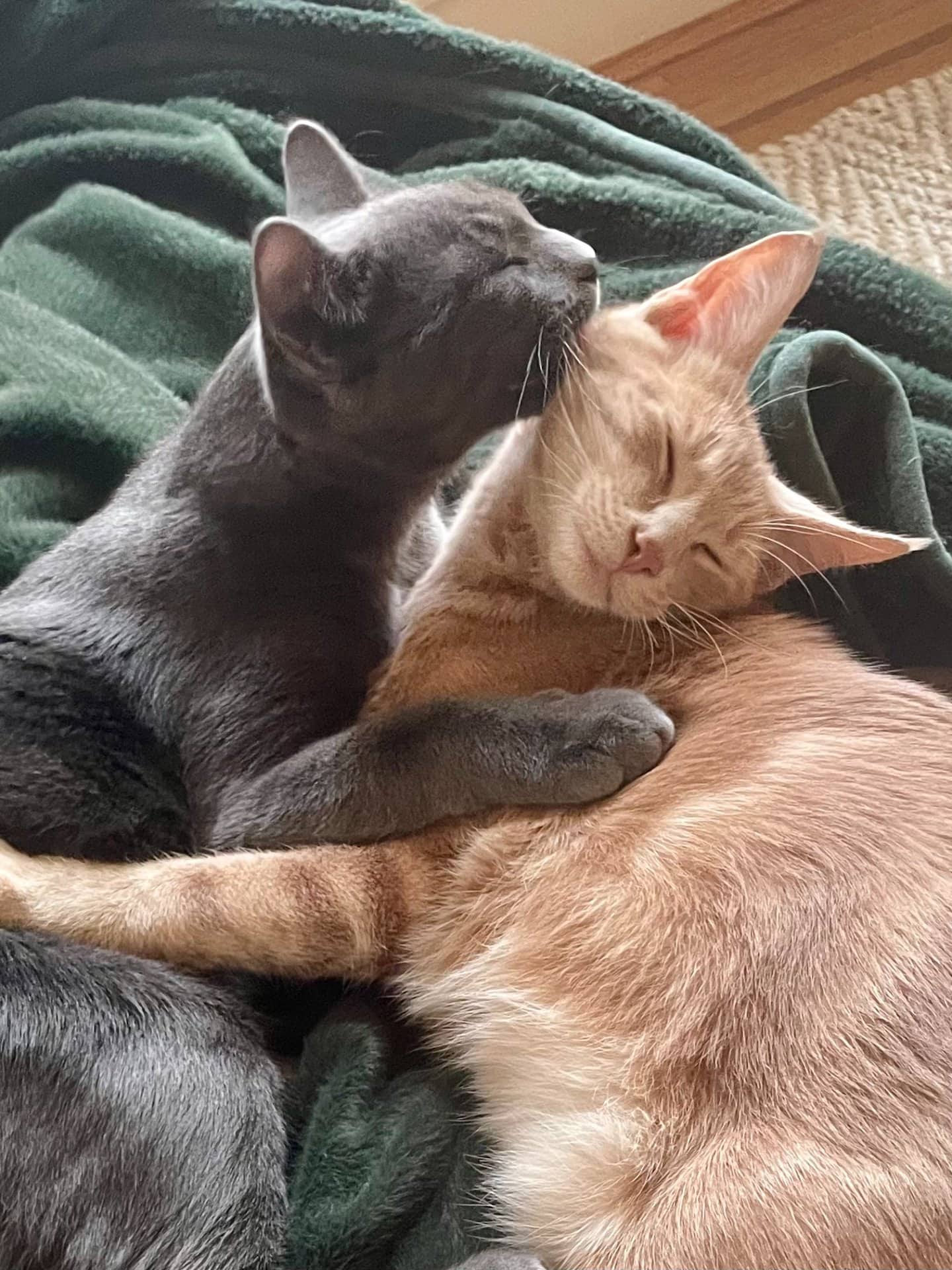
Adopting a kitten is a 15-plus year commitment. The first year usually involves three vet visits, a spay or neuter if not already done, and a lot of climbing, chewing, and 3 a.m. zoomies. Two kittens adopted together actually settle in faster and burn each other out, which is why VOKRA and several other BC rescues push pair adoption hard and will often only place a single kitten into a home with an existing young cat.
Vancouver kitten adoption fees usually run $300 to $395, and that fee covers spay or neuter, first vaccinations (FVRCP), deworming, FIV/FeLV testing, and a microchip. Listings update regularly. If you don't see one you love today, check back during BC kitten season — new litters come into VOKRA and BC SPCA care almost every week from May through September.
VOKRA: the foster-network reality
VOKRA is the largest cat-only foster rescue in Canada and the dominant source of adoptable kittens in Vancouver. They operate with zero shelter cages — every kitten lives in a volunteer foster home until adoption. That means applications are matchmaking-style rather than first-come-first-served. You apply, a VOKRA volunteer reviews your home situation and existing pets, and they propose kittens that fit. Expect a few days of back-and-forth, not an instant approval.
BC kitten season and supply
BC kitten season runs roughly April through October on the south coast, with intake peaking in May through July and a smaller second wave in September. Outside that window, kittens are genuinely scarce in Vancouver rescues. If you want a kitten and not an adolescent or adult, plan around late spring through summer. Winter kittens do exist (BC's milder coastal climate keeps some breeding cycles going) but the supply is thin.
Indoor-only is the Vancouver standard
VOKRA, BC SPCA, and most BC cat rescues require kittens to be adopted into indoor-only or supervised-outdoor (catio, leash-walked) homes. The threats aren't winter cold like the prairies — they're urban coyotes in Stanley Park, Pacific Spirit Park, and the urban forest corridors across the West Side and North Shore, plus raccoons, eagles on the coast, and arterial traffic from Hastings to Cambie. Indoor cats live 12 to 18 years versus 3 to 5 years for outdoor cats in coyote territory.
Vancouver Kitten Adoption FAQ
How many kittens are available for adoption in Vancouver?▼
As of October 2026, 104 kittens are available for adoption in Vancouver across 8 rescues on LocalPetFinder. Listings update regularly as pets are adopted and new ones arrive — browse them above and apply directly through the rescue.
Where can I find kittens for adoption near me in Vancouver?▼
LocalPetFinder lists adoptable kittens from Vancouver-area cat rescues including VOKRA (Vancouver Orphan Kitten Rescue Association), the BC SPCA in Vancouver, and Heart and Soul Dog and Cat Rescue. Listings cover Vancouver, Burnaby, Richmond, North Vancouver, and the wider Lower Mainland. BC kitten season runs roughly April through October, peaking in May-July. Outside that window kittens are scarce.
How much does it cost to adopt a kitten in Vancouver?▼
Vancouver kitten adoption fees typically range from $300 to $395, and Heart and Soul charges $750 for a pair. The fee includes spay or neuter (or a voucher if the kitten is too young at adoption), first FVRCP vaccinations, deworming, FIV/FeLV testing, and a microchip. Compared to buying privately, the rescue fee usually saves you money on first-year vet costs.
Are these kittens for sale in Vancouver?▼
Not for sale, for adoption, which is usually the better deal. Every kitten here comes from a Vancouver-area rescue or shelter, not a breeder, pet store or classified ad. The adoption fee of $300 to $395 already covers the first round of vet work, such as spay or neuter and vaccinations. A kitten bought from a private seller usually has none of that done, so you pay for it yourself on top of the price.
Can I find a free kitten in Vancouver?▼
Rescues do not give kittens away free, because the adoption fee pays for their vet care. Free-kitten ads on Kijiji and Facebook Marketplace are common in Vancouver during kitten season, but those kittens are often unvetted and sometimes too young to leave their mother, so the cost of shots and spay or neuter falls on you. Rescues sometimes run reduced-fee events, so check the listings here if cost is your main concern.
How does the VOKRA adoption process work?▼
VOKRA operates as a foster network rather than a shelter, so adoption is matchmaking-style. You submit an online application with details about your home, existing pets, and lifestyle. A VOKRA volunteer reviews it and suggests kittens currently in foster care that match your situation. You meet the kittens at the foster home, and if it is a fit, you take them home the same visit or shortly after. Total timeline is usually a few days to two weeks.
Are kittens vaccinated when I adopt them?▼
Yes. Vancouver rescues give first-round FVRCP (feline distemper) vaccinations before adoption and complete FIV/FeLV testing. Kittens need two more booster shots in the first four months, then annual or three-year boosters depending on your vet. Rabies vaccine is usually given at four months of age and covered by your first post-adoption vet visit.
When can a kitten go home from a BC rescue?▼
Most BC rescues hold kittens until they are 8 to 10 weeks old at minimum, fully weaned, eating solid food, and started on vaccinations. VOKRA in particular tends to hold kittens until they are old enough to spay or neuter (usually 10 to 12 weeks or 2 lbs), so surgery is done before the kitten leaves foster care. This is why timelines feel slower than buying privately.
Why do BC rescues push pair adoption so hard?▼
Single kittens raised alone often develop what trainers call single kitten syndrome — excessive biting, attention-seeking, play aggression, and anxiety. A sibling provides 24/7 play and grooming, which means less destruction of your furniture, fewer 3 a.m. zoomies on your face, and a calmer adult cat down the road. VOKRA and several other Vancouver rescues will often only place a single kitten if you already have a young adult cat at home.
Why do BC rescues require indoor-only homes?▼
Urban coyotes patrol Stanley Park, Pacific Spirit Park, and forest corridors across Vancouver and the North Shore. Raccoons, eagles on the coast, and arterial traffic add to the risk. Even in apparently safe residential neighbourhoods, outdoor cats in Vancouver have life expectancies of 3 to 5 years versus 12 to 18 years for indoor cats. Indoor-only or supervised-outdoor (catio, leash-walked) is the BC rescue standard.
How do I litter-train a new kitten?▼
Most kittens are already litter-trained when they leave the rescue. To support the habit, place the litter box somewhere quiet but accessible, use an unscented clumping litter (kittens often dislike strong fragrances), and scoop daily. The rule of thumb is one box per cat plus one extra. If a kitten has accidents in the first week, it is usually a placement or stress issue, not a training failure — try a second box in a different room first.
Explore more Vancouver cats
Adults, kittens, seniors, bonded pairs — everything currently available.
Cats aged 10 and up. Often the calmest, most affectionate adoptions.
Two cats adopted together. Easier than one kitten and easier than two strangers.
Cats already adjusted to indoor living — the BC rescue standard given urban coyote risk.