Get notified when a Bengal is listed
We will email you the moment a Bengal becomes available in British Columbia, from a rescue or an owner rehoming.
Adopting a Bengal in British Columbia
Bengals appear in BC rescue more often than most pedigreed breeds, and the reason is not flattering: many are surrendered when adopters discover that a leopard-spotted cat behaves like a high-drive working dog in a small body. A Bengal needs hours of daily play, climbing, and stimulation, and a household that cannot provide it ends up with a destructive, frustrated cat. Adopters who can give the activity will find a brilliant, devoted companion.
This page pulls every adoptable Bengal and Bengal cross across the BC rescues we cover into one place, refreshed regularly. Be honest about your home before you apply. Most BC rescues screen Bengal adopters carefully because the surrender rate is high.
The wild look, the wild energy
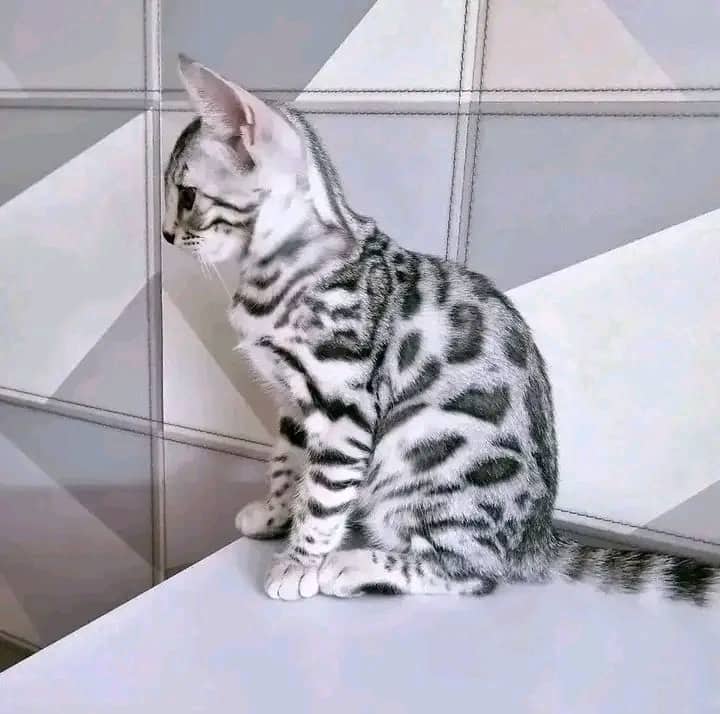
Bengals were bred from Asian leopard cats crossed with domestic shorthairs, and the spotted or marbled coat is the visible legacy. The hidden legacy is the energy. A Bengal needs to climb, hunt, run, and problem-solve every day. Toys go stale fast, so adopters rotate them, and many Bengals will play in water, walk on a harness, and learn tricks. They are intensely curious cats that bond hard to their people and are often vocal about it.
The wild look attracts buyers who want an exotic-seeming pet. The reality of living with that energy is what fills BC rescues. When the household is right, with another active cat or dog, climbing space, and engaged owners, a Bengal is one of the most rewarding cats to live with. When the household is wrong, the cat ends up in foster.
Health concerns to ask about
Bengals have well-documented health concerns. The most important is hypertrophic cardiomyopathy, the heart-muscle disease that affects many large breeds. They also see progressive retinal atrophy, certain eye disorders, and pyruvate kinase deficiency, a manageable but serious blood condition. A foster who has lived with the cat is the best source on its actual health, and routine vet care matters.
What Bengals are actually like to live with
A Bengal suits an experienced cat owner who wants a project. Things to plan for:
- High energy, all the time. A Bengal needs daily climbing, play, and puzzle work, not just food and a window.
- Vocal and demanding. The breed talks, complains, and asks for engagement.
- Often water-curious. Many Bengals like running taps, showers, and toilet bowls.
- Strong prey drive. Small pets, birds, and reptiles are at risk in the same household.
- Best with another active cat or a calm dog. A Bengal alone all day is usually a destructive Bengal.
- Climbing-required. Cat trees, shelves, and vertical space are not optional.
- Indoor-only. The wild look does not mean the cat is street-savvy. Indoor with leash walks works well.
What the fee usually covers
Bengal adoption fees at BC rescues are in the same range as other rescue cats. The fee covers spay or neuter, core vaccinations, microchip, deworming, and a vet check before placement. Confirm the exact figure on the cat's listing.
How to actually search
Filter above by age and compatibility. Bengal crosses appear more often than pure Bengals and inherit much of the energy and look without quite the same intensity. Be honest with the rescue about your daily schedule and existing pets; the better the screening, the better the placement.
Looking more broadly? Browse every adoptable cat across the province on Cat Adoption British Columbia.
The rescues that most often list Bengals across the province are BC SPCA, VOKRA, Heart and Soul Dog and Cat Rescue, and Broken Promises Rescue Society.
Bengal Adoption FAQ — British Columbia
Tap a question to expand
How many Bengals are available for adoption in British Columbia?▼
Where can I find Bengal adoption near me in British Columbia?▼
Why are Bengals so often in rescue?▼
Are Bengals good with kids and other pets?▼
Do Bengals need a leash?▼
What health problems do Bengals have?▼
How much does it cost to adopt a Bengal in British Columbia?▼
Is LocalPetFinder a Bengal rescue?▼
Popular cat breeds in British Columbia
Bengal adoption by city in British Columbia
Each city page lists only the bengals available from rescues serving that city.