Showing 259 cats
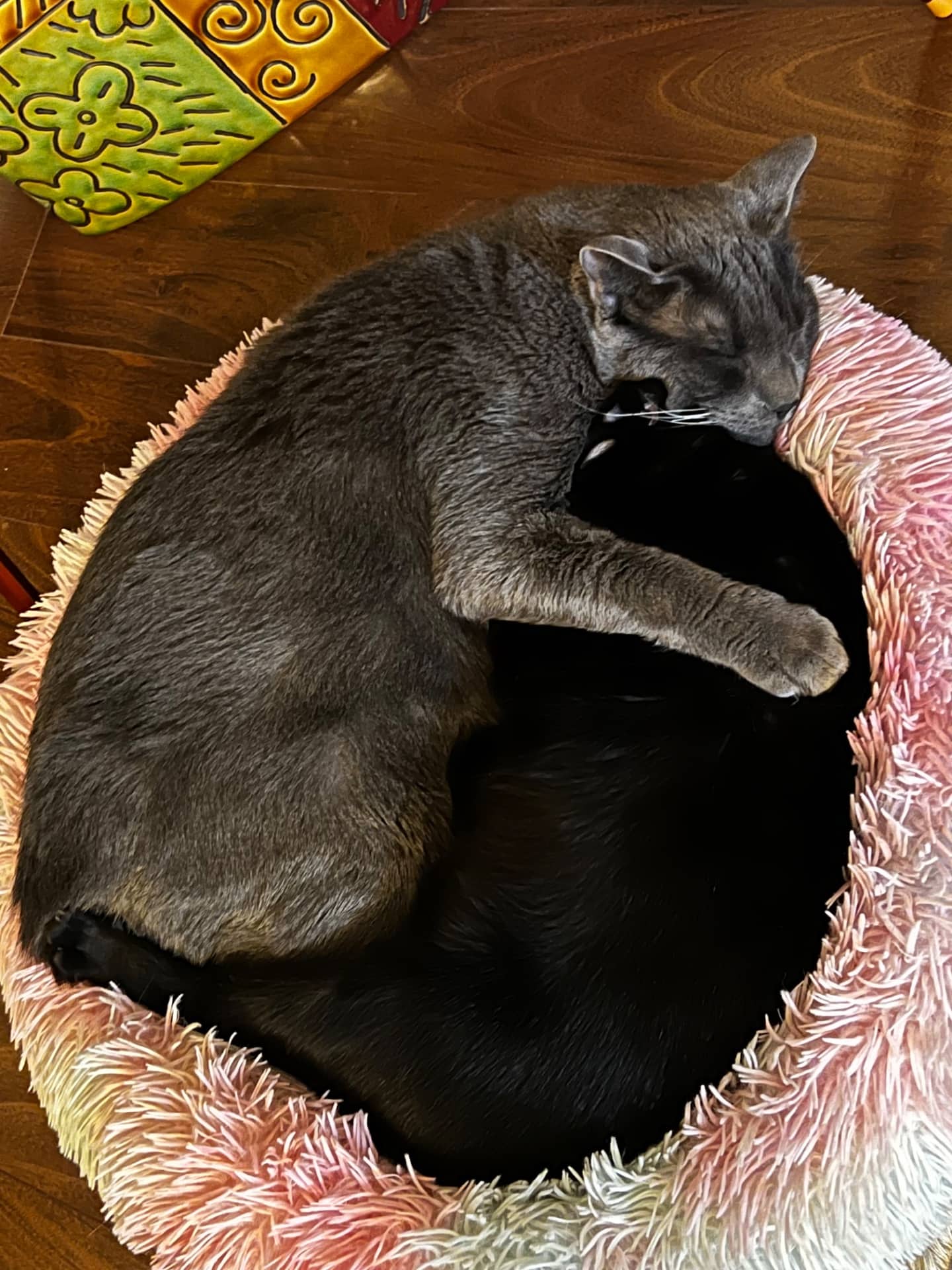
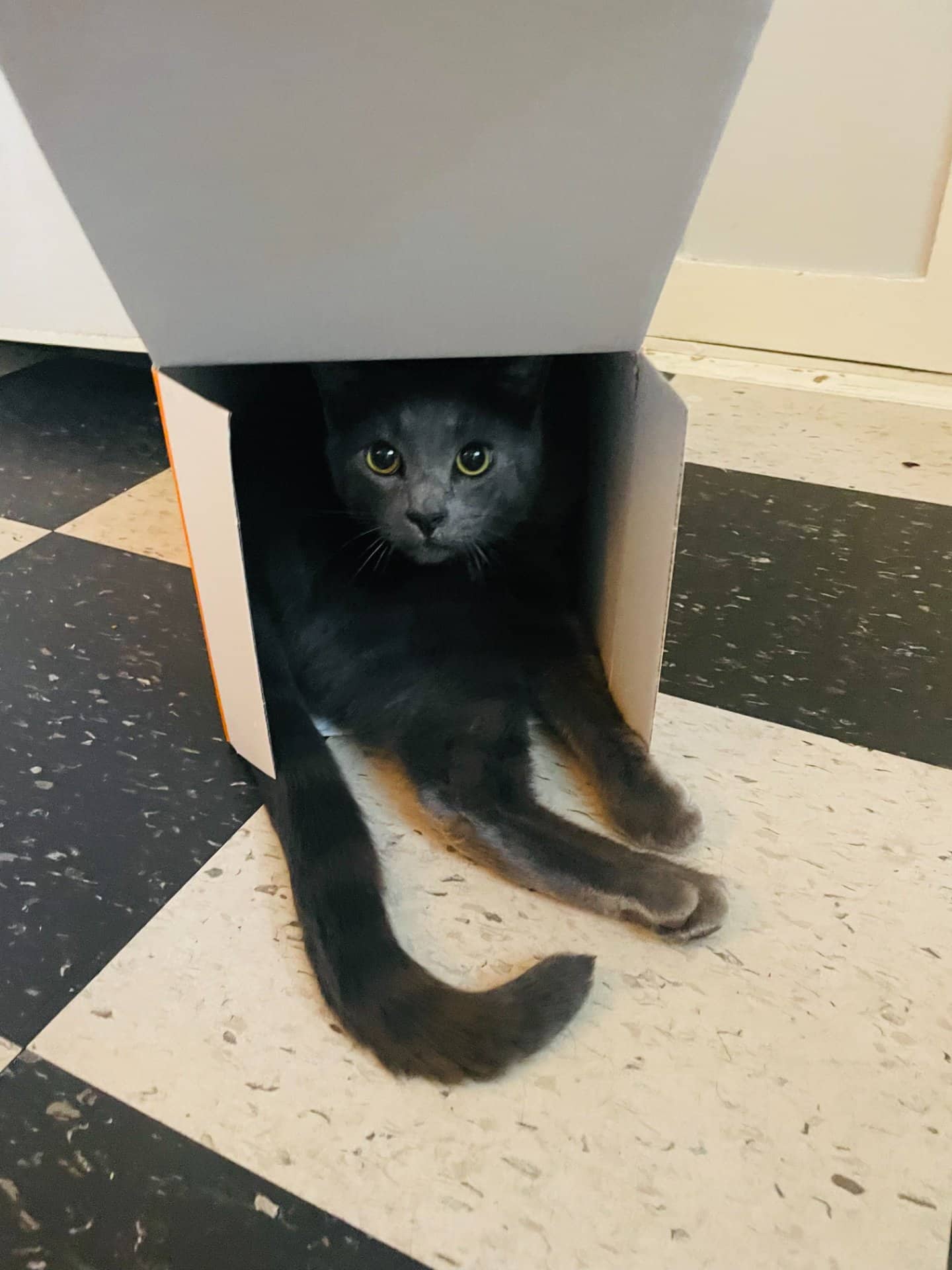
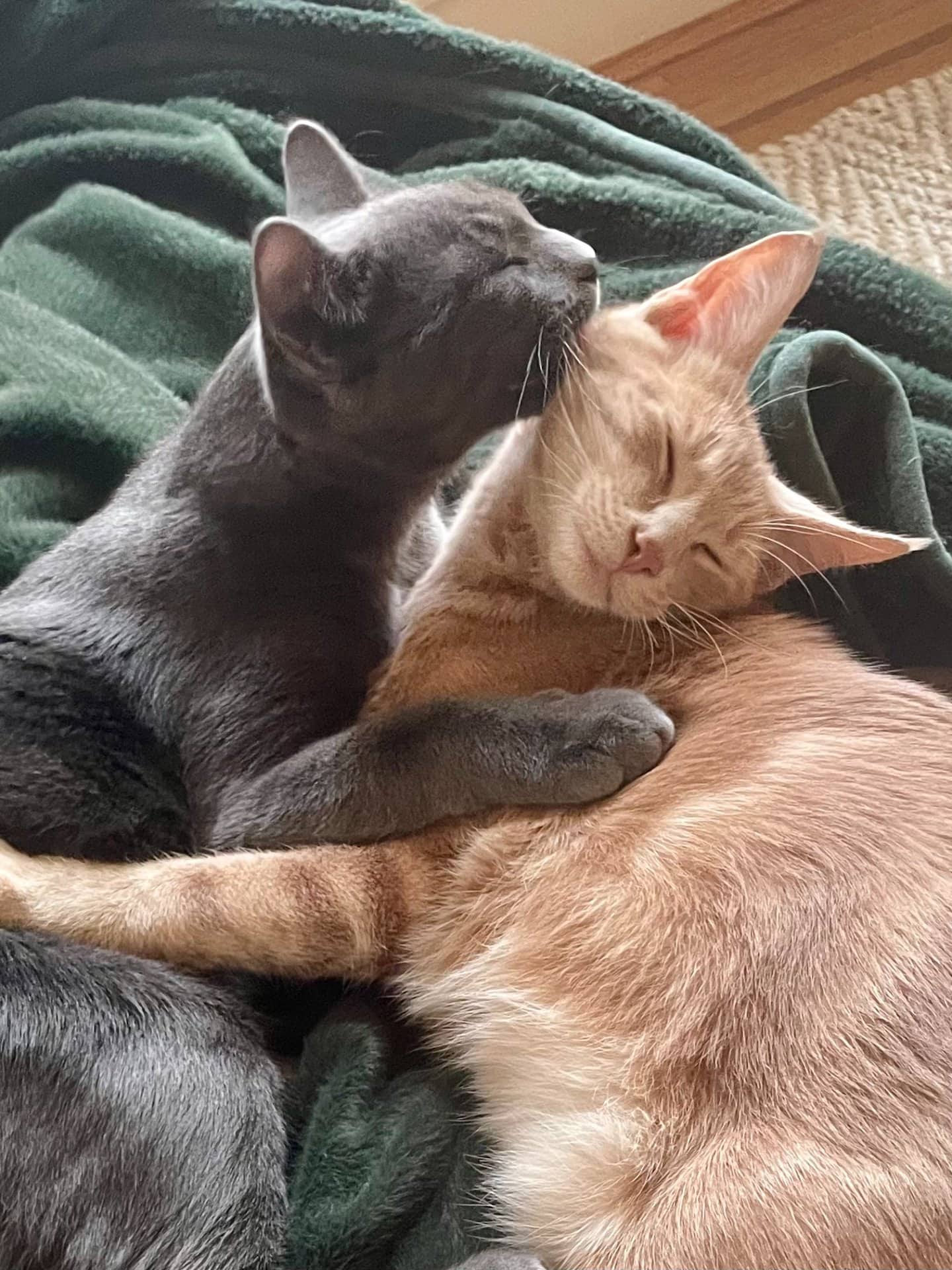
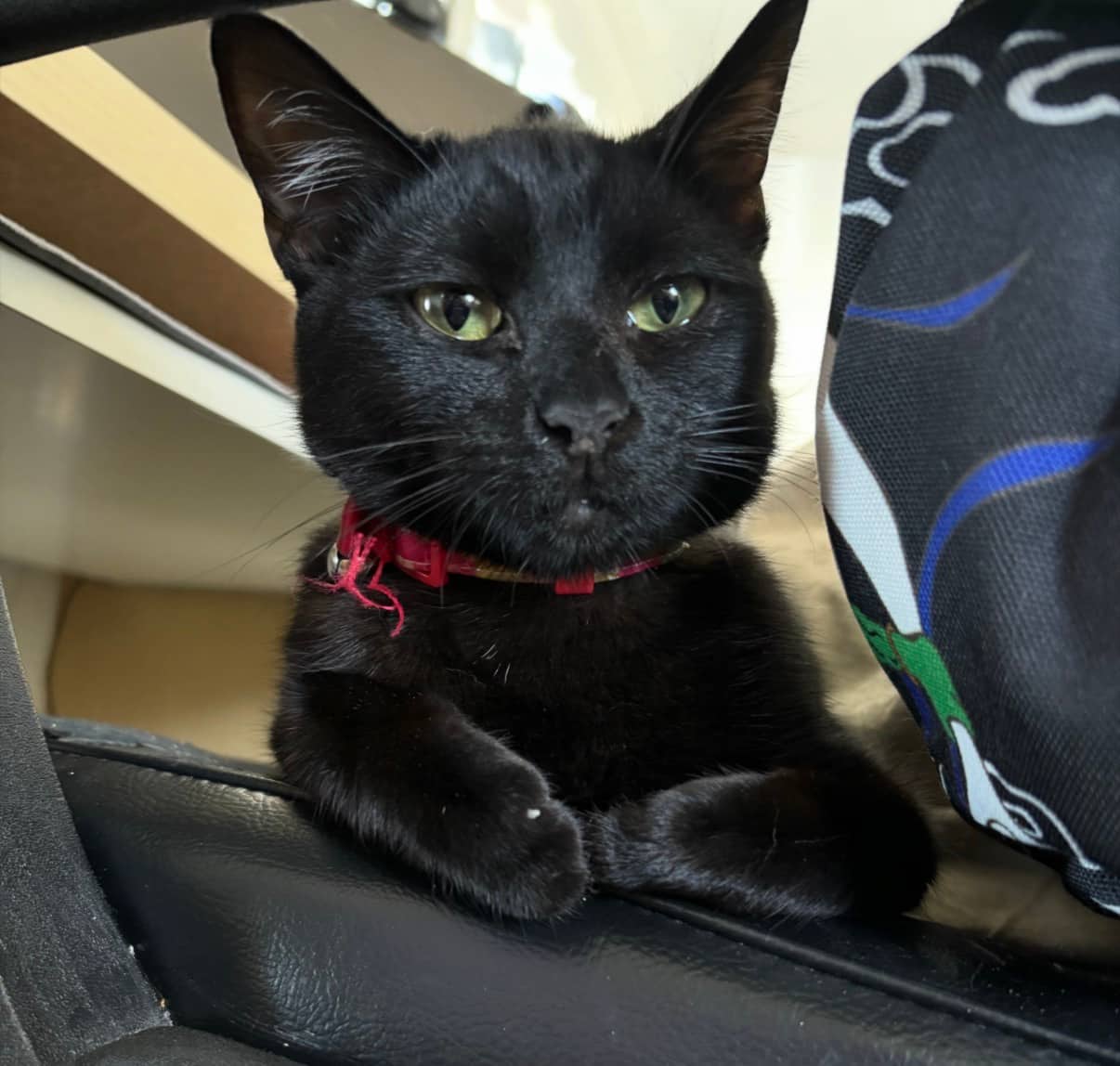


Get notified when a Domestic Shorthair is listed
We will email you the moment a Domestic Shorthair becomes available in British Columbia, from a rescue or an owner rehoming.
Adopting a domestic shorthair in British Columbia
The domestic shorthair is the everyday non-pedigreed cat: a mixed-ancestry shorthaired cat of no particular breed. They are by far the most common cat in BC rescue, the easiest temperament to match, and the soundest health profile in the species. If you want a wonderful cat without paying breeder pricing, this is what most adopters end up with.
This page lists every adoptable domestic shorthair across the BC rescues we cover, refreshed regularly. Search by temperament. There is a DSH for every household.
The healthiest cats in rescue
Domestic shorthairs come from the broadest gene pool of any cat available for adoption. They are not bred for a specific look or trait, which means they avoid the concentrated health risks of pedigreed breeds: no hypertrophic cardiomyopathy clusters, no polycystic kidney disease lines, no flat-faced breathing issues. Veterinarians often note that mixed-ancestry domestic cats are the longest-lived and the easiest to keep healthy.
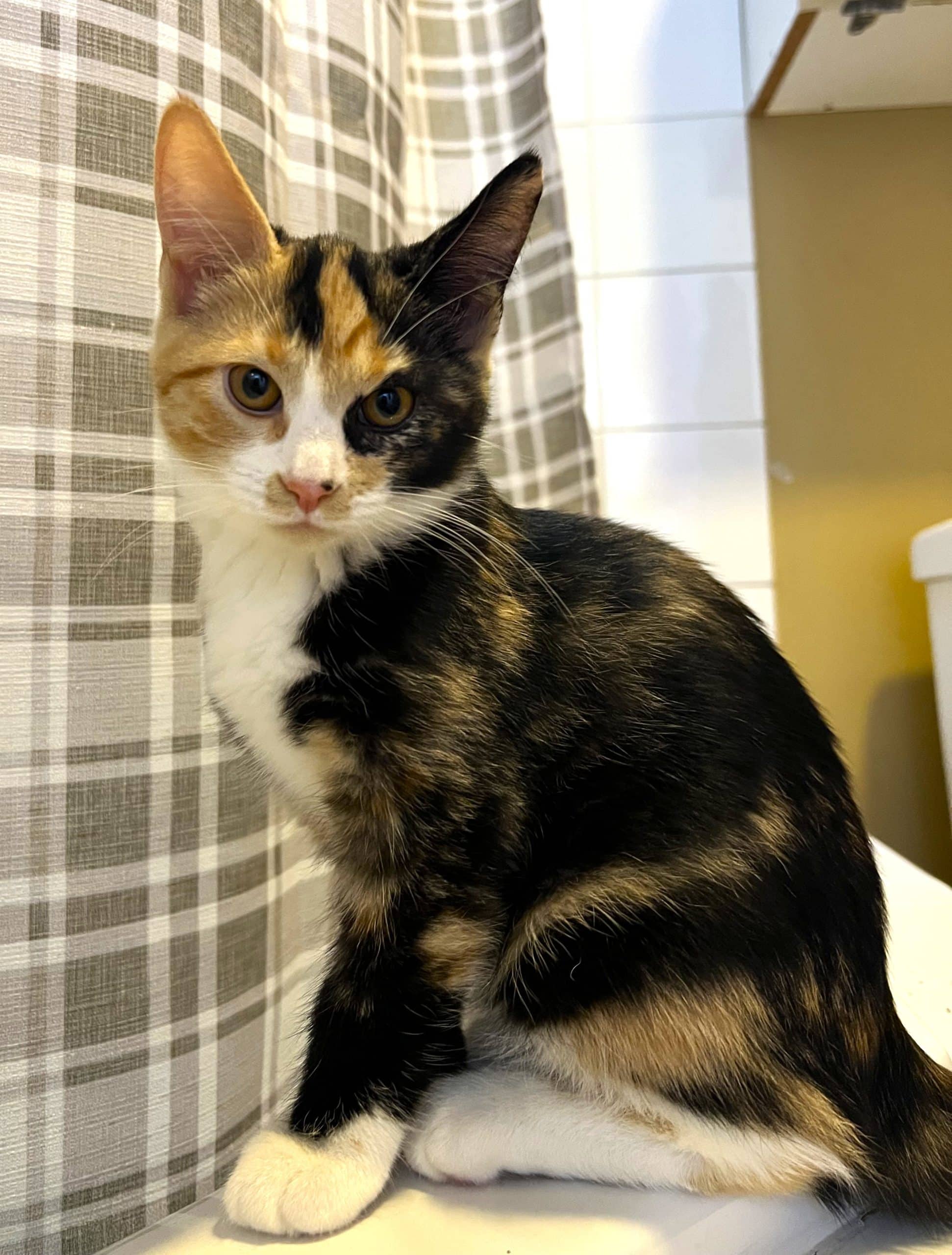
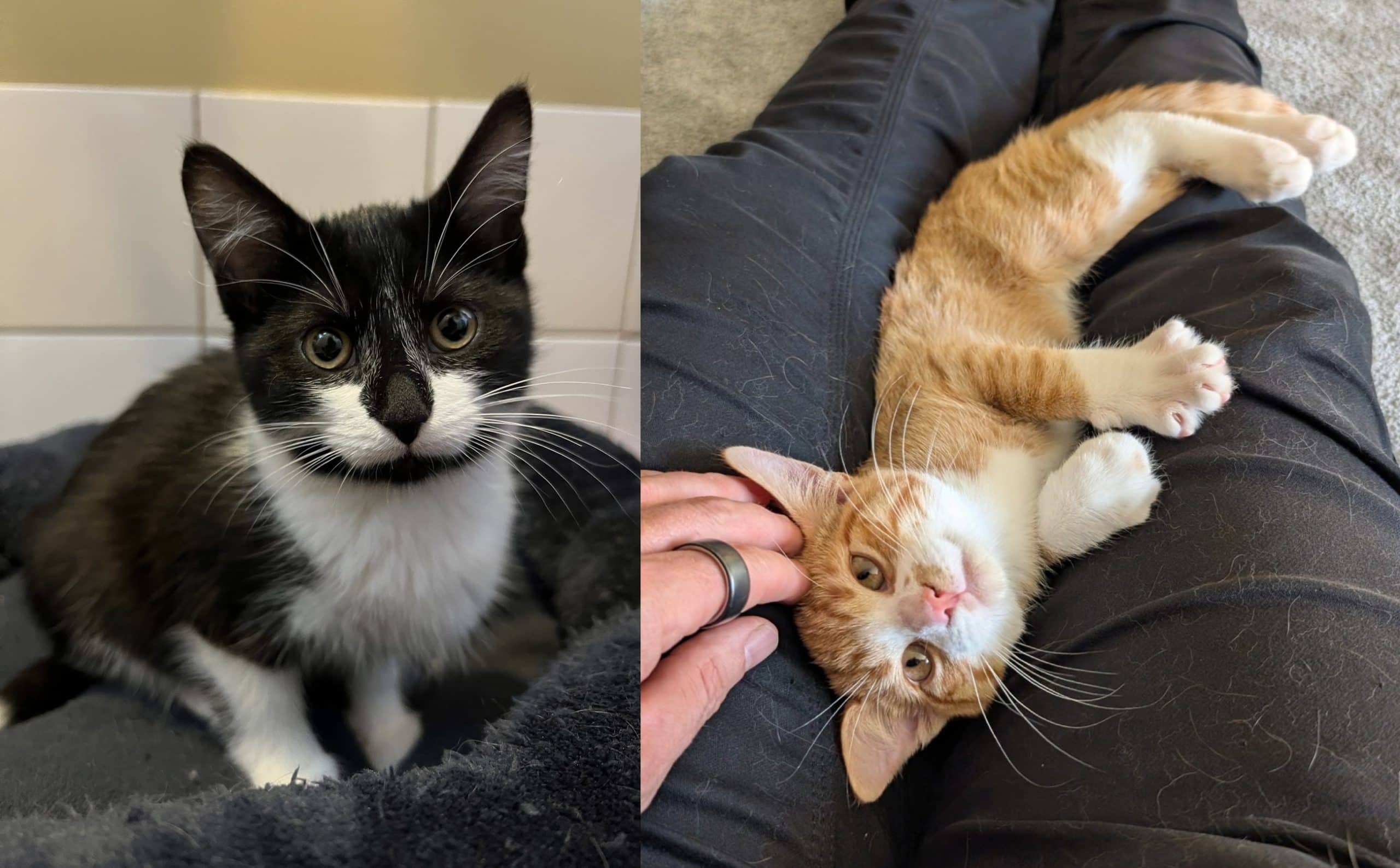
The trade-off is that there is no breed standard. A DSH can look like almost anything: tabby, tuxedo, calico, solid colour, ticked, spotted, anything. Adopters who care about a specific look should search by colour or pattern; adopters who care about temperament will find every personality in this category.
Temperament covers everything
Because the domestic shorthair has no breed origin, the temperament range is the entire feline temperament range. There are cuddly DSH lap cats, reserved DSH observer cats, vocal DSH chatterboxes, and quiet DSH watchers. Foster homes write detailed notes on each cat, and that is the source. Pick the cat, not the label.
Health and care
Domestic shorthairs are the soundest cats in rescue. Most live 15 to 20 years with good indoor care. There are no pattern-specific or breed-specific health concerns; standard cat care applies. Watch the weight. Annual vet visits and dental care matter.
What domestic shorthairs are actually like to live with
The "average" DSH is a sturdy, adaptable, low-maintenance cat. Plan for:
- Wide temperament range. Every personality exists in this category.
- Sturdy and healthy. The mixed-ancestry gene pool produces the longest-lived cats.
- Easy coat. Short, low-maintenance. Weekly brushing is enough.
- Adaptable. DSH cats settle into new homes faster than most pedigreed breeds.
- Long-lived. 15 to 20 years is common with routine care.
- Good with families. Most are tolerant of children, calm dogs, and other cats.
- Indoor-only. As with every rescue cat in BC, indoor only.
What the fee usually covers
Domestic shorthair adoption fees at BC rescues are usually the lowest in the rescue lineup, and they are a tiny fraction of any breeder price. The fee covers spay or neuter, core vaccinations, microchip, deworming, and a vet check before placement. Many BC rescues run senior-cat or bonded-pair promotions for DSH cats. Confirm the exact figure on the cat's listing.
How to actually search
Filter above by age, energy, and compatibility, and read the foster notes carefully. The DSH category is large, so the filters matter more than usual. Stay open to adult cats and seniors; the kittens get adopted fast, and the adults are excellent companions whose personalities are already known.
Looking more broadly? Browse every adoptable cat across the province on Cat Adoption British Columbia.
The rescues that most often list Domestic Shorthairs across the province are BC SPCA, VOKRA, Heart and Soul Dog and Cat Rescue, and Broken Promises Rescue Society.
Domestic Shorthair Adoption FAQ — British Columbia
Tap a question to expand
How many Domestic Shorthairs are available for adoption in British Columbia?▼
Where can I find domestic shorthair adoption near me in British Columbia?▼
Is a domestic shorthair a real breed?▼
Are domestic shorthairs healthier than pedigreed cats?▼
What do domestic shorthairs look like?▼
How long do domestic shorthairs live?▼
How much does it cost to adopt a domestic shorthair in British Columbia?▼
Is LocalPetFinder a domestic shorthair rescue?▼
Popular cat breeds in British Columbia
Domestic Shorthair adoption by city in British Columbia
Each city page lists only the domestic shorthairs available from rescues serving that city.