Australian Shepherds in Vancouver, right now
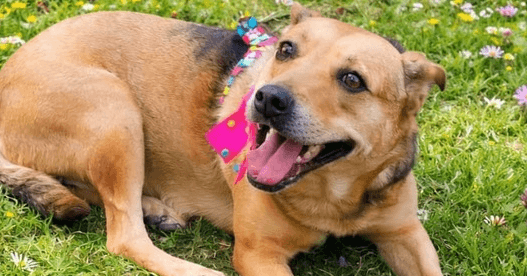
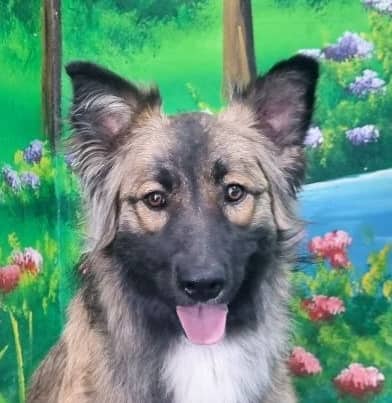
We're currently tracking 3 adoptable Australian Shepherds in the Lower Mainland, listed by 3 rescues including BC SPCA, West Coast Paws Dog Rescue, and Loved at Last Dog Rescue. Listings update regularly, and most Australian Shepherds in Vancouver get adopted within days of being posted — if one catches your eye, reach out fast.
See every adoptable Australian Shepherd across British Columbia →
Adopting an Australian Shepherd in Vancouver
Australian Shepherds turn up in Metro Vancouver rescue at a steady pace, almost always as 1 to 3 year old adolescents. BC SPCA Vancouver on East 7th lists them periodically, RAPS in Richmond carries Aussie and Aussie-cross dogs through the no-kill shelter, and Loved at Last Dog Rescue in Langley sees Fraser Valley intakes. The buyer-regret pattern is the headline surrender story for this breed in the Lower Mainland.
This page pulls every adoptable Australian Shepherd from the launched Metro Vancouver shelters into one searchable place, refreshed regularly. A serious Aussie adopter searches Metro-wide. Foster homes in Langley, Surrey, or the Fraser Valley will set up a meet wherever you live, and a video call before the drive across the bridges is usually fine to ask for.
Why Aussies cycle through Vancouver rescue
The story is almost identical to Border Collies. Aussies are a working herding breed, and the Vancouver buyer who picked one for the look ended up with a high-drive, neurotic-when-bored adolescent in a Yaletown condo or a Coquitlam townhouse. The breed needs at least 90 minutes of real vigorous exercise every day, plus a job (scent work, agility, structured training, anything mental), or it unravels. Most surrenders cluster between 12 and 30 months when the family realises the dog is more than they signed up for.
The second pattern is the breeder economy. Aussies are bred heavily through the Fraser Valley and Interior BC, both for working ranches and for the doodle market (Aussiedoodles), and unplanned litters and retired breeding dogs come through Lower Mainland rescue regularly. Some of these are working-line dogs with serious drive that need a competitive sport home, not a pet home.
MDR1 and what it actually means
Australian Shepherd is the breed where the MDR1 (multidrug resistance) genetic mutation matters most. Roughly half of all Aussies carry one or two copies of the MDR1 mutation, which makes the dog dangerously sensitive to a list of common medications, including ivermectin (in some heartworm and parasite products), loperamide (the active ingredient in Imodium), and several chemotherapy drugs. A Vancouver vet will know to ask about MDR1 status before prescribing, but the adopter who knows the test result has the safest dog.
Ask the rescue if the dog has been MDR1-tested and what the result was. If the dog has not been tested, the test is a simple cheek swab through a Canadian veterinary lab, typically under $100. Take it the week the dog comes home and put the result on a tag on the harness so any vet or boarder seeing the dog knows the status before reaching for medication.
A working coat on the rain coast
The Aussie double coat is a genuine working coat and handles Vancouver weather as well as any breed in rescue. Rain rolls off, wet winters are comfortable, and the coat dries faster than the heavier Husky or Bernese double coats. The week-to-week work is moderate brushing during shoulder seasons and heavier brushing during the spring and fall coat blow. Wildfire smoke days in July and August are the harder time for the breed because a hard-working dog and bad air do not mix.
The North Shore mountain trails are where Aussies really come alive. Capilano, Lynn Canyon, Mount Seymour, and the Cypress backcountry all give an Aussie the kind of terrain and elevation the breed was bred for. Pacific Spirit on the UBC side is the closest equivalent in the city. A daily seawall walk is not enough for this breed.
Other health concerns worth asking about
Beyond MDR1, Aussies see hip and elbow dysplasia (common in any large herding breed), epilepsy, and eye conditions, particularly Collie Eye Anomaly and progressive retinal atrophy. Responsible breeders test for these, but a working-line or backyard-bred Aussie often has not been screened. Ask the foster how the dog moves, whether it squints in bright light, and whether there is any seizure history. Senior Aussies often carry arthritis from years of working, which the listing should note.
What Aussies are actually like to live with
A well-matched Aussie in Vancouver is brilliant, biddable, athletic, and one of the easiest breeds to train. The harder parts of the breed show up at home, and they are why so many end up in Lower Mainland rescue:
- Needs a job every day. Without herding, sport, scent work, or structured training, the breed unravels into compulsive behaviour.
- High exercise and high mental load. 90 minutes of real vigorous activity is the floor, not the ceiling.
- Herding instinct is strong. Many try to herd cyclists, joggers, kids, and other dogs at the off-leash beach.
- Bonds intensely. The breed does poorly left alone for a downtown work week, even with a midday walker.
- Climate-easy. The double coat handles rain coast winters well and is comfortable except on heavy wildfire smoke days.
- Strata-borderline. Medium size (35 to 65 lbs) is over the weight cap in most downtown high-rises. Townhouse and house complexes are the realistic match.
- Vocal. Aussies bark at activity, hallway sounds, and excitement, which matters in shared-wall buildings.
What the fee usually covers
Australian Shepherd adoption fees at Metro Vancouver rescues sit in the medium-dog range. The fee covers spay or neuter, core vaccinations, microchip, deworming, and a vet check before placement. Working-line dogs from Fraser Valley or Interior BC intakes sometimes need additional dental or wound care before going up, which the listing will note. Aussies with a confirmed MDR1 test result are usually priced the same but the rescue will tell you the status. Confirm the exact number on the dog's own listing.
How to actually search
Use the filters to narrow by energy level (Aussies are high), size (medium), and shelter. Be honest about whether your week and your home can fit a working dog before you apply. A house or townhouse with serious access to North Shore or Fraser Valley trails is the realistic match, not a downtown high-rise. Foster homes will set up a video call, and a structured-training session at the foster's place is the right ask for any serious applicant.
Looking more broadly? Browse every adoptable dog across the province on Dog Adoption British Columbia.
The rescues that most often list Australian Shepherds across BC are BC SPCA Vancouver, RAPS, Loved at Last Dog Rescue, and Langley Animal Protection Society. For breed-specific background, the Canadian Kennel Club is a useful reference.
Australian Shepherd guides for Vancouver adopters
Australian Shepherd Adoption FAQ — Vancouver
How many Australian Shepherds are available for adoption in Vancouver?
As of October 2026, Australian Shepherds are rare in Vancouver rescue — only 3 are listed right now across 3 rescues on LocalPetFinder. They tend to get adopted fast, so setting an alert is the most reliable way to find one.
Where can I adopt an Australian Shepherd near me in Vancouver?
Metro Vancouver has Australian Shepherds and Aussie crosses in rescue most months of the year. The major sources are BC SPCA Vancouver on East 7th Avenue, RAPS in Richmond, Loved at Last Dog Rescue in Langley, and Langley Animal Protection Society. Both purebred Aussies and Aussie crosses come through, with the typical surrender at 1 to 3 years old. This page lists what is currently available across the Metro region, refreshed regularly.
What is MDR1 and why does it matter for an Aussie?
MDR1 is a genetic mutation that affects roughly half of all Australian Shepherds. Dogs with the mutation are dangerously sensitive to a list of common medications, including ivermectin (in some heartworm and parasite products), loperamide (Imodium), and several chemotherapy drugs. Ask the rescue if the dog has been MDR1-tested. If not, the test is a cheek swab through a Canadian veterinary lab for under $100, and you should run it the week the dog comes home. Put the result on a tag on the harness so any vet or boarder knows the status before prescribing.
Are Australian Shepherds a good fit for a Vancouver condo?
For almost every Vancouver condo, no. Medium size at 35 to 65 lbs is over the strata weight cap in most downtown high-rises. The bigger issue is the breed itself: an Aussie needs 90 minutes of real vigorous exercise plus a daily mental job, and a downtown condo with two short walks a day is the surrender setup that fills Metro rescue with under-exercised adolescents. A townhouse or house with serious access to North Shore or Fraser Valley trails is the realistic match.
Where can I exercise an Australian Shepherd in Metro Vancouver?
The North Shore mountain trails are the right terrain. Capilano, Lynn Canyon, Mount Seymour, and the Cypress backcountry all give the breed the elevation and distance it was bred for. Pacific Spirit Regional Park on the UBC side is the closest equivalent in the city. Spanish Banks, Jericho, and Locarno during off-leash hours work for beach and recall practice. The Fraser Valley dyke trails handle longer outings. For mental work, scent and agility classes run year-round across the Metro region. Skip outdoor exercise on heavy wildfire smoke days in July and August.
What is a double-merle Australian Shepherd?
Merle is the marbled coat pattern many Aussies carry. Breeding two merle dogs together, which some backyard breeders do because the look sells, gives puppies a high chance of being deaf, blind, or both. A single-merle Aussie is perfectly healthy. A double-merle dog needs an adopter who understands and accepts deafness or vision loss. Ask the rescue whether a merle dog has had its hearing and vision checked.
What is the difference between a Standard, Mini, and Toy Australian Shepherd?
The Standard Australian Shepherd is the recognized breed. The Miniature (now its own breed, the Mini American Shepherd) and the Toy Aussie are smaller versions bred down in size, popular but not the same registered breed. All come in the striking Aussie colours: blue merle, red merle, black, and red, usually with copper and white points. Breeding two merle dogs together can produce double-merle puppies with a high risk of deafness and blindness, so merle-to-merle breeding is a real welfare concern. Size aside, every Aussie needs serious daily exercise and a job.
How much does it cost to adopt an Australian Shepherd in Vancouver?
Adopting an Australian Shepherd in Vancouver typically costs $250 to $650, and puppies usually carry a premium at $450 to $800. The exact fee varies by rescue, and older dogs are often reduced. That fee is not a purchase price. It covers work already done on the dog: spay or neuter, vaccinations, deworming, microchip, and a basic vet workup, which would cost several hundred dollars more if you arranged it yourself after buying. Buying the same breed from a registered breeder generally runs well over $1,000, usually with a waitlist. Ask the rescue what is included before you apply, since a few include extras like a starter bag of food or a first-month insurance trial.
Are these Australian Shepherds for sale in Vancouver?
Not for sale, for adoption, which is usually the better deal. Every Australian Shepherd here comes from a Vancouver rescue or shelter, not a breeder, pet store, or classified seller. Adoption fees are typically $250 to $650, with puppies at $450 to $800 and already include vaccinations, deworming, microchip and spay or neuter when age-appropriate, versus roughly several thousand dollars to buy an Australian Shepherd from a breeder. If you searched "australian shepherd for sale vancouver" or "australian shepherd puppies for sale," adopting gets you a healthy, vetted dog for a fraction of the price.
Where can I buy an Australian Shepherd in Vancouver, and should I?
You can buy from a registered breeder, but it is worth weighing against adoption first. A reputable Australian Shepherd breeder typically charges several thousand dollars and often has a waitlist, while a rescue Australian Shepherd costs $250 to $650, with puppies at $450 to $800 fully vetted and may be available now. Be cautious of cheap australian shepherd-for-sale ads on classified sites and marketplaces, which are frequently backyard breeders or puppy-mill resellers with unvetted, sometimes sick animals and no health guarantee. If you do buy, insist on seeing where the puppies were raised and getting vet records. For most families in Vancouver, adopting a rescue Australian Shepherd is cheaper, faster, and gives an dog in need a home.
Are there free Australian Shepherds in Vancouver, or australian shepherds under $500?
Adoption is the closest honest answer, and it is not free. A rescue Australian Shepherd in Vancouver typically costs $250 to $650, with puppies at $450 to $800, so the lower end lands under the "$500" people search for and the rest does not. What the fee buys is work already done, the vaccinations, deworming, microchip and spay or neuter, which would cost more than the fee itself if you arranged it yourself, and it is still far below breeder prices. Be wary of genuinely free australian shepherd listings. An animal advertised free to a good home has usually not been vetted, and free rehoming ads are the route flippers and unregistered breeders use to move animals with no health guarantee and no recourse. Paying a rescue fee buys you a dog someone has already examined, treated, and been honest with you about.
Are there Australian Shepherd puppies in Vancouver, or only adults?
Both, but adults far outnumber puppies, and it is worth knowing that before you start looking. Most Australian Shepherds arriving in Vancouver rescue are adolescents and adults, because that is the age at which first homes tend to give up. Puppies do come through, usually as accidental litters or with a surrendered mother, and they are typically spoken for quickly. Setting an alert beats refreshing the page. It is also worth asking whether you actually want one: an adult arrives with a temperament a foster has already observed and described, where an Australian Shepherd puppy is a prediction, and for this breed in particular knowing what you are getting is the more useful thing.
Where can I find an Australian Shepherd near me in Vancouver?
Start with the listings on this page, which pull from Vancouver rescues and shelters and are refreshed regularly, so what you see is what is genuinely available rather than a stale directory. If nothing suits today, that is normal for this breed: rescue intake is intermittent rather than steady, and a breed with none listed this week often has several next month. Setting an alert beats checking back, and it is worth widening to nearby towns, since most rescues serving Vancouver will adopt out across a reasonable driving distance rather than only inside one municipality.
Have a dog to rehome?
Rehoming an Australian Shepherd in Vancouver?
List your dog free. Local adopters browsing Vancouver see owner listings first: no shelter, no fees, you choose the home.
List your pet free →Takes 3 minutes. You stay in control of who adopts.
Not seeing one yet?
Get notified when an Australian Shepherd is listed in Vancouver
We'll email you the moment an Australian Shepherd is listed in Vancouver on LocalPetFinder, from a rescue or an owner rehoming.
One email when there's a match. Unsubscribe anytime.
For rescues & shelters
Are you a Vancouver-area rescue? List your adoptable dogs free.
Free shelter account: your dogs appear here and across LocalPetFinder, with analytics and adoption applications included.