
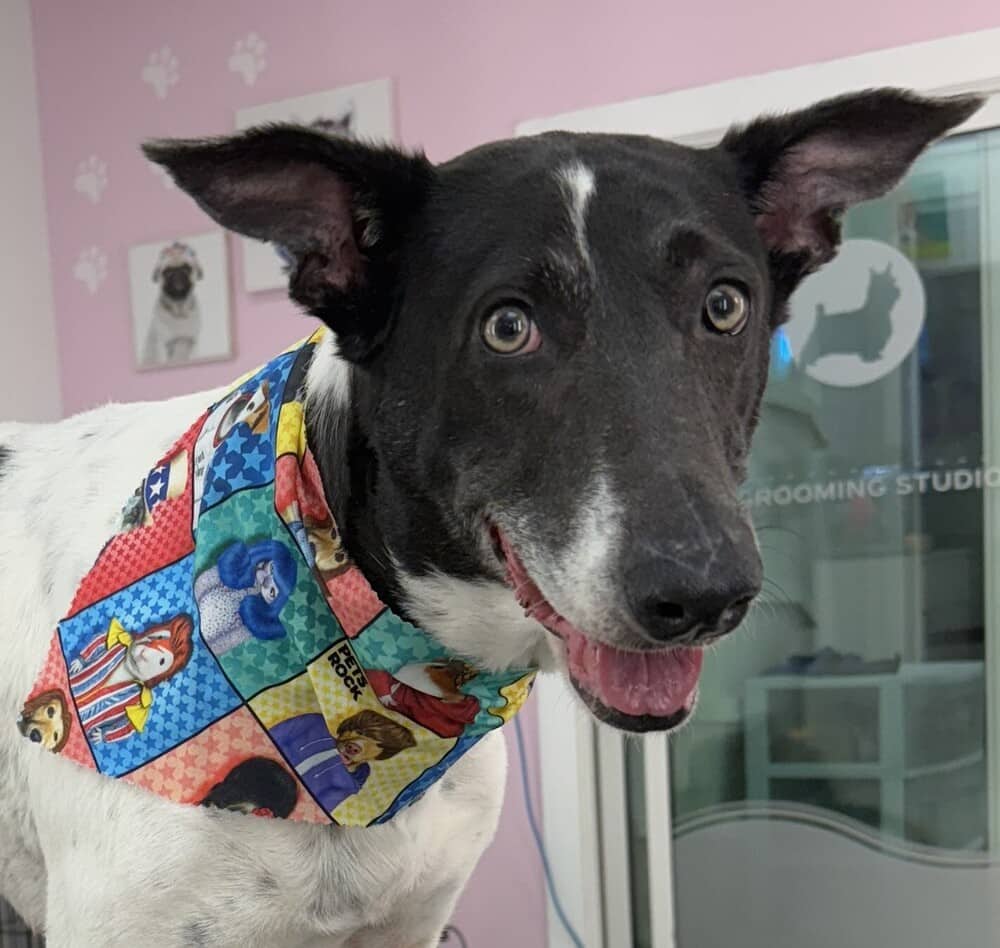
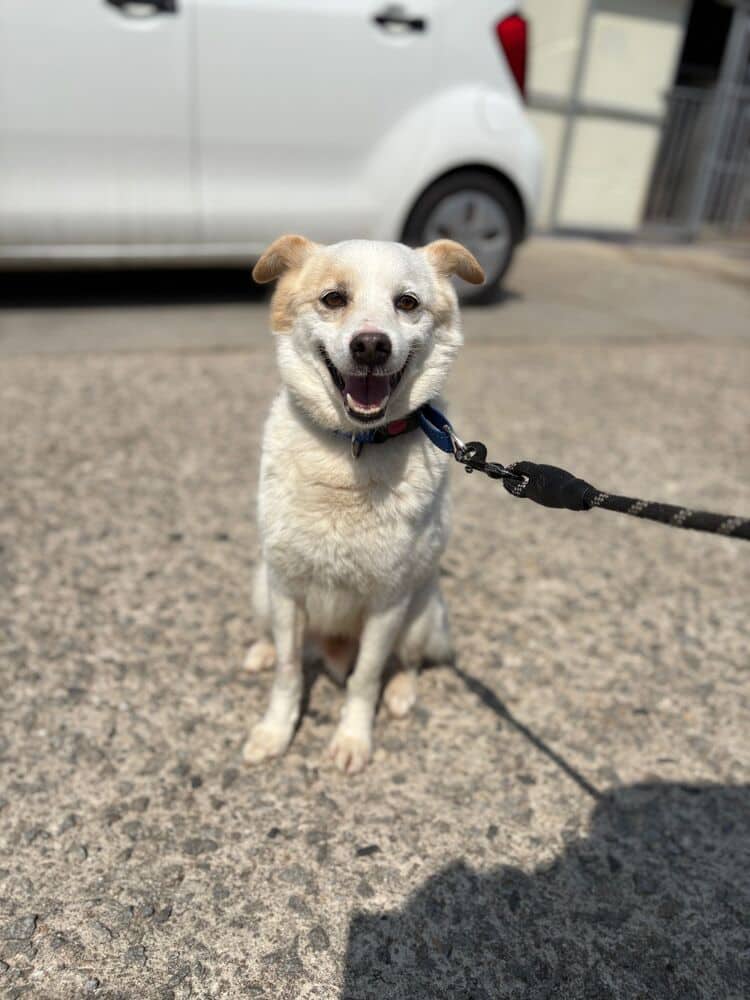
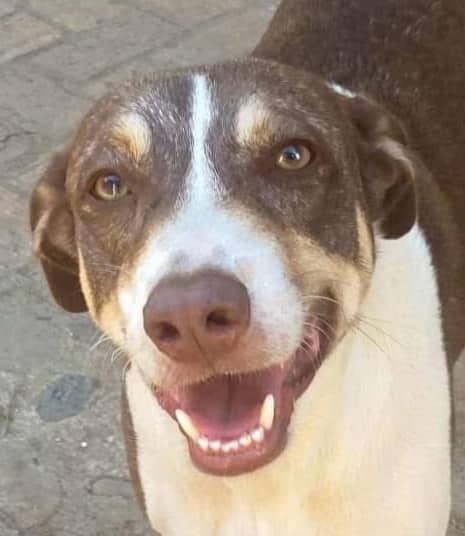
Blue Heelers in Vancouver, right now
We're currently tracking 4 adoptable Blue Heelers in the Lower Mainland, listed by 2 rescues including Loved at Last Dog Rescue and West Coast Paws Dog Rescue. Listings update regularly, and most Blue Heelers in Vancouver get adopted within days of being posted — if one catches your eye, reach out fast.
Adopting a Blue Heeler in Vancouver
Blue Heelers (the working name for Australian Cattle Dogs, recognised by the Canadian Kennel Club) are a medium-sized working herding breed around 30 to 50 lbs. They turn up in Metro Vancouver rescue regularly, more often than the urban population would suggest, because the Lower Mainland has a working farm population along the Fraser Valley and BC SPCA, RAPS, and Loved at Last all see Heelers and Heeler crosses come in when those placements fall through.
This page pulls every adoptable Blue Heeler from the launched Lower Mainland shelters into one searchable place, refreshed regularly. A serious Heeler adopter should be honest about the lifestyle this breed needs before applying. They are not condo dogs. They are not Yaletown lifestyle dogs. They are working dogs that need a job.
Why Blue Heelers cycle through Vancouver rescue
Two patterns drive most Heeler surrenders in Metro Vancouver. The first and biggest is buyer-regret. The Heeler look is striking: the blue or red mottled coat, the alert ears, the intense face. Downtown condo and Yaletown buyers see the photo and pick the dog without understanding the temperament. By month six the dog is herding the kids by nipping at heels, escaping the patio, redirecting bored energy into shoe destruction, and growing increasingly anxious in a small unstimulating space. The surrender follows quickly.
The second pattern is genuine working dogs that did not pan out. Fraser Valley dairy farms and rural Mission and Maple Ridge properties run Heelers as working dogs, and some do not develop the drive or the steady temperament the farm needs. Those dogs come to rescue and they are usually steadier in temperament than the buyer-regret surrenders, because they were raised with structure and exercise from day one. The foster will tell you which kind of Heeler you are meeting.
A working coat on the rain coast
Blue Heelers have a short, dense, weather-resistant double coat developed for the Australian outback but the breed has been on this continent for over a century and the coat handles Lower Mainland conditions well. The undercoat is thick enough to keep the dog warm through coastal winters and the outer guard hairs shed water reasonably during atmospheric river season. The coat blows twice a year (spring and fall) and at that point the shedding is heavy and daily brushing is realistic.
The bigger climate consideration is exercise terrain. Heelers need 90 minutes or more of vigorous daily exercise, and Vancouver`s mountain trail systems are ideal. Pacific Spirit Regional Park, the Capilano and Lynn Headwaters watersheds, Mount Seymour, and the Cypress trails all work for a fit Heeler. Buntzen Lake and the Bowen Island loop are weekend options. A flat 30-minute on-leash walk around the seawall is not exercise for this breed and the dog will tell you so by destroying the apartment.
Health concerns worth asking the foster about
Blue Heelers have a few specific health risks worth knowing about. Progressive retinal atrophy (PRA) is the most-watched genetic eye condition in the breed. Deafness is over-represented in white-marked individuals and in dogs with significant white in the coat, and BAER hearing testing is the standard way to confirm. Hip dysplasia comes up at average rates for a working breed. Elbow dysplasia, primary lens luxation, and certain forms of inherited deafness also appear. The foster will tell you whether the dog has been BAER tested and what is known about its sight. Ask directly.
What Blue Heelers are actually like to live with
Most adopters who do well with this breed already had working herding dogs and know what they signed up for. The realistic parts to plan for:
- 90 minutes or more of vigorous daily exercise, minimum. Mountain hikes, off-leash fenced running, ball drive in a controlled area, structured nose work.
- Herding by nipping. The breed was bred to control cattle by biting at heels and they will do this to running children, joggers, and cyclists if not actively trained out of it.
- Velcro-dog bonding combined with stranger-wariness. Heelers attach hard to their household and are reserved with new people. Socialisation matters and is ongoing.
- Escape risk. A bored Heeler in a yard will dig out, climb out, or learn the gate latch. East Van and North Burnaby yards rarely meet the bar.
- Mental stimulation requirement. Heelers solve problems and they will invent ones if you do not give them work. Puzzle feeders, structured training sessions, scent work, and trick training are not optional enrichment, they are baseline care.
- Strata-borderline weight. At 30 to 50 lbs they are over many condo weight limits, and the temperament is genuinely wrong for high-density living regardless of bylaw.
What the fee usually covers
Blue Heeler adoption fees at Metro Vancouver rescues sit in the medium-dog range. Fees cover spay or neuter, core vaccinations, microchip, deworming, vet check, and often BAER hearing testing or eye exam at intake. Working-line dogs that came through the Fraser Valley farms sometimes come with a deeper medical history. Confirm the exact fee on the dog`s own listing.
How to actually search
Use the filters to narrow by size (medium), energy (high), good with kids (varies, heelers nip), and shelter. Apply the same day a dog fits and be ready to walk through the realities of the breed honestly with the rescue. Foster homes in Langley, Surrey, Aldergrove, or Mission are usually willing to set up a video call before you drive across the bridges, and they will ask hard questions because the buyer-regret return pattern is one they actively try to prevent.
Looking more broadly? Browse every adoptable dog across the province on Dog Adoption British Columbia.
The rescues that most often list Blue Heelers across BC are BC SPCA Vancouver, RAPS, Loved at Last Dog Rescue, and Langley Animal Protection Society. For breed-specific background, the Canadian Kennel Club is a useful reference.
Blue Heeler Adoption FAQ — Vancouver
How many Blue Heelers are available for adoption in Vancouver?
As of October 2026, 4 Blue Heelers are available for adoption in Vancouver across 2 rescues on LocalPetFinder. Listings update regularly as dogs are adopted and new ones arrive — browse the current Blue Heelers above and apply directly through the rescue.
Where can I adopt a Blue Heeler near me in Vancouver?
Metro Vancouver has Blue Heelers in rescue more often than the urban population would suggest, because the Lower Mainland has a working farm population along the Fraser Valley. The main sources are BC SPCA Vancouver on East 7th Avenue, RAPS in Richmond, Loved at Last Dog Rescue in Langley, and Langley Animal Protection Society. This page lists what is currently available. Heeler rescues vet applicants carefully because the return pattern is well-known, so be ready for a real conversation about your lifestyle and exercise plan.
Can a Blue Heeler live in a Vancouver condo?
Almost never. At 30 to 50 lbs they are over many strata weight limits, and the temperament is the bigger problem. Heelers need 90 minutes or more of vigorous daily exercise plus serious mental stimulation, and a downtown condo lifestyle that does not deliver both will produce a destructive, anxious, sometimes nippy dog inside six months. The buyer-regret surrender pattern in Yaletown and Coal Harbour is real. If you live in a condo and want a working breed, this is not the right one.
Where should I exercise a Heeler in Vancouver?
Vancouver`s mountain trail systems and Pacific Spirit Regional Park are ideal. Pacific Spirit, Capilano and Lynn Headwaters watersheds, Mount Seymour, Cypress, Buntzen Lake, and the Bowen Island trails all give the off-leash distance work a Heeler needs. Recall must be solid before any off-leash work because the breed has prey drive and herding drive that switch on fast. Trout Lake fenced dog park is a backup for sprint and ball work when the mountain trails are not on the schedule.
Do Heelers nip children?
They can, yes. Australian Cattle Dogs were bred to control cattle by biting at heels and the instinct stays strong even in pet homes. Running, screaming, or sudden-moving children look like cattle to a Heeler, and the dog will herd them by nipping. Households with young kids need to commit to ongoing training, structured exercise that drains the herding drive, and clear management around play. Many Heelers do well with calm older children in active outdoor households. Toddler households are usually the wrong fit.
How much does it cost to adopt a Blue Heeler in Vancouver?
Adopting a Blue Heeler in Vancouver typically costs $250 to $650, and puppies usually carry a premium at $450 to $800. The exact fee varies by rescue, and older dogs are often reduced. That fee is not a purchase price. It covers work already done on the dog: spay or neuter, vaccinations, deworming, microchip, and a basic vet workup, which would cost several hundred dollars more if you arranged it yourself after buying. Buying the same breed from a registered breeder generally runs well over $1,000, usually with a waitlist. Ask the rescue what is included before you apply, since a few include extras like a starter bag of food or a first-month insurance trial.
Are these Blue Heelers for sale in Vancouver?
Not for sale, for adoption, which is usually the better deal. Every Blue Heeler here comes from a Vancouver rescue or shelter, not a breeder, pet store, or classified seller. Adoption fees are typically $250 to $650, with puppies at $450 to $800 and already include vaccinations, deworming, microchip and spay or neuter when age-appropriate, versus roughly several thousand dollars to buy a Blue Heeler from a breeder. If you searched "blue heeler for sale vancouver" or "blue heeler puppies for sale," adopting gets you a healthy, vetted dog for a fraction of the price.
Where can I buy a Blue Heeler in Vancouver, and should I?
You can buy from a registered breeder, but it is worth weighing against adoption first. A reputable Blue Heeler breeder typically charges several thousand dollars and often has a waitlist, while a rescue Blue Heeler costs $250 to $650, with puppies at $450 to $800 fully vetted and may be available now. Be cautious of cheap blue heeler-for-sale ads on classified sites and marketplaces, which are frequently backyard breeders or puppy-mill resellers with unvetted, sometimes sick animals and no health guarantee. If you do buy, insist on seeing where the puppies were raised and getting vet records. For most families in Vancouver, adopting a rescue Blue Heeler is cheaper, faster, and gives a dog in need a home.
Are there free Blue Heelers in Vancouver, or blue heelers under $500?
Adoption is the closest honest answer, and it is not free. A rescue Blue Heeler in Vancouver typically costs $250 to $650, with puppies at $450 to $800, so the lower end lands under the "$500" people search for and the rest does not. What the fee buys is work already done, the vaccinations, deworming, microchip and spay or neuter, which would cost more than the fee itself if you arranged it yourself, and it is still far below breeder prices. Be wary of genuinely free blue heeler listings. An animal advertised free to a good home has usually not been vetted, and free rehoming ads are the route flippers and unregistered breeders use to move animals with no health guarantee and no recourse. Paying a rescue fee buys you a dog someone has already examined, treated, and been honest with you about.
Are there Blue Heeler puppies in Vancouver, or only adults?
Both, but adults far outnumber puppies, and it is worth knowing that before you start looking. Most Blue Heelers arriving in Vancouver rescue are adolescents and adults, because that is the age at which first homes tend to give up. Puppies do come through, usually as accidental litters or with a surrendered mother, and they are typically spoken for quickly. Setting an alert beats refreshing the page. It is also worth asking whether you actually want one: an adult arrives with a temperament a foster has already observed and described, where a Blue Heeler puppy is a prediction, and for this breed in particular knowing what you are getting is the more useful thing.
Where can I find a Blue Heeler near me in Vancouver?
Start with the listings on this page, which pull from Vancouver rescues and shelters and are refreshed regularly, so what you see is what is genuinely available rather than a stale directory. If nothing suits today, that is normal for this breed: rescue intake is intermittent rather than steady, and a breed with none listed this week often has several next month. Setting an alert beats checking back, and it is worth widening to nearby towns, since most rescues serving Vancouver will adopt out across a reasonable driving distance rather than only inside one municipality.
Have a dog to rehome?
Rehoming a Blue Heeler in Vancouver?
List your dog free. Local adopters browsing Vancouver see owner listings first: no shelter, no fees, you choose the home.
List your pet free →Takes 3 minutes. You stay in control of who adopts.
Not seeing one yet?
Get notified when a Blue Heeler is listed in Vancouver
We'll email you the moment a Blue Heeler is listed in Vancouver on LocalPetFinder, from a rescue or an owner rehoming.
One email when there's a match. Unsubscribe anytime.
For rescues & shelters
Are you a Vancouver-area rescue? List your adoptable dogs free.
Free shelter account: your dogs appear here and across LocalPetFinder, with analytics and adoption applications included.