Showing 4 dogs
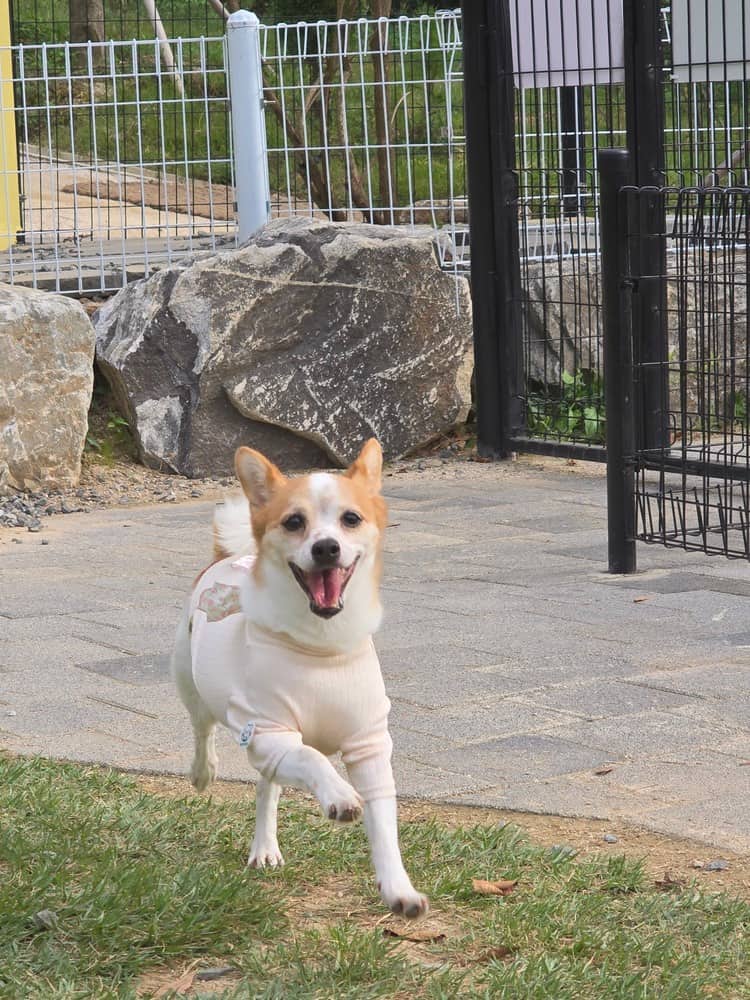
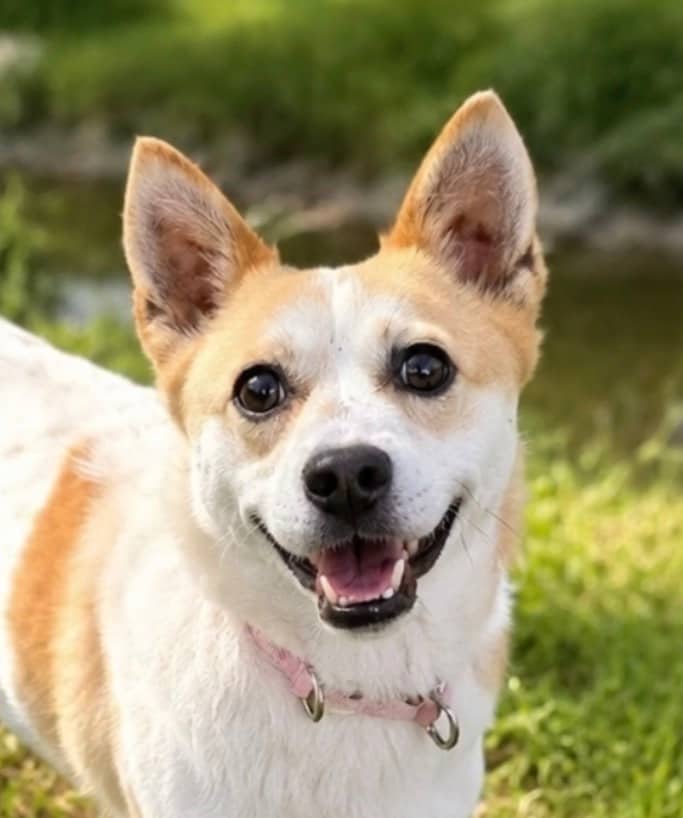
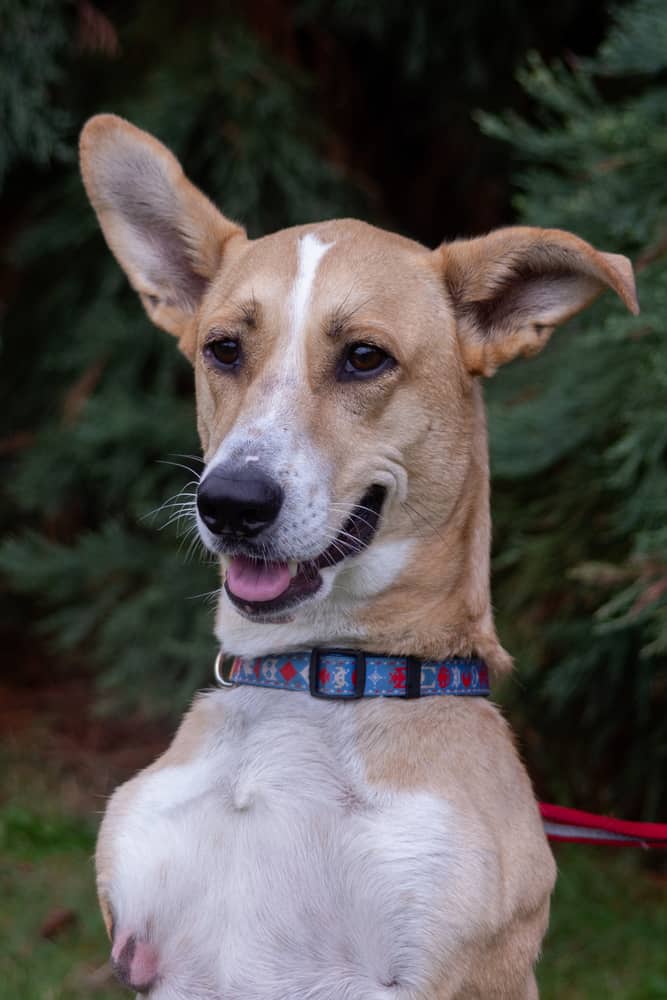
Corgis in Vancouver, right now
We're currently tracking 4 adoptable Corgis in the Lower Mainland, listed by 1 rescue including Loved at Last Dog Rescue. Listings update regularly, and most Corgis in Vancouver get adopted within days of being posted — if one catches your eye, reach out fast.
Adopting a Corgi in Vancouver
Corgis (both Pembroke and Cardigan Welsh) reach Metro Vancouver rescue in larger numbers than they did before 2020, almost entirely as fallout from the pandemic-puppy and royal-family marketing surge of 2020 to 2022. BC SPCA Vancouver on East 7th, RAPS in Richmond, and Loved at Last in Langley all see them in adolescence (12 to 24 months), when the herding drive and the vocal alarm-bark first becomes a problem for owners who chose the breed on cuteness alone.
This page pulls every adoptable Corgi from the launched Metro Vancouver shelters into one searchable place, refreshed regularly. The breed travels well, so a serious adopter should search Metro-wide and treat a Langley or Surrey foster home as reachable. Most rescues will set up a meet wherever you live once an application looks like a fit.
Why so many Corgis in adolescence
The Corgi surrender wave Metro Vancouver rescues are working through has a clear cause. From 2020 to 2022 the breed became aspirational on social media and through royal-family coverage, and Lower Mainland breeders charged $3,500 to $5,000 for puppies that buyers brought home without understanding the breed. The dogs hit adolescence around 12 to 18 months and the herding drive, the alarm-barking, the demand for daily exercise, and the food motivation all surface at once. The dogs that arrive in rescue now are mostly two- to four-year-olds whose first homes were the wrong fit.
The good news for adopters is that adolescent Corgis are excellent dogs with a moderately-experienced home. The breed is genuinely smart and trains well; the behaviours that get them surrendered are normal Corgi behaviours that just needed a household ready for them. Calgary and Edmonton have similar surrender patterns but Metro Vancouver intake numbers are higher because the buyer pool was bigger.
A short-legged dog on the rain coast
Corgis on the rain coast need a wet-weather routine more than most breeds. The short legs put the belly closer to puddles and the dog comes home soaked from underneath as much as from the top. Towel by the door, a routine that prevents the dog from sitting damp, and a coat for cold-snap weeks (rare in Vancouver but they happen) are the practical pieces. The breed handles cool, wet coast weather well; it is the indoor pattern of wet belly and damp ears that owners need to plan for, not the temperature.
Summer is the easier half of the year. Corgis are not heat-fragile the way brachycephalic breeds are, but they are heavy-coated double-coated dogs and Vancouver heat domes still warrant midday avoidance. Walk early or after dark in late July and August, and skip outdoor work on heavy-smoke days. The double coat sheds twice a year heavily and a Vancouver groomer for de-shedding every 8 to 12 weeks is the realistic budget; this is not a low-maintenance coat.
Health concerns worth asking the foster about
Corgis carry the long-back-short-leg conformation that makes intervertebral disc disease (IVDD) a real concern, similar to Dachshunds. Ramps to the couch and bed from day one, no jumping from heights, and weight management are the three preventative pieces that matter most. Hip dysplasia is common. Degenerative myelopathy (DM) appears in senior Corgis and is the breed-specific late-life concern; rescues with a senior Corgi will usually flag if testing has been done.
Obesity is the genuinely manageable risk that nearly all Corgi owners underestimate. The breed is exceptionally food-motivated and will eat any quantity offered. An overweight Corgi puts the spine and joints under load that turns IVDD from a possibility into a probability. The realistic plan is measured meals, minimal table food, and treat-based training that uses kibble portions rather than added calories. Vancouver vets see far more overweight Corgis than they should.
What Corgis are actually like to live with
A Corgi is more dog than the size suggests in nearly every dimension. The realistic picture:
- Daily exercise is real. Plan on 60 minutes minimum, including off-leash play if recall is solid (most Corgis have decent recall once trained).
- Alarm-barking is loud and frequent. This matters more in a Vancouver strata building than in a single-family home. Train early.
- Recall at Pacific Spirit, Stanley Park, or Spanish Banks is usually fine once established; the herding drive is real but most Corgis are biddable.
- Coyotes throughout Pacific Spirit and Stanley Park are a size mismatch a Corgi will not win. Eyes on the dog at all times in those areas.
- Daily ramp use is non-negotiable. No couch jumping, no bed jumping, no car jumping into a truck. Lifelong rule.
- Shedding is heavy twice a year and constant in between. Vacuum routine, lint roller, and seasonal de-shedding at a groomer.
- They are smart and food-motivated, which makes training easy if managed and weight gain easy if not.
What the fee usually covers
Corgi adoption fees at Metro Vancouver rescues sit in the medium-small-dog range and cover the medical work the rescue already paid for: spay or neuter, core vaccinations, microchip, and a vet check before placement. Confirm the exact fee on the listing because pandemic-era surrendered Corgis sometimes arrive in good condition (the surrender reason was usually lifestyle not health) and the fee reflects that.
How to actually search
Use the filters to narrow by size (Corgis are small-to-medium), energy (medium-to-high), good with kids (usually yes for school-age and up), and good with cats (often yes; some have herding drive toward small pets). Apply the same day if a dog fits because Corgi demand in Metro Vancouver is high and good listings move within hours. Foster homes will set up a video call so you can see the back posture, hind-end movement, and weight before you commit to driving across the bridges.
Looking more broadly? Browse every adoptable dog across the province on Dog Adoption British Columbia.
The rescues that most often list Corgis across BC are BC SPCA Vancouver, RAPS, Loved at Last Dog Rescue, and Langley Animal Protection Society. For breed-specific background, the Canadian Kennel Club is a useful reference.
Corgi guides for Vancouver adopters
Corgi Adoption FAQ — Vancouver
How many Corgis are available for adoption in Vancouver?
As of October 2026, 4 Corgis are available for adoption in Vancouver across 1 rescue on LocalPetFinder. Listings update regularly as dogs are adopted and new ones arrive — browse the current Corgis above and apply directly through the rescue.
Where can I adopt a Corgi near me in Vancouver?
Metro Vancouver has Corgis in rescue more often now than five years ago, almost entirely as pandemic-puppy fallout. The main sources are BC SPCA Vancouver on East 7th Avenue, RAPS in Richmond, Loved at Last Dog Rescue in Langley, and Langley Animal Protection Society. This page lists what is currently available across all of them, refreshed regularly. Demand is high so check often and apply quickly when a dog fits.
Are Pembroke and Cardigan Corgis different to adopt?
In Vancouver rescue, mostly the same. Pembroke Welsh Corgis (the more common breed, usually docked tail) make up the large majority of rescue intake; Cardigan Welsh Corgis (longer tail, slightly larger) appear occasionally. Temperament differences are real but small for the average adopter: Cardigans are sometimes slightly more reserved with strangers, Pembrokes slightly more outgoing. Both have the same exercise needs, the same back-health concerns, and the same alarm-barking. Filter by what is currently available.
Can I keep a Corgi in a Vancouver condo?
Yes, easily. Adult Corgis run 25 to 30 lbs which fits every common Vancouver strata weight cap, and the breed is small enough for elevator and balcony life. The two strata-relevant behaviours to plan for are alarm-barking (Corgis bark at hallway sounds, which neighbours notice) and daily exercise (a Corgi needs a real walk, not just an indoor wander). A condo Corgi works fine with both managed; train the bark early and commit to the daily outing.
How much does it cost to adopt a Corgi in Vancouver?
Corgi adoption fees at Metro Vancouver rescues sit in the medium-small-dog range and cover spay or neuter, vaccines, microchip, and intake medical work. The ongoing budget items are seasonal de-shedding grooming, ramp setup for back health, and weight management with measured meals. IVDD surgery if it happens runs $5,000 to $10,000 at a Vancouver specialty clinic; pet insurance is reasonable for this breed. Confirm the adoption fee on the dog's own listing.
What is the difference between a Pembroke and a Cardigan Welsh Corgi?
They are two separate breeds. The Pembroke Welsh Corgi is the more common one, usually tailless or docked, with smaller pointed ears and red, sable, or tricolour coats. The Cardigan Welsh Corgi is a bit larger and heavier-boned, always has a long fox-like tail, has bigger rounded ears, and comes in more colours including blue merle and brindle. Both share the long back that makes IVDD (spinal disc disease) a real risk, so keep either one lean and limit jumping on and off furniture.
Are these Corgis for sale in Vancouver?
Not for sale, for adoption, which is usually the better deal. Every Corgi here comes from a Vancouver rescue or shelter, not a breeder, pet store, or classified seller. Adoption fees are typically $250 to $650, with puppies at $450 to $800 and already include vaccinations, deworming, microchip and spay or neuter when age-appropriate, versus roughly several thousand dollars to buy a Corgi from a breeder. If you searched "corgi for sale vancouver" or "corgi puppies for sale," adopting gets you a healthy, vetted dog for a fraction of the price.
Where can I buy a Corgi in Vancouver, and should I?
You can buy from a registered breeder, but it is worth weighing against adoption first. A reputable Corgi breeder typically charges several thousand dollars and often has a waitlist, while a rescue Corgi costs $250 to $650, with puppies at $450 to $800 fully vetted and may be available now. Be cautious of cheap corgi-for-sale ads on classified sites and marketplaces, which are frequently backyard breeders or puppy-mill resellers with unvetted, sometimes sick animals and no health guarantee. If you do buy, insist on seeing where the puppies were raised and getting vet records. For most families in Vancouver, adopting a rescue Corgi is cheaper, faster, and gives a dog in need a home.
Are there free Corgis in Vancouver, or corgis under $500?
Adoption is the closest honest answer, and it is not free. A rescue Corgi in Vancouver typically costs $250 to $650, with puppies at $450 to $800, so the lower end lands under the "$500" people search for and the rest does not. What the fee buys is work already done, the vaccinations, deworming, microchip and spay or neuter, which would cost more than the fee itself if you arranged it yourself, and it is still far below breeder prices. Be wary of genuinely free corgi listings. An animal advertised free to a good home has usually not been vetted, and free rehoming ads are the route flippers and unregistered breeders use to move animals with no health guarantee and no recourse. Paying a rescue fee buys you a dog someone has already examined, treated, and been honest with you about.
Are there Corgi puppies in Vancouver, or only adults?
Both, but adults far outnumber puppies, and it is worth knowing that before you start looking. Most Corgis arriving in Vancouver rescue are adolescents and adults, because that is the age at which first homes tend to give up. Puppies do come through, usually as accidental litters or with a surrendered mother, and they are typically spoken for quickly. Setting an alert beats refreshing the page. It is also worth asking whether you actually want one: an adult arrives with a temperament a foster has already observed and described, where a Corgi puppy is a prediction, and for this breed in particular knowing what you are getting is the more useful thing.
Where can I find a Corgi near me in Vancouver?
Start with the listings on this page, which pull from Vancouver rescues and shelters and are refreshed regularly, so what you see is what is genuinely available rather than a stale directory. If nothing suits today, that is normal for this breed: rescue intake is intermittent rather than steady, and a breed with none listed this week often has several next month. Setting an alert beats checking back, and it is worth widening to nearby towns, since most rescues serving Vancouver will adopt out across a reasonable driving distance rather than only inside one municipality.
Have a dog to rehome?
Rehoming a Corgi in Vancouver?
List your dog free. Local adopters browsing Vancouver see owner listings first: no shelter, no fees, you choose the home.
List your pet free →Takes 3 minutes. You stay in control of who adopts.
Not seeing one yet?
Get notified when a Corgi is listed in Vancouver
We'll email you the moment a Corgi is listed in Vancouver on LocalPetFinder, from a rescue or an owner rehoming.
One email when there's a match. Unsubscribe anytime.
For rescues & shelters
Are you a Vancouver-area rescue? List your adoptable dogs free.
Free shelter account: your dogs appear here and across LocalPetFinder, with analytics and adoption applications included.