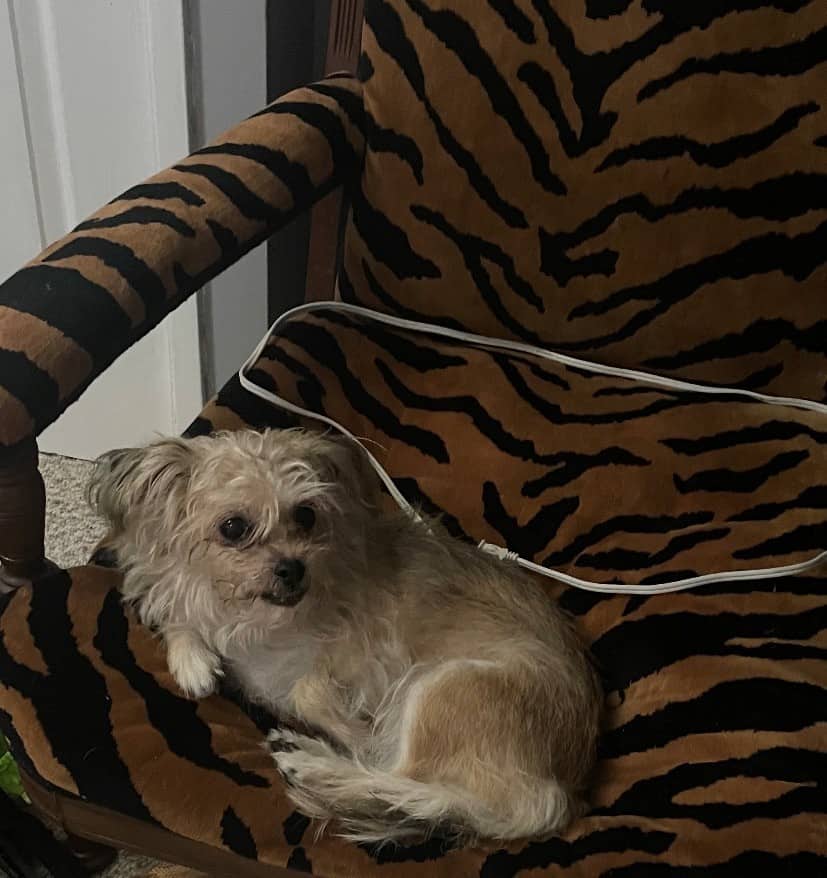
Where to find apartment-friendly dogs for adoption in Victoria? LocalPetFinder lists 1 calm, low-to-moderate-energy dogs currently available from Greater Victoria rescues: BC SPCA Victoria Branch, Victoria Humane Society, CRD Animal Shelter, Dog Bless Rescue Partners, Broken Promises Rescue Society, and Victoria Pet Adoption Society. Each dog is flagged apartment-friendly based on size, energy level, and foster-reported behaviour. Most listings serve James Bay, Fairfield, Fernwood, Rockland, Oak Bay, Vic West, downtown Victoria, Esquimalt, Saanich, Langford, and Sidney. Confirm your building's pet bylaw and strata weight cap before applying.
Victoria has Canada's mildest climate and a dense mix of heritage walk-ups, modern downtown towers, and James Bay condos, which makes it one of the better Canadian cities for apartment-dog adoption. The factors that actually predict apartment success are energy level, temperament, and bark profile, not just size. A 70 pound Greyhound napping 18 hours a day fits a downtown Victoria condo better than a 15 pound Jack Russell that wants four hours of running. The dogs listed below have been flagged apartment-friendly based on size, energy level, and behavioural notes from their Vancouver Island rescue foster homes.
Victoria strata bylaws vary by municipality across the 13 CRD members, with most downtown and James Bay buildings setting weight caps (commonly 20 to 35 pounds) and restricting specific breeds. Verifying your building's pet policy is the first step before applying. The huge advantage is climate: Victoria winters are the mildest in Canada, with January averages of 1 to 4 degrees Celsius and snow only a few days a year. Apartment dogs here need essentially no winter gear beyond a rain jacket. The trade-off is rain. Five to six months of wet weather from October through March means absorbent towels by the door and a sheltered potty spot matter more than winter coats. Greater Victoria rescues (BC SPCA Victoria Branch, Victoria Humane Society, CRD Animal Shelter, Dog Bless Rescue Partners, Broken Promises Rescue Society, and Victoria Pet Adoption Society) consistently move apartment-suitable dogs into James Bay, Fairfield, Fernwood, Rockland, Oak Bay, Vic West, downtown, Esquimalt, Saanich, Langford, Colwood, View Royal, Sidney, and Sooke. Listings refresh regularly.
Best Apartment-Friendly Breeds for Victoria Condos
For Victoria condo and apartment living, the strongest matches combine calm temperament, low barking, moderate exercise needs, and tolerance for elevators. Top picks for James Bay, Fairfield, Fernwood, Rockland, and downtown buildings:
- Cavalier King Charles Spaniel (13 to 18 lbs): the single best small breed for apartments. Calm, gentle, quiet, fits any household.
- French Bulldog (16 to 28 lbs): low energy, quiet, perfect for shared-wall buildings. Heat-sensitive on summer days; less of a concern in Victoria than mainland BC but still worth AC.
- Greyhound (retired racer) (60 to 80 lbs): the apartment surprise. Sleeps 18 hours a day, almost never barks, walks twice daily. Many Victoria strata bylaws still allow them despite size because they are quiet.
- Shih Tzu (9 to 16 lbs): calm, affectionate, low-arousal. Daily brushing required.
- Pug (14 to 18 lbs): quiet, friendly, lazy. Brachycephalic; budget for higher vet costs.
- Boston Terrier (10 to 25 lbs): smart, gentle, low barking. Excellent first apartment dog.
- Maltese (5 to 7 lbs): tiny, gentle, ideal for seniors and quiet households.
- Bichon Frise (10 to 18 lbs): hypoallergenic, friendly, low shedding. Good for allergy-sensitive condo neighbours.
- Mature Mastiff or Great Dane: low-energy giants that sleep most of the day. Floor space matters more than yard. Confirm strata weight caps.
- Adult senior of almost any breed: a 9-year-old Lab in foster is a better apartment match than a 9-month-old Lab. Pick adoption age over breed when in doubt.
Avoid for Victoria apartments: working-line and high-arousal breeds (Border Collies, Huskies, Australian Shepherds, Belgian Malinois, young Labradors, young German Shepherds, Jack Russell Terriers, Min Pins). Vocal breeds (Beagles, small Shelties, Yorkies) need bark training in concrete towers where sound transmits easily through shared walls.
Victoria Strata Bylaw Reality for Dog Owners
Greater Victoria spans 13 Capital Regional District municipalities (Victoria, Saanich, Oak Bay, Esquimalt, View Royal, Langford, Colwood, Sooke, Sidney, Central Saanich, North Saanich, Metchosin, Highlands), and strata rules vary by building rather than by city-wide bylaw. Three things to verify before applying to adopt:
- Weight cap. Most downtown Victoria high-rises and James Bay condos cap at 20 to 25 pounds. Fairfield, Fernwood, Rockland, and Oak Bay walk-ups tend to be more lenient (35 pound caps or no cap). Saanich, Langford, View Royal, and Sidney vary widely. Older heritage buildings sometimes have no weight cap at all.
- Breed restrictions. Common restricted list: Pit Bull-type breeds (American Pit Bull Terrier, American Staffordshire Terrier, Staffordshire Bull Terrier), Rottweilers, German Shepherds, Dobermans, Akitas, and sometimes Bulldogs, Mastiffs, and Cane Corso. Some buildings restrict by appearance, not just registered breed, which affects shepherd mixes and bully mixes. BC does not have province-wide breed-specific legislation, so restrictions are entirely strata-level.
- Number cap and registration. Most Victoria buildings cap at one or two dogs per unit and require pet registration with the strata. Failing to register is grounds for fines or removal at some buildings. The City of Victoria requires every dog to be licensed annually under the Animal Control Bylaw, which is separate from strata pet registration. Each CRD municipality runs its own licensing program with similar requirements.
Rental specifics: get pet permission in writing as part of the lease, not verbal. The Strata Property Act gives councils broad authority to enforce pet bylaws, including fines and orders for removal. Pet deposits are limited under the Residential Tenancy Act (BC) to half a month's rent, and pet fees beyond that are not legal in BC, so rental buildings cannot stack endless pet charges. Confirm BOTH the building policy AND the strata bylaw before adopting.
If your building denies your application: Victoria has a tight rental market but pet-friendly options exist. Used Victoria, Rentfaster.ca, and Craigslist let you filter by pet-friendly. Look at Fairfield, Fernwood, Vic West, Esquimalt, Oak Bay, and Saanich for more permissive landlords. Older heritage buildings tend to be more flexible than new downtown high-rises, and detached suites in Saanich and View Royal often allow larger or restricted breeds.
The Victoria Mildest-Climate Apartment-Dog Protocol
Victoria has the mildest winter climate of any major Canadian city. Snow is rare (a few days a year), January averages 1 to 4 degrees Celsius, and the city has world-class urban walking infrastructure along Dallas Road, the Inner Harbour, and Beacon Hill Park. Apartment dogs here need essentially no winter gear beyond a rain jacket. The real challenge is rain, not cold. Practical protocol:
- Rain jacket is the single most important purchase. A quality fitted rain coat ($25 to $60) keeps the chest and back dry on five to six months of wet walks from October through March. Look for a chest-and-back panel and adjustable straps.
- Skip the insulated parka. Heavy insulated coats that are standard in Vancouver, let alone prairie cities, are completely overkill in Victoria. Most small dogs overheat in them. A light fleece on the coldest rainy days (near freezing) is enough.
- Absorbent towels at the door. Apartment dogs come back damp from nearly every walk between October and March. A dedicated dog towel by the front door saves couches, crates, and elevator carpets.
- Sheltered potty corner on the balcony or under a building overhang for elevator buildings; many small dogs refuse to potty in heavy rain and a sheltered spot prevents accidents.
- Daily walking is exceptional. The Dallas Road waterfront, Beacon Hill Park, Inner Harbour causeway, Clover Point, Ross Bay, Gonzales Beach, Cadboro Bay, Mount Doug, Thetis Lake, Elk and Beaver Lake, and the Galloping Goose Regional Trail are all within easy reach. Even apartment dogs can hit 5+ km daily without leaving the CRD.
- Booties almost never needed. Victoria gets snow maybe a few days a year and salt is used sparingly compared to prairie cities. Most apartment dogs do fine barefoot year-round.
- Summer is forgiving. Victoria stays cooler than mainland BC in summer, with ocean breezes moderating temperatures. Brachycephalic breeds (Pugs, French Bulldogs, Bulldogs) still need attention on hot pavement days at Dallas Road and Beacon Hill, but heatwaves are rarer and shorter than Vancouver. AC is helpful but not essential for most apartment dogs.
Single-coated breeds (Chihuahua, Yorkie, Maltese, Italian Greyhound, Greyhound) need a light fleece on the coldest rainy days. Double-coated breeds (Pomeranian, Husky mix, Shiba Inu) often need no extra gear at all, though a light rain jacket still helps with soggy fur on long walks.
Apartment-Friendly Neighbourhoods Across Greater Victoria
Greater Victoria rescues serve every CRD municipality. Apartment-friendly dogs on this page are accessible whether you live in:
- Downtown Victoria & Inner Harbour: high-rise condos, elevator access, dense dog-walker community, weight caps common (often 20 to 25 lbs)
- James Bay: heritage walk-ups and modern condos next to Beacon Hill Park and Dallas Road, often more lenient pet policies in older buildings
- Fairfield & Rockland: heritage character homes, low-rise apartments, very dog-friendly culture, walking distance to Ross Bay and Dallas Road
- Fernwood: heritage walk-ups, pet-friendly neighbourhood culture, dog-friendly cafes
- Vic West: modern condos, Selkirk Waterway and Galloping Goose Trail access
- Oak Bay: heritage neighbourhood, mix of low-rise apartments and houses, Cadboro Bay and Willows Beach nearby
- Esquimalt: older buildings, generally pet-friendly, waterfront access
- Saanich (Gordon Head, Cordova Bay, Royal Oak): suburban condos and townhouses, Mount Doug and Elk Lake access
- View Royal, Colwood, Langford: suburban condos and townhouses, generally pet-friendly with weight caps, Thetis Lake and Galloping Goose access
- Sidney, Sooke, Central Saanich: smaller-town pace, more permissive pet policies, easy access to outdoor walking
Vancouver Island rescue dogs live in foster homes scattered across the CRD, so the foster location for each dog matters. LocalPetFinder shows the rescue and foster city where available.
Apartment Dog Adoption FAQ (Victoria)
How many apartment-friendly dogs are available for adoption in Victoria?▼
As of October 2026, 1 apartment-friendly dogs are available for adoption in Victoria across 1 rescue on LocalPetFinder. Listings update regularly as pets are adopted and new ones arrive — browse them above and apply directly through the rescue.
Where can I find apartment-friendly dogs for adoption in Victoria?▼
LocalPetFinder lists 1 apartment-friendly dogs currently available from Greater Victoria rescues including BC SPCA Victoria Branch, Victoria Humane Society, CRD Animal Shelter, Dog Bless Rescue Partners, Broken Promises Rescue Society, and Victoria Pet Adoption Society. Each dog is flagged apartment-friendly based on size, energy level, and foster-reported behaviour. Most listings serve James Bay, Fairfield, Fernwood, Rockland, Oak Bay, Vic West, downtown Victoria, Esquimalt, Saanich, Langford, and Sidney.
What are the best apartment-friendly dog breeds for Victoria?▼
The strongest picks are Cavalier King Charles Spaniels, French Bulldogs, Shih Tzus, Pugs, Boston Terriers, Maltese, Bichon Frise, Greyhounds (retired racers nap 18 hours a day), and adult Bulldogs. All are calm, low-to-moderate energy, and quiet enough for shared walls. Avoid working-line and high-arousal breeds (Border Collies, Huskies, Australian Shepherds, Belgian Malinois, young Labradors). Senior dogs of almost any breed adapt to apartments better than younger dogs of the same breed.
Do Victoria strata buildings have breed or weight restrictions?▼
Yes. Greater Victoria spans 13 CRD municipalities and each strata sets its own pet bylaw. Most downtown Victoria and James Bay condos cap at 20 to 35 pounds and many restrict specific breeds (Pit Bull-type breeds, Rottweilers, German Shepherds, Dobermans, Akitas, and sometimes Bulldogs). Fairfield, Fernwood, and Rockland walk-ups tend to be more lenient. Always read the strata bylaw or rental agreement BEFORE applying to adopt. The Strata Property Act gives councils broad authority to enforce these rules, so verbal “it should be fine” answers are not enough. Get pet policy in writing.
How do I manage barking in a Victoria apartment?▼
Pick a calm-temperament dog from foster evaluation. Provide consistent exercise (two walks daily along Dallas Road, Beacon Hill Park, or the Inner Harbour), mental enrichment (puzzle feeders, lick mats, scent work indoors), and a predictable routine. Most apartment barking is separation-anxiety-based and treatable with gradual departure training. Victoria concrete towers downtown and in James Bay transmit sound easily through shared walls, so avoid vocal breeds (Beagles, small terriers, Shelties) and choose breeds with naturally low bark rates (Greyhounds, Cavaliers, Bulldogs, mature Pugs).
Can a large dog live in a Victoria apartment?▼
Yes, if the breed is calm and the building allows it. Greyhounds are the classic example: 60 to 80 pound dogs that sleep 16 to 18 hours a day and adapt to small spaces better than a 25 pound terrier. Other large but apartment-suitable breeds: Great Danes, mature Mastiffs, mature Bernese, Newfoundlands. The real questions are not size: does your strata bylaw allow this weight class (many downtown Victoria and James Bay buildings cap below 35 pounds), and does the dog tolerate elevators and tight common areas without reactivity?
How do apartment dogs handle Victoria winters?▼
Victoria has the mildest winter climate of any major Canadian city and most apartment dogs handle it without any winter gear at all. January averages 1 to 4 degrees Celsius and snow is rare. Heavy insulated parkas that are standard in Vancouver, let alone prairie cities, are completely unnecessary. The real challenge is rain. Expect five to six months of wet weather from October through March and budget for a quality rain jacket ($25 to $60), absorbent towels by the door, and a sheltered potty corner. Booties are almost never needed.
Are elevator buildings better than walk-ups for dogs in Victoria?▼
Elevator buildings are easier for senior dogs, dogs with joint issues, and owners with mobility limitations. The trade-off in Victoria is dog density: downtown towers and James Bay condos have many dogs sharing one elevator, so dog-reactive dogs can struggle. Walk-ups in Fairfield, Fernwood, Rockland, and Oak Bay often have fewer dogs and quieter corridors, which suits shy or reactive dogs better. Heritage walk-ups in older Victoria neighbourhoods often have character and quiet that downtown high-rises cannot match. Pick based on your dog: calm and sociable favours elevator, reactive and shy favours quiet low-rise with private entry.
What does it cost to adopt and keep an apartment dog in Victoria?▼
Victoria rescue adoption fees run $300 to $600 (covers spay/neuter, vaccinations, microchip, vet workup; retail value $800 to $1,400 because Vancouver Island vet costs trend higher than the Canadian average). Senior dogs often run $150 to $300. Annual cost for an apartment-suitable small to medium dog: $1,800 to $2,800 (food, vet, grooming, supplies, pet insurance). Most Victoria rental buildings charge a pet deposit, capped at half a month's rent under BC law. Brachycephalic breeds (Pugs, French Bulldogs, Bulldogs) trend higher long-term due to chronic ear, skin, and breathing issues, with potential BOAS surgery at $3,500 to $6,000 at Vancouver Island or Vancouver specialty clinics.
Are these apartment-friendly dogs for sale in Victoria?▼
Not for sale, for adoption, and for most people that is the better deal. Every dog listed here comes from a Victoria-area rescue or shelter rather than a breeder, pet store or classified seller. The adoption fee is typically a few hundred dollars and already covers spay or neuter, vaccinations, deworming and a microchip, which on their own would usually cost more than the fee. If you searched "apartment-friendly dogs for sale victoria", this is the same search done a cheaper way, with a dog someone has already examined and can tell you about.
Where can I buy an apartment-friendly dog in Victoria, and should I?▼
You can buy from a registered breeder, and it is worth pricing against adoption before you do. A breeder puppy generally runs well into four figures and often comes with a waitlist, while a rescue dog costs a few hundred dollars fully vetted and may be available this week. The listings to be careful with are the cheap ones on classified sites and marketplaces, which are frequently backyard breeders or puppy-mill resellers moving unvetted animals with no health guarantee. If you do buy, insist on seeing where the litter was raised and getting vet records.
Are there free apartment-friendly dogs in Victoria, or apartment-friendly dogs under $500?▼
Adoption is the closest honest answer and it is not free. A rescue dog in Victoria usually costs a few hundred dollars. The fee already covers medical work worth considerably more. Genuinely free listings deserve suspicion: a dog advertised free to a good home has usually not been vetted, and free rehoming ads are the route flippers and unregistered breeders use to move animals with no recourse for the buyer. Reduced-fee events, sponsored long-stay dogs and senior discounts are the legitimate ways the price comes down.
Are there apartment-friendly puppies in Victoria, or mostly adults?▼
Both, but adults outnumber puppies and it is worth knowing that before you start. Most dogs arriving in Victoria rescue are adolescents and adults, because that is the stage at which first homes tend to give up. Puppies do come through, usually as accidental litters or with a surrendered mother, and they are typically spoken for quickly, so an alert beats refreshing the page. It is also worth asking whether you want one: an adult arrives with a temperament a foster has already lived with and can describe, where a puppy is a prediction.
Where can I find apartment-friendly dogs near me in Victoria?▼
Start with the listings on this page, which pull from Victoria rescues and shelters and refresh regularly, so what you see is genuinely available rather than a directory that went stale months ago. If nothing suits today, check back or set an alert, because apartment-friendly dogs in particular move fast and the list turns over. It is also worth widening slightly beyond the city, since most rescues serving Victoria will adopt across a reasonable driving distance rather than only within municipal limits.
Explore More Victoria Adoption Categories
Small Dogs →
Dogs under 25 lbs that clear most strata weight caps.
Low Energy Dogs →
Calm dogs of any size that thrive on two walks a day.
Senior Dogs →
Mature dogs (7+) that adapt to apartments better than puppies.
Good With Kids →
Family-friendly dogs verified through foster homes.
Good With Cats →
Multi-pet households welcome; cat-tested foster dogs.
All Victoria Dogs →
Browse every adoptable dog from Greater Victoria rescues.