Showing 5 dogs
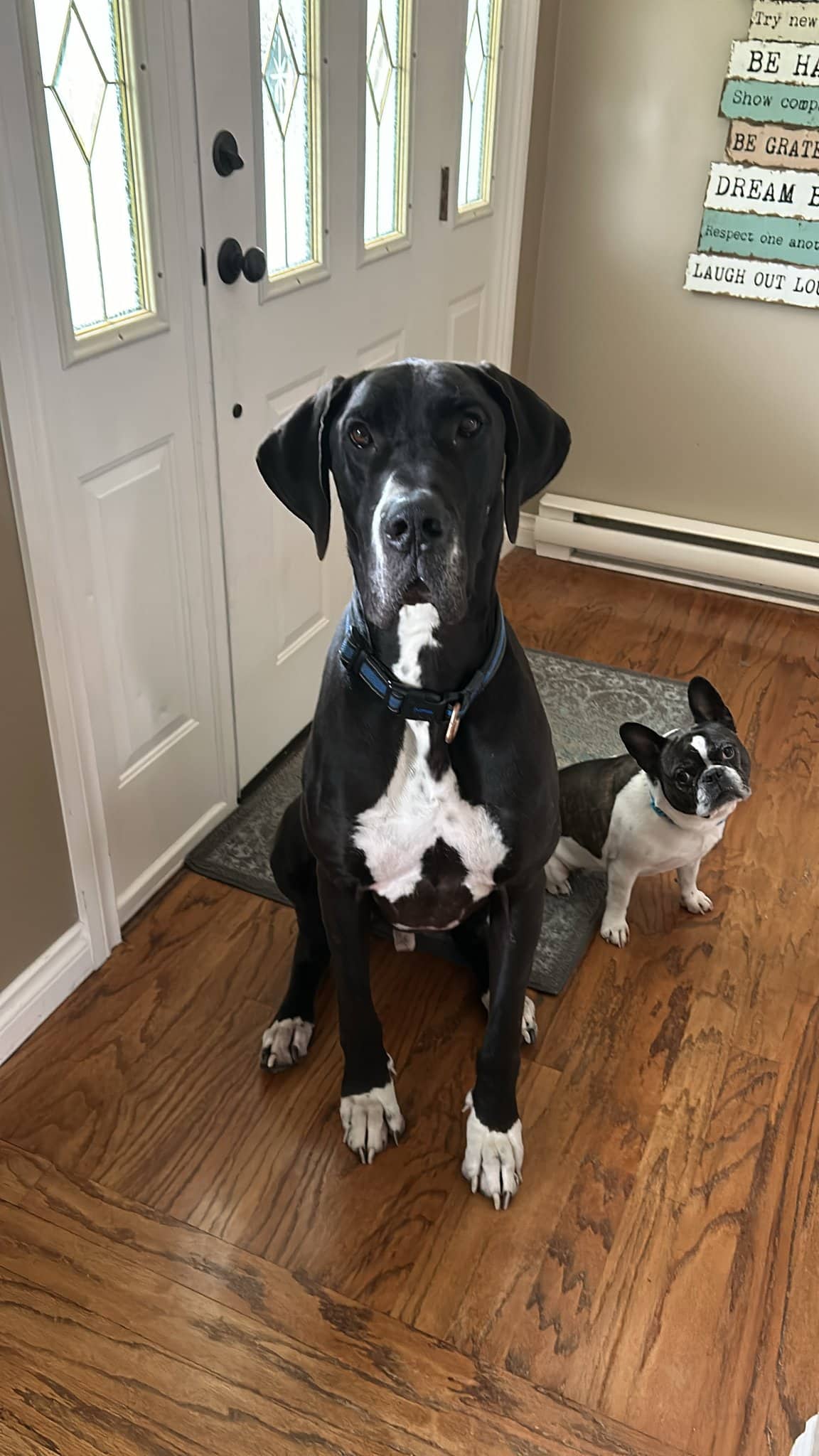

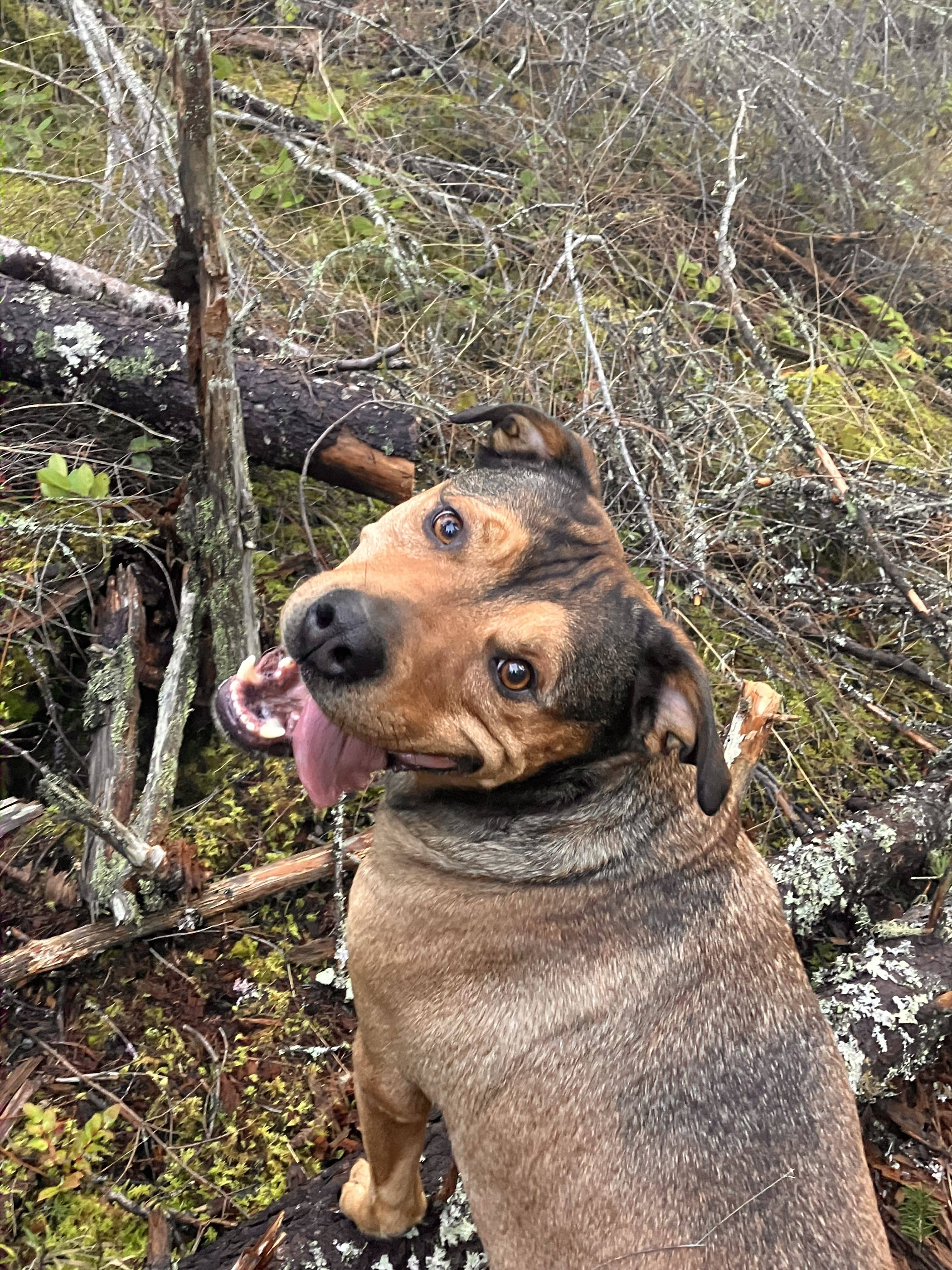
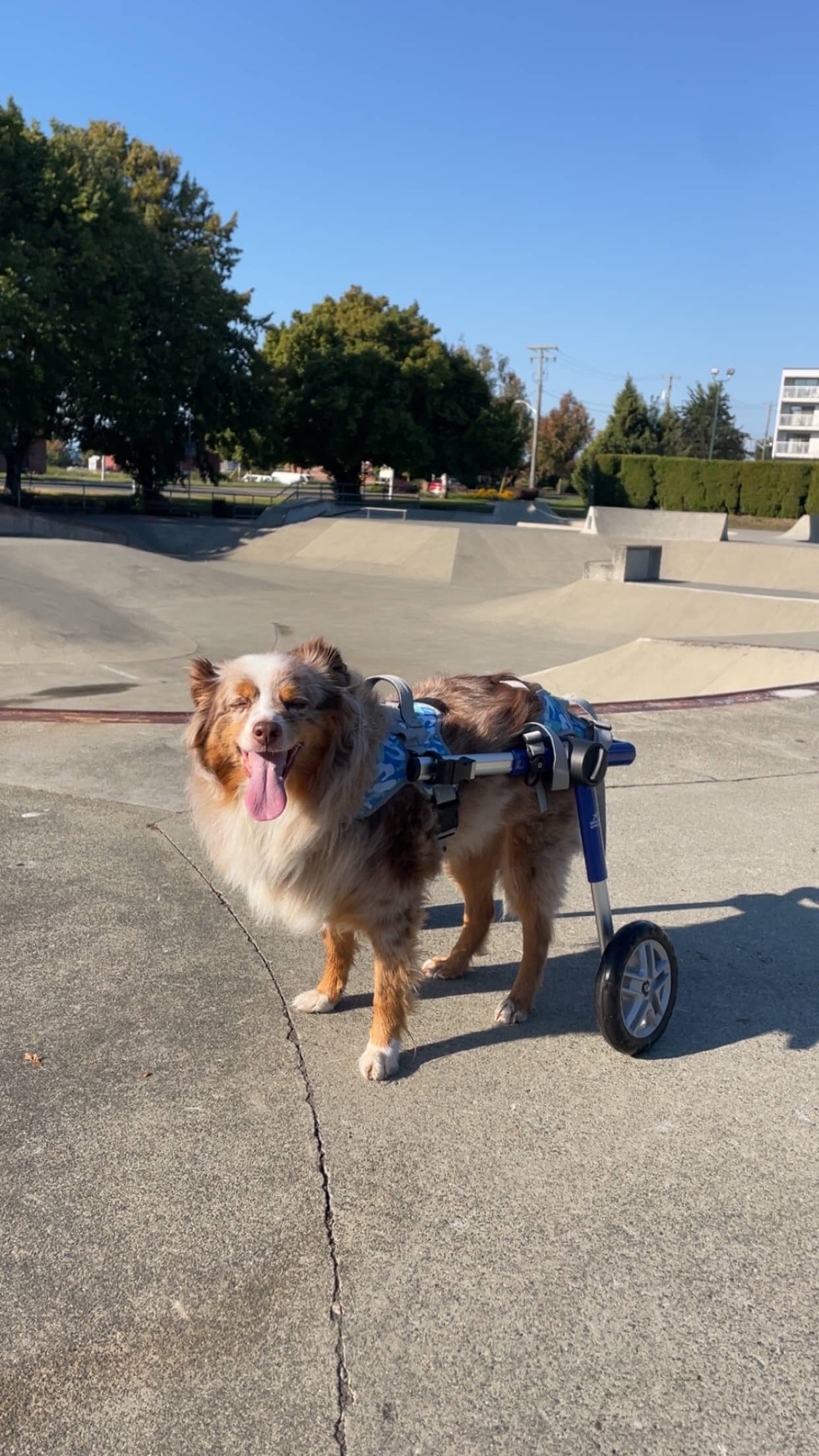

Best Family Dog Breeds in Victoria Rescues
These breeds and their mixes have a strong track record with children. The individual dog's foster assessment matters more than the breed label, and many wonderful family dogs are mixed breeds. Browse a breed page to see availability in Victoria now.
Labrador Retriever →
The classic family dog. Patient, friendly, and forgiving of clumsy kid handling. Plan for exercise as a young dog.
Golden Retriever →
Gentle, tolerant, and endlessly patient. One of the best breeds with children. Rare in rescue and quick to go.
Beagle →
Sturdy, cheerful, and kid-sized. Great with children, though the nose leads to wandering and the bark can be loud.
Boxer →
Playful, patient, and famously devoted to kids. High energy as youngsters, so supervise around toddlers.
Bernese Mountain Dog →
A gentle giant that adores family life. Calm and affectionate with kids. Size, shedding, and lifespan are the trade-offs.
Cavalier King Charles →
Small, sweet, and adaptable. A lovely lap-sized family dog, gentle with careful kids and easy in apartments.
Cocker Spaniel →
Affectionate, medium-sized, and people-focused. Good with gentle children. Needs regular grooming and ear care.
Poodle & Poodle Mixes →
Smart, trainable, and low-shedding, which helps allergy-prone families. Every size. Grooming is the commitment.
Adopting a family dog in Victoria is different from buying one. Most Victoria-area rescues run foster networks, not kennels, which means the dog has already been living in a real home for weeks or months. The foster family knows how the dog handles noisy mornings, dropped food at the table, kids running through the living room, and bedtime routines. That history is far more useful than a fifteen-minute meet at a shelter.
BC SPCA Victoria, Victoria Humane Society, CRD Animal Shelter, Dog Bless Rescue, Broken Promises Rescue, and Victoria Pet Adoption Society (VPAS) all publish foster notes on dogs that have lived with children. The dogs you see below have been flagged as good with kids by at least one of these rescues. Mild Vancouver Island weather means Victoria families get year-round outdoor time with their dogs, which matters more for matching active kids to active dogs than people realize.
When you find a dog you like, ask the rescue what ages of children the dog has lived with. “Good with kids” covers a wide range: a calm dog that lived with a quiet ten-year-old is a very different match than a dog that thrived with active toddlers. The right question to ask is not whether the dog is good with kids in general, but whether the dog is good with your kids in particular. Most Victoria rescues will happily set up a structured meet so the foster can watch your kids interact with the dog before you commit.
Breeds that often do well
Lab and Golden mixes, foster-raised Pit Bull mixes, calm hound mixes, and many small breed mixes from out-of-province transports. Individual foster history matters more than breed every time.
Foster-evaluated kid compat
The dog has lived in a home with children and been observed across normal family life. Ask the rescue what ages of kids the dog has lived with, not just whether it likes kids.
Year-round family walks
Beacon Hill Park, Dallas Road waterfront, Mount Douglas (PKOLS), and Cattle Point all work year-round in Victoria's mild island climate. Rain matters more than cold, so a quick-dry dog coat beats winter booties here.
Browse all Victoria rescue dogs
See every adoptable dog from Victoria-area shelters, not just the kid-friendly ones. Filter by size, age, energy level, and compatibility.
See All Victoria Dogs →Frequently Asked Questions
How many dogs good with kids are available for adoption in Victoria?
As of October 2026, 5 dogs good with kids are available for adoption in Victoria across 2 rescues on LocalPetFinder. Listings update regularly as pets are adopted and new ones arrive — browse them above and apply directly through the rescue.
Where can I find family-friendly dogs for adoption near me in Victoria?
LocalPetFinder lists rescue dogs verified good with kids from Victoria-area shelters, including BC SPCA Victoria, Victoria Humane Society, CRD Animal Shelter, Dog Bless Rescue, Broken Promises Rescue, and Victoria Pet Adoption Society (VPAS). Most of these rescues run foster-based programs, which means each dog has lived in a real home (often one with children) before adoption. Foster notes are the gold standard signal for kid compatibility.
How do Victoria rescues verify a dog is good with kids?
Most Victoria-area rescues use foster networks rather than kennel facilities. The dog lives in a real home for weeks or months before adoption, often with children present. Foster families observe how the dog reacts to noise, rough play, food handling, and being startled. Victoria Humane Society, Dog Bless, and Broken Promises all publish foster notes on individual dog profiles. BC SPCA Victoria assesses dogs in care and notes kid compatibility on each listing. Ask the rescue what ages of children the dog has lived with for the most useful answer.
What breeds tend to do well with kids in Victoria family homes?
Victoria rescue intake skews toward Labrador and Golden mixes, herding mixes, Pit Bull mixes, and small breed mixes from out-of-province transports (many from northern BC and Alberta). Labs and Goldens are classic family dogs. Many Pit Bull mixes are excellent with kids when raised in stable foster homes. Herding breeds can be brilliant with older children but may nip at running toddlers. Individual temperament matters far more than breed, which is why foster notes are the gold standard.
Are dogs better with toddlers or older children?
Most adoption counsellors recommend waiting until children are at least five or six before bringing home a new dog. Toddlers move unpredictably, grab fur and ears, and cannot read a dog's stress signals. That said, plenty of foster-evaluated dogs do beautifully with toddlers when supervised constantly. Adult dogs aged two to five with confirmed kid history are usually the safest bet for young families. Victoria rescues with active foster networks (Victoria Humane Society, Dog Bless) are good places to ask about toddler-tested dogs specifically.
What supervision rules should we follow in the first weeks?
Never leave a child alone with any dog, even a verified kid-friendly one. Teach kids the three big rules: do not bother the dog while it eats, do not wake the dog up, and stop interacting if the dog walks away. Give the dog a safe space (a crate or a gated room) where children are not allowed. Use baby gates to create separation when you cannot directly supervise. Most bite incidents involve a familiar dog and a child who was missing the warning signs. The 3-3-3 framework (3 days decompression, 3 weeks settling, 3 months bonding) applies for kid-dog relationships too.
What does foster-evaluated kid compatibility actually mean?
It means the dog has lived in a home with children of a specific age range, and the foster family observed the dog day to day across normal family chaos: meal times, bath time, bedtime, friends over, loud TV, dropped food. This is the closest you get to a real test before adoption. Always ask the rescue what ages of children the dog has lived with, since “good with kids” can mean a calm ten-year-old or an active toddler, and those are very different dogs.
What signs of kid-friendliness should I look for during a meet-and-greet?
A kid-friendly dog stays loose and wiggly around children, accepts gentle touch without freezing or stiffening, takes treats softly, and does not resource-guard food or toys. Watch for a soft mouth, a relaxed tail (not tucked, not stiff-high), and a willingness to walk away from the child when ready. Avoid dogs that hard-stare, lip-lift, freeze, or growl during the meet, no matter what the listing says. A good rescue will encourage you to bring your kids to the meet-and-greet so they can see the real interaction.
How do family walks work in Victoria year-round?
Victoria's mild Vancouver Island climate makes year-round family outings genuinely workable, often easier than mainland Vancouver. Beacon Hill Park has paved, stroller-friendly paths through the gardens and an off-leash field below the cliffs. Dallas Road waterfront trail is leashed, flat, and runs for kilometres along the ocean with mountain views, perfect for family walks with strollers and dogs together. Mount Douglas (PKOLS) has off-leash forest trails with year-round footing that suit active families. Cattle Point in Oak Bay is leashed but ocean-side, ideal for calmer family outings. Rain matters more than cold here, so a good towel by the door and a quick-dry coat for the dog matter more than booties or insulation.
Are these family-friendly dogs for sale in Victoria?
Not for sale, for adoption, and for most people that is the better deal. Every dog listed here comes from a Victoria-area rescue or shelter rather than a breeder, pet store or classified seller. The adoption fee is typically a few hundred dollars and already covers spay or neuter, vaccinations, deworming and a microchip, which on their own would usually cost more than the fee. If you searched "family-friendly dogs for sale victoria", this is the same search done a cheaper way, with a dog someone has already examined and can tell you about.
Where can I buy a family dog in Victoria, and should I?
You can buy from a registered breeder, and it is worth pricing against adoption before you do. A breeder puppy generally runs well into four figures and often comes with a waitlist, while a rescue dog costs a few hundred dollars fully vetted and may be available this week. The listings to be careful with are the cheap ones on classified sites and marketplaces, which are frequently backyard breeders or puppy-mill resellers moving unvetted animals with no health guarantee. If you do buy, insist on seeing where the litter was raised and getting vet records.
Are there free family-friendly dogs in Victoria, or family-friendly dogs under $500?
Adoption is the closest honest answer and it is not free. A rescue dog in Victoria usually costs a few hundred dollars. The fee already covers medical work worth considerably more. Genuinely free listings deserve suspicion: a dog advertised free to a good home has usually not been vetted, and free rehoming ads are the route flippers and unregistered breeders use to move animals with no recourse for the buyer. Reduced-fee events, sponsored long-stay dogs and senior discounts are the legitimate ways the price comes down.
Are there family-friendly puppies in Victoria, or mostly adults?
Both, but adults outnumber puppies and it is worth knowing that before you start. Most dogs arriving in Victoria rescue are adolescents and adults, because that is the stage at which first homes tend to give up. Puppies do come through, usually as accidental litters or with a surrendered mother, and they are typically spoken for quickly, so an alert beats refreshing the page. It is also worth asking whether you want one: an adult arrives with a temperament a foster has already lived with and can describe, where a puppy is a prediction.
Where can I find family-friendly dogs near me in Victoria?
Start with the listings on this page, which pull from Victoria rescues and shelters and refresh regularly, so what you see is genuinely available rather than a directory that went stale months ago. If nothing suits today, check back or set an alert, because family-friendly dogs in particular move fast and the list turns over. It is also worth widening slightly beyond the city, since most rescues serving Victoria will adopt across a reasonable driving distance rather than only within municipal limits.