Showing 1 dog
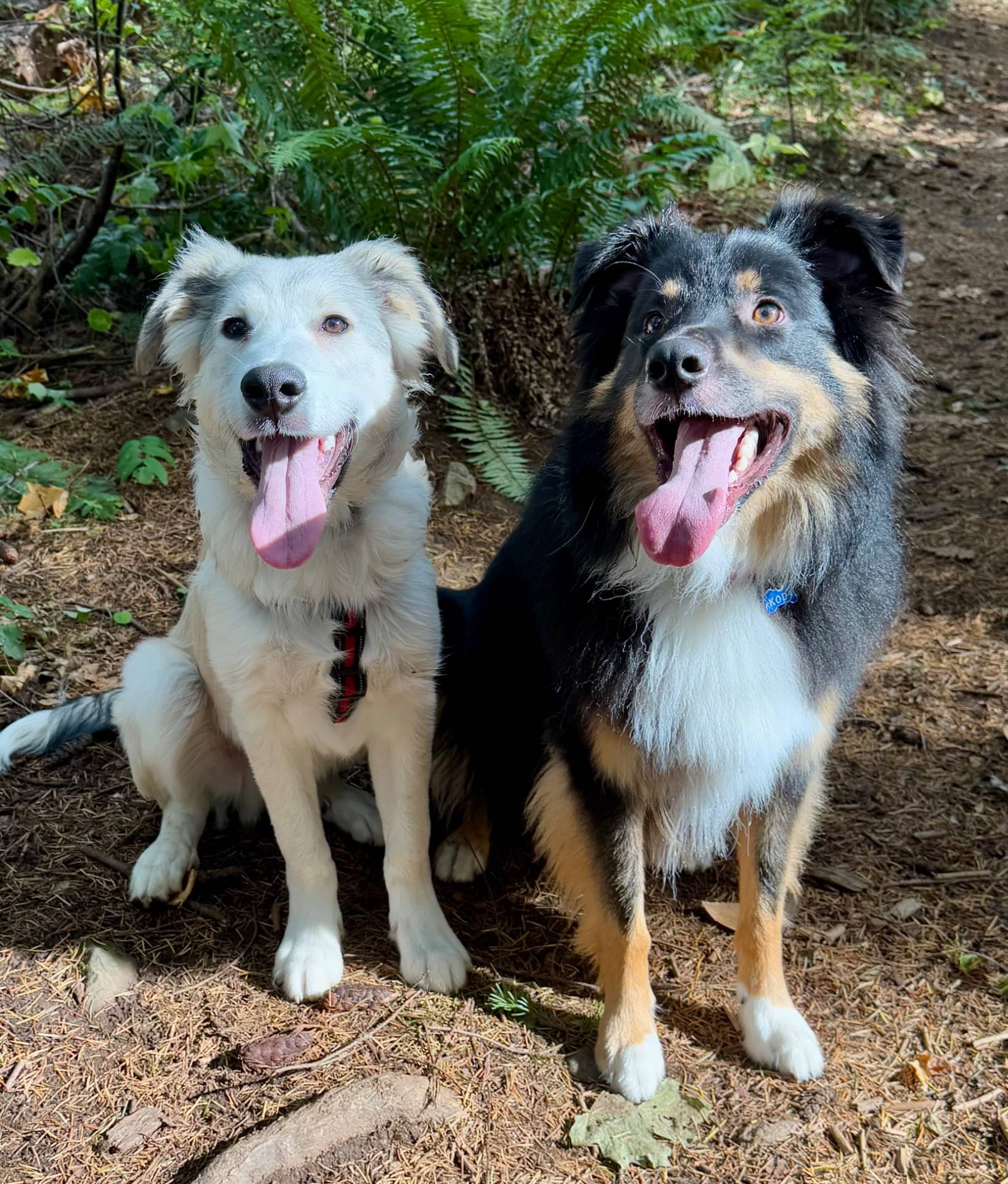
Great Pyreneess in Victoria, right now
We're currently tracking 1 adoptable Great Pyrenees on southern Vancouver Island, listed by 1 rescue including Owner Rehoming. Listings update regularly, and most Great Pyreneess in Victoria get adopted within days of being posted — if one catches your eye, reach out fast.
See every adoptable Great Pyrenees across British Columbia →
Adopting a Great Pyrenees in Greater Victoria
Great Pyrenees are a giant livestock guardian breed from the French and Spanish Pyrenees mountains, running roughly 85 to 115 lbs with a thick double coat built for cold mountain work and a temperament shaped by centuries of independent night-time guardian duty. Vancouver Island has a real working Pyrenees population. Cowichan Valley sheep farms and Saanich Peninsula hobby farms north of Victoria still run Pyrs on stock, and a meaningful share of Island Pyr intake is failed or retired working dogs rather than urban surrenders.
BC SPCA Victoria Branch and Victoria Humane Society both list Pyrenees and Pyr crosses periodically, with BC SPCA Nanaimo Branch picking up additional Island intake. This page pulls every adoptable Pyr from the launched BC shelters into one searchable place, filtered for the Victoria area. Most foster homes will set up a video call before booking a ferry trip, and a calm Pyr in foster is usually a fair read of the adult dog.
Strata exclusion and the single-family-home reality
An 85 to 115 lb dog is excluded from almost every Greater Victoria strata building. Weight caps in Saanich, Langford, Colwood, and downtown Victoria condos almost universally rule out the breed, and the small share of buildings that would permit the size usually exclude livestock guardian breeds by name. The realistic housing fit is single-family homes in Saanich, Sooke, Colwood, Langford, Metchosin, the West Shore, and the rural Saanich Peninsula. Renters face a tight market and applications with documented landlord approval move first.
A securely fenced yard is non-negotiable. The breed is genetically wired to patrol a territory boundary and a Pyr without one redefines the boundary outward into the neighbour's yard. Six foot fencing is the realistic standard, and adopters should walk the perimeter before applying. The other housing reality is the nocturnal bark. Pyrenees are genetically programmed to bark at perceived nighttime threats, and a Pyr in a Langford suburban yard will absolutely bark at deer, coyotes, and Cattle Point fireworks in the small hours. Neighbours notice.
A mountain breed on a mild coast
The thick double coat is built for genuine mountain winters and blows twice a year, with months of heavy shedding around each blow. The mild Vancouver Island winter is genuinely easy on the breed, and most Pyrs love the rare snow that Greater Victoria sees. The summer drought from June to September is the real climate concern. A heavy double-coated giant breed in an Island heat wave is at genuine risk of heat stroke. Walk early morning or after sunset in summer, never midday, and lean on shaded inland trails at Mount Doug, Thetis Lake, and Goldstream. Do not shave the coat; it insulates against heat as well as cold and a shaved Pyr is more vulnerable, not less.
Exercise needs are surprisingly modest. The breed was built to patrol a territory at a walk, not to run. A daily 45 to 60 minute structured walk plus a securely fenced yard meets the physical need. The mental need is the harder one: an independent guardian breed bored in a suburban yard finds work to do, and what it finds is usually a barking patrol.
Health concerns worth asking the foster about
Pyrenees see hip dysplasia, elbow dysplasia, patellar luxation, gastric dilatation-volvulus (bloat), cardiac conditions (subaortic stenosis, dilated cardiomyopathy), and cancer as the most serious lifetime risks. Lifespan is 10 to 12 years, which is short for the affection the breed inspires. Bloat is a surgical emergency and Island specialty veterinary access is limited, so severe cases usually require a ferry crossing to a Lower Mainland specialty hospital. Some adopters elect prophylactic gastropexy at the time of spay or neuter; discuss with the rescue and your vet.
Most rescue Pyrs come with some documented history because the breed concentrates in farm and rural surrender pipelines where the owner can describe the dog. Pet insurance is worth running the math on, and the giant-breed premium is real.
What Pyrenees are actually like to live with
Most owners love the gentleness, dignity, and bond. The parts that drive surrenders are the same ones across BC:
- Strata excluded by size in almost every Greater Victoria building. Single-family home required.
- Six foot fencing non-negotiable. The breed patrols a boundary.
- Nocturnal barking is genetic. Neighbours notice in suburban settings.
- Heavy shedding year-round, with two coat blows a year.
- Independent guardian temperament. Off-leash recall is unreliable and obedience is on the dog's terms.
Looking more broadly? Browse every adoptable dog across the province on Dog Adoption British Columbia.
The rescues that most often list Great Pyreneess across BC are BC SPCA Victoria Branch, Victoria Humane Society, and BC SPCA Nanaimo Branch. For breed-specific background, the Canadian Kennel Club is a useful reference.
Great Pyrenees Adoption FAQ — Victoria
How many Great Pyrenees are available for adoption in Victoria?
As of October 2026, Great Pyrenees are rare in Victoria rescue — only 1 is listed right now across 1 rescue on LocalPetFinder. They tend to get adopted fast, so setting an alert is the most reliable way to find one.
Where can I adopt a Great Pyrenees near me in Victoria?
BC SPCA Victoria Branch and Victoria Humane Society are the main local options, with BC SPCA Nanaimo Branch worth watching for Island-wide intake. Cowichan Valley and Saanich Peninsula hobby farms produce a steady share of failed-working-dog surrenders, and these dogs occasionally come through rescue. Most rescue Pyrs come with documented history. Set an alert and search province-wide too, and most foster homes will set up a video call before a ferry trip.
Will a Greater Victoria strata allow a Great Pyrenees?
Almost universally no. The 85 to 115 lb adult weight is excluded by weight caps in nearly every Greater Victoria strata building, and the small share of larger-dog-friendly buildings usually exclude livestock guardian breeds by name. The realistic housing fit is a single-family home in Saanich, Sooke, Colwood, Langford, Metchosin, the West Shore, or the rural Saanich Peninsula with a securely fenced yard. Renters face a tight market and applications with documented landlord approval move first.
How does a Pyrenees handle the Victoria climate?
Mild winters are easy, summer is the concern. The thick double coat is built for mountain cold and the mild Vancouver Island winter is genuinely comfortable for the breed. Summer drought from June to September brings real heat-stroke risk for a giant double-coated dog. Walk early morning or after sunset in summer, lean on shaded trails at Mount Doug or Thetis Lake, and do not shave the coat. The coat insulates against heat as well as cold, and a shaved Pyr is more vulnerable.
Why do Pyrenees bark so much at night?
It is hard-wired. Pyrenees were bred for centuries to patrol a livestock territory at night and bark at perceived threats including wolves, bears, and coyotes. A modern Pyr in a Greater Victoria suburban yard barks at deer crossing the lawn, coyotes in the river valley, Cattle Point fireworks, and middle-of-the-night sounds the household never notices. Some training reduces the behaviour but does not eliminate it; it is genetic. Single-family homes with tolerant neighbours work; downtown condo life does not.
How much does it cost to adopt a Great Pyrenees in Victoria?
Adopting a Great Pyrenees in Victoria typically costs $250 to $650, and puppies usually carry a premium at $450 to $800. The exact fee varies by rescue, and older dogs are often reduced. That fee is not a purchase price. It covers work already done on the dog: spay or neuter, vaccinations, deworming, microchip, and a basic vet workup, which would cost several hundred dollars more if you arranged it yourself after buying. Buying the same breed from a registered breeder generally runs well over $1,000, usually with a waitlist. Ask the rescue what is included before you apply, since a few include extras like a starter bag of food or a first-month insurance trial.
Are these Great Pyrenees for sale in Victoria?
Not for sale, for adoption, which is usually the better deal. Every Great Pyrenees here comes from a Victoria rescue or shelter, not a breeder, pet store, or classified seller. Adoption fees are typically $250 to $650, with puppies at $450 to $800 and already include vaccinations, deworming, microchip and spay or neuter when age-appropriate, versus roughly several thousand dollars to buy a Great Pyrenees from a breeder. If you searched "great pyrenees for sale victoria" or "great pyrenees puppies for sale," adopting gets you a healthy, vetted dog for a fraction of the price.
Where can I buy a Great Pyrenees in Victoria, and should I?
You can buy from a registered breeder, but it is worth weighing against adoption first. A reputable Great Pyrenees breeder typically charges several thousand dollars and often has a waitlist, while a rescue Great Pyrenees costs $250 to $650, with puppies at $450 to $800 fully vetted and may be available now. Be cautious of cheap great pyrenees-for-sale ads on classified sites and marketplaces, which are frequently backyard breeders or puppy-mill resellers with unvetted, sometimes sick animals and no health guarantee. If you do buy, insist on seeing where the puppies were raised and getting vet records. For most families in Victoria, adopting a rescue Great Pyrenees is cheaper, faster, and gives a dog in need a home.
Are there free Great Pyrenees in Victoria, or great pyrenees under $500?
Adoption is the closest honest answer, and it is not free. A rescue Great Pyrenees in Victoria typically costs $250 to $650, with puppies at $450 to $800, so the lower end lands under the "$500" people search for and the rest does not. What the fee buys is work already done, the vaccinations, deworming, microchip and spay or neuter, which would cost more than the fee itself if you arranged it yourself, and it is still far below breeder prices. Be wary of genuinely free great pyrenees listings. An animal advertised free to a good home has usually not been vetted, and free rehoming ads are the route flippers and unregistered breeders use to move animals with no health guarantee and no recourse. Paying a rescue fee buys you a dog someone has already examined, treated, and been honest with you about.
Are there Great Pyrenees puppies in Victoria, or only adults?
Both, but adults far outnumber puppies, and it is worth knowing that before you start looking. Most Great Pyrenees arriving in Victoria rescue are adolescents and adults, because that is the age at which first homes tend to give up. Puppies do come through, usually as accidental litters or with a surrendered mother, and they are typically spoken for quickly. Setting an alert beats refreshing the page. It is also worth asking whether you actually want one: an adult arrives with a temperament a foster has already observed and described, where a Great Pyrenees puppy is a prediction, and for this breed in particular knowing what you are getting is the more useful thing.
Where can I find a Great Pyrenees near me in Victoria?
Start with the listings on this page, which pull from Victoria rescues and shelters and are refreshed regularly, so what you see is what is genuinely available rather than a stale directory. If nothing suits today, that is normal for this breed: rescue intake is intermittent rather than steady, and a breed with none listed this week often has several next month. Setting an alert beats checking back, and it is worth widening to nearby towns, since most rescues serving Victoria will adopt out across a reasonable driving distance rather than only inside one municipality.
Have a dog to rehome?
Rehoming a Great Pyrenees in Victoria?
List your dog free. Local adopters browsing Victoria see owner listings first: no shelter, no fees, you choose the home.
List your pet free →Takes 3 minutes. You stay in control of who adopts.
Not seeing one yet?
Get notified when a Great Pyrenees is listed in Victoria
We'll email you the moment a Great Pyrenees is listed in Victoria on LocalPetFinder, from a rescue or an owner rehoming.
One email when there's a match. Unsubscribe anytime.
For rescues & shelters
Are you a Victoria-area rescue? List your adoptable dogs free.
Free shelter account: your dogs appear here and across LocalPetFinder, with analytics and adoption applications included.