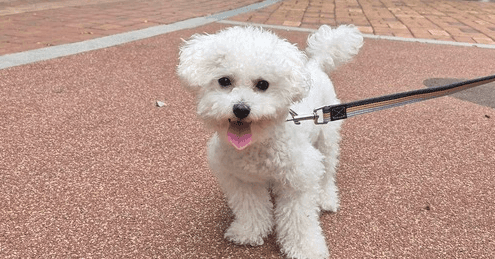
Get notified when a Bichon Frise is listed
We will email you the moment a Bichon Frise becomes available in British Columbia, from a rescue or an owner rehoming.
Adopting a Bichon Frise in British Columbia
Bichon Frises are uncommon in BC rescue, but they come through often enough that adopters who watch listings closely find one within a few months. The breed traces to French and Spanish lap dogs from at least the 14th century, and the modern Bichon was bred specifically for human company. That history matters because it explains the single most important behaviour pattern in the breed. A Bichon needs its people, and the Bichons that reach BC rescue are very often dogs whose first household left them alone too much.
This page pulls every adoptable Bichon from the launched BC shelters into one searchable place, refreshed regularly. Searching province-wide matters for an uncommon breed. Foster homes from Vancouver through Victoria, Nanaimo and Kelowna will set up a meet wherever you live, and the right Bichon in Kelowna is worth a drive over the Coquihalla.
Why Bichons cycle through BC rescue
The dominant pattern is separation anxiety. A Bichon left in a Vancouver condo for nine hours a day starts barking through the walls, scratching the door, or losing toilet training as the stress accumulates. By month six the neighbour has complained, the household is exhausted, and the dog is surrendered. The dog that reaches the foster home is usually a normal Bichon whose first household did not match the breed.
The second pattern is grooming. The Bichon’s low-shed curly double coat needs daily brushing and a professional groom every four to six weeks, more frequent than most owners expect. The grooming bill in the Lower Mainland runs $80 to $130 per session, and owners who skip the cadence end up with mats that need an expensive de-mat or a full clip-down. Surrender follows when the household decides the maintenance is not sustainable.
A Bichon coat in BC weather
The Bichon’s double coat is genuinely low-shed, which is the breed’s main draw for allergic adopters. The trade-off is that without daily brushing and regular grooming, the coat mats fast, and BC coastal humidity from October through April accelerates the problem. Vancouver, Victoria and Nanaimo adopters get used to a towel-and-rinse routine at the door and a daily brush.
Okanagan summer is manageable. Bichons tolerate moderate heat at small body size, but pavement at 35°C in Kelowna burns pads and the white coat reflects sun less effectively than people assume. Walk early morning or after dark from June through August. Do not shave the coat down to the skin in summer; the double coat insulates and a shaved Bichon burns and overheats faster. A short summer groom is fine, a full shave is not.
Health concerns worth asking the foster about
Bichons carry several breed-specific health issues. Allergies and skin conditions are common, and the coastal BC pollen season worsens flares. Bladder stones (calcium oxalate) show up often enough that vets test for them; ask the foster whether the dog has had urinary symptoms. Patellar luxation, hip dysplasia in some lines, juvenile cataracts, dental crowding, and ear infections (the heavy ear hair traps moisture) all come up. The foster who has lived with the dog for weeks knows the current status; ask about each category.
What Bichons are actually like to live with
A well-matched Bichon is gentle, cheerful, and deeply attached to its household. The realistic parts of the breed to plan for:
- They need their people. A Bichon left alone all day in a Vancouver condo will struggle. Plan for company, daycare, or alone-time training from day one.
- They live 14 to 16 years. Most rescue Bichons have many years ahead, even the older surrenders.
- They need real grooming. Daily brushing and a professional groom every four to six weeks. Skipping creates mats fast.
- They are low-shed but not non-allergenic. Coat type is consistent in the breed; if allergies are the reason, meet the dog and test your reaction before applying.
- They are not delicate. A Bichon wants real walks, but they are small dogs and weather extremes affect them quickly.
- They love kids when matched well. Most Bichons are gentle with older children; the foster will tell you whether the dog has been tested with toddlers.
What the fee usually covers
Bichon adoption fees in BC sit in the small-dog range. The fee covers spay or neuter, core vaccinations, microchip, deworming, and a vet check before placement. Some rescues include a grooming session at intake to clear mats and assess skin. Confirm the exact number on the dog’s own listing.
How to actually search
Use the filters to narrow by size (Bichons are small), energy (medium for most adults), good with kids (usually yes), and good with other dogs (usually fine). Read the foster’s notes carefully on alone-time behaviour because that is the most important match factor for the breed. Apply the same day a dog fits because Bichons are uncommon in BC rescue and listings move within days. Foster homes will set up a video call before you book a ferry or a drive.
Looking more broadly? Browse every adoptable dog across the province on Dog Adoption British Columbia.
Bichon Frise Adoption FAQ — British Columbia
Tap a question to expand
How many Bichon Frises are available for adoption in British Columbia?▼
Where can I find Bichon Frise adoption near me in British Columbia?▼
Do Bichons really have separation anxiety?▼
Are Bichons hypoallergenic?▼
How much does it cost to adopt a Bichon in British Columbia?▼
Are Bichons okay in Vancouver apartments?▼
Is LocalPetFinder a Bichon rescue?▼
Is a Bichon mix in BC rescue really a Bichon?▼
Can I get a Bichon Frise free to a good home in British Columbia?▼
Are these Bichon Frises for sale in British Columbia?▼
Where can I buy a Bichon Frise in British Columbia, and should I?▼
Are there free Bichon Frises in British Columbia, or bichon frises under $500?▼
Are there Bichon Frise puppies in British Columbia, or only adults?▼
Where can I find a Bichon Frise near me in British Columbia?▼
Popular dog breeds in British Columbia
Bichon Frise adoption by city in British Columbia
Each city page lists only the bichon frises available from rescues serving that city, with local adoption details.
Need to rehome a Bichon Frise?
If you can no longer keep your Bichon Frise, you can list them for free on LocalPetFinder. Your dog stays in your home until you find the right family, you screen who applies, and there is no surrender fee. Not sure yet? Our guide to surrendering a dog in Canada walks through every option first.
List your dog for free →