Showing 4 dogs
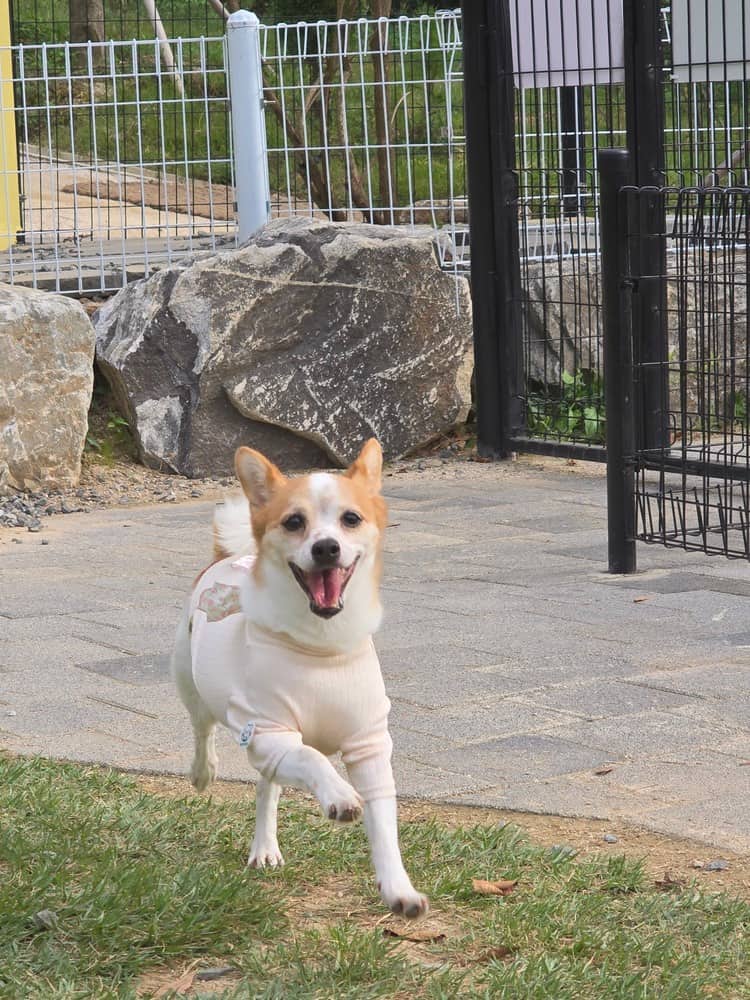
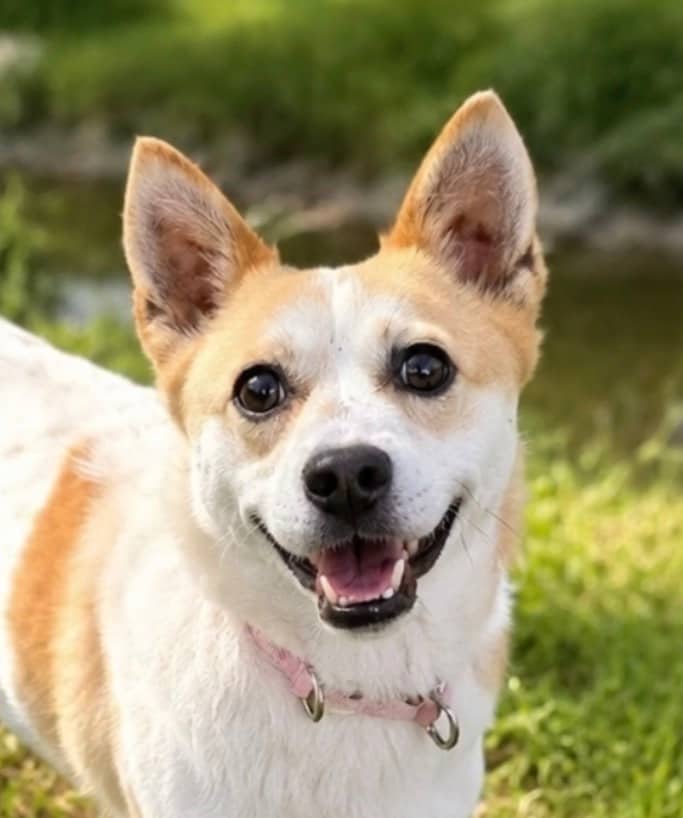
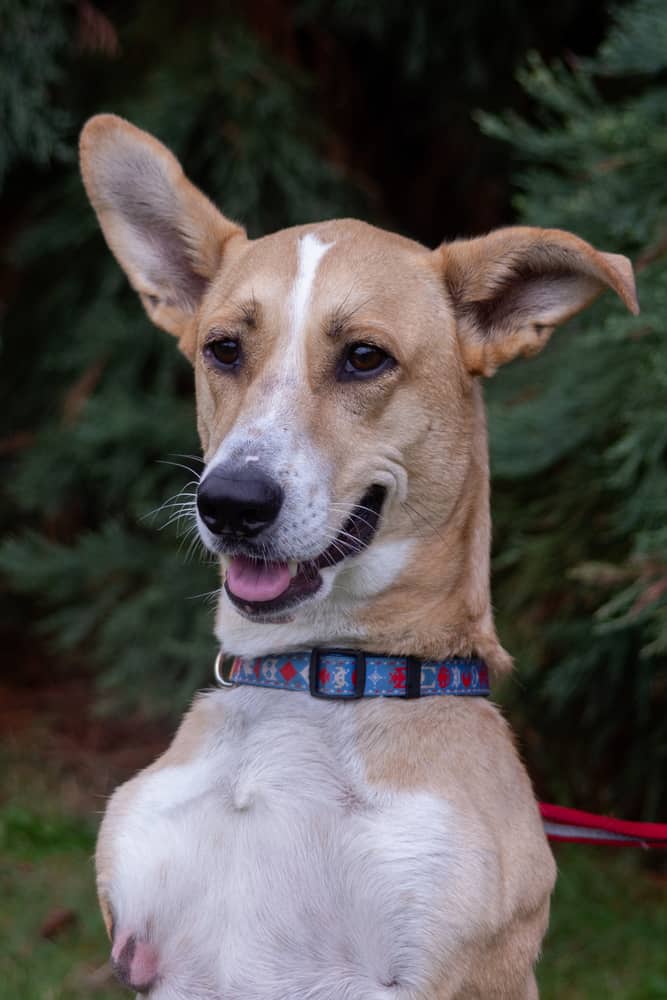
Get notified when a Corgi is listed
We will email you the moment a Corgi becomes available in British Columbia, from a rescue or an owner rehoming.
Adopting a Corgi in British Columbia
Corgis are a medium-volume breed in BC rescue. The breed exploded in popularity through social media in the late 2010s and the buying wave from that period is now reaching middle age, with predictable surrender patterns. BC SPCA Lower Mainland branches see the most, with occasional placements through Vancouver Island and Okanagan rescues. Pembroke Welsh Corgis are more common than Cardigans.
This page pulls every adoptable Corgi from the launched BC shelters into one place, refreshed regularly. A serious Corgi adopter should search province-wide because demand is high; the right dog in Kelowna or Nanaimo is worth the ferry or the Coquihalla drive.
Why Corgis cycle through BC rescue
Most Corgi surrenders trace to three patterns. The first is buyer's remorse from owners who picked the breed for the social-media aesthetic and got a herding dog with serious energy and nipping instincts. The second is the back. Corgis carry the long-back, short-leg build that makes IVDD (spinal disc disease) a real concern, and surgery costs $5,000 to $10,000 in BC.
The third is the senior re-home pattern. Corgis live 12 to 15 years and bond hard, so owners whose housing or health changed leave dogs that come in clean, trained, and ready. Many rescue Corgis are in the middle of their lives with another five to eight years of household life ahead.
A double coat in BC weather
Corgis are built for British weather, which is close enough to coastal BC that the breed handles Vancouver and Victoria winter without complaint. The double coat does need a towel routine after wet walks; a damp Corgi takes hours to dry and can develop hot spots if not handled. The Lower Mainland salt in January matters for short-leg dogs that brush sidewalks; rinse paws and belly at the door.
Okanagan summer is the harder match. Corgis are not brachycephalic but the heavy double coat and short legs mean hot pavement at 35°C is rough. Walk early or after dark from June through August. The "lion cut" some owners ask for is not safe for double-coated breeds because it disrupts the insulation that keeps the dog cooler than it sounds. Talk to the groomer about a tidy.
Health concerns worth asking the foster about
Corgis carry several breed-typical issues every adopter should understand. IVDD (intervertebral disc disease) is the major concern from the long-back build; weight management and stair-avoidance reduce risk. Hip dysplasia, degenerative myelopathy (a progressive spinal-cord condition that develops in older dogs), and progressive retinal atrophy round out the list. Dental disease is common with age. The foster will tell you the dog's back and hip status; ask about each.
What Corgis are actually like to live with
Most adopters love the clever, bonded, social side of the breed. The realistic parts to plan for:
- They are herding dogs. Nipping at ankles is a real behaviour to train around, especially with kids.
- They shed massively. The double coat blows twice a year and you will find fluff on every couch.
- They are vocal. Corgis alarm-bark at the door, the elevator, and the cat outside.
- They get fat fast. Treats add up; the IVDD risk multiplies with extra pounds.
- They are energy-heavy for their size. Two real walks a day plus mental work is the floor.
What the fee usually covers
Corgi adoption fees in BC sit in the medium-dog range despite the small size, because demand is high and medical workup at intake is often more involved than for a Chihuahua. The fee covers spay or neuter, core vaccinations, microchip, deworming, vet check, and often dental and weight-management work. Confirm the exact number on the dog's own listing.
How to actually search
Use the filters to narrow by size (Corgis land small-to-medium for weight), energy (medium-to-high), good with kids (depends on the dog and the training history), and good with other dogs (usually fine, Corgis are social). Apply the same day if a dog fits because Corgi demand in BC is high and good listings move within hours. Foster homes will set up a video call so you can see the back posture and hear barking patterns before you commit to a ferry or an Interior drive.
Looking more broadly? Browse every adoptable dog across the province on Dog Adoption British Columbia.
Corgi Adoption FAQ — British Columbia
Tap a question to expand
How many Corgis are available for adoption in British Columbia?▼
Where can I find Corgi adoption near me in British Columbia?▼
Are Corgis good apartment dogs?▼
Why are Corgis in BC rescue?▼
How much does it cost to adopt a Corgi in British Columbia?▼
Is LocalPetFinder a Corgi rescue?▼
What is the difference between a Pembroke and a Cardigan Welsh Corgi?▼
Can I get a Corgi free to a good home in British Columbia?▼
Are these Corgis for sale in British Columbia?▼
Where can I buy a Corgi in British Columbia, and should I?▼
Are there free Corgis in British Columbia, or corgis under $500?▼
Are there Corgi puppies in British Columbia, or only adults?▼
Where can I find a Corgi near me in British Columbia?▼
Popular dog breeds in British Columbia
Corgi adoption by city in British Columbia
Each city page lists only the corgis available from rescues serving that city, with local adoption details.
Need to rehome a Corgi?
If you can no longer keep your Corgi, you can list them for free on LocalPetFinder. Your dog stays in your home until you find the right family, you screen who applies, and there is no surrender fee. Not sure yet? Our guide to surrendering a dog in Canada walks through every option first.
List your dog for free →