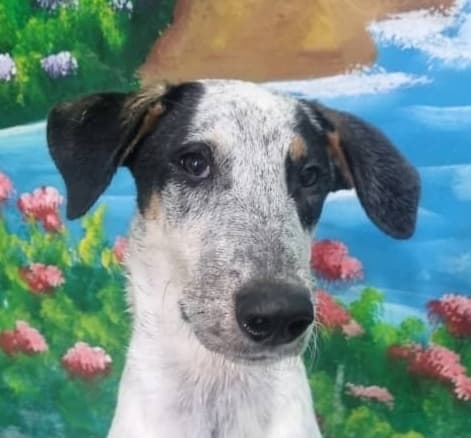
1 Dalmatian puppy available in British Columbia
Under a year old, listed by rescues and shelters. Updated as shelters publish.
Get notified when a Dalmatian is listed
We will email you the moment a Dalmatian becomes available in British Columbia, from a rescue or an owner rehoming.
Adopting a Dalmatian in British Columbia
The Dalmatian is an athletic, high-energy carriage dog, and it is not a common BC rescue breed. When one appears it tends to come with a story, because the breed is widely adopted on looks and surrendered when the energy turns out to be more than the household bargained for. Dalmatians turn up across the province at different times, from the Lower Mainland through Vancouver Island and into the Okanagan, so a serious adopter should search province-wide.
This page pulls every adoptable Dalmatian and Dalmatian cross from the launched British Columbia shelters into one searchable place, refreshed regularly. Do not narrow to a single city for an uncommon, demanding breed. The right dog in Kelowna or Nanaimo is worth the drive or the ferry, and most rescues will arrange a meet at the foster home regardless of where you live.
Why Dalmatians end up in BC rescue
The most common reason is the one the breed has carried for decades: people adopt the spotted dog from the movies without understanding the engine underneath it. A Dalmatian was bred to run for miles alongside carriages, and that endurance does not switch off in a living room. An understimulated Dalmatian becomes destructive, anxious, and loud, and the household that wanted a stylish family pet surrenders a frustrated athlete.
Some Dalmatians also reach rescue because of the breed's specific health issues, which a buyer did not plan for. The typical rescue Dalmatian is not a bad dog. It is a normal dog whose first home underestimated how much exercise and structure the breed genuinely needs. The foster will tell you honestly how the dog handles being alone, how much exercise settles it, and how it does with other animals.
How the Dalmatian coat handles the BC climate
The short single coat is the part of BC ownership that surprises adopters. Dalmatians have almost no insulation, so a real coastal-BC winter is genuinely hard on them. Cold, wet days around Vancouver, Victoria and Nanaimo will have the dog shivering, and a soaked short coat offers no warmth. Plan for a proper dog coat in winter and limit time standing around in the cold and rain.
Summer is easier on the heat-tolerant side, though Kelowna days past 35°C still demand the usual care: walk in the cool parts of the day, carry water, and never leave the dog in a hot car. The other thing nobody warns adopters about is the shedding. That short white-and-black coat sheds relentlessly, year-round, and the stiff hairs work into everything. It is a real consideration, not a footnote.
Health concerns worth asking the foster about
Two breed-specific issues matter most. Congenital deafness is common in Dalmatians, and a dog can be deaf in one or both ears. Ask the foster whether the dog responds to sound and whether it has been tested, since a deaf dog is very adoptable but needs an owner who understands the difference. The other is urinary stones. The breed has a metabolic quirk that raises the risk, and diet and water intake genuinely matter. Ask whether the dog has had any urinary issues and what it eats.
Beyond those, the usual joint and skin questions apply. A foster who has lived with the dog for weeks can tell you how it hears, how it moves, and whether it has shown any urinary trouble, and the rescue will share the vet history they have.
What Dalmatians are actually like to live with
The handsome, energetic first impression is accurate, but the demands behind it are why so many of these dogs end up in rescue:
- Exercise needs are serious. This is an endurance breed, and an understimulated Dalmatian is miserable and destructive.
- They are not low-effort dogs. They want a job, a running partner, or real daily activity, year-round, regardless of weather.
- Some are deaf. A deaf Dalmatian is a great dog with the right owner, but it needs training built around that.
- They shed constantly. The short stiff coat works into clothing and furniture all year.
- They do not handle the wet BC cold well. A winter coat is not optional for a short-coated dog on the coast.
What the fee usually covers
Dalmatian adoption fees at BC rescues sit in the same range as other large rescue dogs in the province. The fee covers the medical work the rescue already paid for: spay or neuter, core vaccinations, microchip, deworming, and a vet check before placement. With this breed the hearing and urinary history is worth reading closely. Confirm the exact fee on the dog's own listing, because it varies with age and any special medical care.
How to actually search
Use the filters above to narrow by energy (Dalmatians are high), size (large), compatibility, and shelter. Be honest about your exercise capacity before you apply, because this is the breed where a mismatch shows up fastest. If a dog fits your active life, apply the same day. Foster homes are usually happy to set up a video call before you cross the strait or drive the Interior for an in-person meet, and they will tell you straight how much the dog needs to be content.
Looking more broadly? Browse every adoptable dog across the province on Dog Adoption British Columbia.
Dalmatian Adoption FAQ — British Columbia
Tap a question to expand
How many Dalmatians are available for adoption in British Columbia?▼
Where can I find Dalmatian adoption near me in British Columbia?▼
Are Dalmatians good first dogs?▼
Why are some Dalmatians deaf, and can I still adopt one?▼
What is the urinary stone risk in Dalmatians about?▼
Is LocalPetFinder a Dalmatian rescue?▼
How much does it cost to adopt a Dalmatian in British Columbia?▼
Can I get a Dalmatian free to a good home in British Columbia?▼
Are these Dalmatians for sale in British Columbia?▼
Where can I buy a Dalmatian in British Columbia, and should I?▼
Are there free Dalmatians in British Columbia, or dalmatians under $500?▼
Are there Dalmatian puppies in British Columbia, or only adults?▼
Where can I find a Dalmatian near me in British Columbia?▼
Popular dog breeds in British Columbia
Dalmatian adoption by city in British Columbia
Each city page lists only the dalmatians available from rescues serving that city, with local adoption details.
Need to rehome a Dalmatian?
If you can no longer keep your Dalmatian, you can list them for free on LocalPetFinder. Your dog stays in your home until you find the right family, you screen who applies, and there is no surrender fee. Not sure yet? Our guide to surrendering a dog in Canada walks through every option first.
List your dog for free →