1 German Shorthaired Pointer puppy available in British Columbia
Under a year old, listed by rescues and shelters. Updated as shelters publish.
Showing 3 dogs
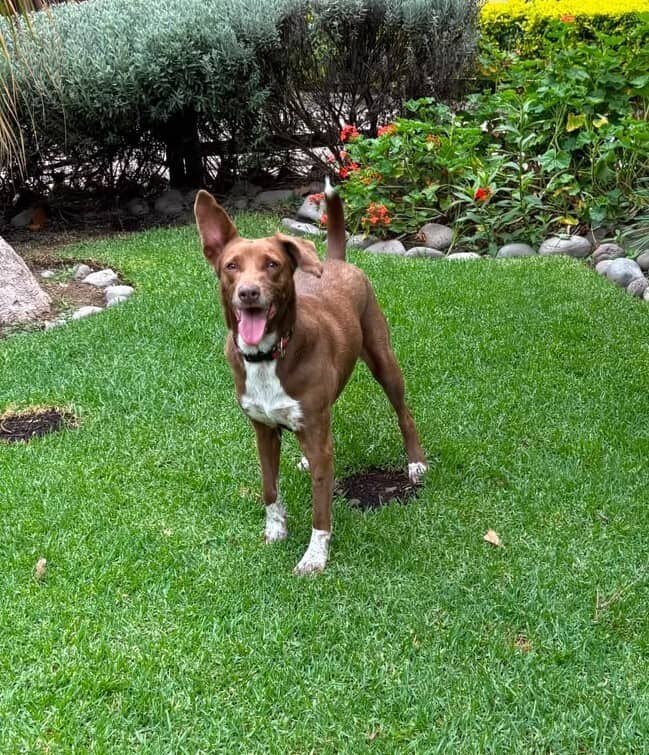
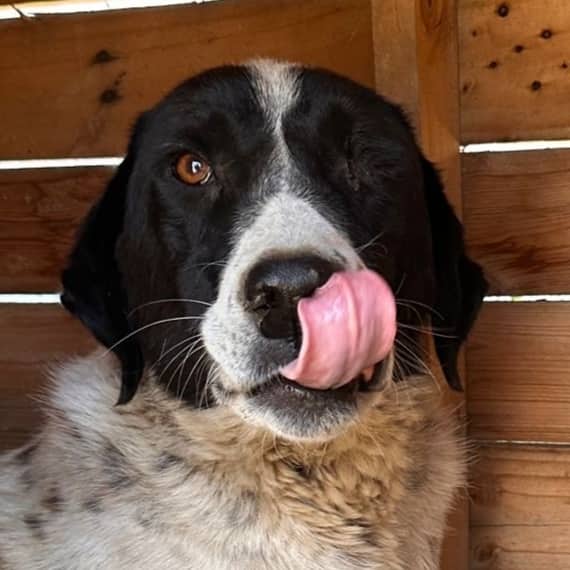
Get notified when a German Shorthaired Pointer is listed
We will email you the moment a German Shorthaired Pointer becomes available in British Columbia, from a rescue or an owner rehoming.
Adopting a German Shorthaired Pointer in British Columbia
German Shorthaired Pointers come through BC rescue with regular frequency, more often than many adopters expect for a breed that looks like a specialty hunter. The GSP was developed in 1800s Germany as a versatile hunting breed that could point, retrieve, and track on land and in water. That heritage is the whole story of the breed, and the dogs that reach BC rescue almost always reached it because their first household did not have enough work for the dog.
This page pulls every adoptable GSP from the launched BC shelters into one searchable place, refreshed regularly. Foster homes from Vancouver through Victoria, Nanaimo and Kelowna will set up a meet wherever you live, and a serious GSP adopter should search province-wide because the right dog in Kelowna is worth a drive over the Coquihalla.
Why GSPs cycle through BC rescue
The single dominant pattern is exercise mismatch. A GSP needs 90 minutes or more of real exercise every day, not a stroll around the block but a hard run, a swim, a long off-leash romp, or structured work. A household that bought a sleek athletic-looking puppy without planning for that volume of activity often hits the wall in the second year. We tell adopters straight: if you are not running, hiking, biking, or otherwise engaging this dog hard every single day, the GSP will invent its own outlets. Drywall, doors, baseboards, the couch.
The second pattern is the housing fit. GSPs are not condo dogs unless the owner is genuinely committing to two long outings daily. They are also vocal when bored and high-energy in a way neighbours notice. We hear Vancouver condo surrender stories about GSPs more often than the breed’s rescue volume would suggest.
A short-coated hunter in BC weather
The GSP’s short single coat is a real consideration in BC. Coastal winters in Vancouver, Victoria and Nanaimo rarely get cold enough to need a coat, but the wet is constant from October through April, and a wet GSP loses heat faster than a double-coated breed. Most BC GSP owners run a fleece or waterproof coat on rainy walks below 5°C, and a few weeks a year a winter coat is genuinely needed on coastal BC days below freezing. Rare, but it happens.
The bigger issue is the opposite end. Okanagan summer is the GSP’s ideal climate for the breed temperament and exercise need, but Kelowna or Kamloops at 35°C-plus is genuine overheating territory for any dog. The short coat helps with cooling more than a double coat would, but a high-drive GSP will run itself into heat trouble if the household lets it. Walk and run early morning and after dark from June through August, carry water, and watch for early heat-stress signs (heavy panting that does not settle, stumbling, dark gums).
Health concerns worth asking the foster about
GSPs are a generally hardy breed, but several concerns come up often enough to ask about. Hip dysplasia is the most common. Bloat (gastric dilatation-volvulus) is the emergency every deep-chested large dog owner should know; the GSP is in that risk category. Lymphedema, hypothyroidism, cone degeneration (a hereditary eye condition), and von Willebrand disease (a clotting disorder) all show up. The foster who has lived with the dog for weeks knows movement, weight, and energy patterns; ask directly and consider pet insurance for a young GSP because the breed lives 12 to 14 years and the cumulative vet exposure is real.
What GSPs are actually like to live with
A well-matched GSP is athletic, intelligent, affectionate, and deeply engaged with its household. The realistic parts of the breed to plan for:
- They need real exercise. 90 minutes a day minimum of vigorous activity. A walk does not count; this is a running and swimming dog.
- They need mental work too. Training, scent games, fetch with structure. A bored GSP is destructive.
- They have high prey drive. Cats, small dogs, the deer common in BC suburbs are not safe assumptions. Read the foster’s notes carefully.
- They bond hard. Separation anxiety is common; alone-time training matters from week one. A GSP left alone all day will struggle.
- They live 12 to 14 years. Most rescue GSPs are young and have many years of high-need activity ahead.
- They are not a starter breed. Experience with high-drive working dogs helps a lot, and a household without it should be honest about it before applying.
What the fee usually covers
GSP adoption fees in BC sit in the medium-to-large dog range. The fee covers spay or neuter, core vaccinations, microchip, deworming, and a vet check before placement. Dogs with hip or orthopaedic concerns may carry higher fees to reflect care costs. Confirm the exact number on the dog’s own listing.
How to actually search
Use the filters to narrow by size (GSPs are medium-large), energy (high to very high), good with kids (usually yes with active households), and good with other dogs (often fine but check the listing for prey drive notes). Be ruthlessly honest in the application about your exercise routine because foster homes screen hard on this for the breed. If a dog fits, apply the same day. Foster homes will set up a video call before you book a ferry or an Interior drive.
Looking more broadly? Browse every adoptable dog across the province on Dog Adoption British Columbia.
German Shorthaired Pointer Adoption FAQ — British Columbia
Tap a question to expand
How many German Shorthaired Pointers are available for adoption in British Columbia?▼
Where can I find German Shorthaired Pointer adoption near me in British Columbia?▼
How much exercise does a GSP really need?▼
Are GSPs okay in BC winter?▼
Are GSPs good in Okanagan summer heat?▼
How much does it cost to adopt a GSP in British Columbia?▼
Is LocalPetFinder a GSP rescue?▼
Can I get a German Shorthaired Pointer free to a good home in British Columbia?▼
Are these German Shorthaired Pointers for sale in British Columbia?▼
Where can I buy a German Shorthaired Pointer in British Columbia, and should I?▼
Are there free German Shorthaired Pointers in British Columbia, or german shorthaired pointers under $500?▼
Are there German Shorthaired Pointer puppies in British Columbia, or only adults?▼
Where can I find a German Shorthaired Pointer near me in British Columbia?▼
Popular dog breeds in British Columbia
German Shorthaired Pointer adoption by city in British Columbia
Each city page lists only the german shorthaired pointers available from rescues serving that city, with local adoption details.
Need to rehome a German Shorthaired Pointer?
If you can no longer keep your German Shorthaired Pointer, you can list them for free on LocalPetFinder. Your dog stays in your home until you find the right family, you screen who applies, and there is no surrender fee. Not sure yet? Our guide to surrendering a dog in Canada walks through every option first.
List your dog for free →