Showing 7 dogs
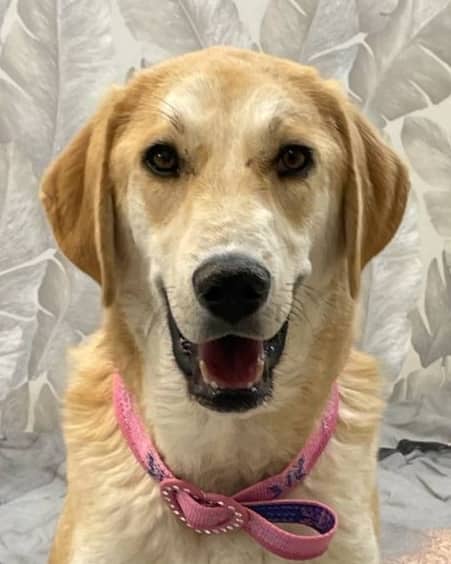
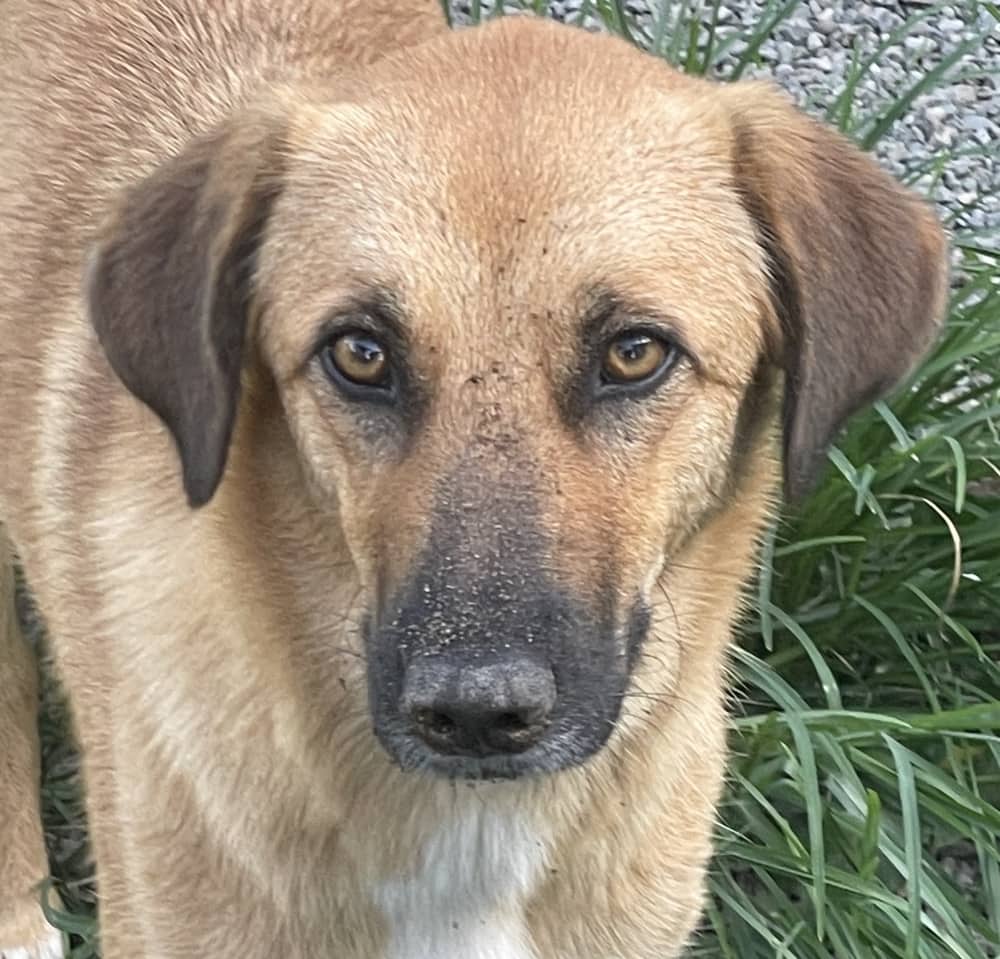
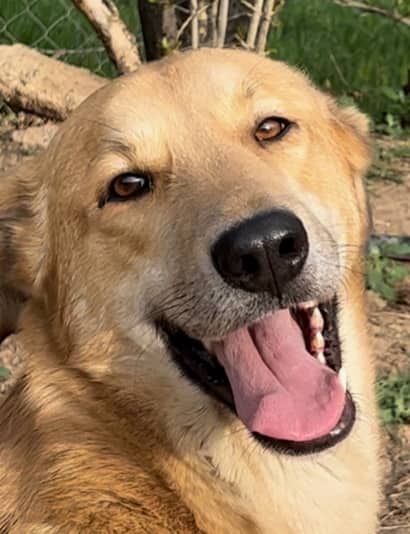
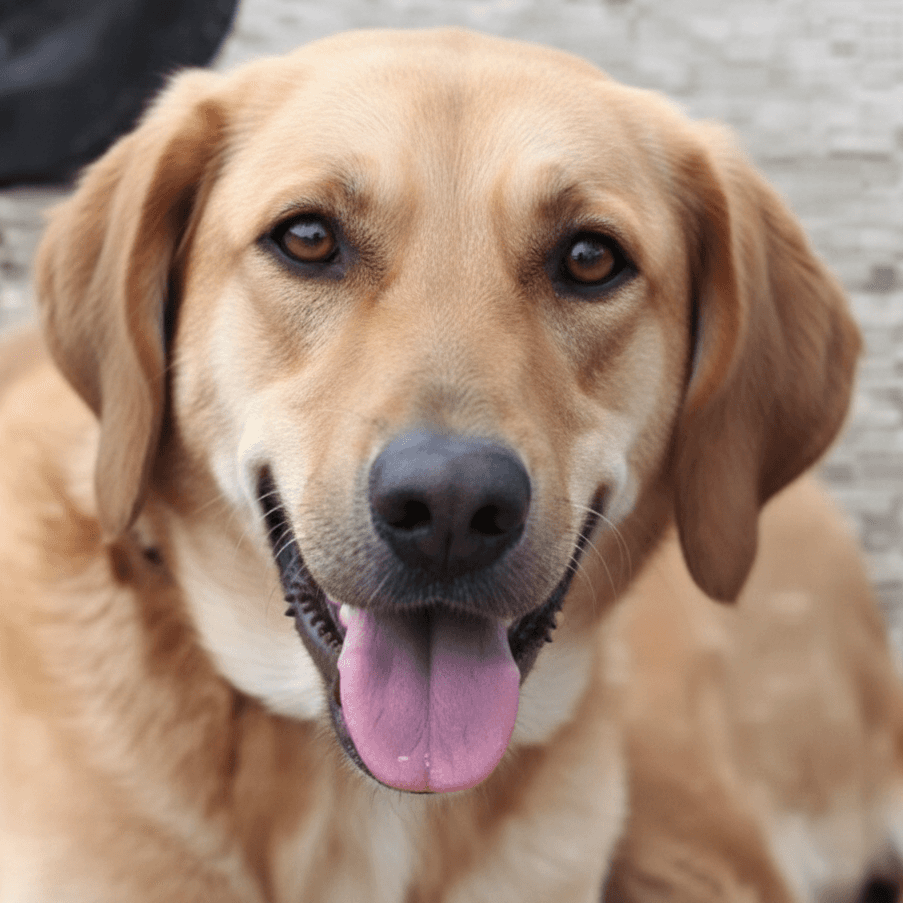
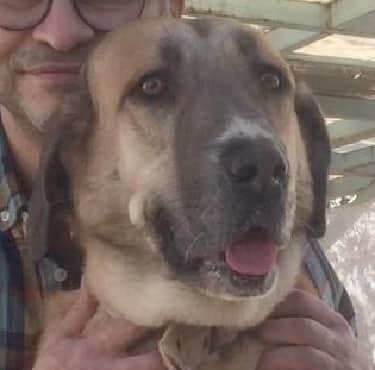
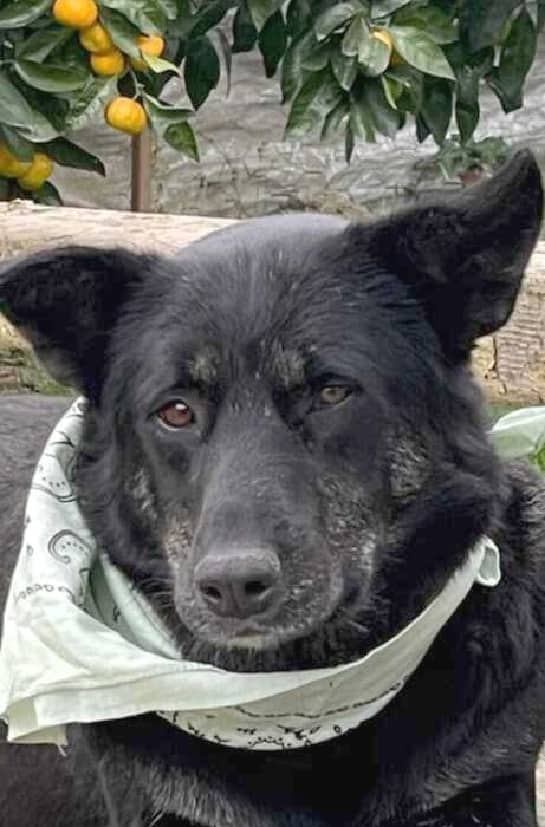
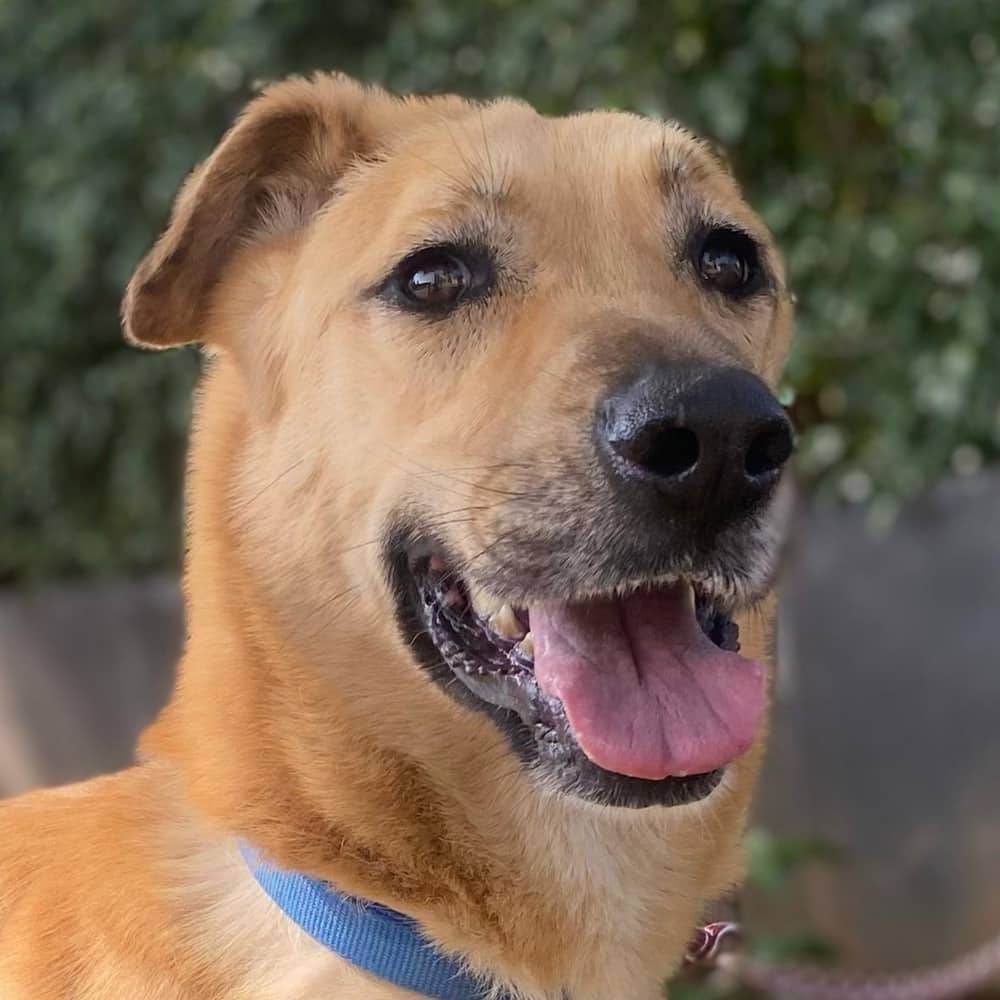
Get notified when a Goldador is listed
We will email you the moment a Goldador becomes available in British Columbia, from a rescue or an owner rehoming.
Adopting a Goldador in British Columbia
The Goldador is a Labrador Retriever crossed with a Golden Retriever, sitting at 60 to 80 lbs with a 10 to 12 year lifespan and a double coat that sheds heavily year-round. It is the most common cross-breed in BC general rescue intake. Most Goldadors are not from breeders; they appear in the foster system when unsterilised Labs and Goldens are mixed unintentionally, when a litter from a relinquished pregnant female is born in care, or when a "Lab mix" or "Golden mix" listing turns out to actually be both. The dogs that result are family-friendly, biddable, food-motivated and one of the easier rescue placements in BC.
This page pulls every adoptable Goldador from the launched BC shelters into one searchable place, refreshed regularly. Goldadors are listed under several different breed labels across BC rescues ("Lab/Golden mix", "Golden Retriever mix", "Labrador mix", "Goldador"), so a serious adopter should also browse the broader Labrador and Golden Retriever pages and read each listing for the actual parentage when it is known.
Why Goldadors cycle through BC rescue
Most Goldador surrenders we see trace to the same patterns as both parent breeds. The first is the exercise underestimate. An owner expects a gentle family dog and gets a young Lab-Golden cross that needs an hour of real activity every day for the first three to four years; under-exercised, the dog becomes destructive and surrender follows within 18 months. The second is the size and shedding surprise. A 75-lb dog that sheds double-coat year-round is more dog than some households planned for, especially in a Vancouver condo where vacuum maintenance and fur on dark furniture becomes a daily reality.
The third pattern is the unplanned litter. BC rural areas and parts of the Lower Mainland still see Lab-Golden litters from unsterilised dogs in the same household or neighbourhood, and rescues sometimes pull the whole litter when the family cannot find homes. These dogs reach rescue as puppies or young adults with no breeding intention behind the cross; they are just the result of two friendly retrievers and a missed spay appointment.
A double-coated retriever in BC weather
The Goldador handles BC climate as well as either parent breed: cold-tolerant, water-loving and built for the active outdoor life the province offers. The double coat handles coastal rain well (though it takes a long time to dry; towels by the door are standard equipment), and the dog is comfortable in Vancouver and Victoria winter without much support. A Goldador in the snow on the North Shore or in the Coquihalla is in its element.
Summer needs more attention than the breed gets credit for. The heavy double coat traps heat, and Okanagan summer past 30°C means the standard heat plan (early morning and after-dark walks, midday indoor cooling, water on every outing). Coastal humid summer is uncomfortable but not dangerous; most Goldadors slow down and pant heavily at 28°C. The coat should not be shaved in summer; the double coat insulates against heat as well as cold, and shaving exposes the dog to sunburn and heat stroke.
Water is where the breed shines. Both parent breeds are water retrievers, and most Goldadors take to BC swim spots naturally: Spanish Banks, Tsawwassen, Buntzen Lake, Cultus Lake, the Cowichan River and Galiano Island shoreline all suit the breed.
Health concerns worth asking the foster about
Goldadors inherit medical risks from both parent breeds. Hip and elbow dysplasia is common in both Labs and Goldens, and the cross does not moderate it; ask whether the foster has noticed any stiffness or limping, and budget for joint care in middle age. The Golden side brings elevated cancer risk (hemangiosarcoma and lymphoma in particular); Labs have a lower cancer rate so the cross often falls somewhere between, but the risk is real and pet insurance from week one is sensible. Both parents are prone to ear infections (the heavy floppy ears trap moisture and the coastal humidity makes it worse); weekly ear care is standard. Eye conditions (progressive retinal atrophy, cataracts) show up in older dogs. Bloat is a risk because the chest is moderately deep; learn the signs. Skin and coat allergies are common. The foster will tell you the dog's current status; ask directly.
What Goldadors are actually like to live with
Most adopters love the breed for the family-friendly temperament. Goldadors are typically gentle with children, social with other dogs, biddable, food-motivated and the kind of dog that fits an active household easily. The realistic parts to plan for:
- Size is real. 60 to 80 lbs of solid retriever. Plan for the practical reality: bigger crate, bigger car, bigger food bill.
- Shedding is heavy year-round. The double coat sheds steadily and blows out twice a year. A vacuum that handles pet hair is essential equipment.
- Exercise needs are real. An hour of real activity daily for an adult, more for a young one. The breed does best with daily off-leash time, swim sessions or fetch work.
- They are food-motivated to the point of recklessness. Counter-surfing, garbage raiding and scarfing are normal breed behaviours; train accordingly and use treat-based positive reinforcement from week one.
- They are excellent with kids when raised properly. Goldadors are one of the better family-dog crosses in BC rescue.
- They love water. Plan for BC lake summers and accept that the dog will swim whenever the option is available.
- They are biddable and trainable. The breed responds to consistent positive reinforcement and is forgiving of beginner handlers.
- Lifespan 10 to 12 years. Standard for a large retriever cross.
What the fee usually covers
Goldador adoption fees at BC rescues sit in the medium-to-large dog range, similar to either parent breed. The fee covers spay or neuter, core vaccinations, microchip, deworming, and a vet check before placement. Some dogs come with hip x-rays or other diagnostic work already done. Confirm the exact number on the dog's own listing because it varies with age and any special medical care.
How to actually search
Use the filters to narrow by size (large), energy (medium to high), good with kids (usually yes), and good with other dogs (usually yes). Also browse the Labrador and Golden Retriever pages because BC rescues label the same cross differently across listings. Apply the same day a dog fits; family-friendly retriever crosses move quickly in BC rescue, especially in the Lower Mainland where demand is highest. Foster homes will set up a video call before you book a ferry or an Interior drive, and a brief fetch or swim clip from the foster tells you more about real energy and water drive than written notes.
Looking more broadly? Browse every adoptable dog across the province on Dog Adoption British Columbia.
Goldador Adoption FAQ — British Columbia
Tap a question to expand
How many Goldadors are available for adoption in British Columbia?▼
Where can I find Goldador adoption near me in British Columbia?▼
Is a Goldador a real breed?▼
Are Goldadors hypoallergenic?▼
Are Goldadors good with children?▼
How much exercise does a Goldador need?▼
How much does it cost to adopt a Goldador in British Columbia?▼
Is LocalPetFinder a Goldador rescue?▼
Can I get a Goldador free to a good home in British Columbia?▼
Are these Goldadors for sale in British Columbia?▼
Where can I buy a Goldador in British Columbia, and should I?▼
Are there free Goldadors in British Columbia, or goldadors under $500?▼
Are there Goldador puppies in British Columbia, or only adults?▼
Where can I find a Goldador near me in British Columbia?▼
Popular dog breeds in British Columbia
Goldador adoption by city in British Columbia
Each city page lists only the goldadors available from rescues serving that city, with local adoption details.
Need to rehome a Goldador?
If you can no longer keep your Goldador, you can list them for free on LocalPetFinder. Your dog stays in your home until you find the right family, you screen who applies, and there is no surrender fee. Not sure yet? Our guide to surrendering a dog in Canada walks through every option first.
List your dog for free →