1 Great Pyrenees puppy available in British Columbia
Under a year old, listed by rescues and shelters. Updated as shelters publish.
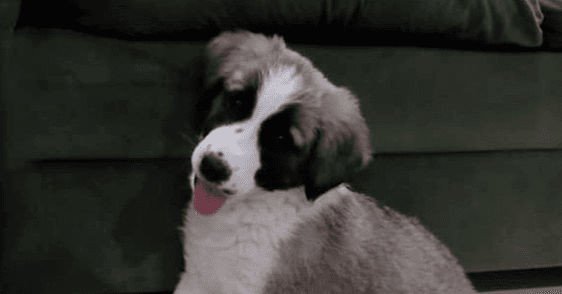
Showing 6 dogs
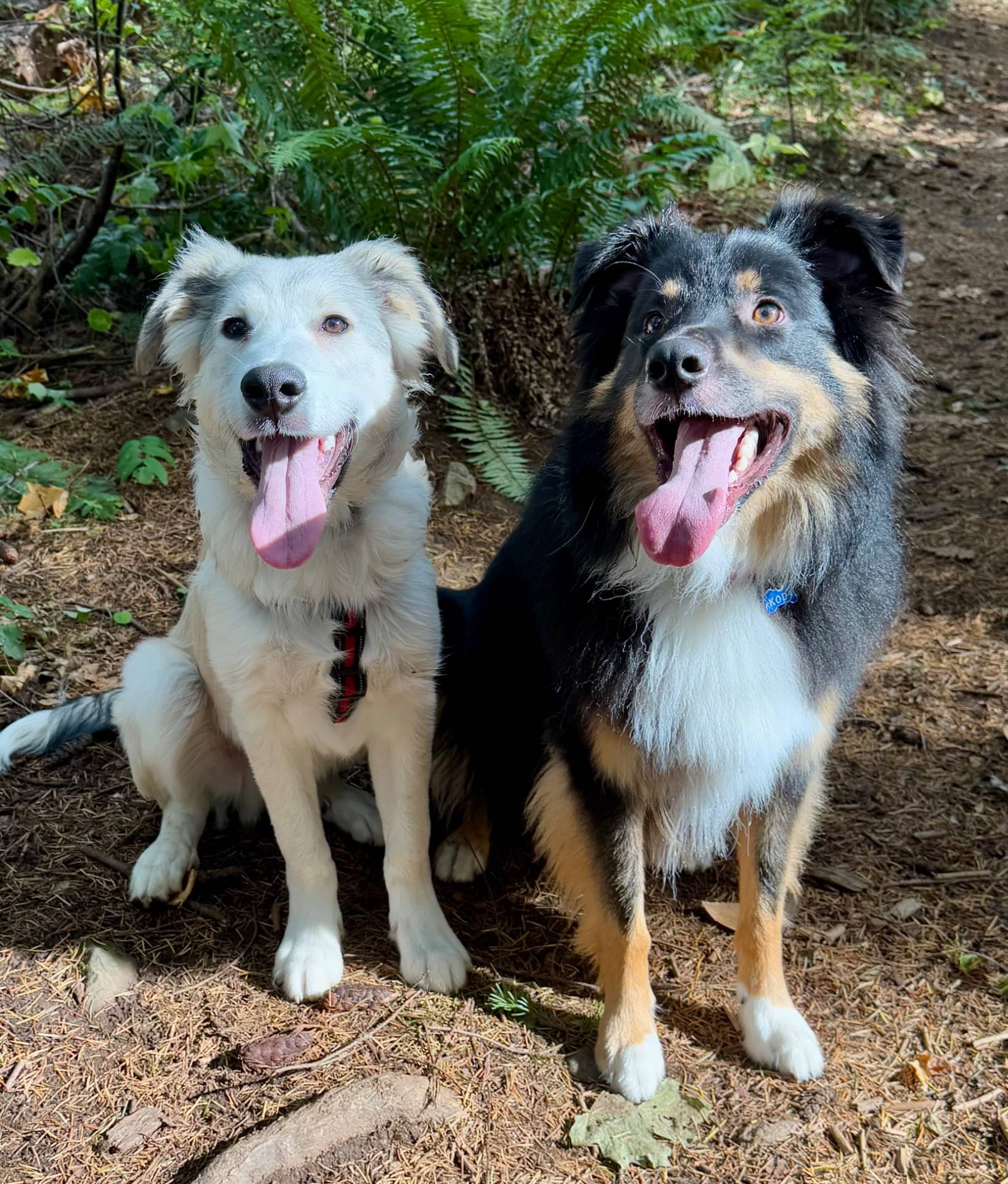
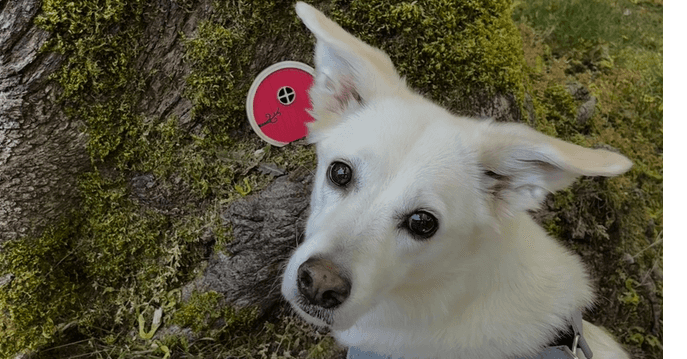
Timber
16 months • Rough‑coat collie × cream retriever × Pyrenees‑type cross
Owner Rehoming
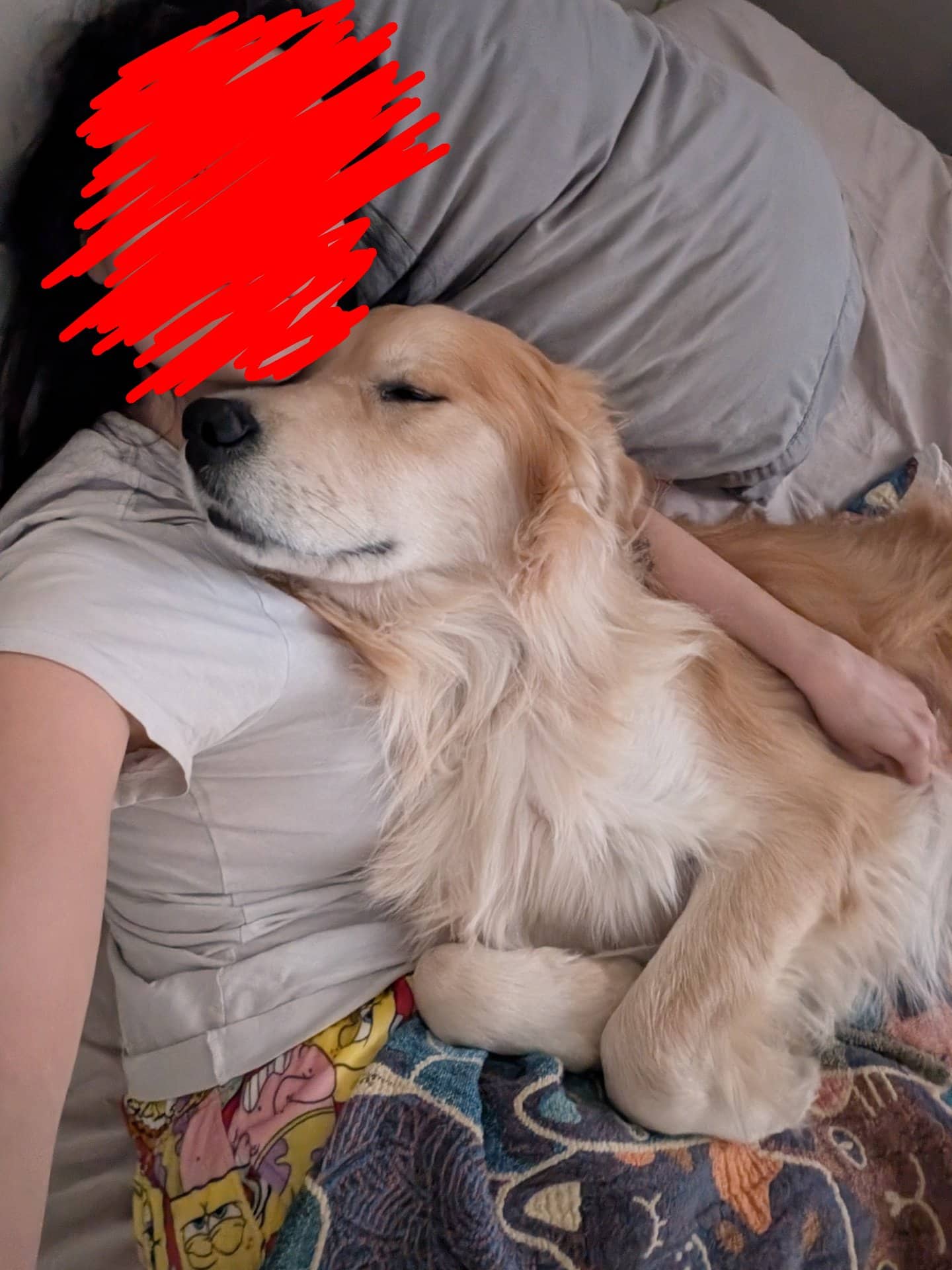
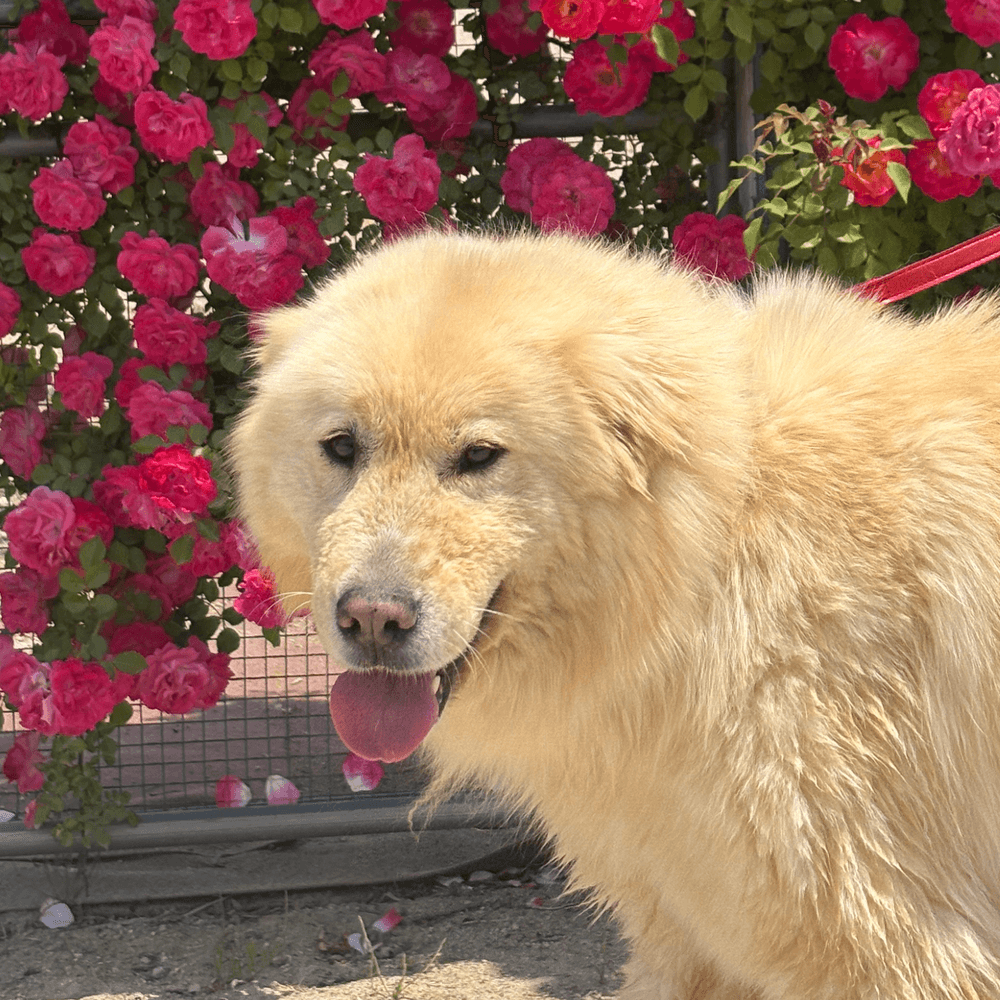
Little Bear
3 years • Great Pyreneese
Owner Rehoming
Get notified when a Great Pyrenees is listed
We will email you the moment a Great Pyrenees becomes available in British Columbia, from a rescue or an owner rehoming.
Adopting a Great Pyrenees in British Columbia
The Great Pyrenees is a French livestock guardian breed (LGD) developed over centuries to protect sheep flocks in the Pyrenees mountains between France and Spain. At 85 to 160 lbs with a weatherproof double coat, the breed was bred to live outdoors with livestock in real mountain weather and to make independent decisions about threats without waiting for a handler. Those traits do not switch off in a pet home, and the breed is one of the harder fits in BC depending on where you live.
This page pulls every adoptable Pyr from the launched BC shelters into one searchable place, refreshed regularly. We need to be direct with prospective adopters: the urban Vancouver condo or the dense Victoria townhouse is the wrong home for this breed. The right Pyrenees home in BC is usually rural land in the Fraser Valley, on Vancouver Island, or in the Okanagan or Interior.
Why Great Pyrenees cycle through BC rescue
Most Pyr surrenders we see trace back to one of two situations. The first is the urban adopter who underestimated the breed. Someone in Vancouver or Victoria falls for a fluffy white puppy on Instagram, brings the dog home to a townhouse with a small yard, and within a year is overwhelmed by 100 pounds of barking, shedding, independent-minded livestock guardian who hates being alone indoors. The dog ends up in rescue.
The second is the working-line dog placed on a hobby farm without enough livestock or stimulation. A Pyrenees raised without a job sometimes invents one (perimeter patrol of a five-acre lot, barking through every night), and the household reaches a limit. These dogs often do well in a more demanding rural placement with sheep, goats or alpacas; the foster will know.
BC climate fit: excellent on the coast
This is one of the few large breeds where BC coastal climate is actively favourable. The Great Pyrenees double coat is genuinely weatherproof: a thick outer guard coat that sheds water, over a dense undercoat that insulates. The breed was developed for cold mountain weather with snow and rain, and the BC wet coastal winter is well within the breed's comfort zone. A Pyrenees in Vancouver January rain is in its element.
Okanagan summer is the harder season. Past 30°C the heavy coat becomes a liability, and the breed slows down significantly. Shift exercise to dawn and dusk, provide shade and water, and never shave the coat down; the outer coat insulates against heat as well as cold, and shaving makes the dog hotter, not cooler. The Lower Mainland and Vancouver Island summer is generally fine.
The nocturnal barking is a breed trait, not a training problem
New Pyrenees adopters need to understand this clearly: night-time barking is part of the breed's livestock-guardian wiring. The job of a Pyr is to patrol the perimeter and bark at anything unusual after dark (coyotes, bears, raccoons, strangers, owls). On rural BC acreage, this is the breed doing its job. In a Vancouver suburb at 3 AM, it is a neighbour complaint waiting to happen.
Training can reduce the volume and the frequency, but it does not eliminate the instinct. The household needs to either live somewhere the barking does not matter (rural land with no close neighbours), or accept the dog will be brought inside at night and barking will be managed indoors. We do not place Pyrenees in urban condos or townhouses for this reason, and reputable BC rescues will say the same.
Health concerns worth asking the foster about
Great Pyrenees have several breed-specific issues fosters should answer plainly. Hip dysplasia is the most common (large slow-growing breed). Elbow dysplasia, patellar luxation, bone cancer (osteosarcoma, a known large-breed risk), and bloat (gastric dilatation, deep-chested breed) all appear. Addison's disease and hereditary cataracts show up in some lines. The breed is sensitive to anaesthesia, like other livestock-guardian and giant breeds; flag this for any vet who has not worked with Pyrenees before. A foster who has lived with the dog will know how it is moving and breathing. Ask directly.
What Pyrenees are actually like to live with
A well-placed Great Pyrenees is calm, watchful, devoted to its territory and family, and famously gentle with the household once it has decided you belong. The realistic parts to plan for:
- Independent, not biddable. The breed was bred to make decisions without a handler; "off-leash recall" is not a realistic goal for most Pyrenees.
- Barks at night. This is breed temperament, not a training failure. Plan for rural land or accept managed indoor evenings.
- Sheds heavily. The double coat blows twice a year; expect daily vacuuming for weeks and weekly brushing year-round.
- Needs space. The right home is acreage, a real fenced rural lot, or a hobby farm. A small urban yard is wrong for the breed.
- Wanderer if not fenced. Pyrenees expand their patrol perimeter naturally; a secure fence is non-negotiable.
- Not high-exercise. 45 to 60 minutes of walking plus patrol time in the yard is enough; the breed is not a jogger.
- Lifespan 10 to 12 years, with proper joint care.
- Excellent with children when properly socialised, often very protective of household kids.
What the fee usually covers
Pyrenees adoption fees at BC rescues sit at the higher end of the large-dog range. The fee covers spay or neuter, core vaccinations, microchip, deworming, and a vet check before placement. Confirm the exact number on the dog's own listing.
How to actually search
Use the filters to narrow by size (large to giant), energy (medium-low for most adults), good with kids (usually yes), and good with other dogs (varies; many Pyrs are good with calmer dogs and selective with pushy ones). Be honest with yourself about your living situation. A Pyrenees on a Fraser Valley five-acre lot or a Vancouver Island hobby farm is in its element; a Pyrenees in a Yaletown condo is the wrong placement and reputable BC rescues will say no to that application.
Looking more broadly? Browse every adoptable dog across the province on Dog Adoption British Columbia.
Great Pyrenees Adoption FAQ — British Columbia
Tap a question to expand
How many Great Pyrenees are available for adoption in British Columbia?▼
Where can I find Great Pyrenees adoption near me in British Columbia?▼
Can a Great Pyrenees live in a Vancouver condo?▼
How does the Great Pyrenees handle BC coastal rain?▼
Why does my Great Pyrenees bark all night?▼
Is the Great Pyrenees good with kids?▼
How much does it cost to adopt a Great Pyrenees in British Columbia?▼
Is LocalPetFinder a Great Pyrenees rescue?▼
Can I get a Great Pyrenees free to a good home in British Columbia?▼
Are these Great Pyrenees for sale in British Columbia?▼
Where can I buy a Great Pyrenees in British Columbia, and should I?▼
Are there free Great Pyrenees in British Columbia, or great pyrenees under $500?▼
Are there Great Pyrenees puppies in British Columbia, or only adults?▼
Where can I find a Great Pyrenees near me in British Columbia?▼
Popular dog breeds in British Columbia
Great Pyrenees adoption by city in British Columbia
Each city page lists only the great pyrenees available from rescues serving that city, with local adoption details.
Need to rehome a Great Pyrenees?
If you can no longer keep your Great Pyrenees, you can list them for free on LocalPetFinder. Your dog stays in your home until you find the right family, you screen who applies, and there is no surrender fee. Not sure yet? Our guide to surrendering a dog in Canada walks through every option first.
List your dog for free →