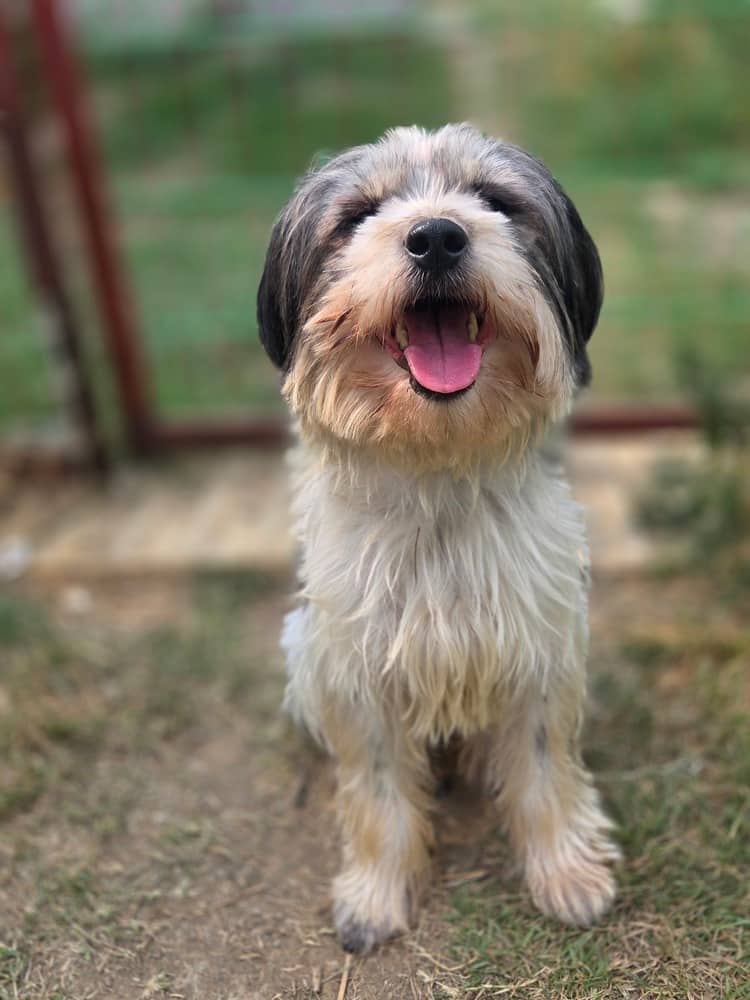
Get notified when a Lhasa Apso is listed
We will email you the moment a Lhasa Apso becomes available in British Columbia, from a rescue or an owner rehoming.
Adopting a Lhasa Apso in British Columbia
Lhasa Apsos and Lhasa crosses turn up in BC rescue with some regularity, often through small-breed rescues across the Lower Mainland, Vancouver Island and the Okanagan. They are an old Tibetan watchdog kept as a companion, and the families that surrender them are usually surprised the breed is not the soft, biddable lapdog they pictured.
This page pulls every adoptable Lhasa Apso from the launched British Columbia shelters into one searchable place, refreshed regularly. Search the whole province rather than one city. A good match in Kelowna or Nanaimo is worth a ferry ride or a drive over the Coquihalla, and most rescues will arrange a meet at the foster home regardless of where you live.
Why Lhasa Apsos cycle through BC rescue
The most common reason is the personality mismatch. People buy a fluffy small dog expecting a cuddly, eager-to-please lapdog and get an independent, aloof, sometimes stubborn watchdog that decides for itself how much affection it wants to give. That is not a flaw, it is the breed, but it surprises owners who did not research it, and some surrender over it.
The other common reason is the coat. A Lhasa's long, heavy coat needs real upkeep, and owners who fall behind end up with a matted dog they cannot manage. Some BC rescue Lhasas also arrive through Interior and northern transfers alongside other small dogs. The dog you meet in foster is usually a healthy companion whose first home underestimated either the temperament or the grooming.
BC climate fit: watch the heat, manage the wet
A Lhasa's long coat offers decent protection against the damp coastal winters of Vancouver, Victoria and Nanaimo, but that coat soaks and mats if the dog comes in wet repeatedly, so plan to dry and brush after rainy walks. A pet clip, which many owners choose, trades some weather protection for far easier maintenance, and most BC Lhasas live in a clip rather than a full show coat.
Heat is the bigger caution. The Lhasa has a shortened muzzle, so it is mildly brachycephalic and does not cool as efficiently as a longer-nosed dog. In the Okanagan, where Kelowna summers push past 35°C, that matters. Walk early morning or after dark, keep the dog out of midday heat, and never leave it in a parked car. A clipped coat helps in summer but does not remove the heat-tolerance limit.
Health to ask the foster about
Lhasa Apsos are a long-lived breed overall, but rescues see a few conditions worth asking about. Eye problems are the standout: cherry eye, dry eye and progressive retinal atrophy all come up, and the long facial hair can irritate the eyes if not kept trimmed. Kidney issues, patella luxation and skin problems under the coat also appear. A foster who has lived with the dog knows whether it is squinting, tearing, scratching or moving oddly.
Because of the mild brachycephaly, also ask about breathing and heat tolerance. A foster can tell you whether the specific dog snores heavily, tires fast, or struggles on warm days, all useful to know before an Okanagan summer.
What a Lhasa Apso is actually like to live with
Lhasas are loyal, dignified and genuinely characterful, which the right owner loves. The traits that surprise unprepared homes are worth understanding before you apply:
- They are independent, not a typical lapdog. A Lhasa gives affection on its own terms and can be aloof, especially at first, so do not expect instant velcro behaviour.
- They can be stubborn. Training works with patience and positive methods, but a Lhasa will weigh whether it agrees with you, and harsh handling backfires.
- They are watchdogs and can be barky. Wariness of strangers and alert barking are part of the breed, which matters in dense Vancouver buildings with close neighbours.
- The coat is a real commitment. Either keep a long coat brushed regularly or maintain a pet clip with a groomer. A neglected coat mats fast and hides skin problems.
- They are wary of strangers but loyal to their household, so calm, patient socialisation pays off and rushed introductions do not.
What the fee usually covers
A Lhasa Apso adoption fee at a BC rescue covers the medical work the rescue already paid for: spay or neuter, core vaccinations, microchip, deworming and a vet check before placement. A dog that arrived with a neglected coat may also have had a grooming reset, and some come with dental work given the breed. Confirm the exact number on the dog's own listing, because it varies with age and any special medical or grooming care.
How to actually search
Use the filters above to narrow by size (small), age and shelter. If a Lhasa comes up that fits a home comfortable with an independent, watchful dog and the grooming commitment, apply the same day. Ask the foster directly about temperament, barking, grooming history and heat tolerance before you commit, since those are the details that decide whether the match lasts through a BC summer and a wet winter.
Looking more broadly? Browse every adoptable dog across the province on Dog Adoption British Columbia.
Lhasa Apso Adoption FAQ — British Columbia
Tap a question to expand
How many Lhasa Apsos are available for adoption in British Columbia?▼
Where can I find Lhasa Apso adoption near me in British Columbia?▼
Are Lhasa Apsos good lapdogs for first-time owners?▼
Are Lhasa Apsos a good fit for the BC climate?▼
How much grooming does a Lhasa Apso need?▼
Can I adopt a Lhasa Apso from Vancouver Island if I live on the mainland?▼
Is LocalPetFinder a Lhasa Apso rescue?▼
How much does it cost to adopt a Lhasa Apso in British Columbia?▼
Can I get a Lhasa Apso free to a good home in British Columbia?▼
Are these Lhasa Apsos for sale in British Columbia?▼
Where can I buy a Lhasa Apso in British Columbia, and should I?▼
Are there free Lhasa Apsos in British Columbia, or lhasa apsos under $500?▼
Are there Lhasa Apso puppies in British Columbia, or only adults?▼
Where can I find a Lhasa Apso near me in British Columbia?▼
Popular dog breeds in British Columbia
Lhasa Apso adoption by city in British Columbia
Each city page lists only the lhasa apsos available from rescues serving that city, with local adoption details.
Need to rehome a Lhasa Apso?
If you can no longer keep your Lhasa Apso, you can list them for free on LocalPetFinder. Your dog stays in your home until you find the right family, you screen who applies, and there is no surrender fee. Not sure yet? Our guide to surrendering a dog in Canada walks through every option first.
List your dog for free →