Showing 8 dogs
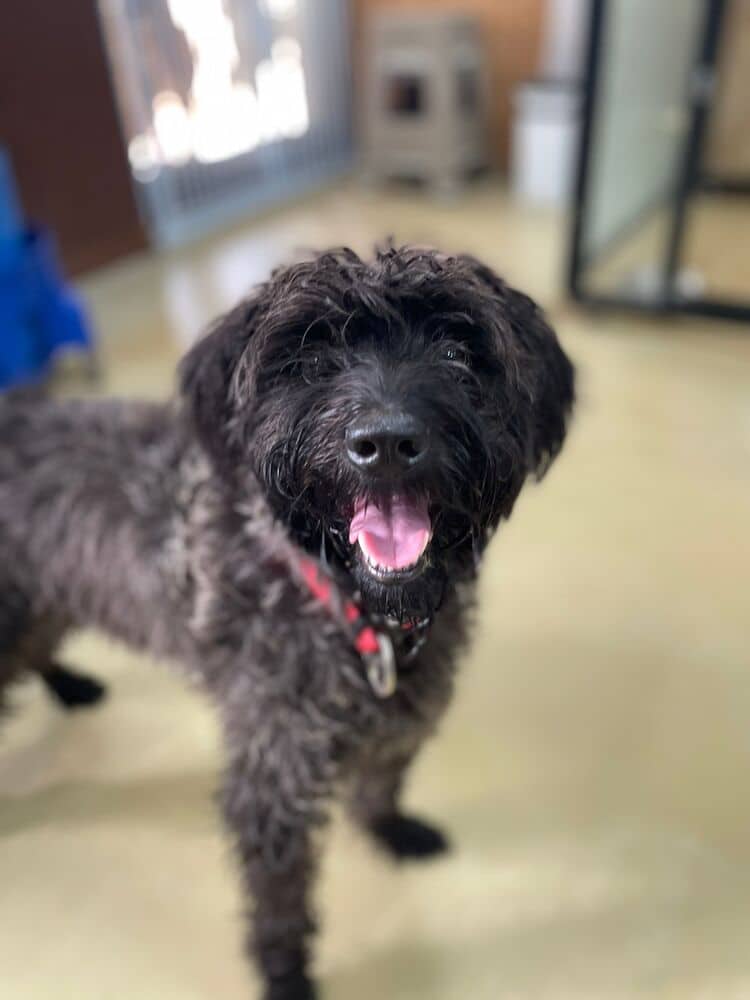
Terry
5 years • Schnauzer
Furever Freed Dog Rescue
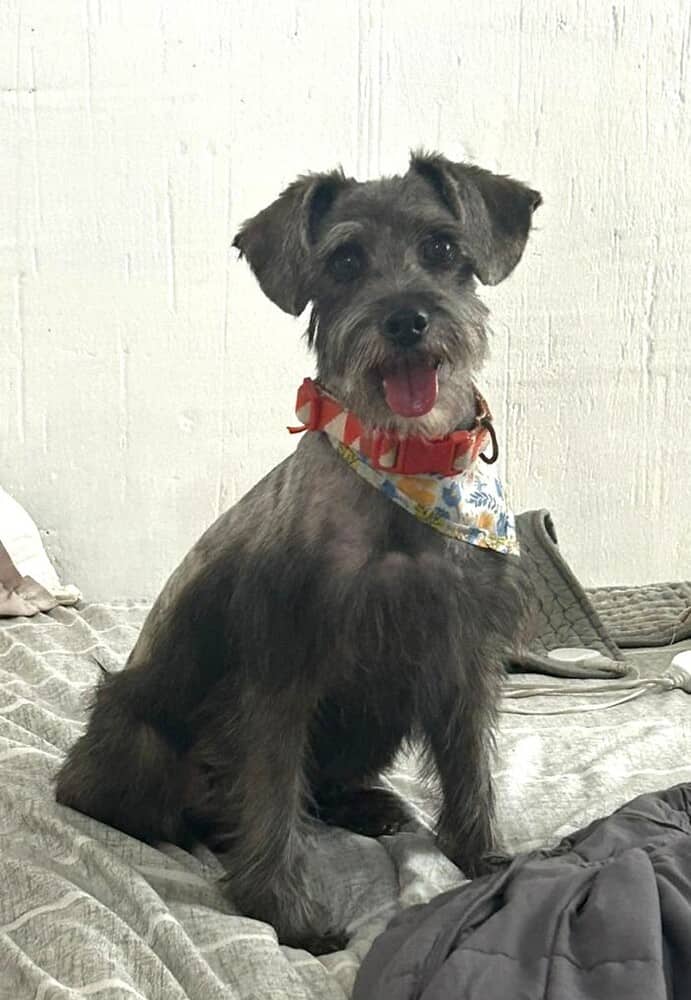
Danny
2 years • Schnauzer Mix
Furever Freed Dog Rescue
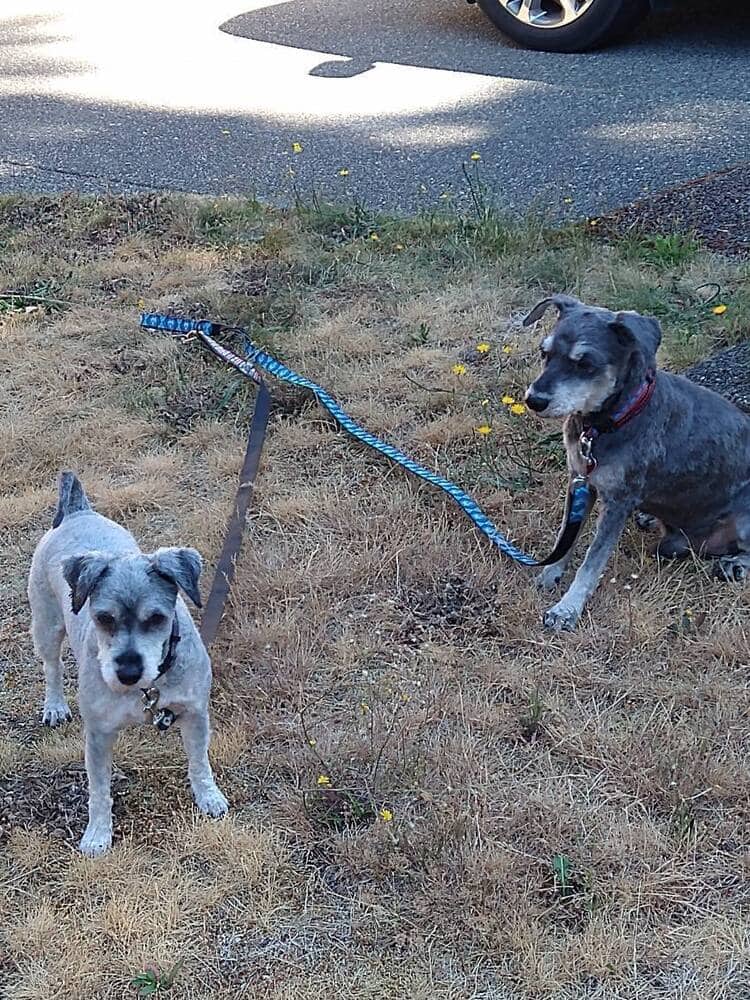
Layka
2 years • Schnauzer mix
Furever Freed Dog Rescue
Doris
6 years • Schnauzer
Furever Freed Dog Rescue
Get notified when a Miniature Schnauzer is listed
We will email you the moment a Miniature Schnauzer becomes available in British Columbia, from a rescue or an owner rehoming.
Adopting a Miniature Schnauzer in British Columbia
Miniature Schnauzers are a more biddable terrier than most, and the breed shows up in BC rescue with regular frequency. The Mini was developed in 1880s Germany by crossing the Standard Schnauzer with the Affenpinscher, bred down to a farm-yard ratter that could work close to the household. That working-but-companion heritage explains why the Mini is easier to live with than the typical terrier, but it is still a terrier underneath. Bark, dig, chase, hold an opinion.
This page pulls every adoptable Miniature Schnauzer from the launched BC shelters into one searchable place, refreshed regularly. Foster homes from Vancouver through Victoria, Nanaimo and Kelowna will set up a meet wherever you live, and the right dog on the Island is worth a ferry trip.
Why Miniature Schnauzers cycle through BC rescue
Most Mini Schnauzer surrenders we see in BC come from one of two patterns. The first is the barking. The breed is alert and vocal, and a Mini left in a Vancouver condo with a hallway full of foot traffic alarm-barks through the workday. Neighbours complain, building management sends letters, and the household chooses the building over the dog.
The second is the grooming. Mini Schnauzers have a wiry double coat with the iconic beard and eyebrows, and that coat is meant to be hand-stripped or skilfully clipped every six to eight weeks. The beard collects food and water and needs daily wiping. Owners who underestimated the routine, or who tried to maintain it themselves and produced a soft matted coat, eventually surrender when the maintenance feels endless.
A Mini Schnauzer in BC weather
The wiry double coat handles coastal rain reasonably well. The breed was developed as a German farm dog and the coat sheds water more effectively than many small breeds. Vancouver, Victoria and Nanaimo winters are not a problem; plan a quick towel and beard-dry at the door from October through April. The beard holds onto wet salt and grit longer than the rest of the coat, so a daily check matters.
Okanagan summer is manageable. The Mini tolerates dry heat better than heavy double-coated dogs, but pavement at 35°C in Kelowna still burns pads. Walk early morning or after dark from June through August. Do not shave the coat to the skin; the wiry texture protects against sun and biting insects, and a shaved Schnauzer overheats faster than a properly-groomed one.
Health concerns worth asking the foster about
Miniature Schnauzers carry several breed-specific concerns. Pancreatitis is the biggest one; the breed has a known predisposition and diet matters. Hyperlipidemia (high blood fat), urinary stones (especially calcium oxalate), diabetes mellitus, and progressive retinal atrophy all come up. Skin issues including Schnauzer comedo syndrome (small blackheads along the back) and Schnauzer bumps are breed-typical. The foster who has lived with the dog for weeks knows the dog’s current status; ask about pancreatitis history and current diet specifically.
What Mini Schnauzers are actually like to live with
A well-matched Mini Schnauzer is alert, clever, and devoted to its household. The realistic parts of the breed to plan for:
- They bark. Doorbells, hallway traffic, squirrels, other dogs on the street. Plan a training response from week one.
- They are more biddable than most terriers. Training takes well; the breed wants to work with the household more than against it.
- They need real grooming. Professional groom every six to eight weeks plus daily beard care. Hand-stripping is breed-correct but most BC groomers clip.
- They are alert dogs, not lap dogs. A Mini wants involvement in the household, not a couch corner.
- They live 12 to 15 years. Most rescue Schnauzers have many years left.
- Diet matters. The breed’s pancreatitis risk means low-fat food and no table scraps; budget for a quality diet.
What the fee usually covers
Miniature Schnauzer adoption fees in BC sit in the small-dog range. The fee covers spay or neuter, core vaccinations, microchip, deworming, and a vet check before placement. Dogs with pancreatitis or diabetes history may carry higher fees to reflect ongoing care costs and may come with diet recommendations the foster will explain. Confirm the exact number on the dog’s own listing.
How to actually search
Use the filters to narrow by size (Minis are small), energy (medium for most adults), good with kids (usually yes), and good with other dogs (often fine but check the listing). Read the foster’s notes on barking and any history of pancreatitis. Apply the same day a dog fits. Foster homes will set up a video call before you book a ferry or an Interior drive.
Looking more broadly? Browse every adoptable dog across the province on Dog Adoption British Columbia.
Miniature Schnauzer Adoption FAQ — British Columbia
Tap a question to expand
How many Miniature Schnauzers are available for adoption in British Columbia?▼
Where can I find Miniature Schnauzer adoption near me in British Columbia?▼
Do Miniature Schnauzers bark a lot?▼
How much grooming does a Mini Schnauzer really need?▼
How much does it cost to adopt a Miniature Schnauzer in British Columbia?▼
Are Mini Schnauzers good with cats?▼
Is LocalPetFinder a Schnauzer rescue?▼
What is the difference between a Miniature, Standard and Giant Schnauzer?▼
Can I get a Miniature Schnauzer free to a good home in British Columbia?▼
Are these Miniature Schnauzers for sale in British Columbia?▼
Where can I buy a Miniature Schnauzer in British Columbia, and should I?▼
Are there free Miniature Schnauzers in British Columbia, or miniature schnauzers under $500?▼
Are there Miniature Schnauzer puppies in British Columbia, or only adults?▼
Where can I find a Miniature Schnauzer near me in British Columbia?▼
Popular dog breeds in British Columbia
Miniature Schnauzer adoption by city in British Columbia
Each city page lists only the miniature schnauzers available from rescues serving that city, with local adoption details.
Need to rehome a Miniature Schnauzer?
If you can no longer keep your Miniature Schnauzer, you can list them for free on LocalPetFinder. Your dog stays in your home until you find the right family, you screen who applies, and there is no surrender fee. Not sure yet? Our guide to surrendering a dog in Canada walks through every option first.
List your dog for free →