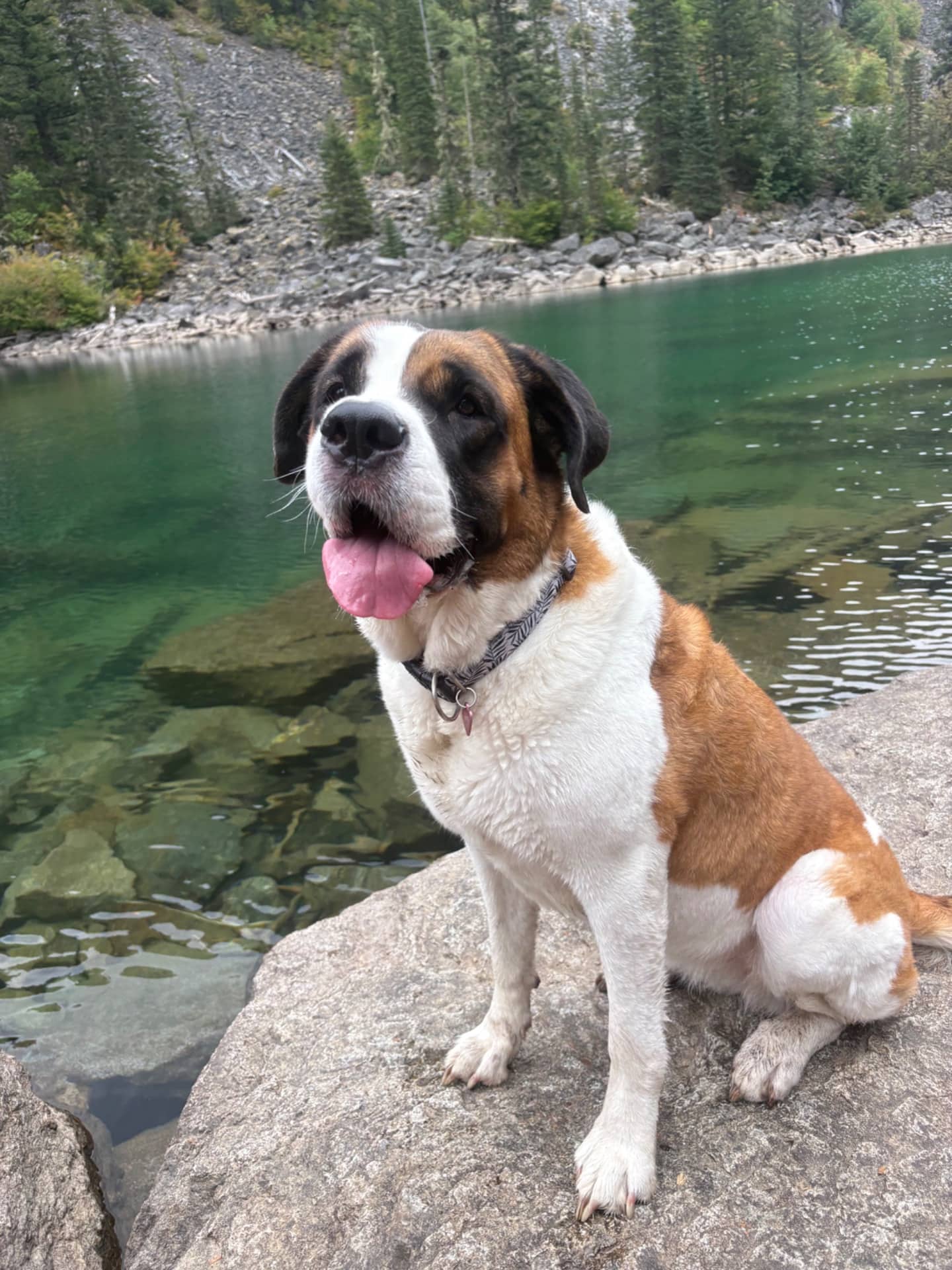
Get notified when a St. Bernard is listed
We will email you the moment a St. Bernard becomes available in British Columbia, from a rescue or an owner rehoming.
Adopting a St. Bernard in British Columbia
St. Bernards are not a common breed in BC rescue, but when one needs a home it tends to need it urgently, because few households are set up for a giant dog. This page pulls every adoptable Saint and Saint cross from the launched British Columbia shelters into one searchable place, refreshed regularly, so you are not checking one Vancouver rescue and then a separate Island or Okanagan group.
A serious adopter should search province-wide. A Saint might surface in the Lower Mainland, on Vancouver Island, or in the Interior, and the right dog is worth a ferry ride or a drive. Just plan the logistics. Moving a 120-plus-pound dog over a BC ferry or the Coquihalla takes a vehicle that fits it. Most rescues will arrange a meet at the foster home regardless of where you live.
Why Saints end up in BC rescue
The story foster homes hear is almost always about size and cost. A family bought a fluffy Saint puppy, it grew into a giant that fills a room, and the food bills, the vehicle that no longer fits, and the vet costs added up faster than they expected. Surrender for size and expense is the most common reason a Saint comes through rescue here.
Saints are uncommon as a breed in Canada, so you will not see one most months. You are more likely to find a Saint cross than a purebred. If you want the breed specifically, search the whole province and be ready to act when one appears, because a calm, family-friendly giant does not sit in rescue long.
Built for snow, struggling in the Okanagan
The St. Bernard is an alpine breed built for cold and snow, and that heavy coat is a genuine asset in a BC winter and a genuine liability in a BC summer. The mild, wet coastal winters in Vancouver, Victoria and Nanaimo suit a Saint well, though the damp means a thick coat soaks and takes a long time to dry, so plan for towels by the door.
The Okanagan is the real problem. A Saint in Kelowna heat past 35°C overheats dangerously, far faster than a smaller dog, and heat stress in a giant breed is an emergency. Interior adopters need to take this seriously: walk only in the cool of early morning or after dark in summer, never midday, and plan for indoor cooling. One more thing every adopter should know upfront. Saints drool, heavily, and that is not a flaw you can train away.
Health concerns worth asking the foster about
Giant breeds carry giant-breed health considerations, and the St. Bernard is a short-lived breed because of them. Hip and elbow dysplasia, bloat (a life-threatening stomach condition), and heart conditions come up most often. Ask the foster whether the dog moves freely, has had any episodes of bloat or stomach trouble, and whether a vet has flagged anything with the heart.
A foster who has lived with the dog for weeks knows whether it is stiff getting up, slow on stairs, or tiring quickly. Ask directly, and go in clear-eyed that a Saint is a shorter commitment in years but a very large one in daily care and cost.
What St. Bernards are actually like to live with
Saints are gentle, calm, family-oriented dogs, which is exactly why people fall for them. The temperament is the easy part. The logistics are what catch new owners out. Here is what foster homes tell adopters to expect:
- Sheer size. A Saint needs space, a vehicle it actually fits in, and a household ready for a dog that leans, fills doorways, and is hard to move when it does not want to.
- Real cost. Food, vet care, medication doses and boarding all scale with weight. Budget like you mean it.
- Heavy drool. The jowls drip, and it goes on walls, furniture and your clothes. This is not trainable.
- Gentle but giant. Good with families and often kids, but a tail wag or a happy lean can knock over a toddler, so supervision matters.
- Moderate exercise needs. Saints are not high-energy, but joints and heat tolerance mean walks have to suit the weather and the dog's age.
What the fee usually covers
St. Bernard adoption fees at BC rescues sit in the normal range for a large or giant rescue dog. The fee covers the medical work the rescue already paid for: spay or neuter, core vaccinations, microchip, deworming, and a vet check before placement. Confirm the exact number on the dog's own listing, because it varies with age and any special medical care.
How to actually search
Use the filters above to narrow by size (large), age and shelter. Because Saints are uncommon, check back regularly and be ready to move when one appears. Before you apply, be honest about space, vehicle and budget, because those are the reasons most Saints end up in rescue in the first place. Foster homes are usually willing to set up a video call before you cross the strait or drive the Interior for an in-person meet.
Looking more broadly? Browse every adoptable dog across the province on Dog Adoption British Columbia.
St. Bernard Adoption FAQ — British Columbia
Tap a question to expand
How many St. Bernards are available for adoption in British Columbia?▼
Where can I find St. Bernard adoption near me in British Columbia?▼
Why do St. Bernards end up in rescue?▼
Can a St. Bernard handle the BC climate?▼
How much work is a St. Bernard day to day?▼
Is LocalPetFinder a St. Bernard rescue?▼
How much does it cost to adopt a St. Bernard in British Columbia?▼
Can I get a St. Bernard free to a good home in British Columbia?▼
Are these St. Bernards for sale in British Columbia?▼
Where can I buy a St. Bernard in British Columbia, and should I?▼
Are there free St. Bernards in British Columbia, or st. bernards under $500?▼
Are there St. Bernard puppies in British Columbia, or only adults?▼
Where can I find a St. Bernard near me in British Columbia?▼
Popular dog breeds in British Columbia
St. Bernard adoption by city in British Columbia
Each city page lists only the st. bernards available from rescues serving that city, with local adoption details.
Need to rehome a St. Bernard?
If you can no longer keep your St. Bernard, you can list them for free on LocalPetFinder. Your dog stays in your home until you find the right family, you screen who applies, and there is no surrender fee. Not sure yet? Our guide to surrendering a dog in Canada walks through every option first.
List your dog for free →