The short answer
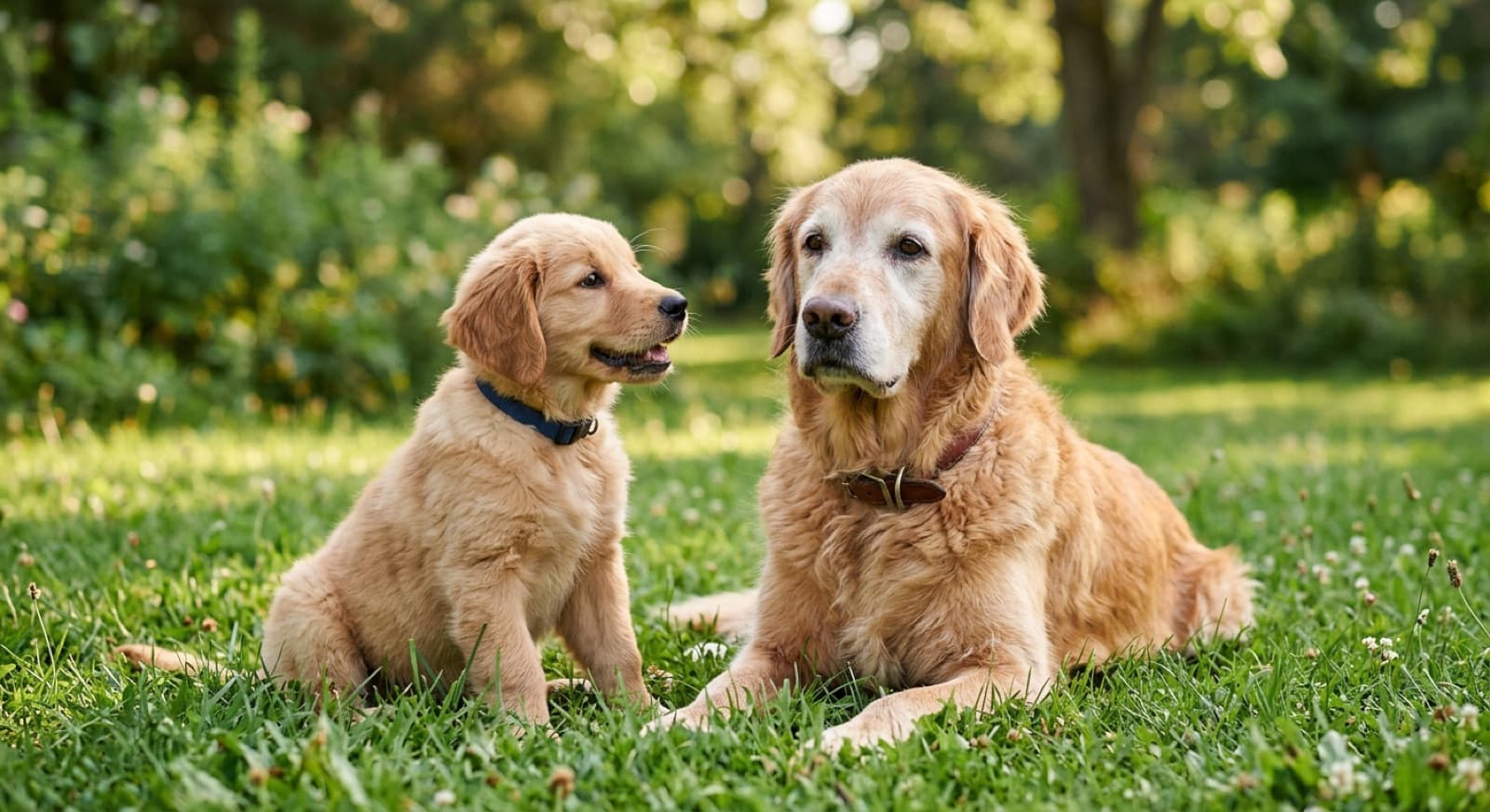
Here is the honest version: most people are better off adopting an adult. Puppies and kittens are adorable, but they are also a huge amount of work, with house or litter training, chewing, broken sleep, and a string of early vet visits. An adult animal is a known quantity. You can see their size, energy, and temperament, and many are already house-trained and social. Adults and seniors also get overlooked in shelters, which means a calmer, often already-trained companion is sitting right there waiting. Babies are the right call for people with the schedule and flexibility to raise one. For everyone else, an adult is the smarter, kinder, and easier choice.
The real work nobody warns you about
Puppies and kittens are a lot of work. That sentence sounds obvious until you are living it. A puppy needs to go out every couple of hours, including overnight, until they are house-trained, and that can take weeks or months. A kitten needs litter training, and while most pick it up fast, the supervision around it is constant. Both will chew, scratch, climb, and get into things you did not know were reachable.
Then there is the sleep. New puppies whine at night for a while, and young kittens turn the small hours into playtime. On top of that, babies come with a round of early vet care: a vaccine series, deworming, spay or neuter, and the occasional surprise visit when they eat something they should not have. None of this is a reason to skip a puppy or kitten. It is just the honest picture, and it is far more demanding than the calm adult curled up in the next kennel.
An adult is a known quantity, a baby is a guess
When you adopt an adult, you can largely see what you are getting. Their full size is settled, their energy level is on display, and their basic temperament is who they already are. A foster home or shelter staff can often tell you whether they are good with kids, other pets, being left alone, or a busy household. That information is gold when you are trying to make a good match.
A puppy or kitten is a gamble on what they will become. A small fluffy puppy can grow into a large, high-energy dog. A sweet, mellow kitten can turn into a demanding, athletic cat. Breed and mix give you hints, but no guarantees, and behaviour develops over the first year or two. If matching the animal to your space, your schedule, and your tolerance for surprises matters to you, an adult removes most of the guesswork.
Energy and lifestyle fit
Be honest about your daily life before you choose. A young dog or cat usually has more energy than people expect, and that energy needs an outlet every single day. Skip the exercise and enrichment and you get chewing, zoomies at midnight, and frustration on both sides. Babies amplify this because they are also still learning the rules.
An adult, by contrast, often comes with a settled rhythm you can match to your own. Want a couch companion who is happy with a couple of walks and a nap? There are calm adult dogs and easygoing adult cats waiting for exactly that home. Want an active hiking or running partner? You can find an adult whose energy is already proven, rather than hoping a puppy grows into it. Matching energy to lifestyle is the single biggest predictor of whether an adoption feels easy or hard.
The underrated case for adopting an adult or senior
Adults and seniors are the most overlooked animals in any shelter, and that is a shame, because they are often the easiest to bring home. Many are already house or litter trained. Many know basic manners, walk reasonably on a leash, and have lived in a home before, so the transition is shorter and smoother than starting from scratch.
There is also a myth that adult and senior animals will not bond as deeply, and it is simply not true. Older dogs and cats bond fast, frequently faster than babies, and many seem genuinely grateful for a soft place to land. Seniors especially tend to be calm, affectionate, and content to just be near you.
Seniors come with one honest caveat: they may have more health needs and fewer years ahead. For a lot of adopters, that trade is more than worth it. You get a gentle, low-drama companion who is house-trained on day one, and you give an animal that everyone else passed over the best chapter of their life. If you can offer that, a senior is one of the most rewarding adoptions there is.
What the first year actually costs
Babies generally cost more in the first year. A puppy or kitten needs a full vaccine series, spay or neuter, deworming, microchipping, and all the starter supplies, plus the occasional vet visit for swallowed socks and upset stomachs. Realistically, the first year with a young animal can run from several hundred to well over a thousand dollars once you add food, gear, training, and vet care. A loose range of $500 to $1,500 in the first year is a reasonable expectation for many homes, and more for larger dogs or anything that needs extra training.
Adults are usually cheaper out of the gate. Many are already spayed or neutered, vaccinated, and microchipped through the rescue, so their adoption fee covers a lot of the early veterinary cost that you would otherwise pay for a baby. You are mostly buying food, basic supplies, and routine care. Seniors can carry more ongoing medical costs as they age, so factor that in, but the upfront chaos and expense of raising a baby is largely off the table.
Who should actually get a puppy or kitten
Plenty of people are a great fit for a baby, and if that is you, go for it with eyes open. Puppies and kittens are right for adopters who have the time, the flexibility, and the patience for the demanding early months. That means being home often enough to manage house or litter training, being okay with disrupted sleep for a while, and being ready to puppy-proof or kitten-proof your space and supervise constantly.
It also helps to want the experience of shaping an animal from the start and to have realistic expectations about how much work that is. If your schedule is packed, if you travel a lot, if you want a calm companion now rather than in a year, or if you would rather skip the chewing and the 3 a.m. play sessions, an adult is the better match. Neither choice is more loving than the other. The kindest thing you can do is pick the one your real life can support, because that is the adoption that actually lasts.
Further reading: the ASPCA's pet adoption resources.
Still deciding?
Once you've settled on age, the breed quiz helps you narrow down the right match.
Find your breed match →FAQ
Tap a question to expand