Showing 2 dogs
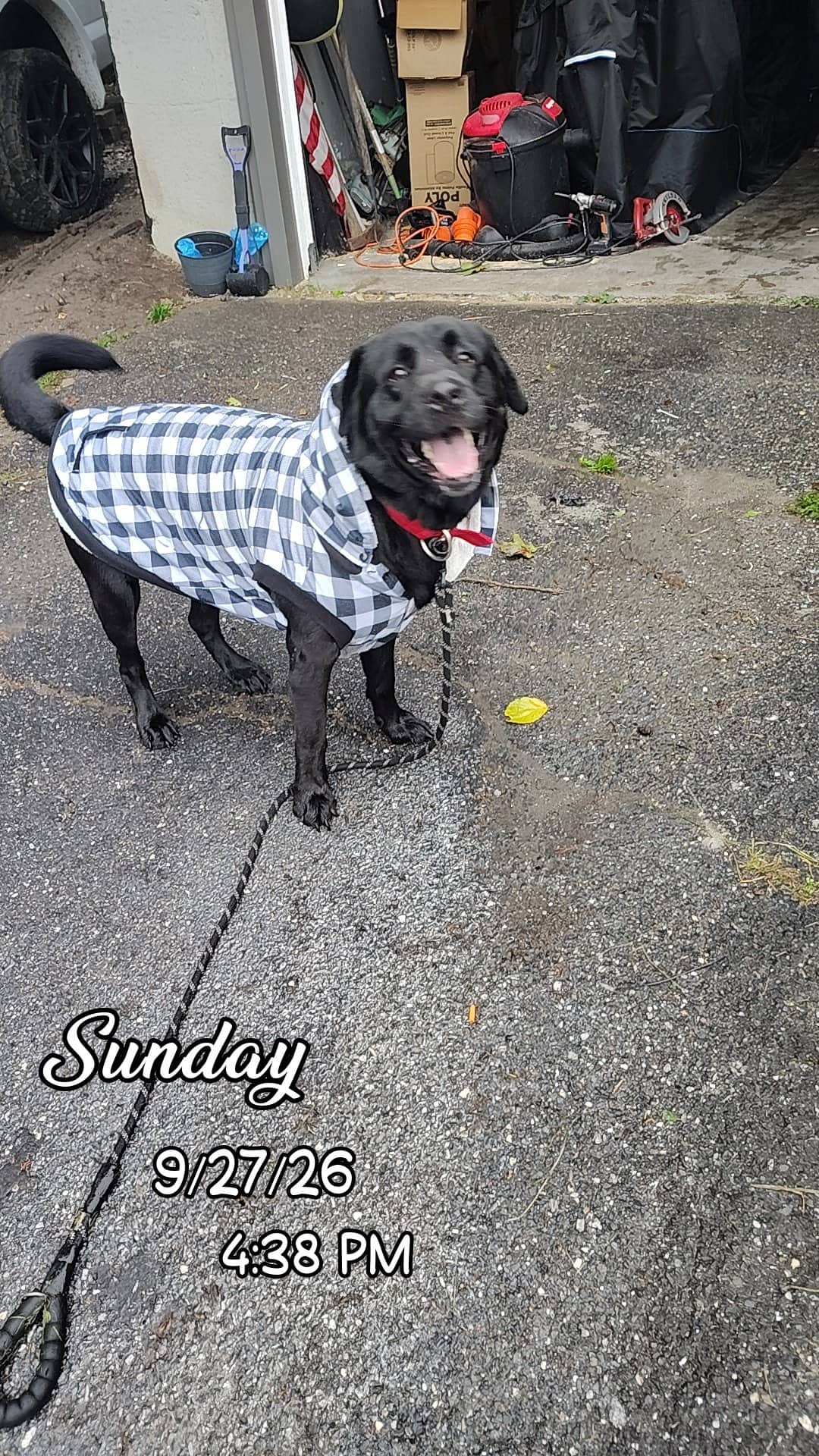
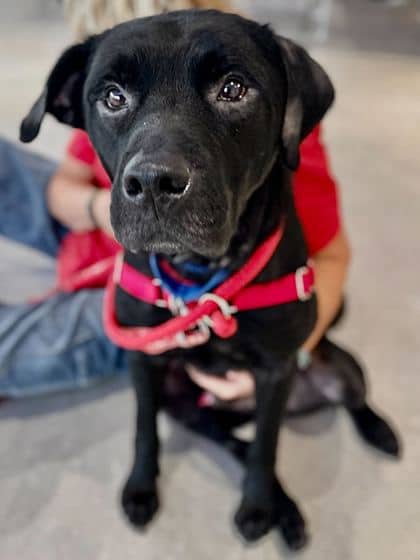
Labrador Retrievers in St. John's, right now
We're currently tracking 2 adoptable Labrador Retrievers in or near St. John's, listed by 2 rescues including Owner Rehoming and St. John's Humane Services. Listings update regularly, and most Labrador Retrievers in St. John's get adopted within days of being posted — if one catches your eye, reach out fast.
See every adoptable Labrador Retriever across Newfoundland and Labrador →
Adopting a Labrador in Newfoundland
The Labrador Retriever traces back to this very coast: it descends from the St. John's water dog, the working fishing dog of old Newfoundland, before the breed was refined in England. The modern Lab is the most popular dog in Canada, and Labs and Lab crosses turn up regularly in Newfoundland rescue, sometimes from homes that underestimated how much exercise a young Lab needs. This page collects every adoptable Lab and Lab cross from the NL shelters we cover into one place, refreshed regularly.
Labs come through the City of St. John's Humane Services and foster-based rescue across the Avalon. Read each listing for the individual dog, since a Lab cross can lean toward the calm family-pet end or the high-octane working end depending on the mix. The rescue will arrange a meet once your application is in.
What to know before you adopt
Labs are friendly, biddable, and famously good with kids and other dogs, which is why they top the popularity charts. The catch is energy and mouth: a young Lab needs real daily exercise and chewing outlets, and a bored Lab redecorates. They love water, so the Bow-, pond-, and ocean-edges around St. John's are a joy and a management job in equal measure. They are food-motivated, which makes training easy and weight control hard.
The dense double coat is built for cold water and shrugs off a Newfoundland winter, though it sheds heavily twice a year. Labs are prone to hip and elbow issues and to obesity, so measured feeding and steady, joint-friendly exercise matter. A long daily walk on the Grand Concourse plus some retrieving or scent games keeps a Lab satisfied and out of trouble.
The St. John's water dog, and what became of it
The dog behind the Labrador was a local working animal, not a designed breed. Fishing crews on this coast kept small, dense-coated, water-loving dogs that hauled lines, retrieved gear and fish that went over the side, and worked the shore in weather that would drive most dogs indoors. English visitors admired them, took them home through the port of Poole, and over generations refined them into the Labrador Retriever. The same stock also sits behind the flat-coated, curly-coated, and Golden Retrievers, so a great deal of the modern retriever world traces back to this island.
The original St. John's water dog itself died out in the twentieth century, squeezed by a mix of livestock protection rules and quarantine restrictions that made it hard to keep and hard to export. What remains is the descendant breed, which means an adopter here is bringing home a dog whose family history started a few kilometres from where they live.
Lab health, weight, and NL-specific practicalities
Two health themes dominate the breed. The first is joints: hip and elbow dysplasia are common, and arthritis follows in later life. The second is weight, and the two feed each other, since Labs are the breed most reliably identified in veterinary practice as the one that will eat anything. Measured meals and counted treats do more for a Lab's lifespan than any supplement. Ask the rescue about the dog's current body condition and any joint history in the veterinary assessment.
Locally, the practical notes are water and salt. Labs will swim in the North Atlantic in temperatures that alarm their owners, and while the coat handles it, cold-water swims still need judgement about currents and exit points along a rocky shoreline. Road salt on Avalon sidewalks irritates paws, so a rinse after winter walks helps. If you are moving to or from the island with a large dog, look into the ferry and airline requirements early, because crate size rules and seasonal restrictions catch people out.
Looking more broadly? Browse every adoptable dog across the province on Dog Adoption Newfoundland and Labrador.
The rescues that most often list Labrador Retrievers across Newfoundland are St. John's Humane Services. For breed-specific background, the Canadian Kennel Club is a useful reference.
Labrador Retriever guides for St. John's adopters
Labrador Retriever Adoption FAQ — St. John's
How many Labrador Retrievers are available for adoption in St. John's?
As of October 2026, Labrador Retrievers are rare in St. John's rescue — only 2 are listed right now across 2 rescues on LocalPetFinder. They tend to get adopted fast, so setting an alert is the most reliable way to find one.
Where can I adopt a Labrador near me in St. John's?
LocalPetFinder lists adoptable Labradors and Lab crosses from Newfoundland rescue, led by the City of St. John's Humane Services and foster-based Avalon rescues. Labs are one of the more common rescue dogs here. Listings refresh regularly and you apply directly with the rescue.
Did the Labrador come from Newfoundland?
Effectively yes. The Labrador descends from the St. John's water dog, the working fishing dog of early Newfoundland, which was taken to England and refined into the modern breed. So while the name points at Labrador, the breed's working roots are on the island itself, a nice piece of local history for an NL Lab adopter.
How much exercise does a Labrador need?
A lot, especially when young. Plan on a solid daily walk plus some retrieving, swimming, or scent work to burn energy and engage the brain. Labs are food-motivated and prone to weight gain, so pair the exercise with measured feeding. A well-exercised Lab is one of the easiest, most affectionate family dogs going; an under-exercised one gets destructive.
What happened to the St. John's water dog?
It died out during the twentieth century. The original working dog of this coast was squeezed by livestock protection rules that discouraged keeping dogs and by quarantine restrictions that made export difficult, and the last known individuals disappeared decades ago. Its descendants, the Labrador and the other retrievers, carry the line forward.
Are black, yellow, and chocolate Labs different?
Only in coat colour, which is a simple matter of genetics rather than temperament. Any behavioural differences people report come from breeding lines rather than colour, since working lines tend to be more driven than show lines regardless of colour. In rescue the useful question is what a specific dog is like, and the foster home can tell you.
Do Labradors handle Newfoundland winters well?
Very well. The dense water-repellent double coat was built for cold-water retrieving, so wind, wet snow, and freezing rain barely slow them down. The practical care items are rinsing road salt off paws after Avalon sidewalk walks, drying the ears after swims, and using judgement about currents and exit points on a rocky shoreline.
Are black, yellow, and chocolate Labs different, and what about English vs American?
They are all one breed. Black, yellow, and chocolate are just coat colours, and all three can appear in the same litter (fox red and white are shades of yellow). The bigger difference is type: English or show Labs tend to be stockier, calmer, and blockier-headed, while American or field Labs are leaner, taller, and higher-energy. In rescue you will mostly meet Labs and Lab mixes of unknown type, so judge the individual dog's energy and drive rather than its colour, which tells you nothing about temperament.
How much does it cost to adopt a Labrador Retriever in St. John's?
Adopting a Labrador Retriever in St. John's typically costs $250 to $650, and puppies usually carry a premium at $450 to $800. The exact fee varies by rescue, and older dogs are often reduced. That fee is not a purchase price. It covers work already done on the dog: spay or neuter, vaccinations, deworming, microchip, and a basic vet workup, which would cost several hundred dollars more if you arranged it yourself after buying. Buying the same breed from a registered breeder generally runs well over $1,000, usually with a waitlist. Ask the rescue what is included before you apply, since a few include extras like a starter bag of food or a first-month insurance trial.
Are these Labrador Retrievers for sale in St. John's?
Not for sale, for adoption, which is usually the better deal. Every Labrador Retriever here comes from a St. John's rescue or shelter, not a breeder, pet store, or classified seller. Adoption fees are typically $250 to $650, with puppies at $450 to $800 and already include vaccinations, deworming, microchip and spay or neuter when age-appropriate, versus roughly several thousand dollars to buy a Labrador Retriever from a breeder. If you searched "labrador retriever for sale st. john's" or "labrador retriever puppies for sale," adopting gets you a healthy, vetted dog for a fraction of the price.
Where can I buy a Labrador Retriever in St. John's, and should I?
You can buy from a registered breeder, but it is worth weighing against adoption first. A reputable Labrador Retriever breeder typically charges several thousand dollars and often has a waitlist, while a rescue Labrador Retriever costs $250 to $650, with puppies at $450 to $800 fully vetted and may be available now. Be cautious of cheap labrador retriever-for-sale ads on classified sites and marketplaces, which are frequently backyard breeders or puppy-mill resellers with unvetted, sometimes sick animals and no health guarantee. If you do buy, insist on seeing where the puppies were raised and getting vet records. For most families in St. John's, adopting a rescue Labrador Retriever is cheaper, faster, and gives a dog in need a home.
Are there free Labrador Retrievers in St. John's, or labrador retrievers under $500?
Adoption is the closest honest answer, and it is not free. A rescue Labrador Retriever in St. John's typically costs $250 to $650, with puppies at $450 to $800, so the lower end lands under the "$500" people search for and the rest does not. What the fee buys is work already done, the vaccinations, deworming, microchip and spay or neuter, which would cost more than the fee itself if you arranged it yourself, and it is still far below breeder prices. Be wary of genuinely free labrador retriever listings. An animal advertised free to a good home has usually not been vetted, and free rehoming ads are the route flippers and unregistered breeders use to move animals with no health guarantee and no recourse. Paying a rescue fee buys you a dog someone has already examined, treated, and been honest with you about.
Are there Labrador Retriever puppies in St. John's, or only adults?
Both, but adults far outnumber puppies, and it is worth knowing that before you start looking. Most Labrador Retrievers arriving in St. John's rescue are adolescents and adults, because that is the age at which first homes tend to give up. Puppies do come through, usually as accidental litters or with a surrendered mother, and they are typically spoken for quickly. Setting an alert beats refreshing the page. It is also worth asking whether you actually want one: an adult arrives with a temperament a foster has already observed and described, where a Labrador Retriever puppy is a prediction, and for this breed in particular knowing what you are getting is the more useful thing.
Where can I find a Labrador Retriever near me in St. John's?
Start with the listings on this page, which pull from St. John's rescues and shelters and are refreshed regularly, so what you see is what is genuinely available rather than a stale directory. If nothing suits today, that is normal for this breed: rescue intake is intermittent rather than steady, and a breed with none listed this week often has several next month. Setting an alert beats checking back, and it is worth widening to nearby towns, since most rescues serving St. John's will adopt out across a reasonable driving distance rather than only inside one municipality.
Have a dog to rehome?
Rehoming a Labrador Retriever in St. John's?
List your dog free. Local adopters browsing St. John's see owner listings first: no shelter, no fees, you choose the home.
List your pet free →Takes 3 minutes. You stay in control of who adopts.
Not seeing one yet?
Get notified when a Labrador Retriever is listed in St. John's
We'll email you the moment a Labrador Retriever is listed in St. John's on LocalPetFinder, from a rescue or an owner rehoming.
One email when there's a match. Unsubscribe anytime.
For rescues & shelters
Are you a St. John's-area rescue? List your adoptable dogs free.
Free shelter account: your dogs appear here and across LocalPetFinder, with analytics and adoption applications included.