Adopting a cat in Halifax
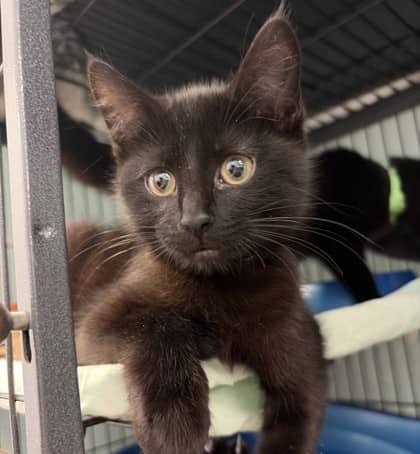
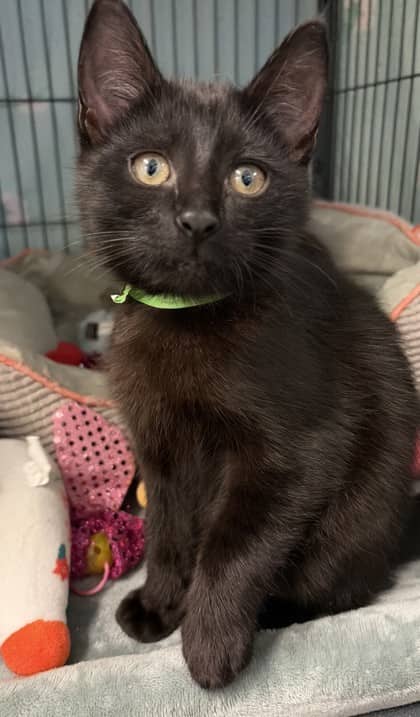
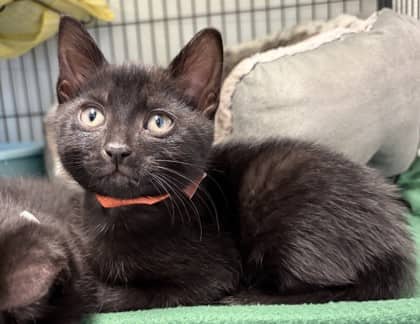
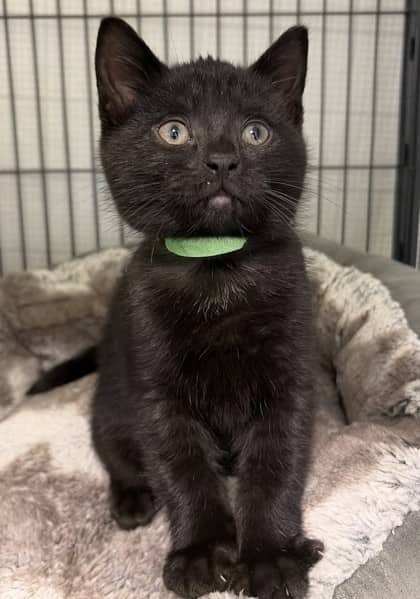
Halifax is the busiest cat adoption market in Atlantic Canada, and the Nova Scotia SPCA is the centre of it. The Metro branch in Dartmouth handles a steady stream of cat intake for Halifax and Dartmouth, with branches in Cape Breton, Colchester, Kings, and Yarmouth covering the rest of the province. Between them they place hundreds of cats into Nova Scotia homes every year.
LocalPetFinder is not a shelter. We do not house cats or process adoptions. We pull the Nova Scotia SPCA cat listings from across the province into one searchable place and refresh them regularly. You apply through the SPCA directly. The site is free and we never add a fee on top of the rescue's adoption cost.
Kittens versus adult cats
Maritime kitten season runs roughly May through October, with peak intake at Nova Scotia shelters in the warm months. Summer brings litters of bottle-fed neonates and freshly weaned kittens, often pulled in alongside their unspayed mothers. Winter inventory leans more toward adult cats whose temperament is already settled.
A kitten is mostly potential. You shape socialisation, but you do not yet know how the cat will end up with kids, dogs, or other cats. An adult cat is mostly known. The SPCA has spent weeks watching how it behaves, which is the single best predictor of how the next year in your home goes. For a Halifax adopter in an apartment, an adult cat is often the easier match.
Indoor cats and what the fee covers
Nova Scotia rescues adopt cats almost exclusively to indoor homes, and the reasons are local. Halifax and its surrounding areas have an active coyote population in the wooded edges and ravines, heavy spring and summer tick pressure, and cold Maritime winters, all of which make outdoor cats short-lived. Indoor cats here live several years longer on average, and the SPCA is clear about that when it places a cat.
A Nova Scotia SPCA cat adoption fee is not the cat's price. It offsets the medical work the SPCA has already paid for: the spay or neuter surgery, core vaccinations including FVRCP and rabies, a microchip, deworming and basic parasite treatment, FIV and FeLV testing, and a veterinary health check before placement. Senior and special-needs cats often have reduced fees. Confirm the current fee and inclusions on the cat's own listing.
Why adopt instead of buy
Nova Scotia has a steady oversupply of cats, especially through kitten season. Adopting through the SPCA frees up space for the next cat coming in. It also costs a small fraction of what an unvetted online kitten costs once you add up the spay, vaccines, microchip, and first vet visit you would otherwise pay for out of pocket.
A shelter cat in Halifax also comes with a baseline of behavioural information that no breeder or online seller can match. The staff have watched the cat live for weeks and can tell you whether it tolerates kids, other cats, dogs, or noise. That is the single best predictor of how the next year in your home goes, particularly in a small apartment where there is nowhere for a cat to escape stress.
Browse cats from Nova Scotia SPCA. Looking elsewhere in the province? See all Nova Scotia adoption options.