Get notified when a Domestic Longhair is listed
We will email you the moment a Domestic Longhair becomes available in Nova Scotia, from a rescue or an owner rehoming.
Adopting a Domestic Longhair in Nova Scotia
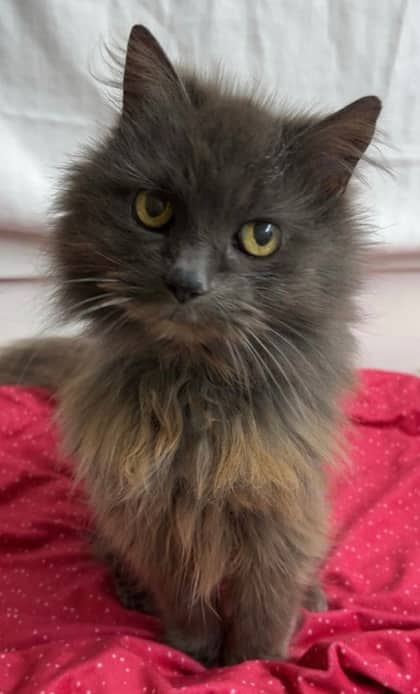
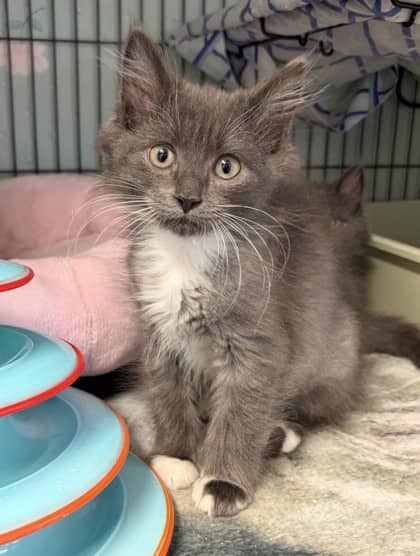
The Domestic Longhair is the long-coated counterpart to the common Domestic Shorthair. Like the DSH, it is not a single breed but a label for any longhaired mixed-ancestry cat, and it is common in Nova Scotia rescue. The Nova Scotia SPCA, with branches across Metro Halifax and Dartmouth, Cape Breton, Colchester, Kings, and Yarmouth, takes in plenty of fluffy mixed-breed cats every year, some carrying a bit of Maine Coon, Persian, or Norwegian Forest ancestry without being any registered breed. If you want the look of a long, plush coat without the breeder price or the waitlist, the Domestic Longhair is the cat to search first.
This page pulls every adoptable Domestic Longhair across the NS rescues we cover into one searchable place, refreshed regularly. Because these cats are common, a Halifax or Dartmouth adopter can usually find several good matches within days rather than weeks. The Nova Scotia SPCA covers the whole province, so a fluffy cat at the Cape Breton or Yarmouth branch is worth the look when the temperament fits, and Maritime rescues add more longhaired cats to the mix.
A plush coat that suits the climate, with upkeep
Domestic Longhairs offer the same easy temperament and hybrid robustness as their shorthaired cousins, ranging from playful to mellow, with the bonus of a beautiful long or semi-long coat. The trade-off is grooming. Unlike the wash-and-go DSH, a longhaired cat needs brushing two or three times a week to prevent mats and tangles, more during the heavy spring and fall sheds, with particular attention to the belly, the ruff, and behind the legs where knots form fastest. A neglected coat mats painfully, so an adopter should treat regular brushing as part of the deal. Beyond the coat, these cats are as healthy and even-tempered as any well-mixed rescue cat.
That thick coat is genuinely well suited to a Nova Scotia winter, keeping the cat comfortable through a cold snap or a Nor'easter, though like every cat in NS rescue the Domestic Longhair is placed indoor-only. A long coat outdoors would collect burrs, road salt, and ticks fast, and the usual Maritime hazards apply: coyotes range to the edges of Halifax Regional Municipality, the provincial tick load is heavy and growing, and winters are long. An indoor Domestic Longhair with routine care and regular brushing commonly lives well into its teens.
Looking more broadly? Browse every adoptable cat across the province on Cat Adoption Nova Scotia.
The rescues that most often list Domestic Longhairs across the province are Nova Scotia SPCA. For breed-specific background, the Canadian Cat Association is a useful reference.
Domestic Longhair Adoption FAQ — Nova Scotia
Tap a question to expand
How many Domestic Longhairs are available for adoption in Nova Scotia?▼
Where can I adopt a Domestic Longhair near me in Nova Scotia?▼
Is a Domestic Longhair a breed?▼
How much grooming does a Domestic Longhair need?▼
Do Domestic Longhairs handle Nova Scotia winters well?▼
How much does it cost to adopt a Domestic Longhair in Nova Scotia?▼
Popular cat breeds in Nova Scotia
Domestic Longhair adoption by city in Nova Scotia
Each city page lists only the domestic longhairs available from rescues serving that city.