Showing 89 cats
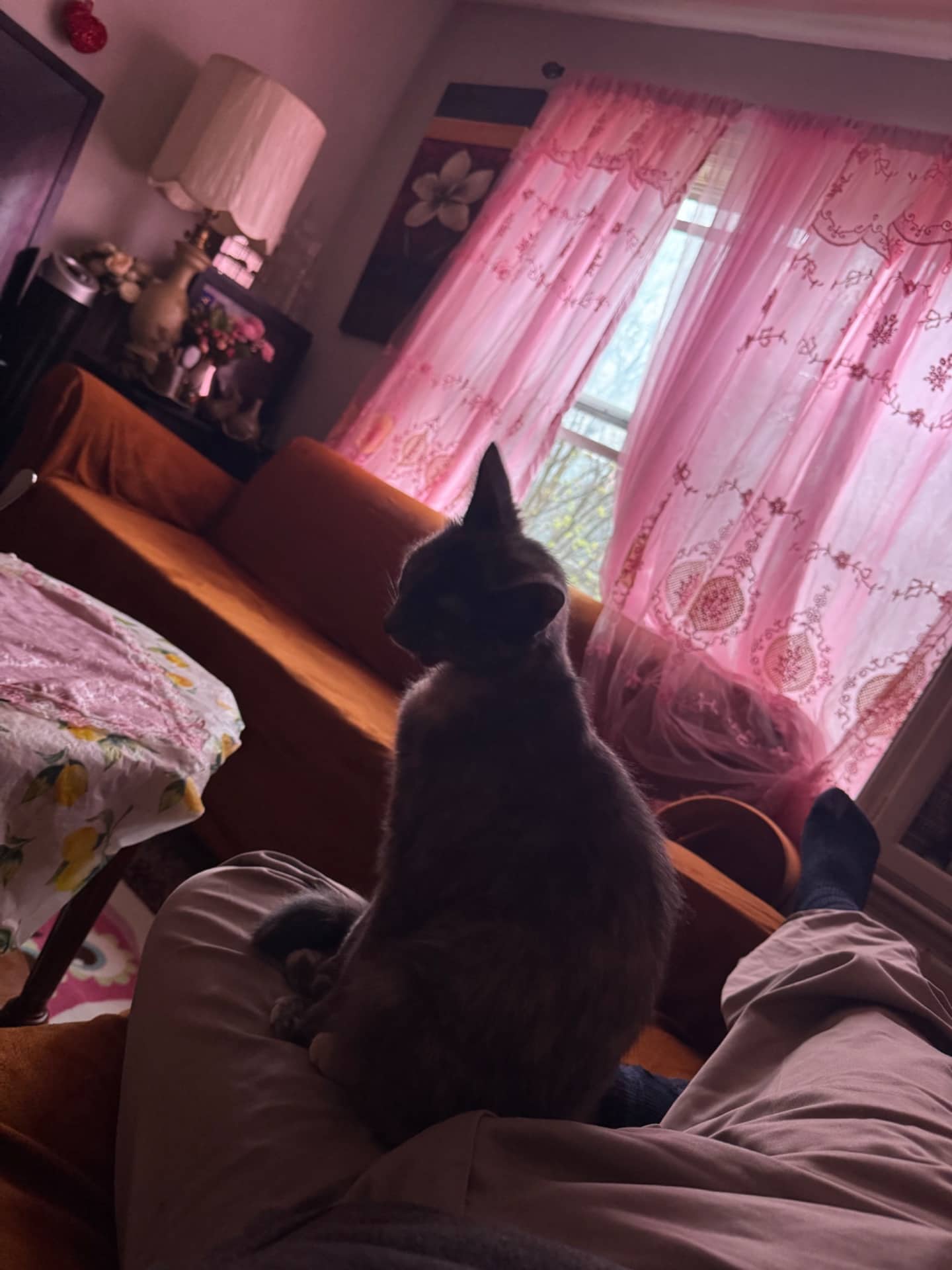
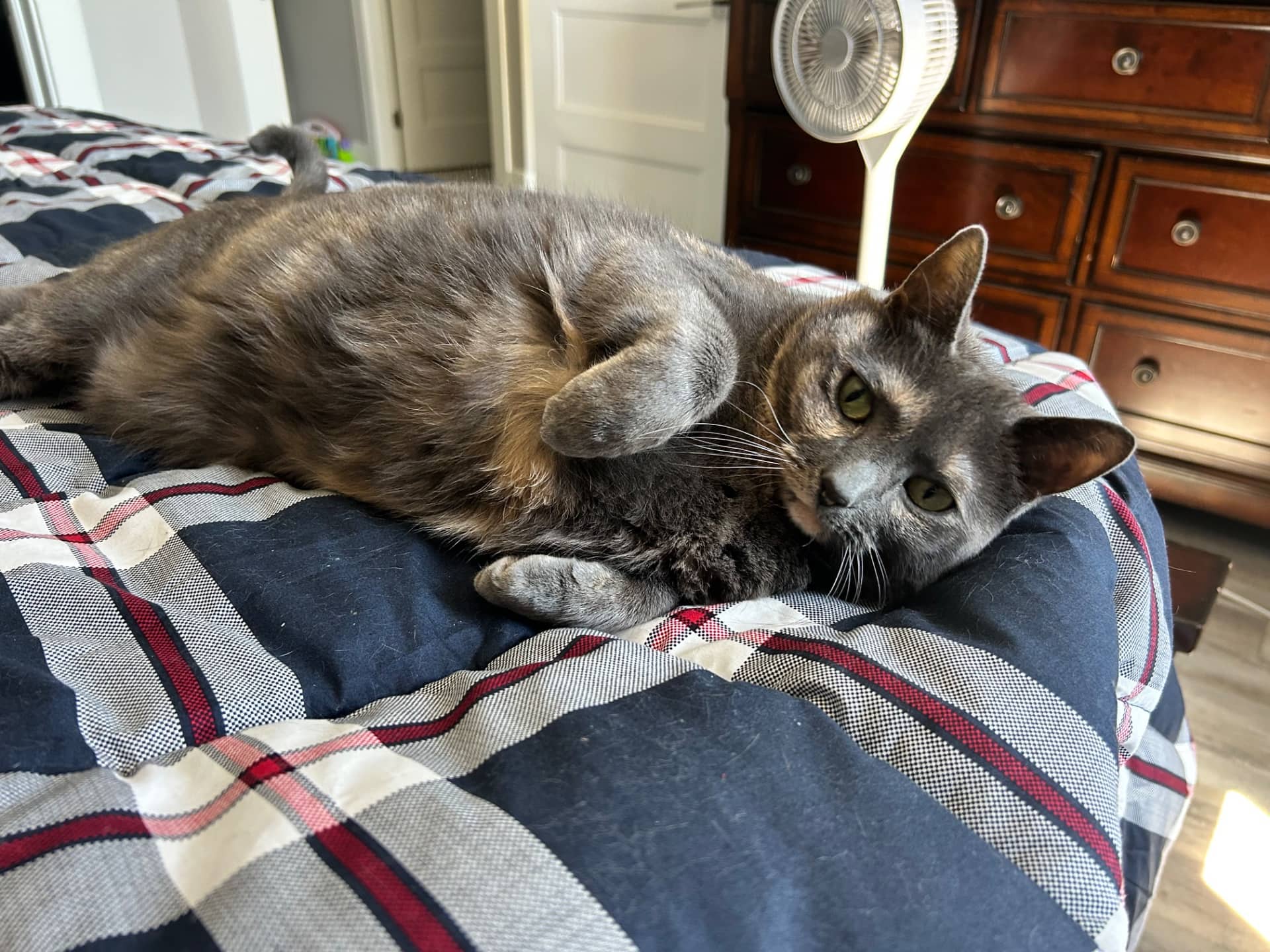
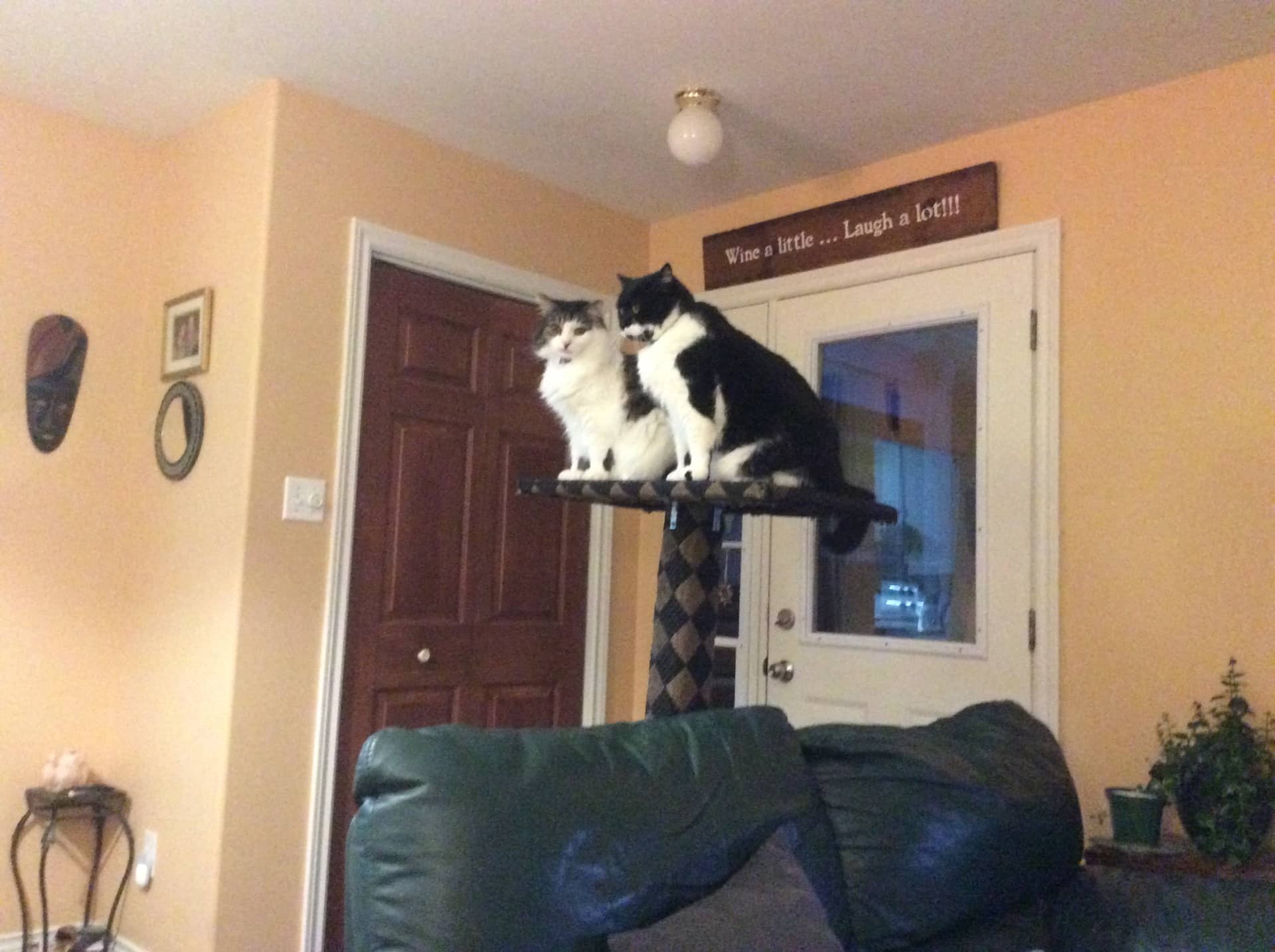
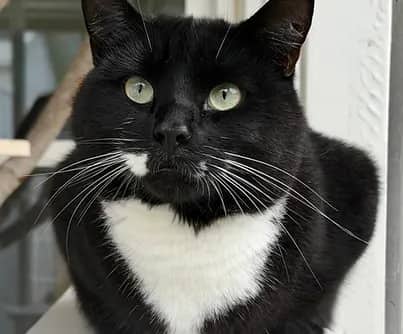
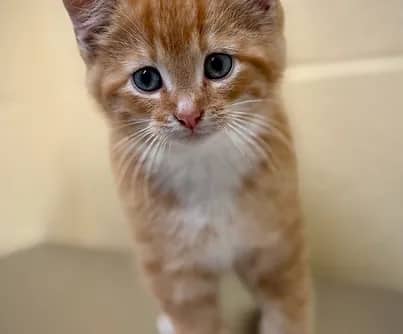
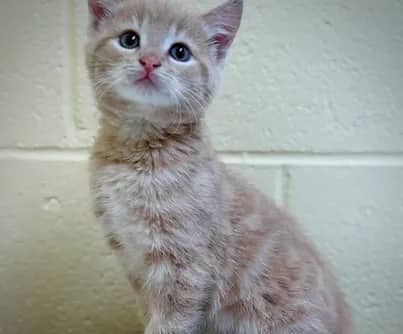
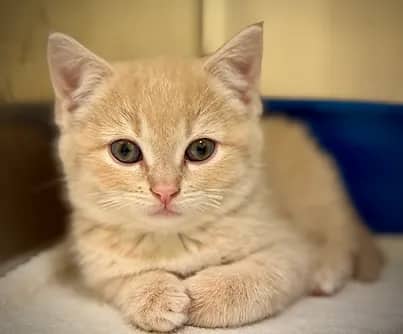
Get notified when a Domestic Shorthair is listed
We will email you the moment a Domestic Shorthair becomes available in Nova Scotia, from a rescue or an owner rehoming.
Adopting a Domestic Shorthair in Nova Scotia
The Domestic Shorthair is by far the most common cat in Nova Scotia rescue. It is not a single breed but a label for any shorthaired mixed-ancestry cat, and the Nova Scotia SPCA, which runs branches across the province in Metro Halifax and Dartmouth, Cape Breton, Colchester, Kings, and Yarmouth, takes in far more of these cats than any pedigreed breed. The bulk of NS SPCA cat intake every year is Domestic Shorthairs and their close cousins the Tabby and the Tuxedo, which are simply DSH coat patterns. If you want a healthy, even-tempered cat without a long waitlist or a breeder price, this is the breed to search first.
This page pulls every adoptable Domestic Shorthair across the NS rescues we cover into one searchable place, refreshed regularly. Because the breed is so common, a Halifax or Dartmouth adopter can usually find several good matches within days rather than weeks. The Nova Scotia SPCA covers the whole province, so a cat at the Cape Breton or Yarmouth branch is worth the look when the temperament fits, and most NS rescues will arrange a meet that works for where you live.
The easy, adaptable companion
Domestic Shorthairs are popular for a simple reason: they are easy. The short, dense coat needs little more than a weekly brush, the genetic mix tends to produce robust, healthy cats with hybrid vigour, and the temperament ranges from playful to mellow so an adopter can find one to match almost any household. Foster-based Maritime cat rescues and the Nova Scotia SPCA both assess temperament before placement, which means you can ask directly whether a cat is good with children, dogs, or other cats rather than guessing from a breed label.
Like every cat in NS rescue, the Domestic Shorthair is placed indoor-only. Nova Scotia winters are long and cold, Nor'easters dump heavy snow, ticks are a serious and growing problem across the province, and coyotes have become common right to the edges of Halifax Regional Municipality. An indoor Domestic Shorthair sidesteps all of it and routinely lives into its mid to late teens with routine vet care, a balanced diet, and a bit of daily play.
Looking more broadly? Browse every adoptable cat across the province on Cat Adoption Nova Scotia.
The rescues that most often list Domestic Shorthairs across the province are Nova Scotia SPCA. For breed-specific background, the Canadian Cat Association is a useful reference.
Domestic Shorthair Adoption FAQ — Nova Scotia
Tap a question to expand
How many Domestic Shorthairs are available for adoption in Nova Scotia?▼
Where can I adopt a Domestic Shorthair near me in Nova Scotia?▼
What is the difference between a Domestic Shorthair and a breed cat?▼
Are Domestic Shorthairs good for first-time owners?▼
Do Domestic Shorthairs need to be kept indoors in Nova Scotia?▼
How much does it cost to adopt a Domestic Shorthair in Nova Scotia?▼
Popular cat breeds in Nova Scotia
Domestic Shorthair adoption by city in Nova Scotia
Each city page lists only the domestic shorthairs available from rescues serving that city.