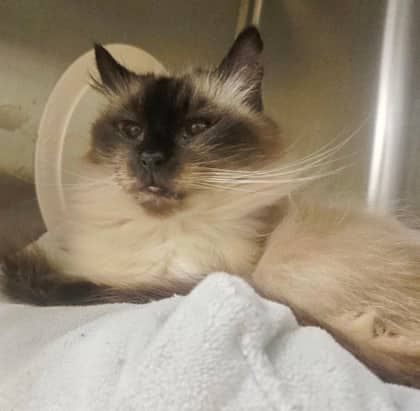
Get notified when a Siamese is listed
We will email you the moment a Siamese becomes available in Nova Scotia, from a rescue or an owner rehoming.
Adopting a Siamese in Nova Scotia
Siamese cats are rarer in Nova Scotia rescue than Domestic Shorthairs, Tabbies, or Tuxedos, but they are not unheard of, and they reach rescue more often than truly scarce breeds like the Maine Coon. The breed is most often surrendered when its real personality, which is loud, social, and intensely demanding, clashes with the household that bought it. Adopters who genuinely want a vocal, engaged cat will find more options here than for most pedigreed breeds, and Siamese crosses, cats with the breed's talkative streak but mixed ancestry, appear more often than purebreds.
This page lists every adoptable Siamese and Siamese cross from the NS rescues we cover, refreshed regularly. Search the whole province. The Nova Scotia SPCA spans branches from Metro Halifax and Dartmouth to Cape Breton, Colchester, Kings, and Yarmouth, and foster-based Maritime cat rescues add more, so a Siamese at any branch is worth the drive when the temperament fits the home.
The loudest, most social cat
There is no quiet Siamese. The breed has a famous voice, deep, urgent, and almost human in tone, and it uses that voice constantly, narrating the day and complaining audibly when ignored. For some adopters this is delightful company; for others it is the reason the cat ended up in rescue. Siamese are also among the most social cats in existence, bonding hard to their people and tolerating being alone poorly. Many do best in pairs or as the only pet with an owner who is home much of the day. They are intelligent and easy to engage with toys, puzzles, and even harness training, but a bored Siamese gets loud and inventive about destruction.
Like every cat in NS rescue, the Siamese is placed indoor-only, and the breed suits indoor life well once its social and play needs are met. The Maritime climate adds weight to the rule: the short, fine Siamese coat offers little insulation against a Nova Scotia cold snap or Nor'easter, and the province's tick load and coyote presence at the edges of Halifax Regional Municipality make outdoor roaming risky. A warm, engaged indoor home, ideally with company through the day, is exactly what a Siamese wants.
Looking more broadly? Browse every adoptable cat across the province on Cat Adoption Nova Scotia.
The rescues that most often list Siamese across the province are Nova Scotia SPCA. For breed-specific background, the Canadian Cat Association is a useful reference.
Siamese Adoption FAQ — Nova Scotia
Tap a question to expand
How many Siamese are available for adoption in Nova Scotia?▼
Where can I adopt a Siamese near me in Nova Scotia?▼
Are Siamese cats really that loud?▼
Can I leave a Siamese alone during the work day?▼
What health problems do Siamese have?▼
How much does it cost to adopt a Siamese in Nova Scotia?▼
Popular cat breeds in Nova Scotia
Siamese adoption by city in Nova Scotia
Each city page lists only the siamese available from rescues serving that city.