Get notified when a Tabby is listed
We will email you the moment a Tabby becomes available in Nova Scotia, from a rescue or an owner rehoming.
Adopting a Tabby in Nova Scotia
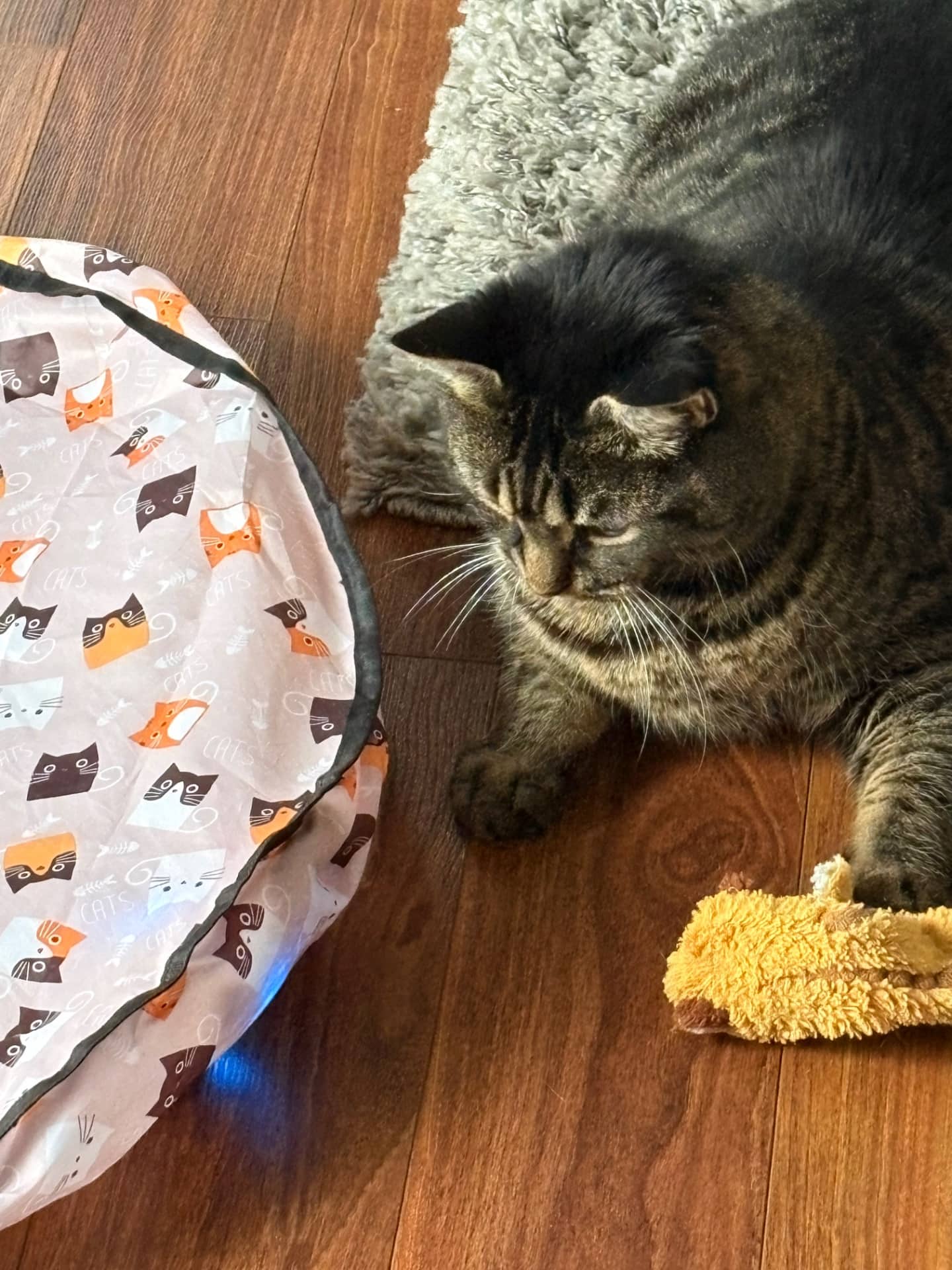
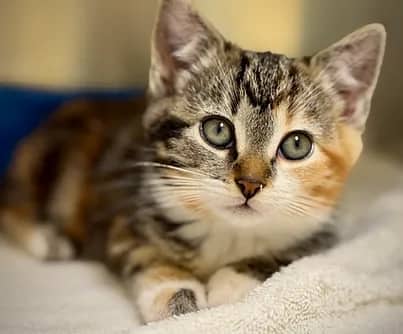
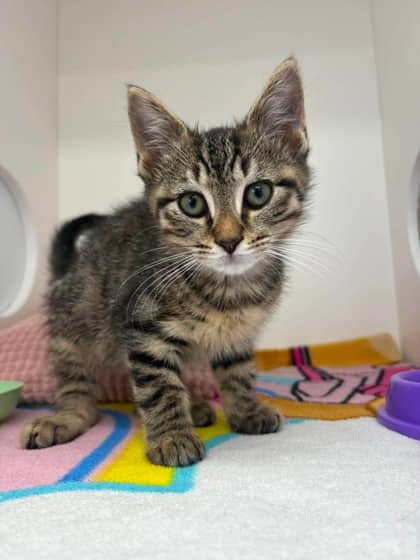
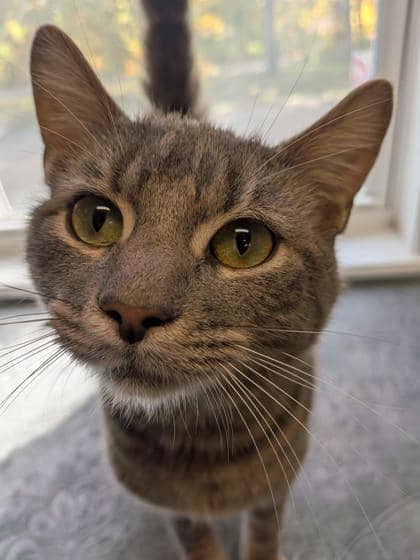
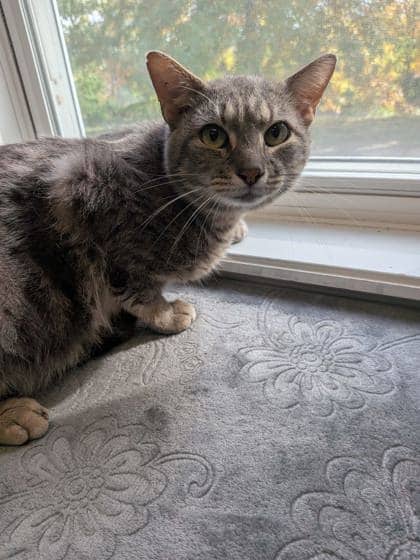
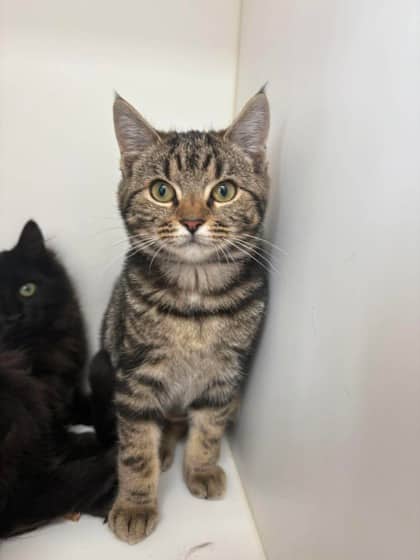
A Tabby is not a breed. It is the striped, swirled, or spotted coat pattern that shows up across most domestic cats, marked by the distinctive M on the forehead. Most Tabbies in Nova Scotia rescue are Domestic Shorthairs (sometimes longhairs) wearing that pattern, which is why Tabbies, alongside Domestic Shorthairs and Tuxedos, make up the bulk of Nova Scotia SPCA cat intake. If you have been searching for a classic striped cat, you are searching the single most available look in NS rescue.
This page pulls every adoptable Tabby across the NS rescues we cover into one place, refreshed regularly. Because the pattern is so common, a Halifax or Dartmouth adopter can usually find several Tabbies to meet within days. The Nova Scotia SPCA spans the whole province, from Metro Halifax to Cape Breton, Colchester, Kings, and Yarmouth, and foster-based Maritime rescues add more, so filter by temperament and age rather than holding out for one exact shade.
Tabby colours, temperament, and indoor life
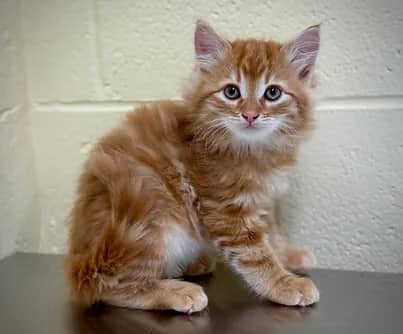
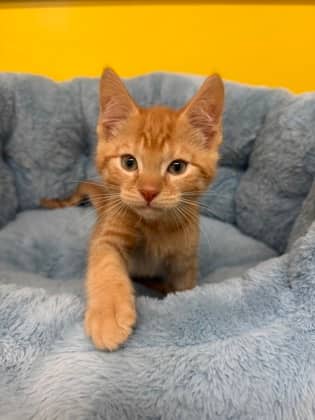
Tabby comes in several patterns: the bold swirls of a classic tabby, the narrow stripes of a mackerel tabby, the dots of a spotted tabby, and the salt-and-pepper look of an agouti or ticked tabby. Colours range from brown and grey to the famous orange tabby, which carries a fun bit of genetics: the orange gene sits on the X chromosome, so the great majority of orange tabbies are male. None of this changes the cat's personality. Temperament in a Tabby is down to the individual, not the stripes, which is why the Nova Scotia SPCA and Maritime rescues assess each cat before placement so you can pick for character, not just coat.
Every Tabby in NS rescue is placed indoor-only, and the Maritime reasons are the same as for any cat here. Long cold winters and Nor'easters, a heavy and growing provincial tick burden, and coyotes that now range to the edges of Halifax Regional Municipality all make outdoor life risky. Most Tabbies are easy, healthy cats thanks to their mixed Domestic Shorthair ancestry, and an indoor Tabby with routine care commonly lives well into its teens.
Looking more broadly? Browse every adoptable cat across the province on Cat Adoption Nova Scotia.
The rescues that most often list Tabbies across the province are Nova Scotia SPCA. For breed-specific background, the Canadian Cat Association is a useful reference.
Tabby Adoption FAQ — Nova Scotia
Tap a question to expand
How many Tabbies are available for adoption in Nova Scotia?▼
Where can I adopt a Tabby near me in Nova Scotia?▼
Is a Tabby a breed?▼
Are orange tabbies always male?▼
Do Tabby cats have a particular personality?▼
How much does it cost to adopt a Tabby in Nova Scotia?▼
Popular cat breeds in Nova Scotia
Tabby adoption by city in Nova Scotia
Each city page lists only the tabbies available from rescues serving that city.