Showing 42 cats
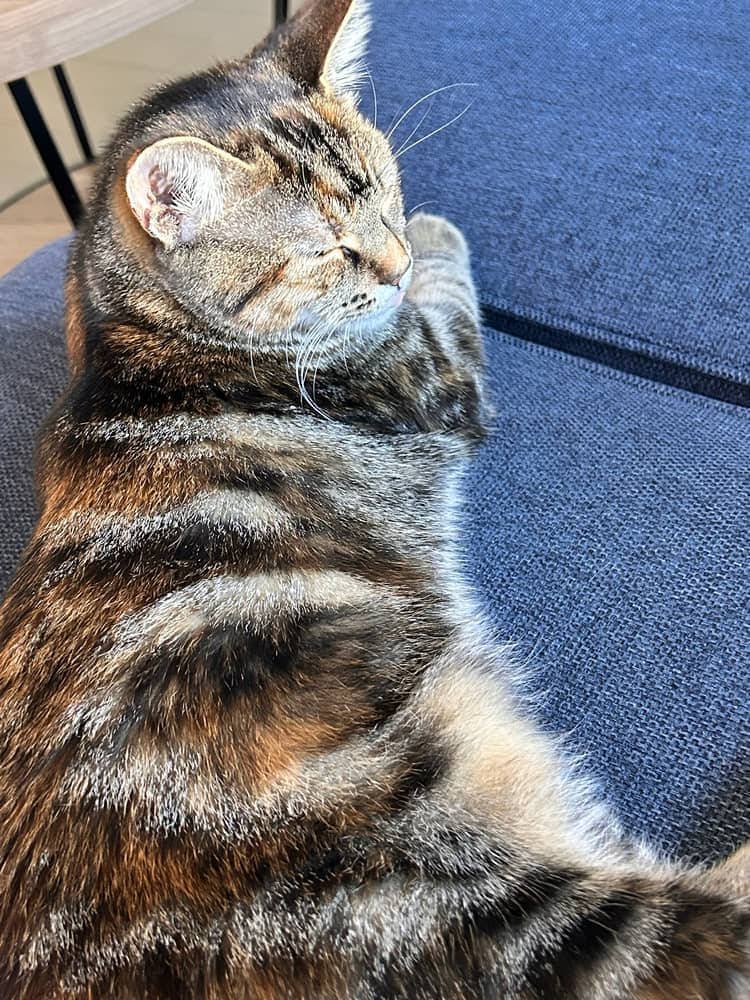
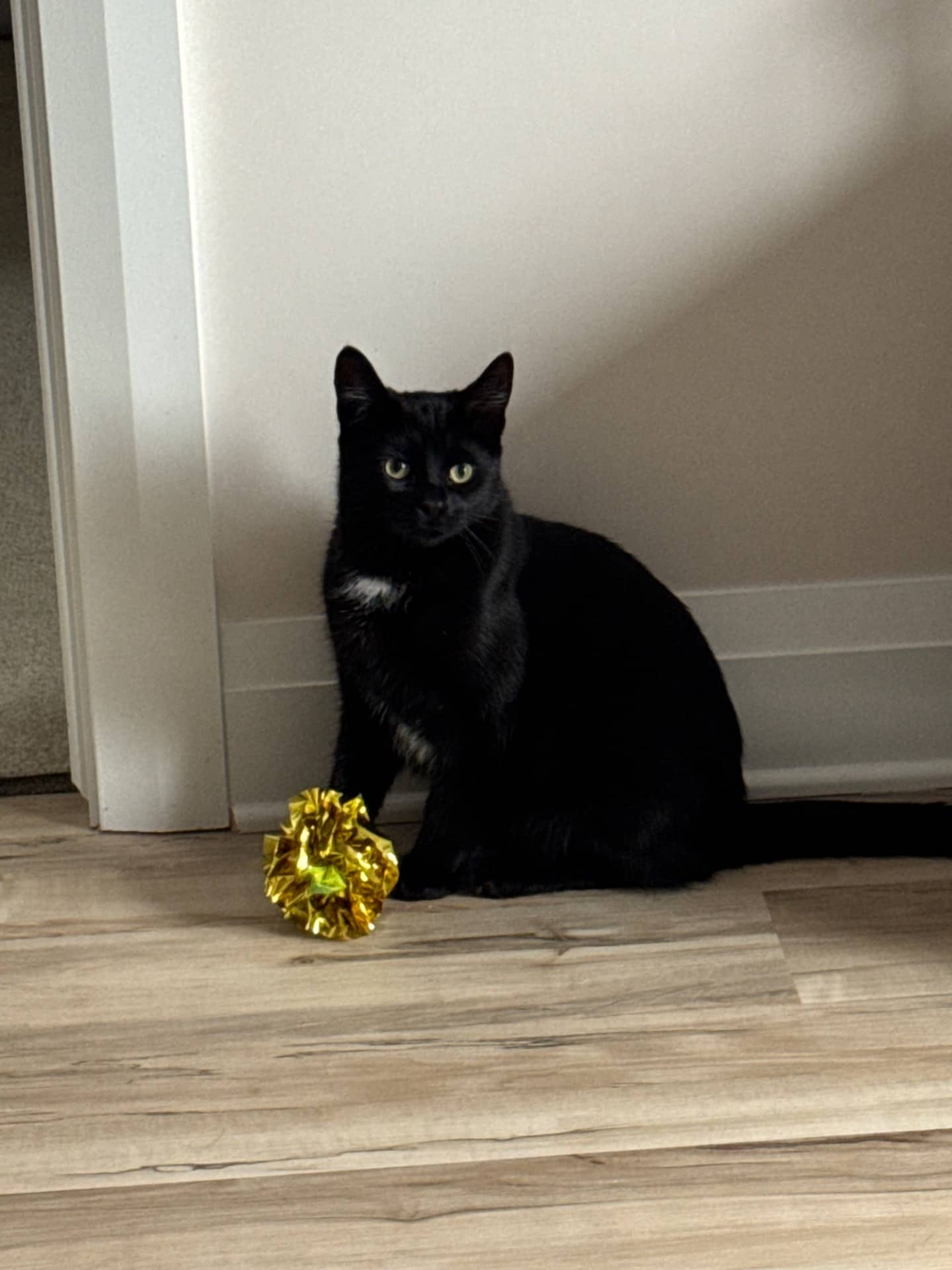
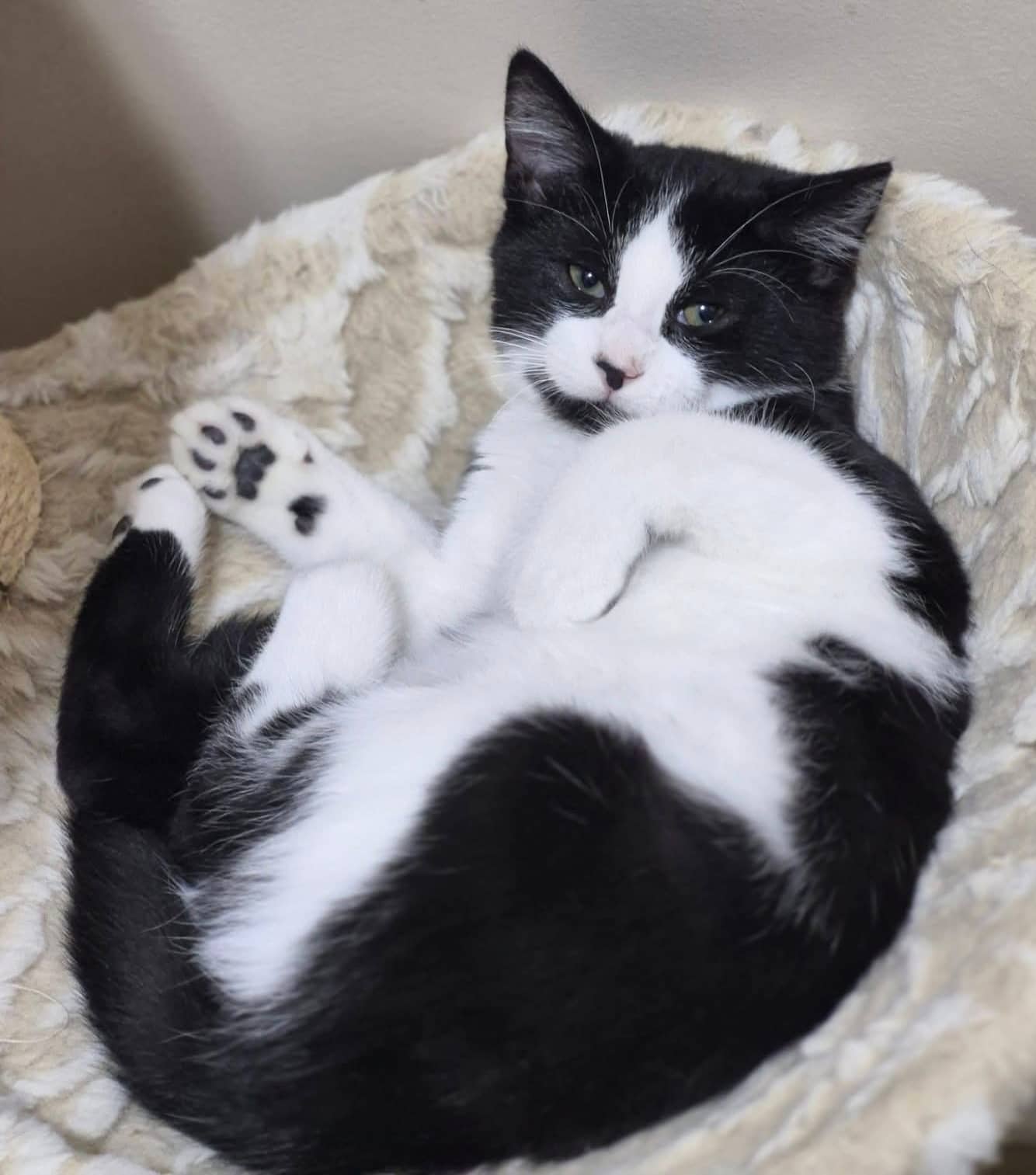
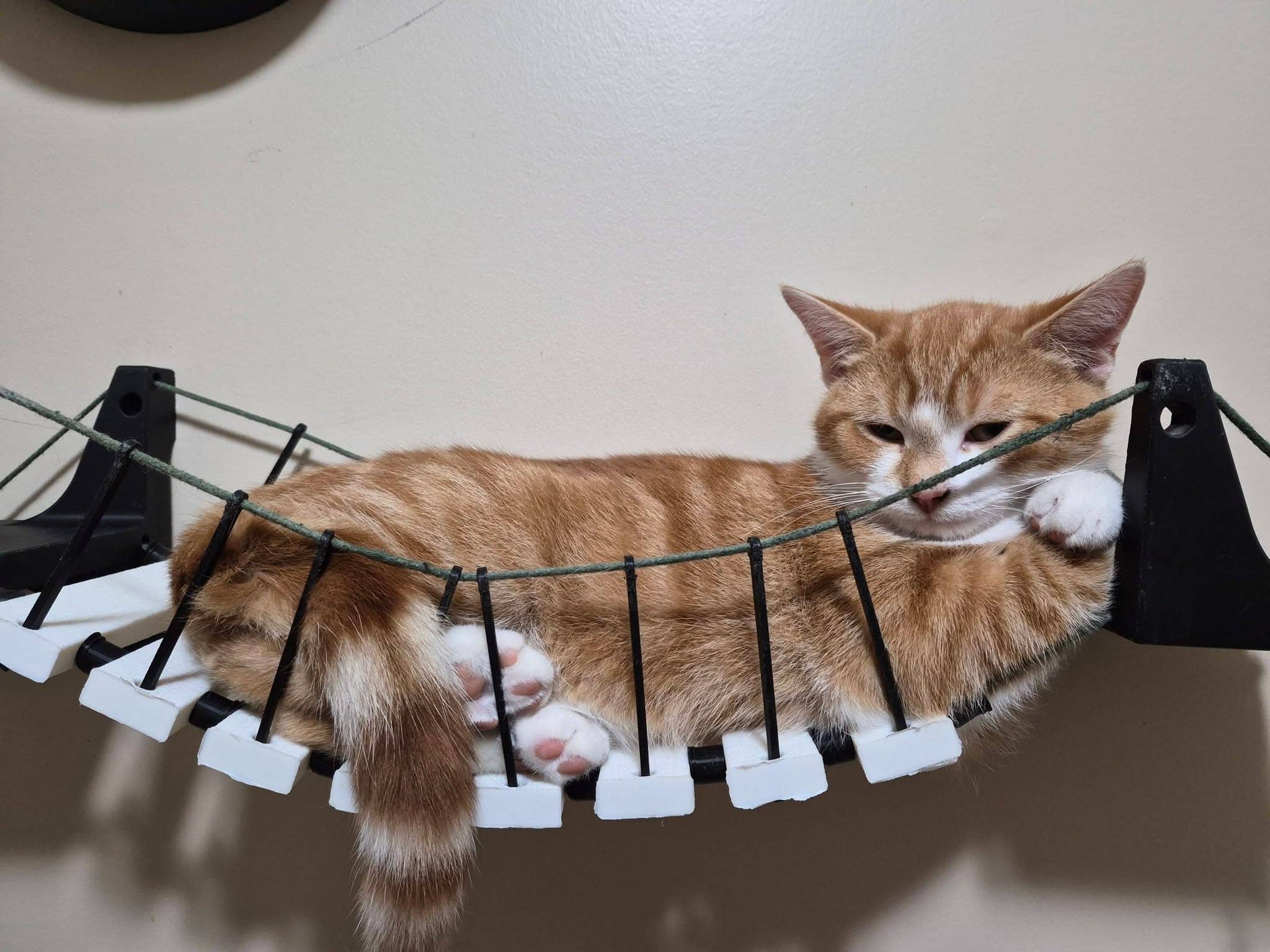
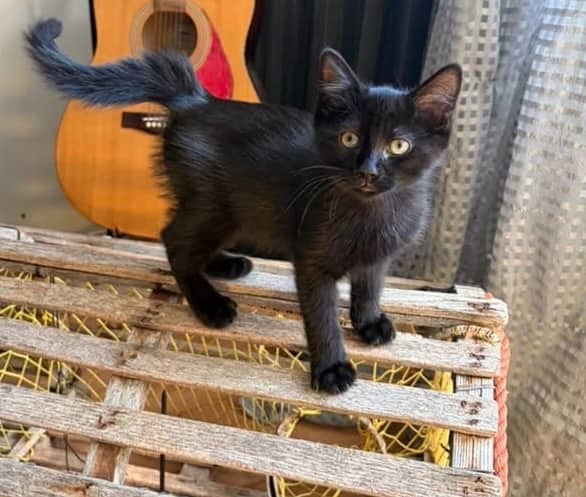
Kitten adoption in Ottawa moves quickly. Most listings get applications within a few days, especially through Ottawa kitten season from late spring through early fall. The cats listed here are typically under 12 months old, sourced from the Ottawa Humane Society, Ottawa Stray Cat Rescue, and a number of smaller foster-based rescues across the region. A solid share live in volunteer foster homes rather than shelter cages, which means you get real notes on personality, litter habits, and how the kitten handles other pets before you apply.
Adopting a kitten is a 15-plus year commitment. The first year usually involves three vet visits, a spay or neuter if not already done, and a lot of climbing, chewing, and 3 a.m. zoomies. Two kittens adopted together actually settle in faster and burn each other out, which is why several Ottawa rescues push pair adoption and will sometimes only place a single kitten into a home with an existing young cat.
Ottawa kitten adoption fees usually run $275 to $320, and that fee covers spay or neuter (or a voucher if the kitten is too young at adoption), first vaccinations (FVRCP), deworming, FIV/FeLV testing, and a microchip. Listings update regularly. If you don't see one you love today, check back through Ottawa kitten season — new litters move into rescue care almost every week from May through October.
Where Ottawa kittens come from
Two channels dominate. The Ottawa Humane Society on West Hunt Club Road handles the largest local intake and lists kittens to their site as they clear behaviour and health assessment. Ottawa Stray Cat Rescue runs a foster-based model focused on stray litters and feral-mom kittens, and a number of smaller foster-based rescues across the region take in strays and surrenders too. National Capital Region adopters from Gatineau on the Quebec side often pull from the same Ottawa rescues, so applications can move fast.
Ottawa kitten season and supply
Ottawa kitten season runs roughly May through October, peaking in June through August with a smaller second wave in September. Outside that window, kittens are genuinely scarce in Ottawa rescues — intake drops sharply once temperatures fall below freezing and breeding cycles slow. If you want a young kitten rather than an adolescent or adult, plan around summer. Winter kittens do exist (carryover litters from late-season pregnancies) but supply is thin from December through April.
Indoor-only is the Ottawa rescue standard
Ottawa Humane Society, Ottawa Stray Cat Rescue, and most Ottawa-area cat rescues require kittens to be adopted into indoor-only or supervised-outdoor (catio, leash-walked) homes. The risks are concrete: coyotes along the Greenbelt corridors and Gatineau Park edges, traffic on arterials like Carling, Bank, and Bronson, fishers and raptors in wooded suburbs like Kanata and Manotick, and brutal winter cold that pins outdoor cats against -25 to -30°C overnight lows from December through February. Indoor cats live 15 to 20 years; outdoor cats in this region average 3 to 5.
Ottawa Kitten Adoption FAQ
How many kittens are available for adoption in Ottawa?▼
As of October 2026, 42 kittens are available for adoption in Ottawa across 4 rescues on LocalPetFinder. Listings update regularly as pets are adopted and new ones arrive — browse them above and apply directly through the rescue.
Where can I adopt a kitten near me in Ottawa?▼
LocalPetFinder lists adoptable kittens from Ottawa-area cat rescues including the Ottawa Humane Society on West Hunt Club Road and Ottawa Stray Cat Rescue. Coverage spans Centretown, the Glebe, Westboro, Sandy Hill, Old Ottawa South, Old Ottawa East, Hintonburg, ByWard Market, and the suburban communities of Kanata, Orleans, Barrhaven, Nepean, and Manotick. National Capital Region adopters from Gatineau on the Quebec side also pull from the same Ottawa rescues. Ottawa kitten season runs roughly May through October, peaking June through August.
What's the typical adoption fee for an Ottawa rescue kitten?▼
Ottawa rescue kitten fees typically run $275 to $320, and Ottawa Stray Cat Rescue takes 10% off when you adopt more than one cat. The fee includes spay or neuter (or a voucher if the kitten is too young at adoption), first FVRCP vaccinations, deworming, FIV/FeLV testing, and a microchip. Compared to buying privately, the rescue fee bundles that veterinary work into the adoption cost.
Are these kittens for sale in Ottawa?▼
Not for sale, for adoption, which is usually the better deal. Every kitten here comes from a Ottawa-area rescue or shelter, not a breeder, pet store or classified ad. The adoption fee of $275 to $320 already covers the first round of vet work, such as spay or neuter and vaccinations. A kitten bought from a private seller usually has none of that done, so you pay for it yourself on top of the price.
Can I find a free kitten in Ottawa?▼
Rescues do not give kittens away free, because the adoption fee pays for their vet care. Free-kitten ads on Kijiji and Facebook Marketplace are common in Ottawa during kitten season, but those kittens are often unvetted and sometimes too young to leave their mother, so the cost of shots and spay or neuter falls on you. Rescues sometimes run reduced-fee events, so check the listings here if cost is your main concern.
Are Ottawa kittens vaccinated and spayed/neutered before adoption?▼
Yes. Ottawa Humane Society and Ottawa Stray Cat Rescue both give first-round FVRCP (feline distemper) vaccinations and complete FIV/FeLV testing before the kitten goes home. Most rescues hold kittens until they are old enough to spay or neuter (usually 10 to 12 weeks or 2 lbs), so surgery is done before the kitten leaves rescue care. Kittens still need two more booster shots in the first four months, then annual or three-year boosters depending on your vet. The rabies vaccine is usually given at four months and covered by your first post-adoption vet visit.
What's the best time of year to find rescue kittens in Ottawa?▼
May through October is Ottawa kitten season, with peak supply in June through August and a smaller second wave in September. Outside that window, kittens are scarce because breeding cycles slow as Ottawa temperatures drop. December through April is the leanest period. If you want a young kitten rather than an adolescent or adult, plan your search around late spring through early fall. Setting up email alerts during the off-season helps you catch the few winter listings that do appear.
How does Ottawa Humane Society adoption work?▼
Ottawa Humane Society lists adoptable kittens to ottawahumane.ca as they clear behaviour and health assessment. Adoption is in-person at the West Hunt Club Road shelter. You meet the kitten, complete an adoption counsellor interview, and if approved, take the kitten home that visit. The fee covers spay or neuter, vaccinations, microchip, deworming, and FIV/FeLV testing. Adopters purchase the City of Ottawa pet tag separately where cat registration applies. Applications can move quickly on popular kittens, so set up alerts.
When can a kitten go home from an Ottawa rescue?▼
Most Ottawa rescues hold kittens until they are 8 to 10 weeks old at minimum, fully weaned, eating solid food, and started on vaccinations. Many hold longer (10 to 12 weeks) so the spay or neuter is done before adoption. This is why rescue timelines feel slower than buying privately, but it also means the medical work is already finished when the kitten goes home.
Why do Ottawa rescues push pair adoption so hard?▼
Single kittens raised alone often develop what trainers call single kitten syndrome — excessive biting, attention-seeking, play aggression, and anxiety. A sibling provides 24/7 play and grooming, which means less destruction of your furniture, fewer 3 a.m. zoomies on your face, and a calmer adult cat down the road. Several Ottawa rescues will often only place a single kitten if you already have a young adult cat at home.
How do I litter-train a new kitten?▼
Most kittens are already litter-trained when they leave the rescue. To support the habit, place the litter box somewhere quiet but accessible, use an unscented clumping litter (kittens often dislike strong fragrances), and scoop daily. The rule of thumb is one box per cat plus one extra. If a kitten has accidents in the first week, it is usually a placement or stress issue, not a training failure — try a second box in a different room first. Condo dwellers in Centretown or the ByWard Market may need to get creative on box placement in small footprints.
Explore more Ottawa cats
Adults, kittens, seniors, indoor-only — everything currently available.
Cats aged 10 and up. Often the calmest, most affectionate adoptions.
Cats already adjusted to indoor living — the Ottawa rescue standard given winter cold and coyote risk.
Maine Coons, Ragdolls, Persians, and Domestic Longhairs from Ottawa rescues.
Willing to drive? See all kittens for adoption across Ontario, pooled from every city we cover.