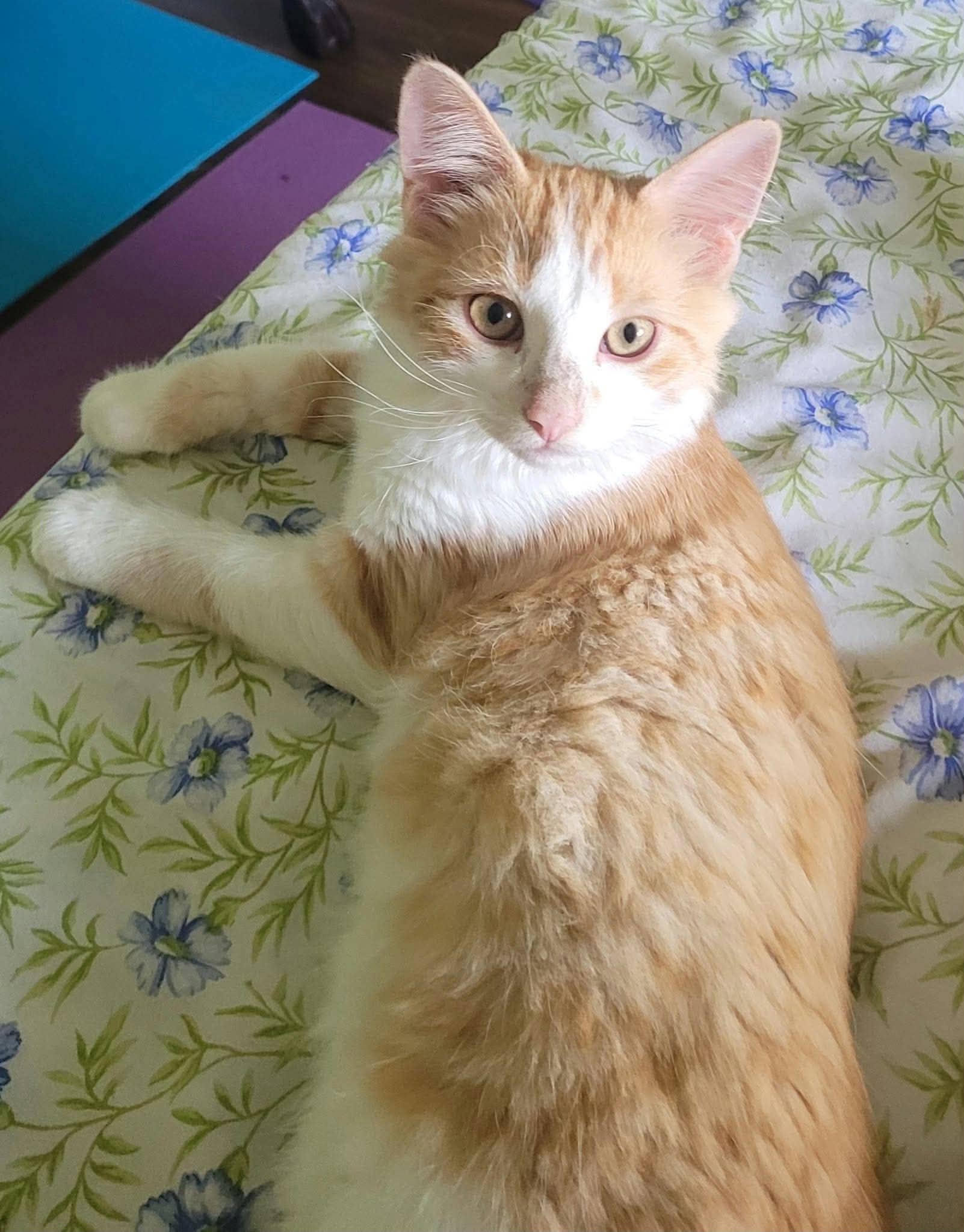
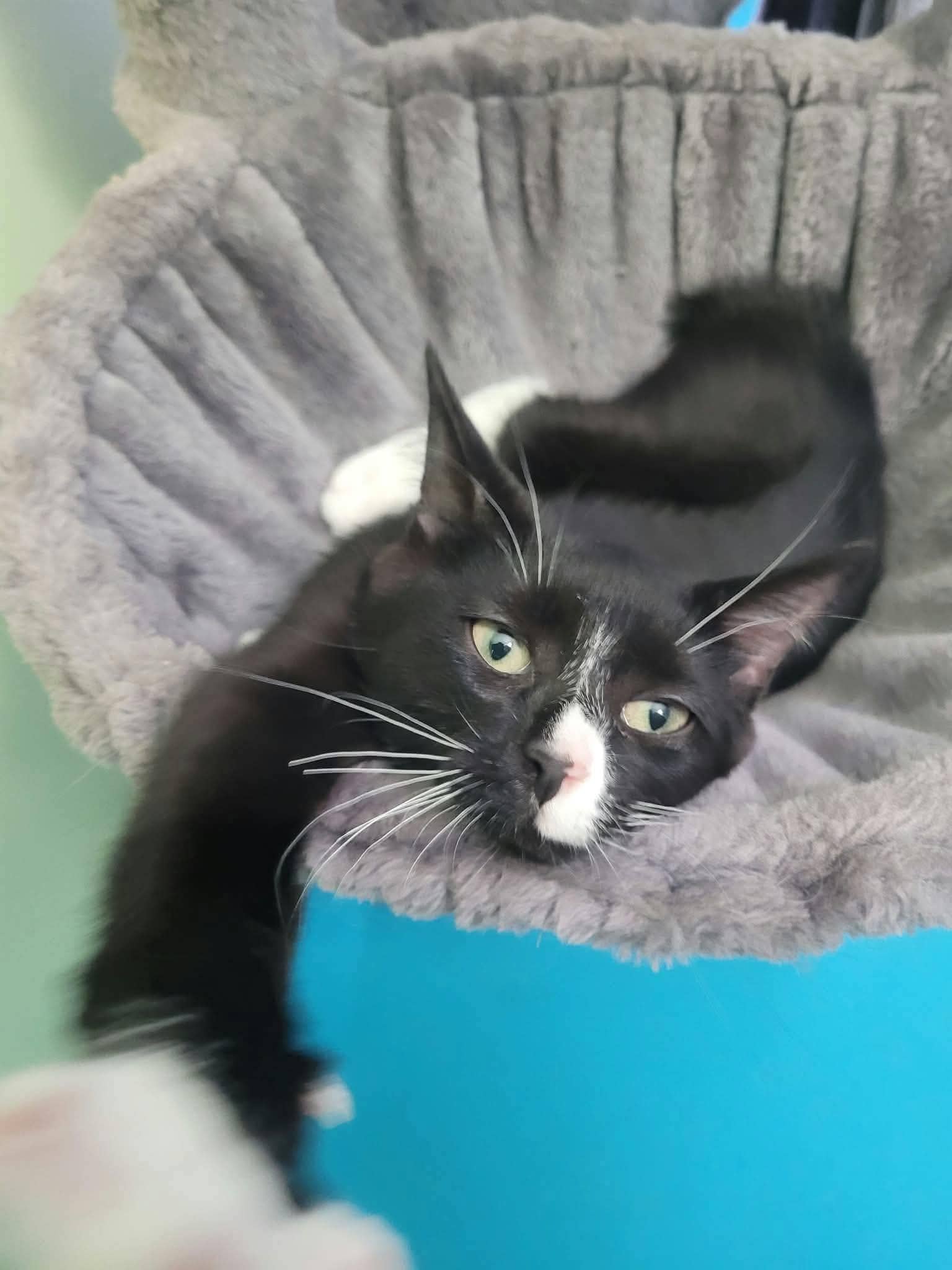
Special needs cats are some of the longest-waiting rescues in Ottawa. The category covers FIV+ and FeLV+ cats, blind and deaf cats, three-legged tripods, cats with diabetes or hyperthyroidism, asthmatic cats, cats with cerebellar hypoplasia (“wobbly cats”), cats with chronic kidney disease, cats with chronic dental conditions, cats missing an eye, cats with neurological conditions, and senior cats with managed medical conditions. The Ottawa Humane Society and Ottawa Stray Cat Rescue regularly list medically-sponsored cats whose adoption fee is reduced or waived because of an ongoing condition.
Most special needs cats adapt to indoor life beautifully and are no harder to live with than any other cat once you understand the basics. FIV+ cats live full normal lifespans in indoor-only homes. Blind and deaf cats map a familiar layout in one to two weeks. Tripod cats jump and run like four-legged cats. Asthmatic cats stabilize on inhalers. The biggest barrier is usually the adopter's hesitation, not the cat's condition.
Ottawa has a strong veterinary specialty ecosystem — Alta Vista Animal Hospital, VCA 404 Veterinary Emergency and Referral, the Ottawa Veterinary Emergency Clinic in Hunt Club, Carling Animal Hospital, and Bayshore Animal Hospital cover board-certified internal medicine, cardiology, and oncology, with the Ontario Veterinary College in Guelph available for tertiary specialty referrals. That depth of regional support means chronic-condition cats are easier to manage in Ottawa than in most Canadian cities. For a fuller breakdown of what to expect, costs, and how to prepare, read our complete special needs cat adoption guide.
Why adopt a special needs cat
Special needs cats wait two to four times longer than typical cats in Ottawa rescues, often months past their healthy littermates. The conditions sound scarier in a profile than they look in a living room. Reduced fees, sponsor coverage, and ongoing vet relationships from the Ottawa Humane Society and Ottawa Stray Cat Rescue mean the lifetime cost gap to a typical cat is often smaller than adopters expect.
The FIV+ / FeLV+ reality
FIV+ cats live full normal lifespans (12 to 15+ years) in indoor-only homes. Per the Cornell Feline Health Center, FIV is primarily spread through deep bite wounds and is generally not transmitted by sharing food bowls or grooming. Most FIV+ cats can safely live with FIV-negative cats once introduced and provided no fighting occurs. FeLV+ is more contagious cat-to-cat, so FeLV+ cats are adopted either as the only cat or into FeLV+ homes. Neither virus passes to humans or dogs. Many Ottawa FIV+ and FeLV+ cats are listed with sponsor-covered or reduced fees through the Ottawa Humane Society and Ottawa Stray Cat Rescue.
Ottawa specialty vet ecosystem is a real advantage
Ottawa has a deep veterinary specialty network. Alta Vista Animal Hospital and VCA 404 Veterinary Emergency and Referral cover board-certified internal medicine, cardiology, oncology, and surgery. The Ottawa Veterinary Emergency Clinic in Hunt Club handles after-hours emergencies. Carling Animal Hospital and Bayshore Animal Hospital are strong general-practice options for chronic-condition management. For complex cases — advanced kidney disease, refractory diabetes, complex cardiology — the Ontario Veterinary College in Guelph is two hours away and accepts referral cases. Indoor-only Ottawa life also suits special needs cats well: the Ottawa Humane Society and Ottawa Stray Cat Rescue both require indoor-only or supervised-outdoor (catio, leash-walked) homes, which is also aligned with the Ottawa Animal Control Bylaw 2003-77 restrictions on cats at large.
Ottawa Special Needs Cat Adoption FAQ
Where can I adopt a special-needs cat near me in Ottawa?▼
LocalPetFinder lists special needs rescue cats from Ottawa-area cat shelters including the Ottawa Humane Society on West Hunt Club Road and Ottawa Stray Cat Rescue. Coverage spans Centretown, the Glebe, Westboro, Sandy Hill, Old Ottawa South, Hintonburg, ByWard Market, and the suburban communities of Kanata, Orleans, Barrhaven, Nepean, and Manotick. National Capital Region adopters from Gatineau also pull from the same Ottawa rescues. The category covers FIV+ and FeLV+ cats, blind and deaf cats, three-legged tripods, diabetic cats, asthmatic cats, hyperthyroid cats, cerebellar hypoplasia (wobbly) cats, missing-eye and neurological cats, and senior cats with managed medical conditions. Most Ontario rescues offer reduced fees and ongoing vet support.
What types of special needs do Ottawa rescue cats typically have?▼
The most common conditions in Ottawa rescue intake: FIV+ (positive for feline immunodeficiency virus), FeLV+ (positive for feline leukemia virus), blind (one or both eyes), deaf, three-legged (tripod from old injury or birth defect), diabetic, hyperthyroid, chronic dental conditions requiring extractions, missing eye (single-eyed cats are common after old trauma), and neurological conditions like cerebellar hypoplasia (CH). Less common but still seen: chronic kidney disease, asthma, megacolon, and arthritis in seniors. The Ottawa Humane Society lists these openly in the profile so adopters know what they are signing up for.
Are Ottawa rescue FIV+ cats safe to live with other cats?▼
Yes, in most cases. The modern veterinary understanding is that FIV is hard to transmit between cats outside of deep bite wounds, and the Cornell Feline Health Center summarises the research clearly: the virus is not generally spread through shared food bowls, water bowls, litter boxes, or social grooming. FIV+ cats can live alongside FIV-negative cats safely if the household is calm, introductions are managed, and there is no fighting. Most FIV+ cats live full normal lifespans (12 to 15+ years) in indoor-only Ottawa homes. FIV does NOT pass to humans, dogs, or any other species. The old advice to never house FIV+ and FIV-negative cats together has been revised by most major feline veterinary bodies over the last decade. See our FIV+ cats guide for full details.
Do Ottawa rescues provide ongoing veterinary support after special-needs adoption?▼
Yes, in most cases. The Ottawa Humane Society typically pairs the adopter with a vet relationship at handover, supply the cat's full medical history, and remain available to consult on the condition the cat arrived with. Many Ottawa clinics — including Alta Vista Animal Hospital, Carling Animal Hospital, and Bayshore Animal Hospital — offer a first-visit-free for newly-adopted rescue cats. Sponsored-cat programs often cover initial medications or specialist consults at intake. Ask the rescue directly what is included; the support package varies by cat and condition, and the rescue staff would rather you ask than guess.
New to special needs cat adoption?
Read our complete guide covering FIV+, FeLV+, blind, deaf, tripod, diabetic, asthmatic, and CH cats — what to expect, real cost ranges, and how to set up your home.
Read the full special needs cat adoption guide →Explore more Ottawa cats
Adults, kittens, seniors, bonded pairs — everything currently available.
Cats aged 10 and up. Often the calmest, most affectionate adoptions.
Cats already adjusted to indoor living — the Ottawa standard given winter and bylaw restrictions.
Two cats adopted together. Many bonded pairs include a special needs cat paired with a companion.