Showing 17 cats
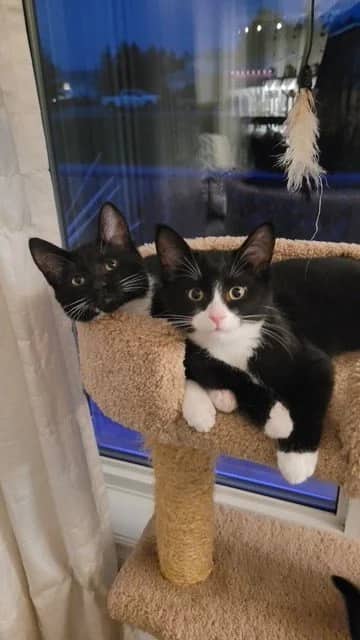

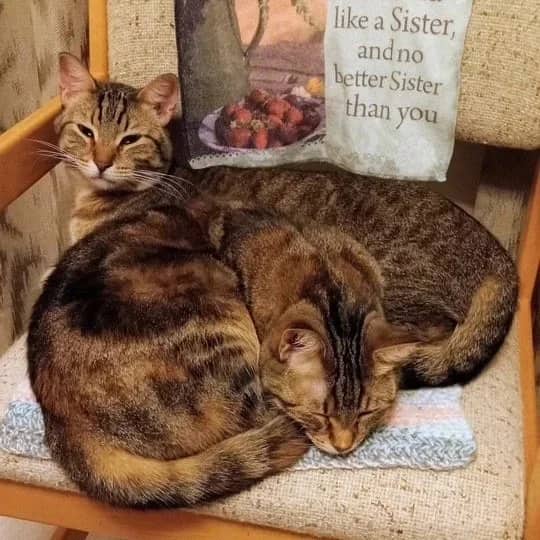
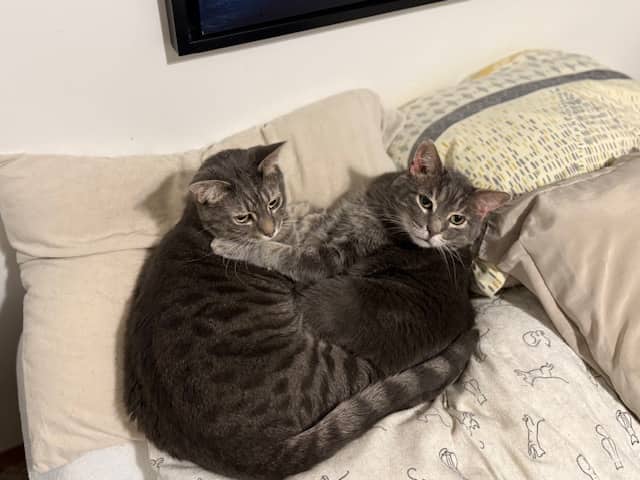
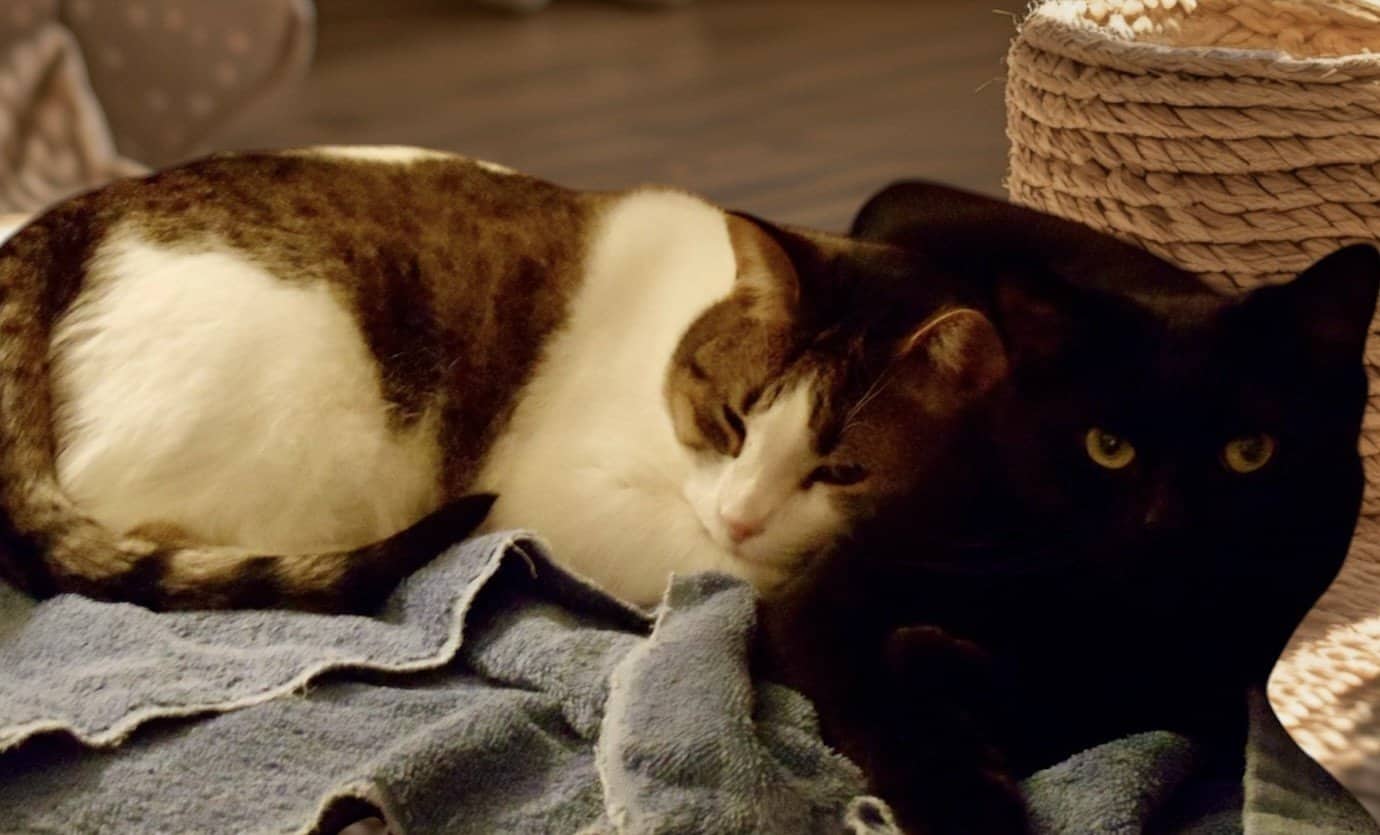

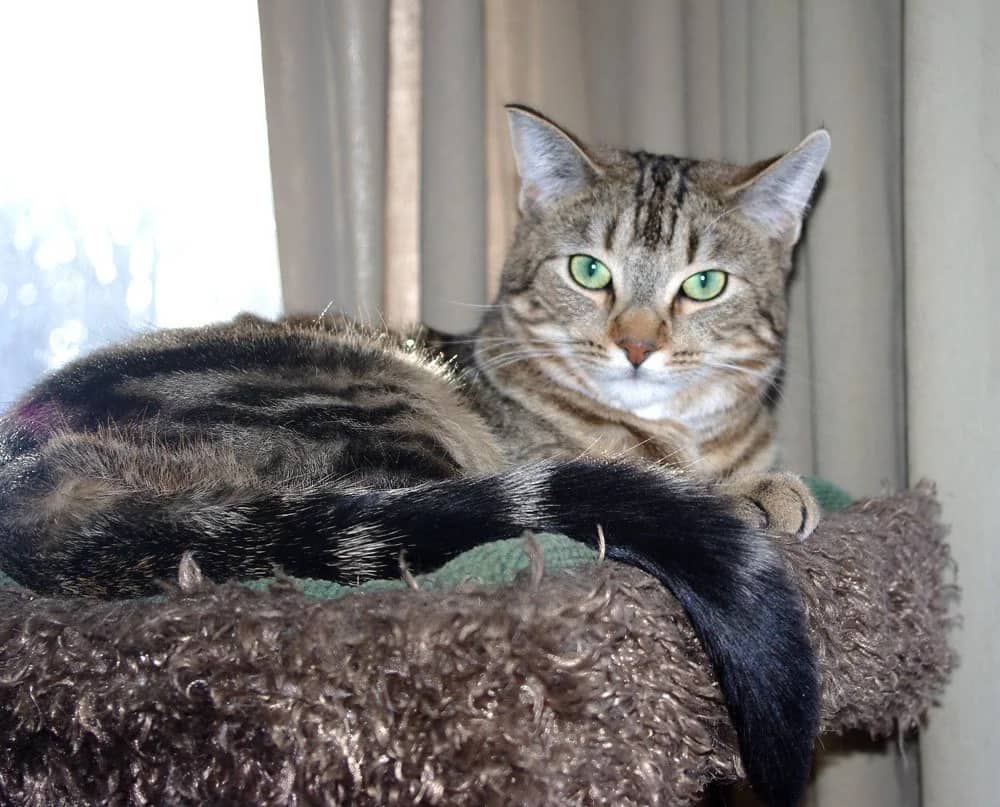
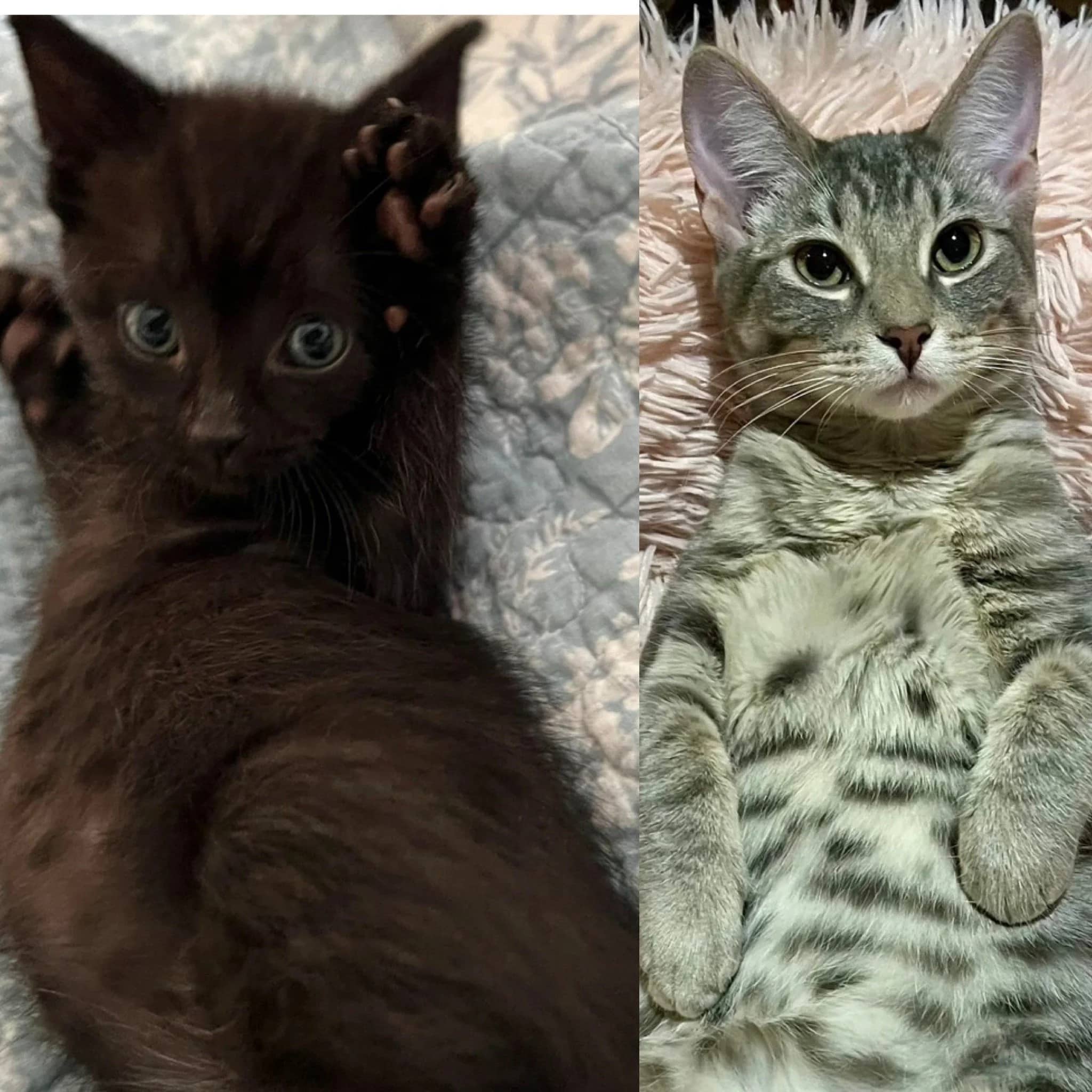
Bonded cat pairs are two (occasionally three) cats that have lived together long enough, or formed a strong enough attachment, that separating them would cause real distress. Regina rescues — especially the Regina Humane Society and Regina Cat Rescue (People for Animals of Saskatchewan) — keep these pairs together and require they be adopted as a unit. The cats listed here come as a pair.
Adopting a bonded pair is often easier than adopting a single cat. The cats already have a built-in companion, so they entertain each other when you're at work, settle in faster (familiar territory of one another), and don't suffer the loneliness that singleton cats can feel in working households. Most Regina rescues offer a discounted “pair fee” rather than charging two single adoption fees.
Common bonded pair scenarios: littermates, mother-and-kitten that grew up together, two adults rescued together from a hoarding situation, or two cats whose previous owner passed away. The cats know each other; you just need to provide the home. Listings update regularly — bonded pairs are less common than singles, so check back if nothing matches today.
Why adopt a bonded pair
Two cats that already know each other skip the introduction protocol entirely. There's no week of base-camp room, no slow scent-swap, no gated doorway feeding. They walk into your home and have one familiar friend on day one. For most adopters, that turns a 4-week settle-in into a 4-day settle-in.
Regina bonded-pair adoption fees
Most Regina rescues charge a discounted pair fee — typically $180 to $400 for both cats together, rather than charging two full single-cat adoption fees. The fee covers spay or neuter, vaccinations, deworming, microchip, and the rescue's health record for both cats. The Regina Humane Society and Regina Cat Rescue both run pair-fee discounts. Senior bonded pairs are often discounted further.
Indoor-only Regina winters + paired cats keep each other company
The Regina Humane Society, Regina Cat Rescue, and most prairie cat rescues require indoor-only or supervised-outdoor (catio, leash-walked) homes. Regina winters routinely hit -30°C to -40°C with windchill from November through March, urban coyotes patrol the Wascana Creek and Wascana Park corridors, and major arterials like Ring Road, Albert Street, and Victoria Avenue are deadly. A bonded pair is the cleanest answer to indoor-only prairie life: through long dark January afternoons and -40°C cold snaps when you're at work, the cats keep each other company so the empty home never actually feels empty.
Regina Bonded Pair Adoption FAQ
How many bonded pairs are available for adoption in Regina?▼
As of October 2026, 17 bonded pairs are available for adoption in Regina across 1 rescue on LocalPetFinder. Listings update regularly as pets are adopted and new ones arrive — browse them above and apply directly through the rescue.
Where can I find bonded cat pairs for adoption near me in Regina?▼
LocalPetFinder lists bonded cat pairs from Regina-area rescues including the Regina Humane Society and Regina Cat Rescue (People for Animals of Saskatchewan). Coverage spans Regina plus surrounding communities like White City, Pilot Butte, and Lumsden. Bonded pairs are typically discounted compared to adopting two cats individually.
Do I have to adopt both cats in a bonded pair?▼
Yes. That is what makes it a bonded pair. The rescue will not separate them. Adopting a bonded pair is a commitment to two cats, not one. If you can only commit to one cat, look at our individual Regina cat listings instead.
Is adopting two cats more work than one?▼
Usually less work, not more. Two bonded cats entertain each other, share a litter setup (one box per cat plus one extra), and need the same amount of human attention as a single cat. The marginal cost is mostly food and a slightly larger litter setup. For full-time workers, a bonded pair often makes more sense than a single cat alone in an empty Regina condo or house through long prairie winter days.
How much does it cost to adopt a bonded pair in Regina?▼
Most Regina rescues charge a discounted pair fee of roughly $180 to $400 for both cats together, versus charging two full single-cat adoption fees. The fee covers spay or neuter, first vaccinations, deworming, microchip, and the rescue's health record for both cats. The Regina Humane Society and Regina Cat Rescue both run pair-fee discounts. Senior bonded pairs are often discounted further.
Can bonded pairs live in apartments and condos in Regina?▼
Yes. Two cats fit comfortably in Regina apartments and condos. Cats use vertical space (cat trees, shelves) more than floor space, so square footage matters less than layout. Provide enough litter boxes (one per cat plus one extra), separate feeding stations, and a couple of elevated perches. Check your building bylaws for pet limits, but most Regina condo associations allow two cats.
How long does it take a bonded pair to settle into a new home?▼
Bonded pairs settle in significantly faster than single cats because each cat has a familiar companion the entire time. The 3-3-3 rule still applies (3 days hiding, 3 weeks adjusting, 3 months fully settled), but the hiding phase is often hours not days, and many bonded pairs are out exploring within 24 to 48 hours.
Are bonded pairs good for full-time workers in Regina?▼
Bonded pairs are one of the best options for full-time workers. Single cats can develop separation behaviours and over-attachment when alone 8 to 10 hours a day, especially during dark Saskatchewan winter afternoons when the sun sets before 5 PM. A bonded pair has constant companionship, which means less loneliness, less destructive behaviour, and a more relaxed cat at the end of the day. Regina rescues actively encourage working households to consider pairs.
What if one cat in a bonded pair passes away?▼
It happens, especially with senior pairs. The surviving cat will grieve, sometimes visibly for weeks. Most Regina rescues are happy to talk through whether the survivor would benefit from a new feline companion or prefer to remain a solo cat. Some bonded pairs grieve hard and want a new friend; others become deeply attached to their humans and don't want another cat.
Explore more Regina cats
Adults, kittens, seniors, bonded pairs — everything currently available.
Adoptable kittens under 12 months. Prairie kitten season runs May through September.
Cats aged 10 and up. Often the calmest, most affectionate adoptions.
Cats already adjusted to indoor living — the prairie rescue standard given -40°C winters and urban coyotes.