Looking for a low-maintenance dog in Saskatoon? LocalPetFinder lists 6 easy-care rescue dogs available now from Saskatoon SPCA and Saskatoon Dog Rescue. We score all 110 dog breeds on the five things that actually create work: grooming, shedding, exercise, energy and running cost. Saskatoon offers dry cold rather than damp cold, which is easier on a dog than the temperature suggests, and a smaller rescue pool that moves quickly.
Showing 6 dogs
.jpg&w=3840&q=68)
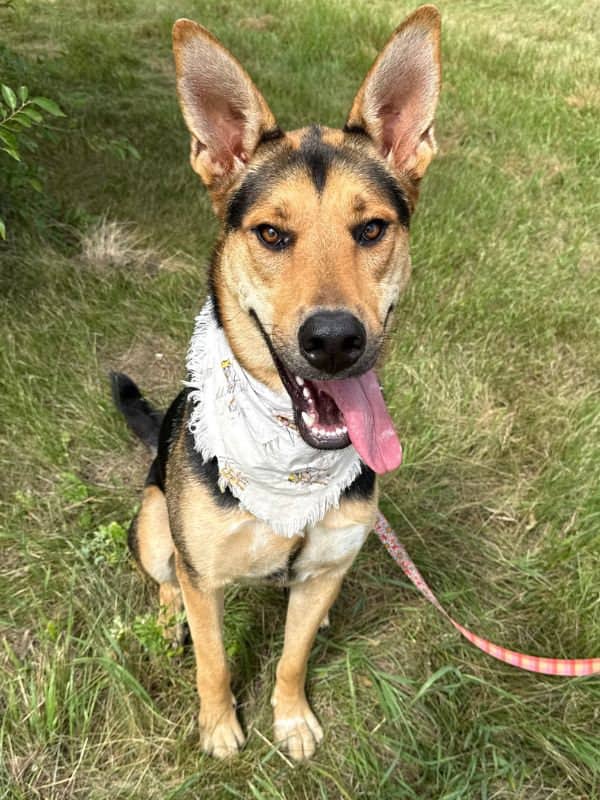


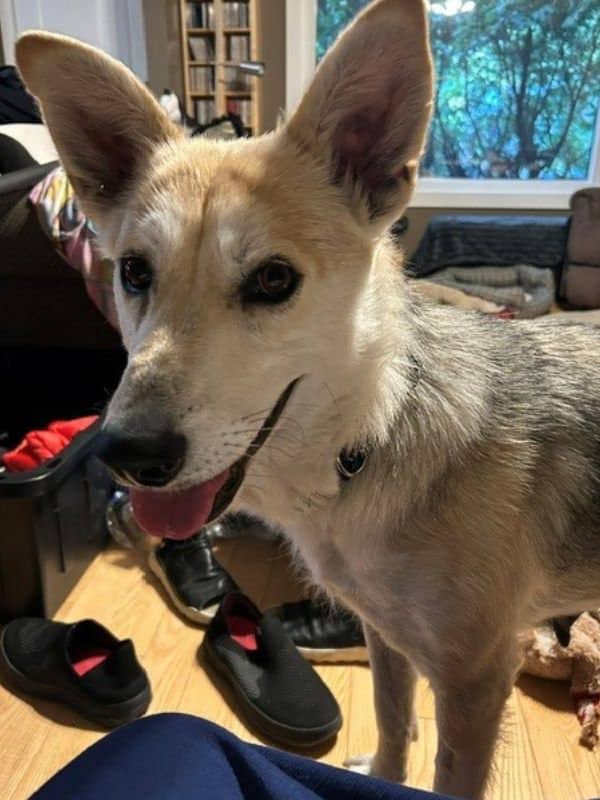

Prairie cold is dry cold, and that genuinely matters for a dog. Damp air at plus two can be harder on a thin-coated dog than dry air well below zero, because moisture strips heat far faster. A Saskatoon winter reads worse on paper than it feels to a well-equipped dog, though the actual temperatures still demand a proper coat for short-coated breeds.
The bigger local constraint is inventory rather than climate. Saskatoon carries a smaller adoptable pool than Vancouver or Toronto, so the dogs that match a specific profile move quickly. Setting up alerts across the local rescues is more useful here than waiting for the perfect breed to appear, and it is the main reason to stay flexible on breed and focus on temperament.
That flexibility is not a compromise. Most dogs in Saskatoon rescues are mixes, and mixes tend to land in the middle on coat and energy rather than at the extremes, which is usually what a low-maintenance household actually wants.
What “Low Maintenance” Actually Means
Most low-maintenance breed lists never say what they measured. Ours does. Each breed gets a score out of 100 built from five factors, weighted by how much day-to-day work each one creates:
- Grooming and coat care (30 points). Coat type plus how often the breed needs a full groom.
- Shedding (25 points). How much hair ends up on your floors, furniture and clothes.
- Exercise needs (25 points). Daily minutes an adult genuinely needs, not the minimum it will tolerate.
- Energy and mental stimulation (10 points). Whether the dog needs a job to stay settled.
- Size and running cost (10 points). Bigger dogs cost more to feed, medicate and board, every year.
We deliberately do not score health. Nearly every breed in our registry carries three flagged conditions, so a health factor would hand almost every dog an identical number while looking meaningful. Vet burden is handled honestly instead, in the flat-faced section below.
Low-Maintenance Dog Breeds, Ranked
The 12 highest-scoring breeds of the 110 we rank. Scores are computed from the factors above, so they update whenever the underlying breed data does.
| Breed | Score | Size | Exercise | Shedding |
|---|---|---|---|---|
| Chihuahua | 97 | small | 25 min | low |
| Italian Greyhound | 91 | small | 40 min | low |
| Boston Terrierflat-faced, see caution below | 90 | small | 40 min | low |
| Miniature Pinscher | 88 | small | 40 min | low |
| Greyhound | 87 | large | 45 min | low |
| Whippet | 87 | medium | 45 min | low |
| Brussels Griffonflat-faced, see caution below | 85 | small | 30 min | low |
| French Bulldogflat-faced, see caution below | 84 | small | 30 min | moderate |
| Chinese Crested | 80 | small | 30 min | low |
| Chinese Shar-Peiflat-faced, see caution below | 80 | medium | 45 min | moderate |
| Cairn Terrier | 79 | small | 45 min | low |
| Scottish Terrier | 78 | small | 45 min | low |
Sighthounds are the headline. A Greyhound outscores most toy breeds because a short coat, very low shedding and roughly 45 minutes of daily walking beat a small dog that needs clipping every month. The Canadian Kennel Club's guide to choosing a breed makes the same point: match the breed to your routine rather than to its looks.
The Flat-Faced Trap: Breeds That Only Look Easy
11 of the breeds we score are brachycephalic, or flat-faced, and several land in the top 15. They earn those points on the exercise factor because they cannot sustain much exercise. That is a symptom, not a feature.
Breeds including the Boston Terrier, Brussels Griffon, French Bulldog, Chinese Shar-Pei, English Bulldog are affected by brachycephalic obstructive airway syndrome. The Merck Veterinary Manual describes the typical picture: narrowed nostrils, an elongated soft palate, and a windpipe that is too narrow, often needing surgical correction. Owners also deal with heat intolerance, skin-fold care and elevated anesthetic risk for any procedure.
None of this makes them bad dogs, and Saskatoon rescues place them regularly. Just budget for the vet bills rather than the short walks. Read the French Bulldog and Pug pages before deciding.
Low-Maintenance Small Dogs
Small does not automatically mean easy. The split runs along coat type: short-coated small dogs are among the easiest dogs you can own, while long and curly-coated toy breeds carry a grooming bill every four to six weeks for life. The easiest small breeds on our scoring:
Two cautions on small dogs specifically. Dental disease is common in toy breeds and needs regular attention, and small dogs are easy to under-train because their behaviour is physically manageable. Browse all small dogs available in Saskatoon.
Dry Prairie Cold and a Fast-Moving Rescue Pool
Dry cold is more forgiving than damp cold, but wind is not. Judge how long to stay out by windchill, and give short-coated breeds an insulated coat and paw protection once you are into real winter temperatures.
Because the local pool is small, decide what you actually need before you start looking. Coat type and energy level are the two factors that will shape your daily routine most, and being firm on those while staying open on breed is what gets people matched quickly here.
Ask the shelter or foster how the specific dog handled last winter. In a prairie climate that single answer tells you more than any breed profile, because it covers coat, cold tolerance and whether the dog will actually walk in February.
The Highest-Maintenance Breeds
Worth knowing, because these are also the breeds Saskatoon rescues see surrendered most often, usually by owners who did not expect the workload:
Every one of these is a genuinely great dog in the right home. The pattern is the same across all of them: a double coat that blows twice a year, 75 to 90 minutes of real exercise daily, and a working brain that needs a job.
Why an Adult Rescue Beats a Low-Maintenance Puppy
Age is a bigger predictor of your workload than breed. A puppy of the easiest breed on our list will still cost you months of house training, night waking, chewed belongings and socialization work. An adult of a moderately demanding breed can slot into your routine in a fortnight.
The second advantage is information. With an adult rescue you are not predicting from a breed average, you are reading an assessment of a specific dog, often after weeks in a foster home. You know his actual coat, his actual energy, whether he settles alone. That certainty is worth more than any score on this page, including ours. Browse senior dogs and low-energy dogs in Saskatoon, or read the full breed scoring methodology.
Low-Maintenance Dog Adoption FAQ (Saskatoon)
Tap a question to expand
What is the most low-maintenance dog breed?▼
Are low-maintenance dogs available at Saskatoon rescues?▼
How many low-maintenance dogs are usually available in Saskatoon?▼
Is prairie cold harder on a dog than coastal weather?▼
Are non-shedding dogs low maintenance?▼
Are flat-faced breeds like Pugs and French Bulldogs low maintenance?▼
Which dogs are the highest maintenance?▼
Is an adult rescue lower maintenance than a puppy?▼
Want every breed scored, not just the top 12?
Our national guide ranks all 110 breeds on the same five factors, shows the full methodology, and breaks down the score for each one.
See all 110 breeds ranked →