1 Akita puppy available in Saskatchewan
Under a year old, listed by rescues and shelters. Updated as shelters publish.
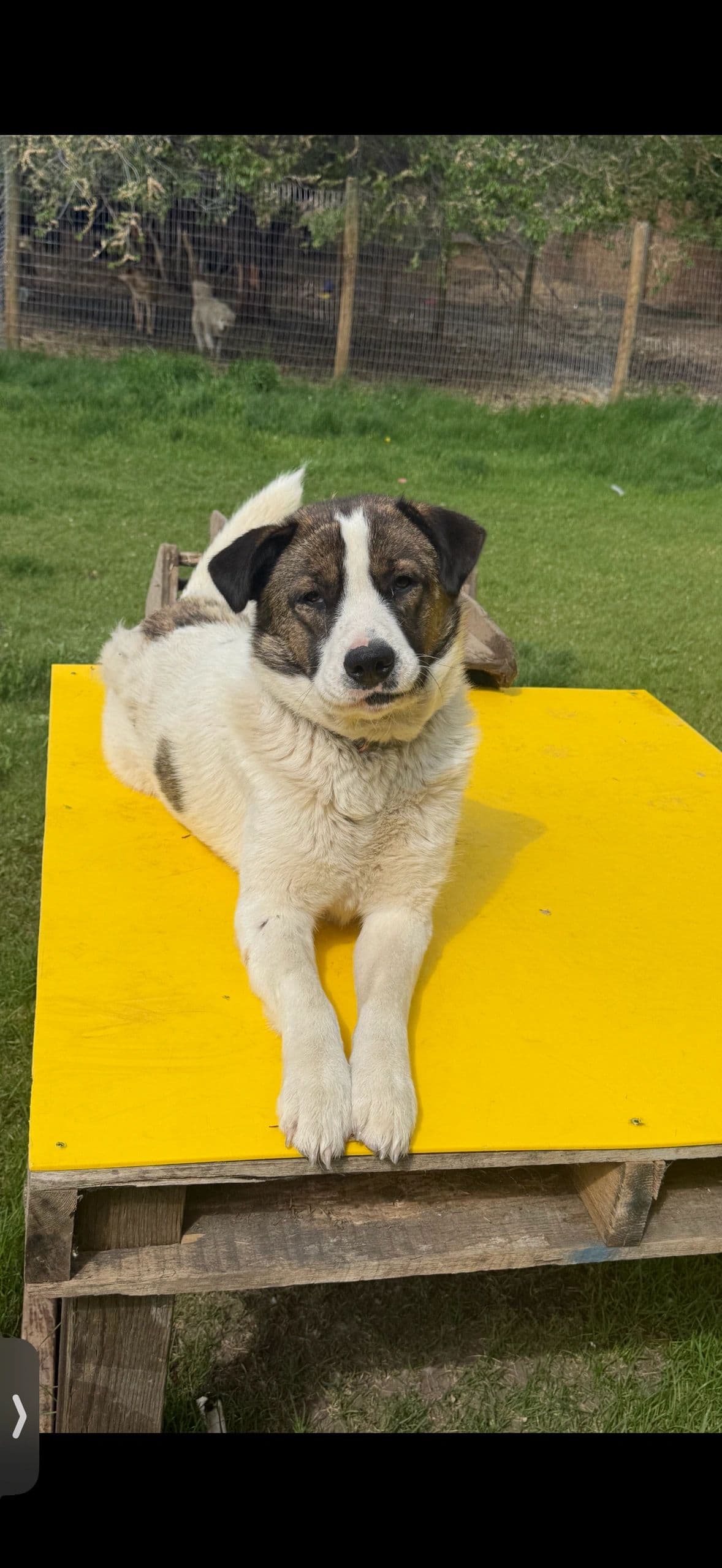
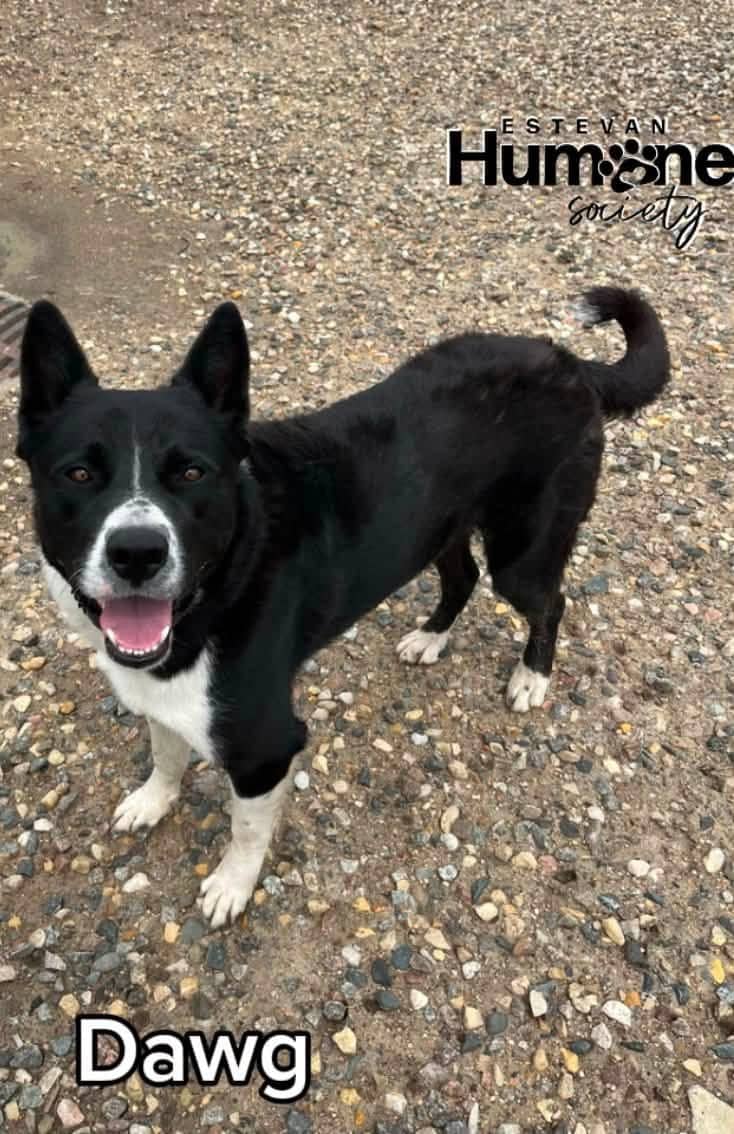
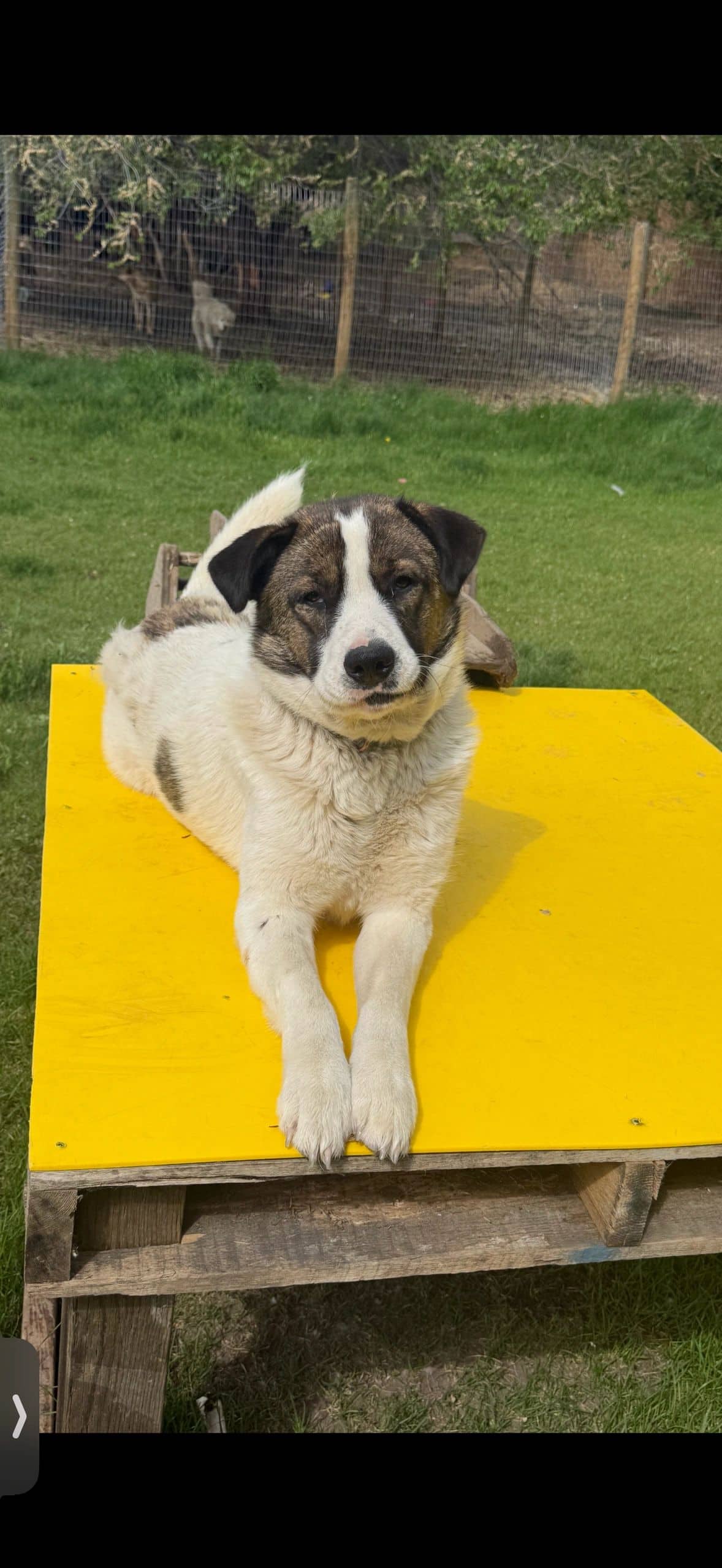
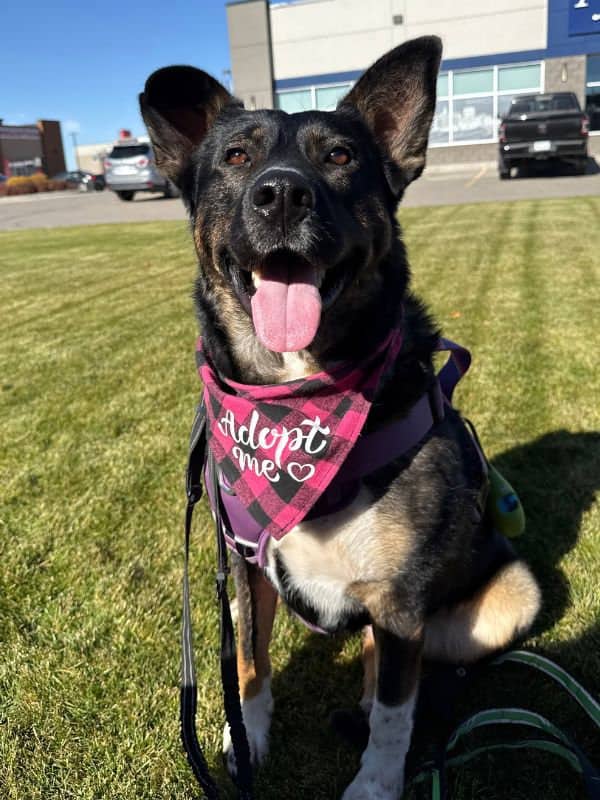
Get notified when an Akita is listed
We will email you the moment an Akita becomes available in Saskatchewan, from a rescue or an owner rehoming.
Adopting an Akita in Saskatchewan
The Akita is a large, powerful Japanese guardian breed, dignified and deeply loyal to its own people and aloof with strangers. They come up in Saskatchewan rescue from time to time, usually as adults surrendered because the owner underestimated how much dog an Akita really is. You will also see Akita crosses, often mixed with a husky, shepherd or malamute.
Look province-wide. The right Akita might be fostered in Saskatoon, Regina, Prince Albert or Moose Jaw, or out on a rural acreage, and a two-hour prairie drive to meet the right dog is normal here. Use this page to track Akitas and Akita-type crosses across the province in one place rather than refreshing individual shelter sites.
Why Akitas show up in SK rescue
Akitas land in rescue for predictable reasons: size, strength, dog-aggression and the fact that they are not a beginner dog. People buy a striking fluffy pup, then surrender an opinionated 100-pound guardian that does not get along with the family's other dog. That is the typical Akita surrender story, and it is why most of the Akitas you see here are adults.
Some Akita-type dogs also arrive through the northern transfer pipeline. Spay and neuter access is limited in many northern Saskatchewan and reserve communities, so unplanned litters and free-roaming dogs build up, and the Prince Albert SPCA handles a lot of that northern intake before transferring south to Saskatoon and Regina. A thick-coated, heavy-boned cross with guardian temperament will sometimes get tagged as an Akita mix in those groups.
Saskatchewan climate fit
This is one of the breeds Saskatchewan winter was practically built for. The Akita carries a thick double coat designed for cold Japanese mountain winters, so minus 30 January nights in Saskatoon and Regina are well within its comfort range. A healthy Akita is happy to be out in the dry cold, though you still keep an eye on paws against ice and salt and bring the dog in to sleep.
Heat is the real risk. Saskatchewan summers run hot, often into the low-to-mid 30s, and that heavy double coat traps warmth. An Akita will overheat fast if exercised in afternoon sun. Walk early morning or after dark, give shade and water, never shave the coat (it protects against both heat and cold), and never leave the dog in a vehicle.
On a rural acreage, mind the prey drive and the guardian instinct. Akitas have strong prey drive and a determined will, so a flat field fence on a quarter-section will not always hold one, especially if it decides to patrol or chase. A solid, high fence and supervision are smart, and a loose guardian-breed dog around livestock or neighbours can become a serious problem.
Health concerns to ask the foster about
Akitas are a large breed with some known health issues. Raise these with the rescue before you apply:
- Hip and elbow dysplasia, common in big heavy dogs.
- Hypothyroidism, which can affect coat, weight and mood.
- Autoimmune conditions, including immune-mediated skin and eye problems that Akitas are prone to.
- Bloat (gastric torsion), a genuine risk in deep-chested breeds; feed smaller meals and avoid hard exercise right after eating.
- Eye conditions such as progressive retinal atrophy in some lines.
- Sensitivity to certain anaesthetics, so flag the breed with any vet doing a procedure.
What an Akita is actually like to live with
An Akita is calm, clean and intensely loyal at home, but this is a serious guardian breed that needs an experienced owner. Be honest with yourself about the following before applying:
- Aloof and protective. Devoted to family, naturally wary of strangers; they need careful socialisation, not aggression training.
- Often dog-aggressive. Many Akitas, especially same-sex pairs, do not tolerate other dogs; a lot are best as the only dog.
- Strong prey drive. Cats and small animals can trigger a chase, so cat homes need very careful screening.
- Not a beginner dog. Strong-willed and independent; they respect calm, consistent leadership and ignore nagging.
- Heavy seasonal shedding. The double coat blows out twice a year and needs regular brushing.
- Quiet but firm. Akitas are not big barkers, but they mean what they say.
What the adoption fee covers
A Saskatchewan rescue adoption fee usually covers spay or neuter, core vaccinations, microchip, deworming and a vet check. With a large breed that is real value, since vetting a big dog is not cheap. Inclusions vary by rescue, so confirm the exact fee and what comes with it on the listing before you apply.
How to search and filter
Use the filters to narrow by city (Saskatoon, Regina, Prince Albert, Moose Jaw), by size, and crucially by whether the dog is good with other dogs, cats and kids, because compatibility is the make-or-break factor with an Akita. Browse Akita crosses too, and save your search so you are notified when a new Akita or Akita-type dog is listed.
Looking more broadly? Browse every adoptable dog across the province on Dog Adoption Saskatchewan.
The rescues that most often list Akitas across the province are Saskatoon SPCA, Saskatoon Dog Rescue, and Regina Humane Society. For breed-specific background, the Canadian Kennel Club is a useful reference.
Akita Adoption FAQ — Saskatchewan
Tap a question to expand
How many Akitas are available for adoption in Saskatchewan?▼
Where can I find Akita adoption near me in Saskatchewan?▼
Is an Akita a good fit for a Saskatchewan winter?▼
Why do Akitas end up in rescue here?▼
Can an Akita live with other dogs or cats?▼
Is an Akita okay for a first-time owner?▼
Is LocalPetFinder a shelter or does it charge fees?▼
How much does it cost to adopt an Akita in Saskatchewan?▼
Can I get an Akita free to a good home in Saskatchewan?▼
Are these Akitas for sale in Saskatchewan?▼
Where can I buy an Akita in Saskatchewan, and should I?▼
Are there free Akitas in Saskatchewan, or akitas under $500?▼
Are there Akita puppies in Saskatchewan, or only adults?▼
Where can I find an Akita near me in Saskatchewan?▼
Popular dog breeds in Saskatchewan
Akita adoption by city in Saskatchewan
Each city page lists only the akitas available from rescues serving that city, with local adoption details.
Need to rehome a Akita?
If you can no longer keep your Akita, you can list them for free on LocalPetFinder. Your dog stays in your home until you find the right family, you screen who applies, and there is no surrender fee. Not sure yet? Our guide to surrendering a dog in Canada walks through every option first.
List your dog for free →