Showing 7 dogs
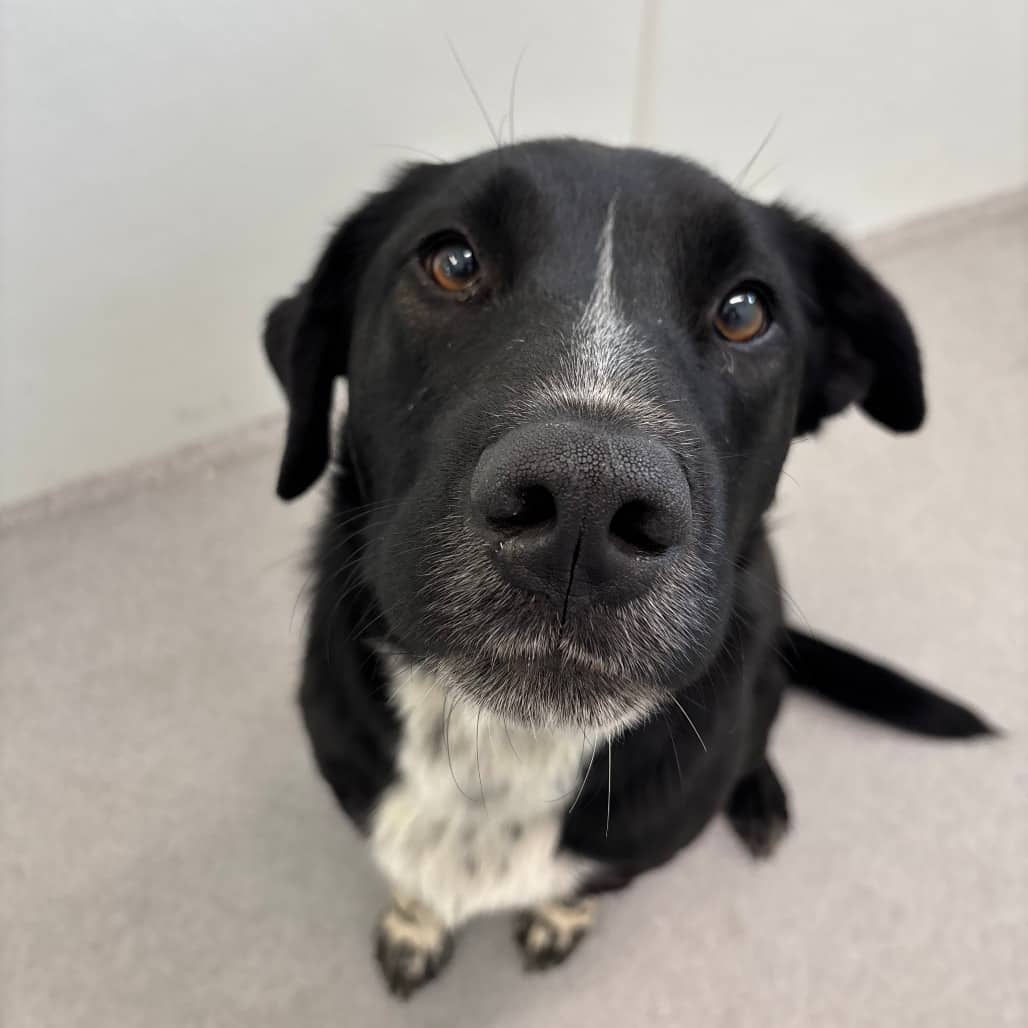
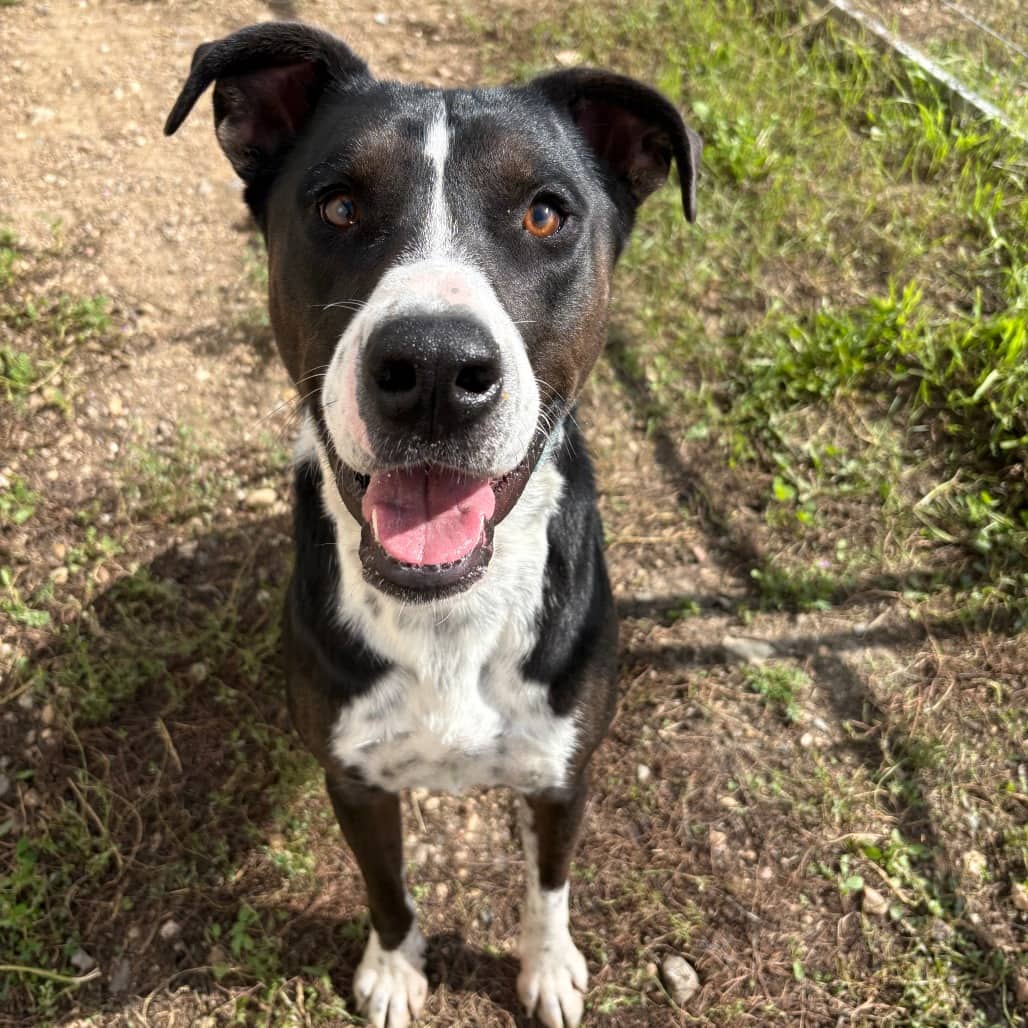
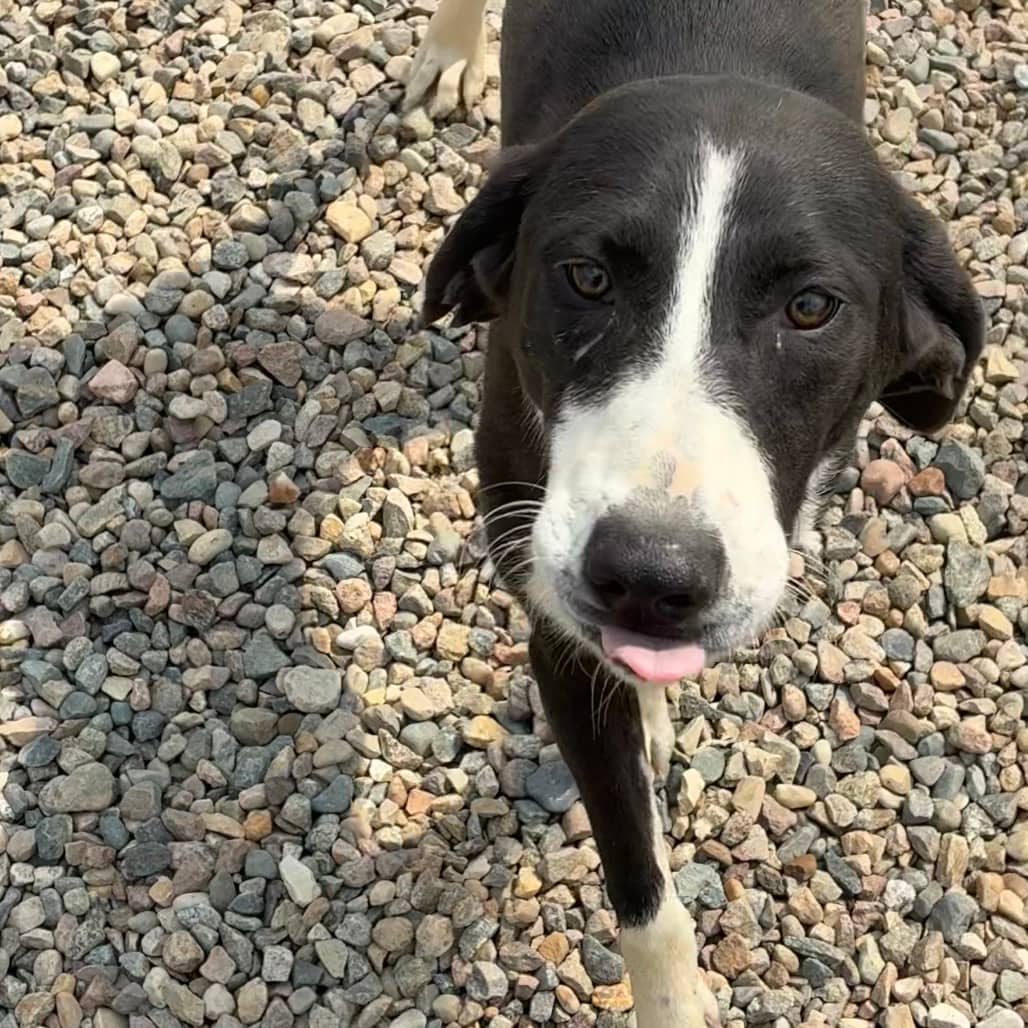
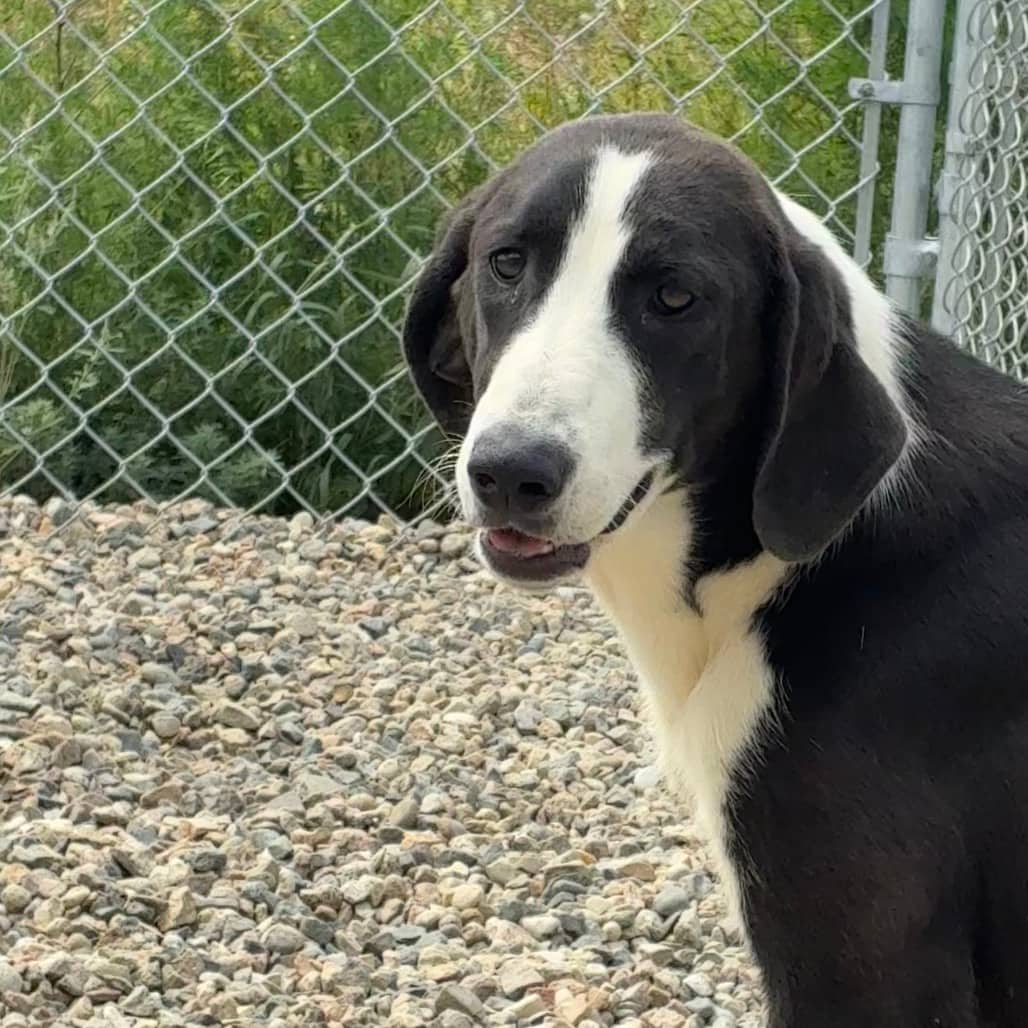
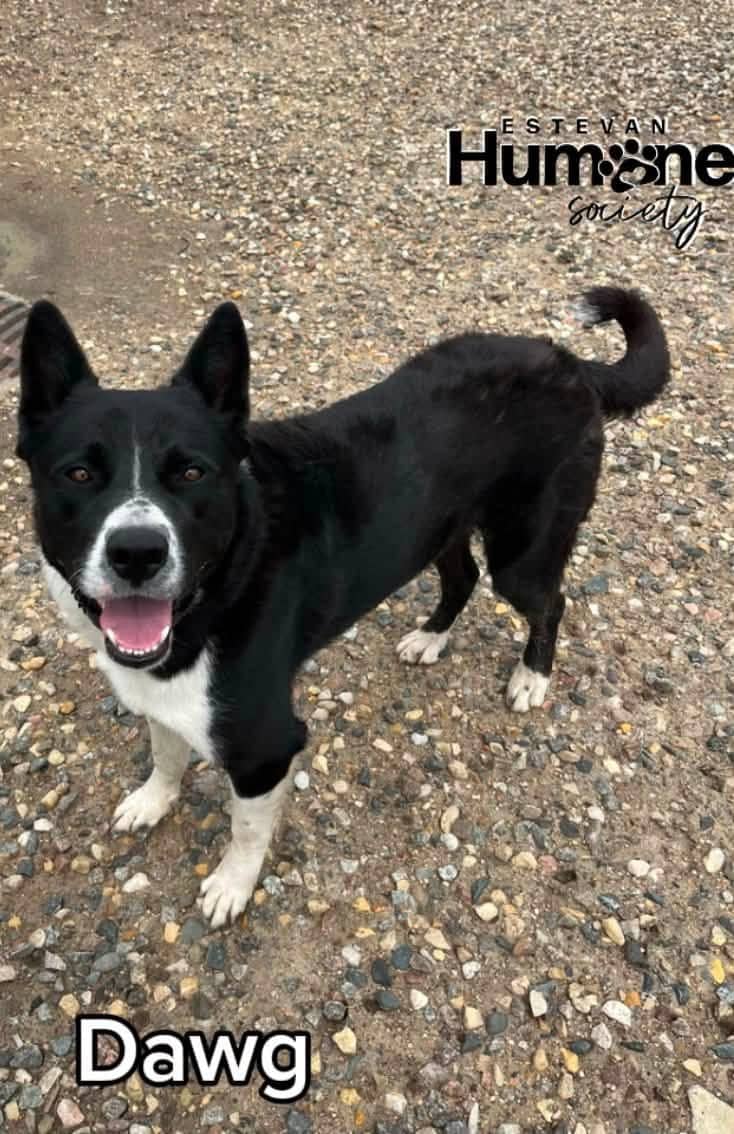
Get notified when a Border Collie is listed
We will email you the moment a Border Collie becomes available in Saskatchewan, from a rescue or an owner rehoming.
Might also be a match
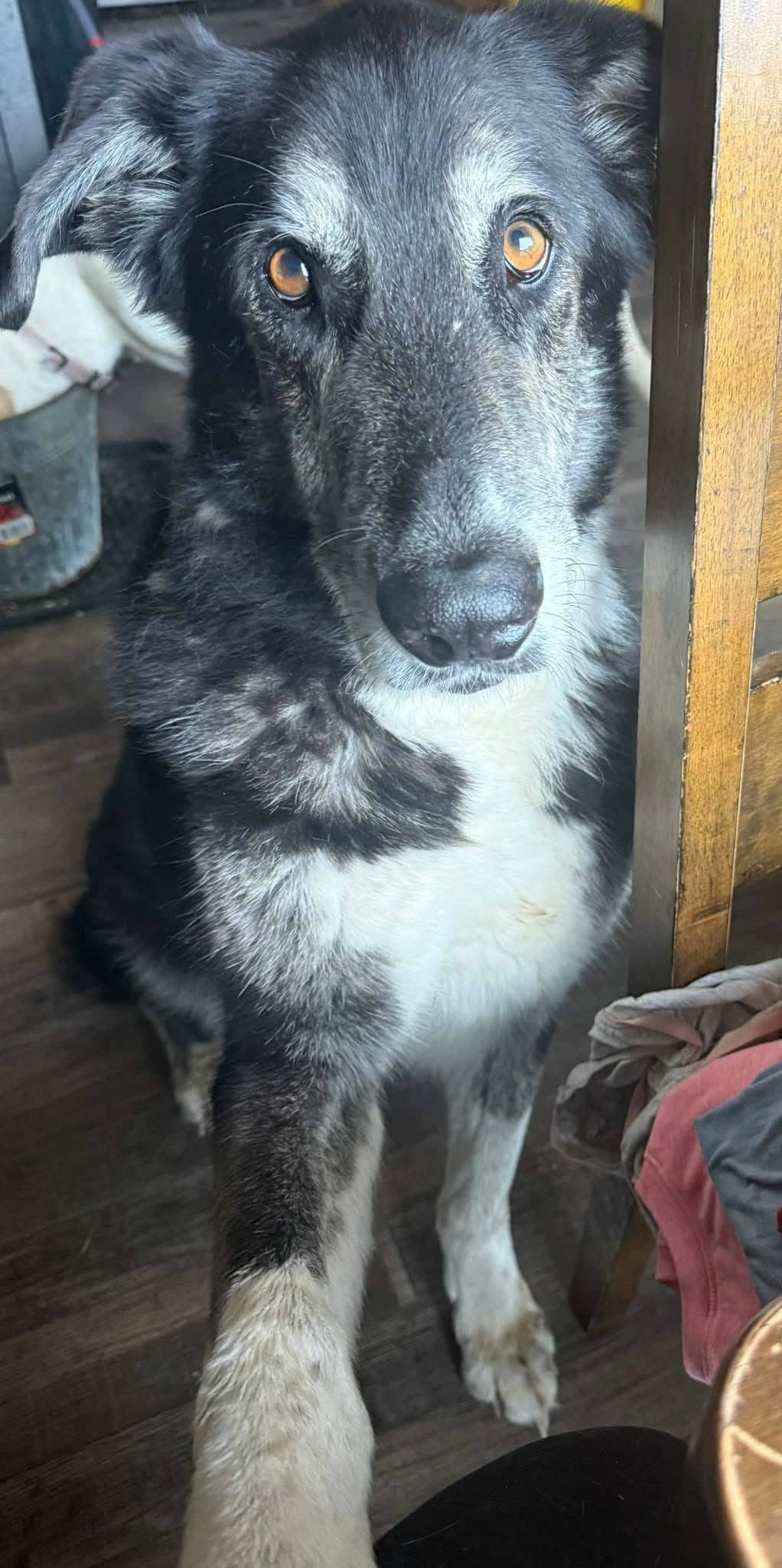
These 2 dogs look like Border Collie in Saskatchewan, but their shelter hasn’t listed a breed — so they are recorded simply as a mixed breed. We spotted the resemblance from their photo.
It's a guess from a picture, not a DNA test, so treat it as a starting point. Most rescue dogs are mixes, and the shelter is the best source on any individual dog.
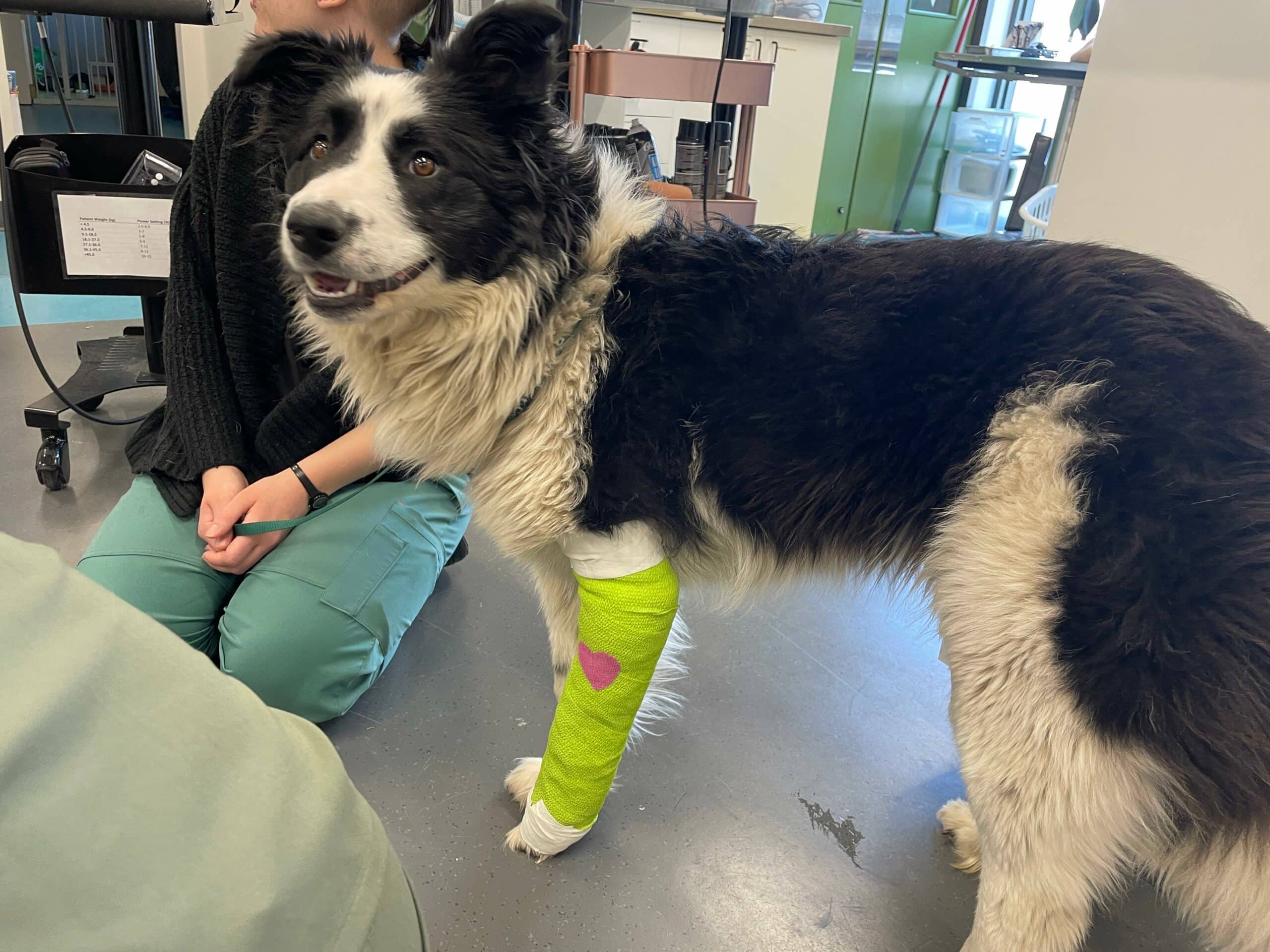
Adopting a Border Collie in Saskatchewan
Border Collies turn up in Saskatchewan rescue more often than people expect, given how widely the breed is kept on prairie farms. Working-line Border Collies wash out of farm work (not enough drive, or wrong temperament for stock work), and pet-line Border Collies surrender from town households that did not anticipate the breed's actual needs. The Regina Humane Society sees Border Collies and Border Collie crosses through both pipelines.
This page pulls every adoptable Border Collie or Border Collie cross from the SK shelters we cover into one searchable place, refreshed regularly. Border Collies are not casual dogs — match the right one to your life and the breed is extraordinary, match the wrong one and you'll surrender it within a year.
Working-line vs pet-line — what you're actually getting
Saskatchewan Border Collie rescue inventory splits roughly in half. Working-line dogs are bred for stockwork — high drive, intense focus, often "eye-y" (the breed's signature crouched stare), and genuinely need a job. A working-line Border Collie in a town townhouse without daily structured work develops obsessive or destructive behaviour within months. Pet-line and mixed-line Border Collies are calmer, easier, and well-suited to active families with time for daily training and exercise.
Foster homes can tell you which one you're looking at. Ask: does the dog stalk movement (kids, bikes, joggers)? Does it settle in the evening or pace? How does it handle being alone for several hours? The answers separate a stable family pet from a working dog that needs a stock job or competitive agility outlet.
Exercise and mental work are not interchangeable
A Border Collie that gets 90 minutes of leashed walking is a stressed Border Collie. The breed needs MENTAL work, not just physical exercise. Training sessions, puzzle feeders, scent games, agility classes, frisbee, structured fetch with rules — these calm a Border Collie in a way that long walks cannot. The owners we see succeed are people who incorporate the dog into something (training, agility, dog sport, farm work, or daily off-leash adventures in real terrain), not just walk it around the block twice.
Saskatchewan has good outlets. Off-leash dog parks (Sutherland Beach + Hyde Park in Saskatoon, McDonald Street in Regina) give you space. Local agility clubs in Saskatoon and Regina take rescue dogs. The breed thrives in cold-weather sports — try skijoring or canicross in winter.
Health concerns worth asking the foster about
Border Collies are predisposed to hip dysplasia, Collie Eye Anomaly (a hereditary eye condition that may or may not affect vision), epilepsy, and a few rare breed-specific conditions (TNS, NCL — both rare but worth asking about). The MDR1 gene mutation (sensitivity to certain drugs including ivermectin) is present in about 1 in 10 Border Collies — your vet should be told the dog is a Border Collie before prescribing. The rescue's intake vet check should flag major concerns; the foster knows about anything that developed during the foster period.
What Border Collies are actually like to live with
The traits that make Border Collies rescue-common when mismatched and remarkable when matched well:
- Trainability is the highest of any breed. A Border Collie can learn a new cue in 3 to 5 repetitions and remember it years later.
- Stalk drive is hard-wired. Cats, joggers, bikes, kids running, and shadow play all trigger it. Manageable with training; not eliminable.
- Sensitive to environment. A chaotic, loud, or unpredictable household stresses Border Collies. They do best in calm, structured homes.
- Reserved with strangers. The breed is not aggressive but is not the friendly-with-everyone temperament a Lab or Golden has.
- Real exercise needs (90+ minutes of mixed physical + mental work daily — non-negotiable).
What the fee usually covers
Border Collie adoption fees at SK rescues sit in the standard range for medium rescue dogs. The fee covers spay or neuter, core vaccinations, microchip, deworming, and a vet check before placement. Ask whether the dog has been tested for MDR1 — not all rescues do this, but if it has been done, the result is worth knowing.
Looking more broadly? Browse every adoptable dog across the province on Dog Adoption Saskatchewan.
The rescues that most often list Border Collies across the province are Regina Humane Society, Saskatoon Dog Rescue, and Moose Jaw Humane Society. For breed-specific background, the Canadian Kennel Club is a useful reference.
Border Collie Adoption FAQ — Saskatchewan
Tap a question to expand
How many Border Collies are available for adoption in Saskatchewan?▼
Where can I find Border Collie adoption near me in Saskatchewan?▼
Can a Border Collie live in a Saskatoon or Regina townhouse?▼
What is MDR1 and should I ask about it?▼
What does a Border Collie adoption fee include in SK?▼
Are there different types of Border Collie?▼
Can I get a Border Collie free to a good home in Saskatchewan?▼
Are these Border Collies for sale in Saskatchewan?▼
Where can I buy a Border Collie in Saskatchewan, and should I?▼
Are there free Border Collies in Saskatchewan, or border collies under $500?▼
Are there Border Collie puppies in Saskatchewan, or only adults?▼
Where can I find a Border Collie near me in Saskatchewan?▼
Popular dog breeds in Saskatchewan
Border Collie adoption by city in Saskatchewan
Each city page lists only the border collies available from rescues serving that city, with local adoption details.
Need to rehome a Border Collie?
If you can no longer keep your Border Collie, you can list them for free on LocalPetFinder. Your dog stays in your home until you find the right family, you screen who applies, and there is no surrender fee. Not sure yet? Our guide to surrendering a dog in Canada walks through every option first.
List your dog for free →