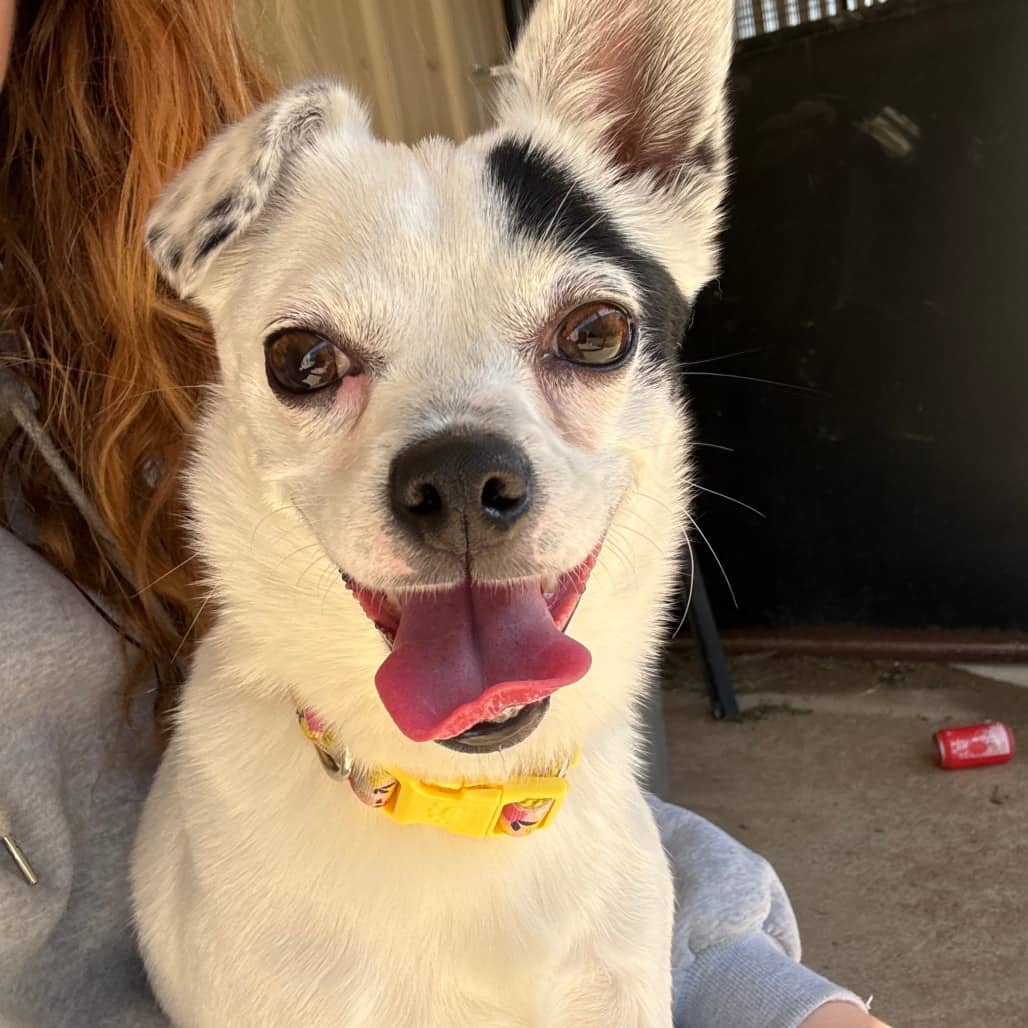
Get notified when a Chihuahua is listed
We will email you the moment a Chihuahua becomes available in Saskatchewan, from a rescue or an owner rehoming.
Might also be a match
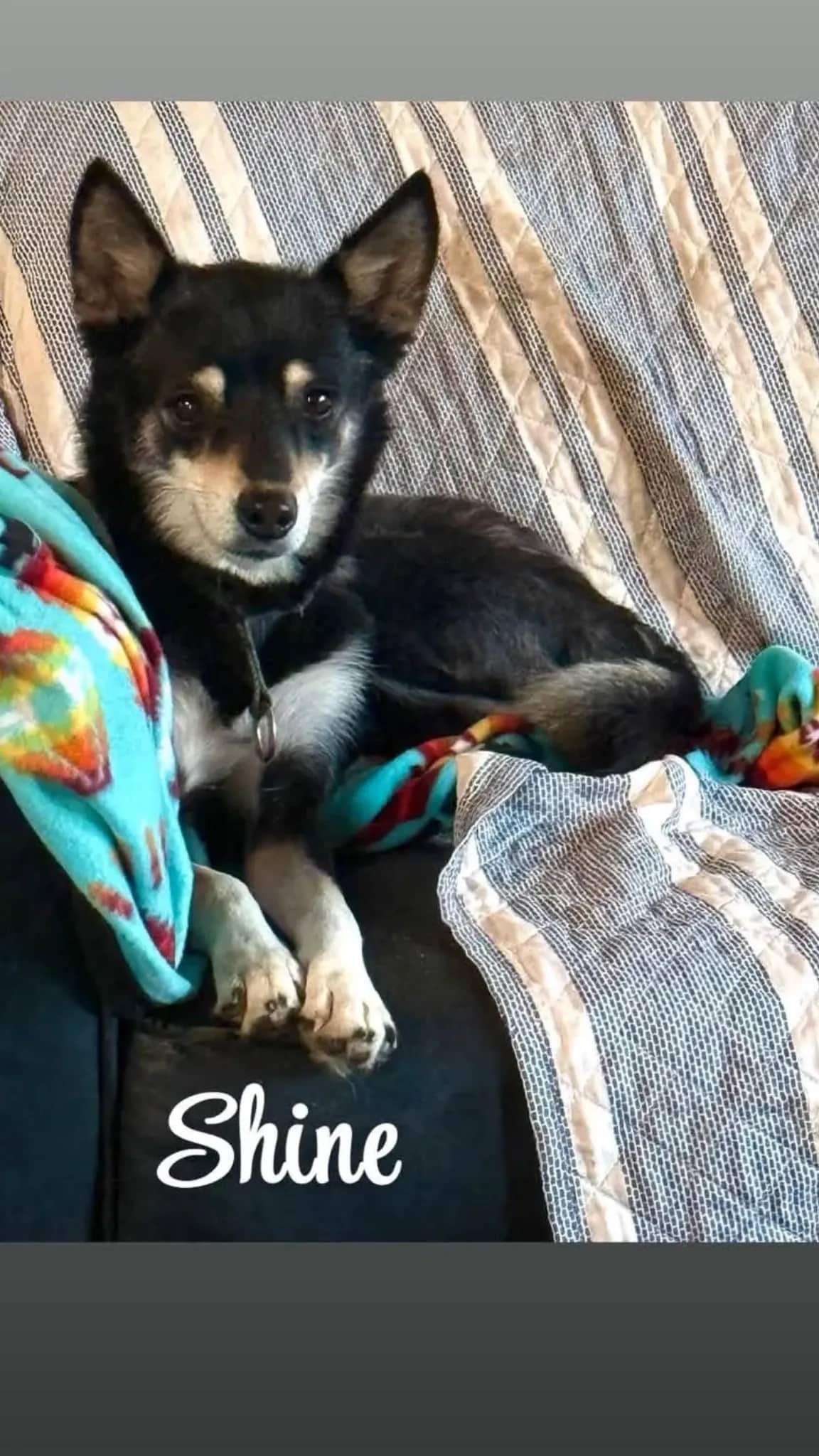
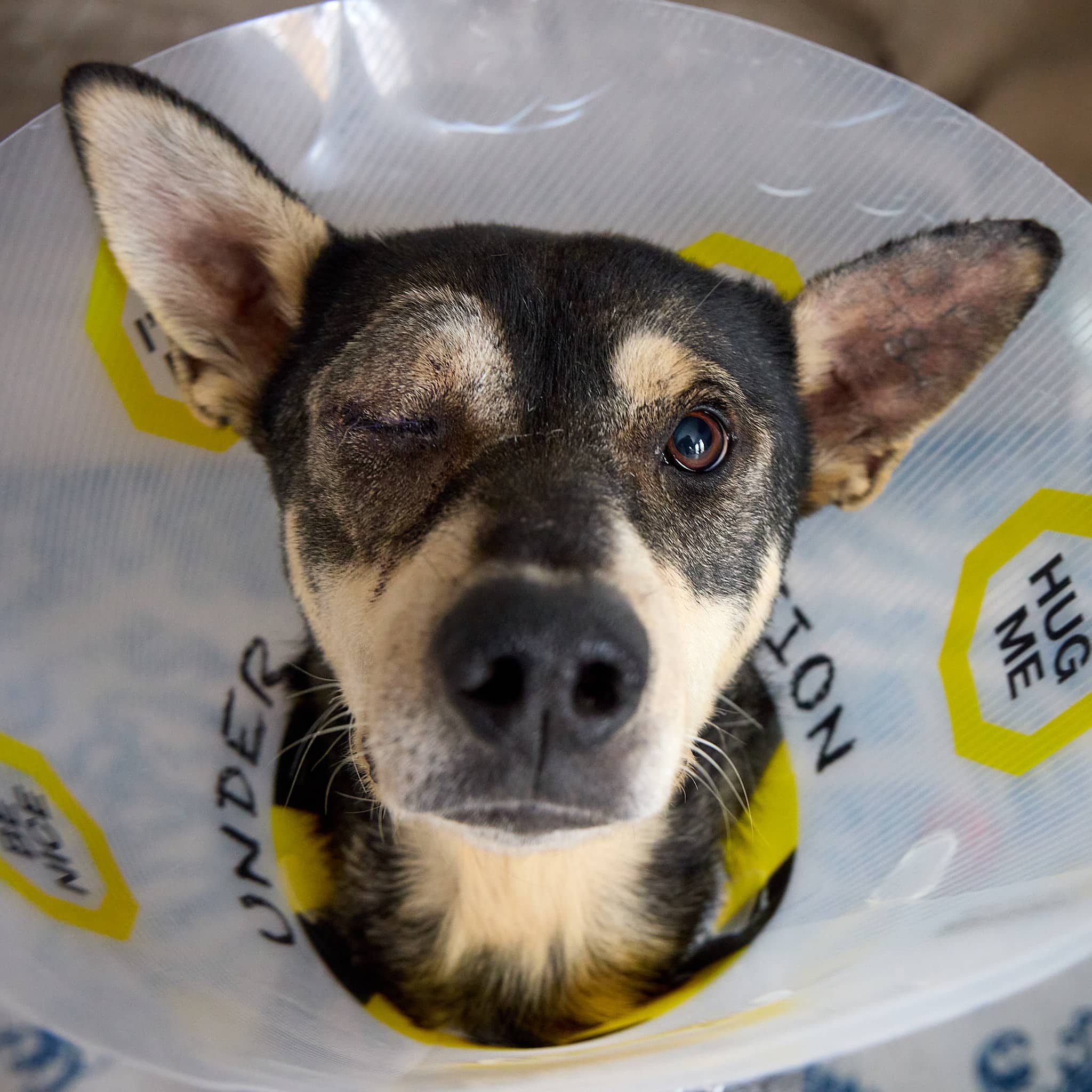
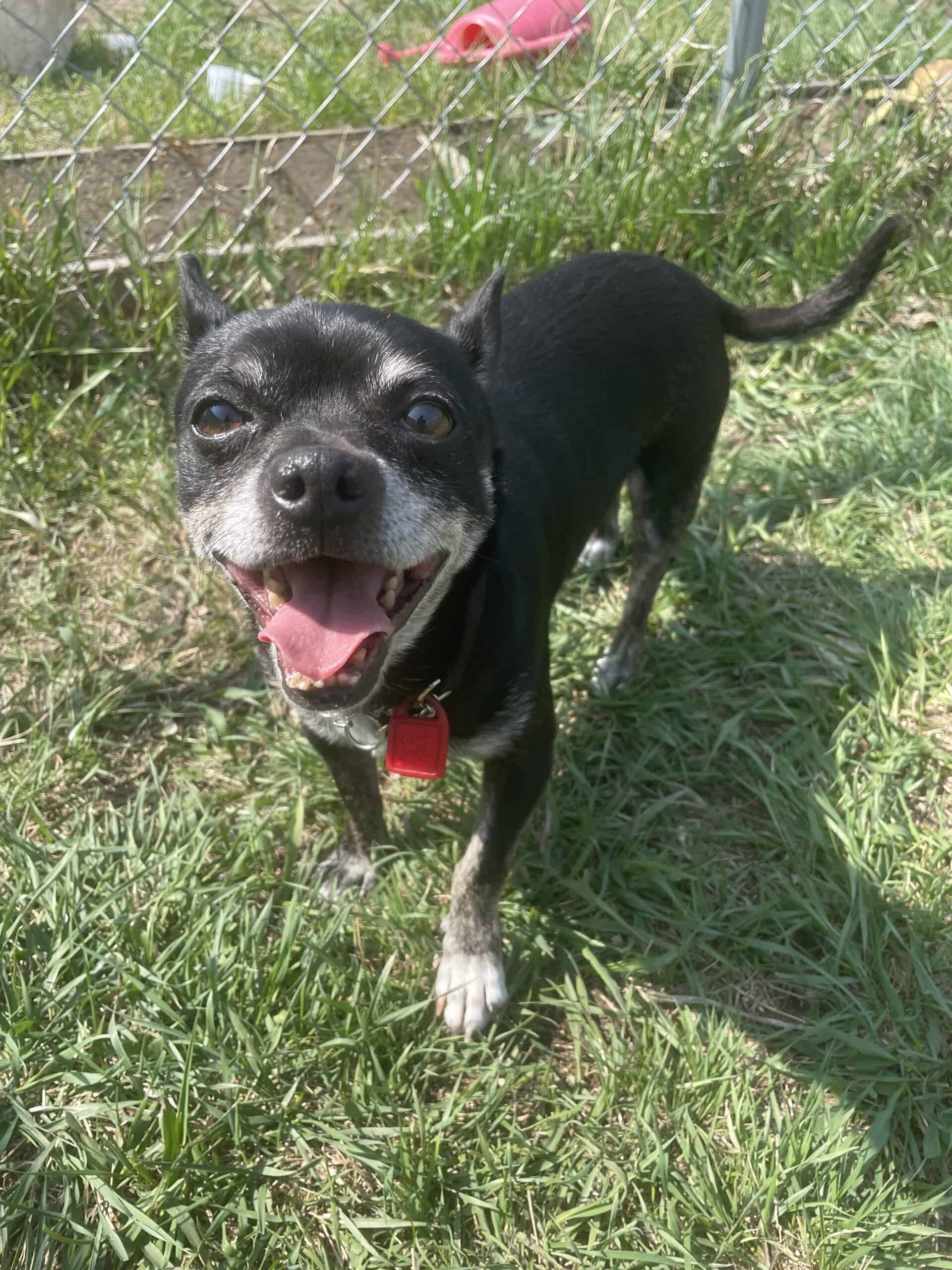
These 3 dogs look like Chihuahua in Saskatchewan, but their shelter hasn’t listed a breed — so they are recorded simply as a mixed breed. We spotted the resemblance from their photo.
It's a guess from a picture, not a DNA test, so treat it as a starting point. Most rescue dogs are mixes, and the shelter is the best source on any individual dog.
Adopting a Chihuahua in Saskatchewan
Chihuahuas are the most commonly surrendered small breed in Saskatchewan rescue. Saskatoon SPCA, Regina Humane Society, and Prince Albert SPCA see Chihuahuas and Chi crosses (Chi-Min Pin, Chi-Pom, Chi-Dachshund) consistently year-round. The breed cycles through rescue at a higher rate than most toy breeds because of low purchase price, impulse-buy popularity, and the genuine handful that an undersocialised Chihuahua becomes.
This page pulls every adoptable Chihuahua or Chi cross from the SK shelters we cover into one searchable place, refreshed regularly. Most rescue Chis are adult dogs that need a patient, dedicated home — the breed bonds intensely and does best with one or two people.
Why so many Chihuahuas in rescue
Three reasons. First, the impulse-buy problem: Chihuahuas are widely available at low prices from backyard breeders and small farm operations, so first-time buyers get them without research. Second, the socialisation problem: a Chi puppy that doesn't get extensive exposure to strangers, kids, other dogs, and new environments in the first 4 months becomes a snappy, fearful adult. Third, the lifespan problem: Chihuahuas live 14 to 18 years, longer than most owners plan for. Many rescue Chis are seniors whose elderly owners can no longer care for them.
The adopters who do well with rescue Chis are patient, willing to work on socialisation, and looking for a one-person companion rather than a family dog.
Cold tolerance is the worst of any common breed
Chihuahuas are 3 to 6 pounds, single-coated (sometimes long-coated but still no real insulating undercoat), and have minimal body fat. SK winters at minus 10°C are uncomfortable for a Chi without a coat; minus 20 is dangerous within minutes. An insulated coat covering chest and belly plus booties is mandatory in deep winter.
Indoor potty training (pee pads, indoor turf) is genuinely standard for SK Chihuahua owners from December through February. Long outdoor walks are not realistic for the breed in deep cold — plan for a quick block lap plus extensive indoor enrichment.
Health concerns worth asking the foster about
Chihuahuas are predisposed to luxating patellas (very common), tracheal collapse (use a harness, never a collar), dental disease (small mouths overcrowded with teeth — daily brushing is genuinely needed), heart murmurs and mitral valve disease, hydrocephalus (in puppies and small adults — molera or "soft spot" on the skull is a sign), and hypoglycemia in puppies. The rescue's intake vet check should flag major concerns; ask about dental condition specifically since rescue Chis often arrive needing significant dental work.
What Chihuahuas are actually like to live with
The traits that make Chis rewarding when matched well, and challenging when not:
- Genuinely small — 3 to 6 pounds adult weight. Suitable for SK condo and rental living where larger dogs are restricted.
- One-person dogs by default. Chis bond intensely with one human and may be aloof or snappy with others. Not the best breed for families with young kids.
- Vocal. Chihuahuas bark at strangers, at the door, at unfamiliar sounds. Manageable with training; not eliminable. Bothers neighbours in dense condo buildings.
- Modest exercise needs (20 to 30 minutes daily). Suitable for less active SK households.
- Lives 14 to 18 years. A Chi adopted at age 4 means potentially 10 to 14 years together — long-term commitment.
Looking more broadly? Browse every adoptable dog across the province on Dog Adoption Saskatchewan.
The rescues that most often list Chihuahuas across the province are Saskatoon SPCA, Regina Humane Society, and Prince Albert SPCA. For breed-specific background, the Canadian Kennel Club is a useful reference.
Chihuahua Adoption FAQ — Saskatchewan
Tap a question to expand
How many Chihuahuas are available for adoption in Saskatchewan?▼
What is the difference between apple-head, deer-head, and teacup Chihuahuas?▼
How much does it cost to adopt a Chihuahua, and can I get one for free?▼
Where can I find Chihuahua adoption near me in Saskatchewan?▼
Are Chihuahuas good with kids?▼
What does a Chihuahua adoption fee include in SK?▼
Can a Chihuahua live through a Saskatchewan winter?▼
Are these Chihuahuas for sale in Saskatchewan?▼
Where can I buy a Chihuahua in Saskatchewan, and should I?▼
Are there free Chihuahuas in Saskatchewan, or chihuahuas under $500?▼
Are there Chihuahua puppies in Saskatchewan, or only adults?▼
Where can I find a Chihuahua near me in Saskatchewan?▼
Popular dog breeds in Saskatchewan
Chihuahua adoption by city in Saskatchewan
Each city page lists only the chihuahuas available from rescues serving that city, with local adoption details.
Need to rehome a Chihuahua?
If you can no longer keep your Chihuahua, you can list them for free on LocalPetFinder. Your dog stays in your home until you find the right family, you screen who applies, and there is no surrender fee. Not sure yet? Our guide to surrendering a dog in Canada walks through every option first.
List your dog for free →