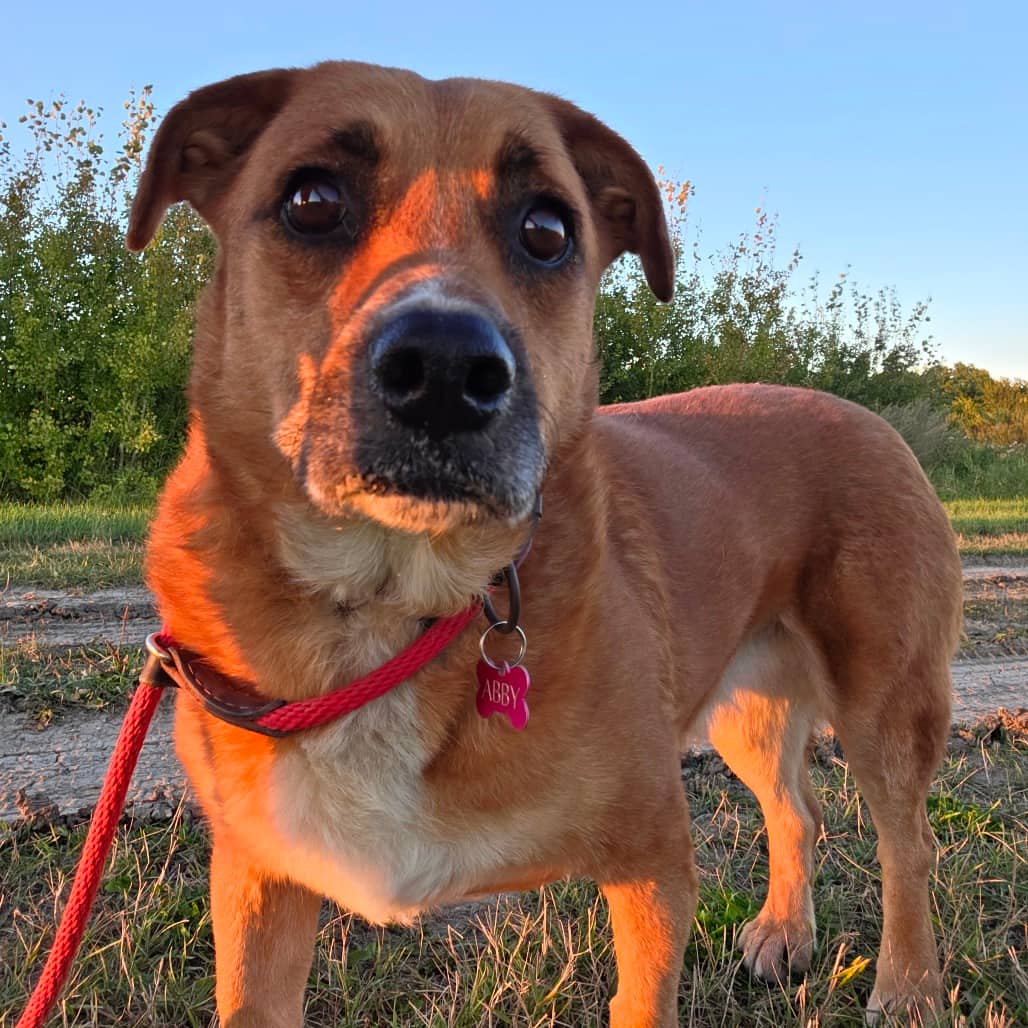
Get notified when a Corgi Mix is listed
We will email you the moment a Corgi Mix becomes available in Saskatchewan, from a rescue or an owner rehoming.
Adopting a Corgi mix in Saskatchewan
Corgi mixes are exactly what they sound like: a Pembroke or Cardigan Welsh Corgi crossed with something else, often a shepherd, a hound, a Lab or another herding breed. The result is usually a low-slung, big-eared, big-personality dog with a herding brain that punches well above its size. Purebred Corgis are pricey and in demand, so in rescue you will see far more crosses than purebreds, and honestly the crosses are often the most fun dogs in the building.
Search the whole province. A specific Corgi mix that suits your home might be in Saskatoon one week and Moose Jaw the next, and adopters here think nothing of a two-hour prairie drive for the right dog. LocalPetFinder gathers adoptable Corgi crosses from Saskatchewan rescues into one feed so you can compare them side by side instead of hunting across separate pages.
Why Corgi mixes turn up in Saskatchewan rescue
A lot of Corgi mixes land in rescue because people underestimate them. They look like cute short dogs and turn out to be loud, smart, shedding herders who need a job. When the barking, the herding nips at heels, or the shedding becomes too much, they get surrendered. Others come through the northern Saskatchewan and reserve-community transfer pipeline, where limited spay and neuter access means accidental litters, and herding-type crosses are common in that intake. The Prince Albert SPCA handles much of the northern flow before dogs transfer south.
The upside for adopters: a Corgi cross gives you most of the breed's charm and brains, often with fewer of the extreme structural problems of a heavily exaggerated purebred, and at a rescue fee instead of a breeder price. Foster homes will tell you the real temperament, which matters far more than the exact percentage of Corgi in the mix.
Saskatchewan climate fit
Most Corgi mixes inherit a thick double coat, which serves them well through minus 30 January nights in Saskatoon and Regina. The dry prairie cold is manageable, but watch the belly clearance: a long, low dog rides closer to snow and ice, so deep drifts and salted, frozen sidewalks need attention, and short legs in deep snow tire quickly. Booties or paw balm help on the harshest days.
Summer is the bigger watch-out. Saskatchewan summers push into the low-to-mid 30s and run dry, and a double-coated, often heavyset Corgi mix overheats faster than its busy attitude suggests. Exercise early morning or after dark in heat waves and keep water available. On a rural acreage, the herding drive is the escape risk: a Corgi mix will happily chase movement across a quarter-section, and flat field fencing does not stop a determined low dog who can dig and slip through gaps. Secure your perimeter.
Health questions to ask the foster
The Corgi body shape, long back on short legs, makes back problems (including disc issues) a real concern, so ask the foster whether the dog has shown any back or mobility trouble, and plan to keep it lean and discourage repeated jumping on and off furniture. Obesity is the other big one: Corgi mixes love food and gain weight easily, which compounds the back risk, so portion control matters from day one.
Also ask about hips, eyes and, if the dog leans more Cardigan, any history of the breed-linked eye conditions. A heavy shedder will need routine brushing, and a good foster can tell you how much this particular dog blows coat. None of these are deal-breakers; they just shape the care plan.
What a Corgi mix is like to live with
Expect a confident, clever dog with opinions. Corgi mixes are loyal and affectionate but rarely shy, and they will let you know what they think.
- Big personality in a small body: bold, funny and stubborn, often the loudest character in the room.
- Vocal. Many Corgi mixes bark a lot, alert and otherwise, which matters in an apartment or close neighbourhood.
- Smart and trainable, but they will test you, so reward-based training and clear boundaries work best.
- Energetic for their size: they need real daily exercise and mental work or they get bored and noisy.
- Heavy shedders: plan for fur on everything and regular brushing through coat-blow seasons.
- Herding instinct can show up as nipping at heels, especially with kids, so manage and redirect it early.
What the adoption fee covers
A Saskatchewan rescue adoption fee typically covers spay or neuter, core vaccinations, microchip, deworming and a vet check. That bundle would cost far more arranged separately after a private sale, which is part of why adopting a Corgi cross makes sense financially as well as ethically. The exact fee depends on the rescue and the dog's age and health, so confirm the amount on the individual listing before applying.
How to search and filter
Use the breed filter to surface Corgi mixes and crosses, then narrow by size, age, energy level and compatibility (good with kids, dogs or cats). If nothing matches today, set an alert, because the cute short dogs go quickly. Each listing links to the rescue holding the dog, and your application and the adoption decision are handled by that rescue directly.
Looking more broadly? Browse every adoptable dog across the province on Dog Adoption Saskatchewan.
The rescues that most often list Corgi Mixes across the province are Saskatoon SPCA, Saskatoon Dog Rescue, and Regina Humane Society. For breed-specific background, the Canadian Kennel Club is a useful reference.
Corgi Mix Adoption FAQ — Saskatchewan
Tap a question to expand
How many Corgi Mixes are available for adoption in Saskatchewan?▼
Where can I find Corgi Mix adoption near me in Saskatchewan?▼
Are Corgi mixes good in Saskatchewan winters?▼
Why are there more Corgi mixes than purebred Corgis in SK rescue?▼
Do Corgi mixes have back problems?▼
Are Corgi mixes good with kids and other pets?▼
Is LocalPetFinder a shelter or does it charge fees?▼
How much does it cost to adopt a Corgi Mix in Saskatchewan?▼
Can I get a Corgi Mix free to a good home in Saskatchewan?▼
Are these Corgi Mixes for sale in Saskatchewan?▼
Where can I buy a Corgi Mix in Saskatchewan, and should I?▼
Are there free Corgi Mixes in Saskatchewan, or corgi mixes under $500?▼
Are there Corgi Mix puppies in Saskatchewan, or only adults?▼
Where can I find a Corgi Mix near me in Saskatchewan?▼
Popular dog breeds in Saskatchewan
Corgi Mix adoption by city in Saskatchewan
Each city page lists only the corgi mixes available from rescues serving that city, with local adoption details.
Need to rehome a Corgi Mix?
If you can no longer keep your Corgi Mix, you can list them for free on LocalPetFinder. Your dog stays in your home until you find the right family, you screen who applies, and there is no surrender fee. Not sure yet? Our guide to surrendering a dog in Canada walks through every option first.
List your dog for free →