2 German Shepherd puppies available in Saskatchewan
Under a year old, listed by rescues and shelters. Updated as shelters publish.
Showing 6 dogs
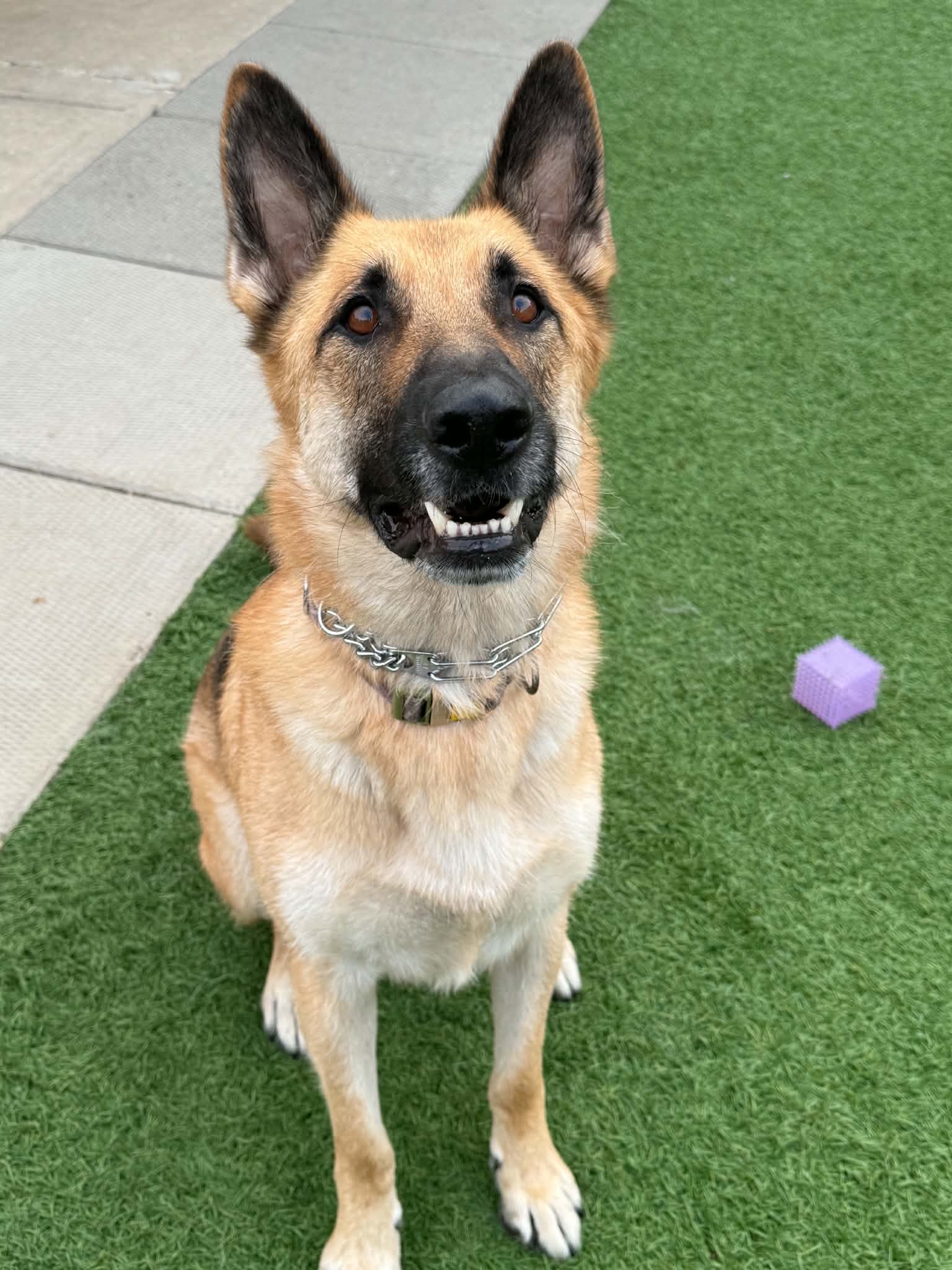
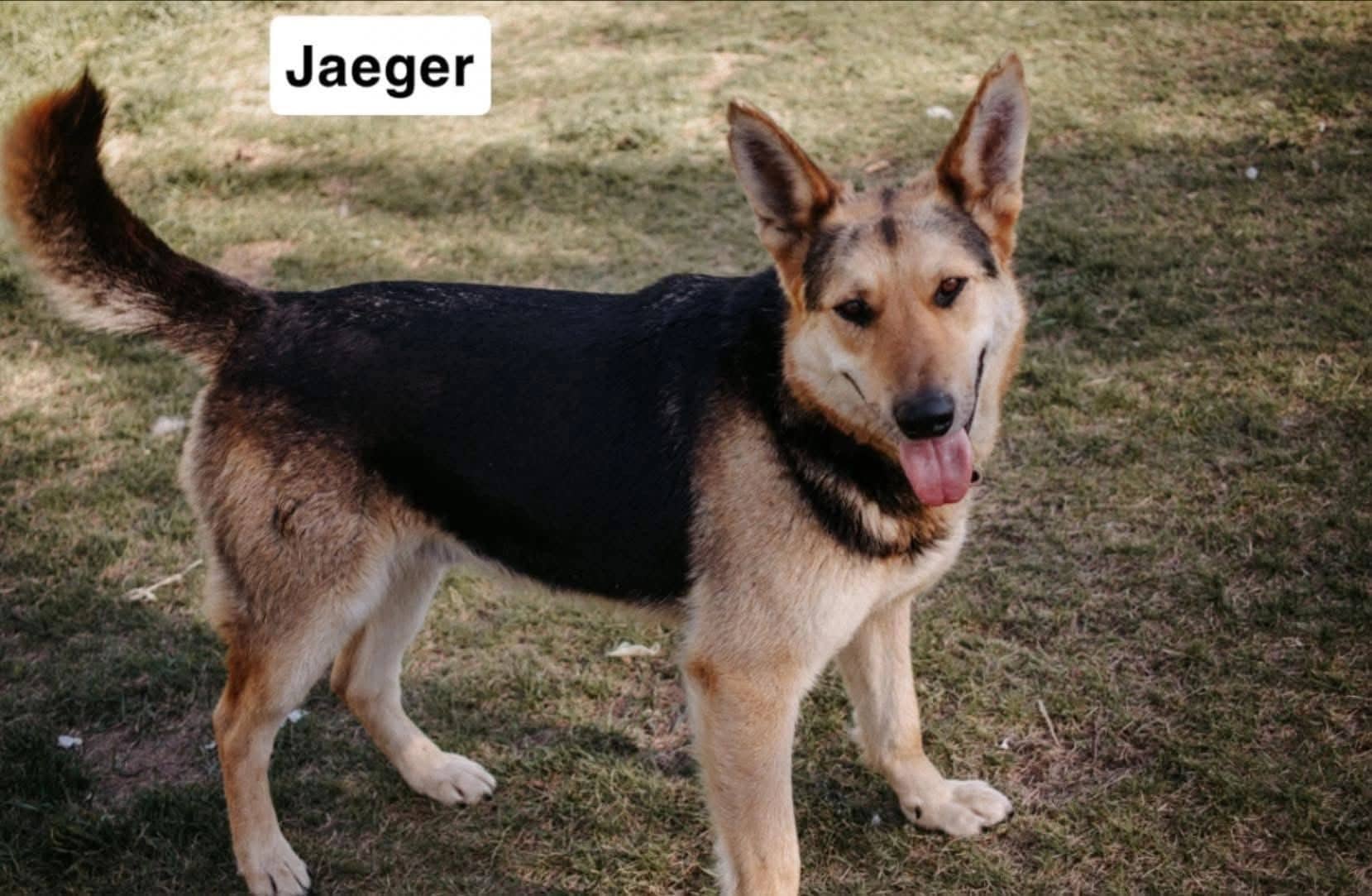
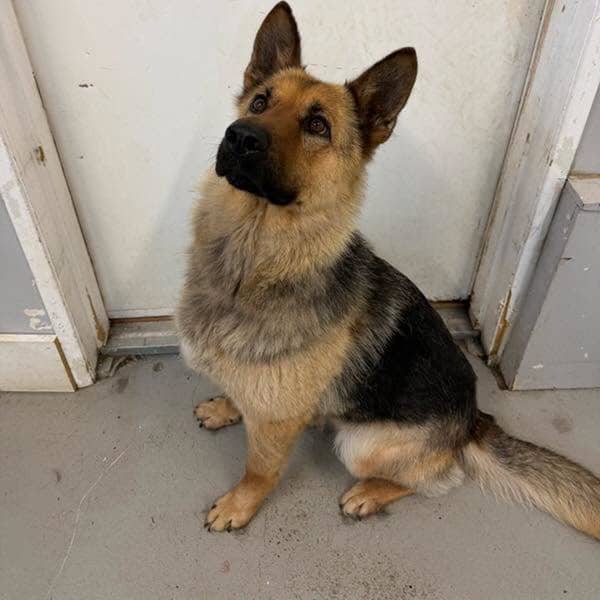
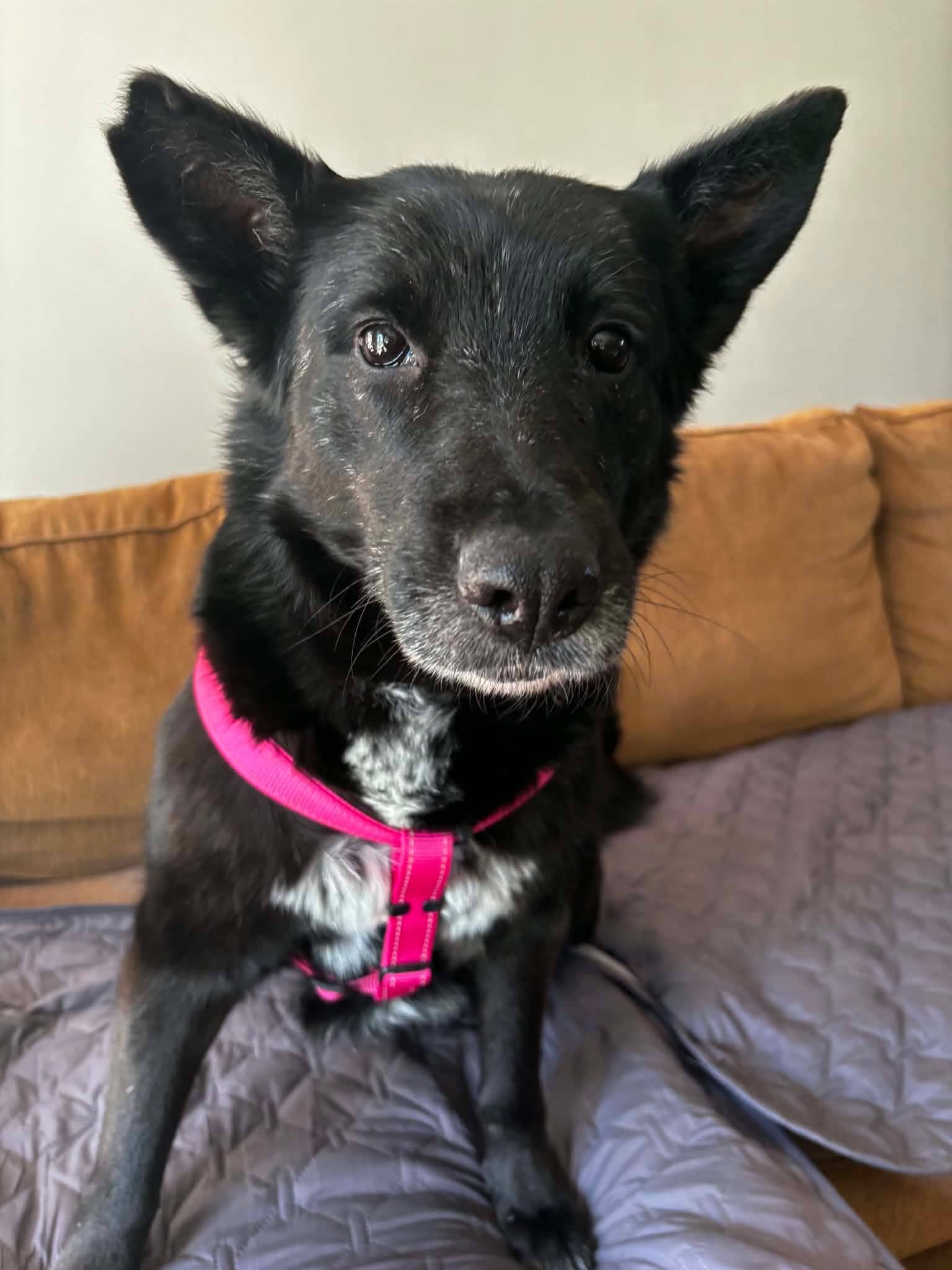
Get notified when a German Shepherd is listed
We will email you the moment a German Shepherd becomes available in Saskatchewan, from a rescue or an owner rehoming.
Might also be a match
These 4 dogs look like German Shepherd in Saskatchewan, but their shelter hasn’t listed a breed — so they are recorded simply as a mixed breed. We spotted the resemblance from their photo.
It's a guess from a picture, not a DNA test, so treat it as a starting point. Most rescue dogs are mixes, and the shelter is the best source on any individual dog.
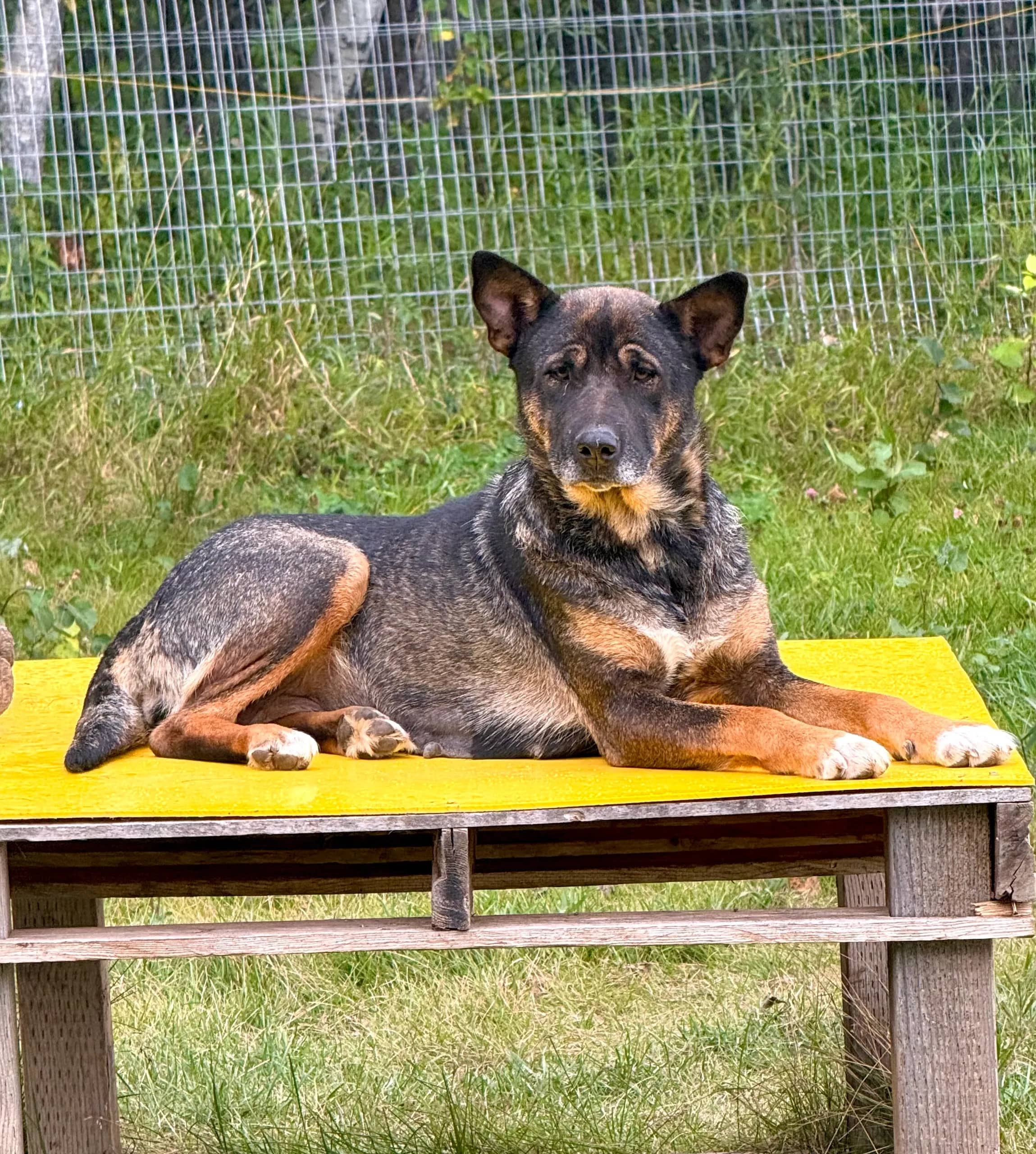
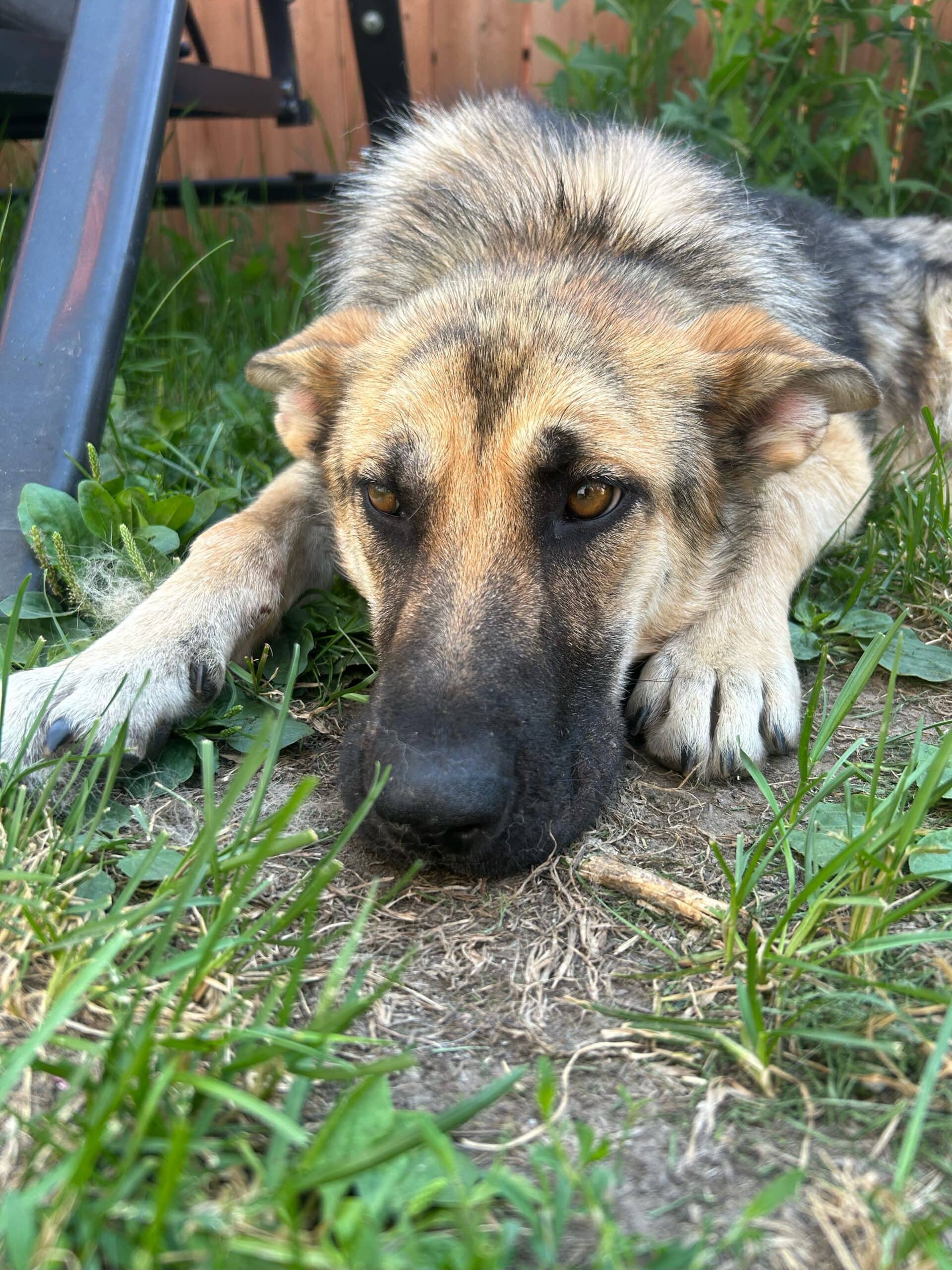
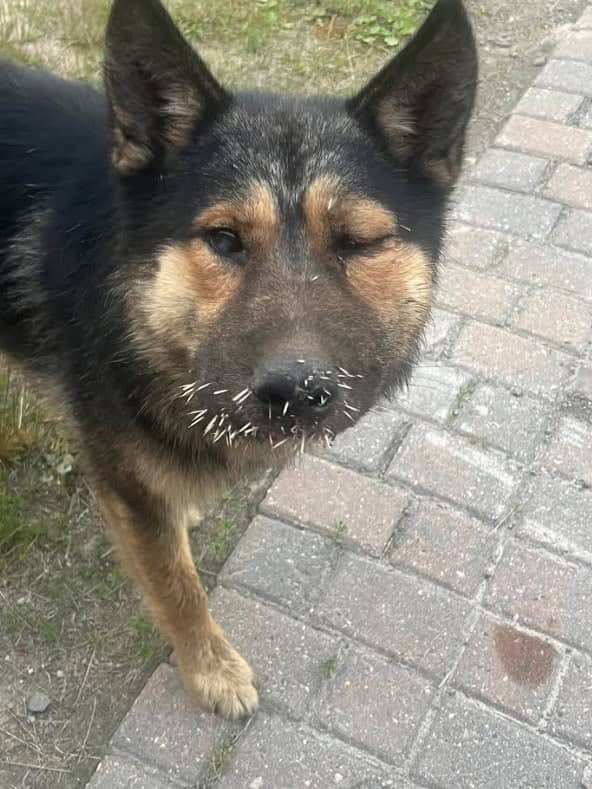
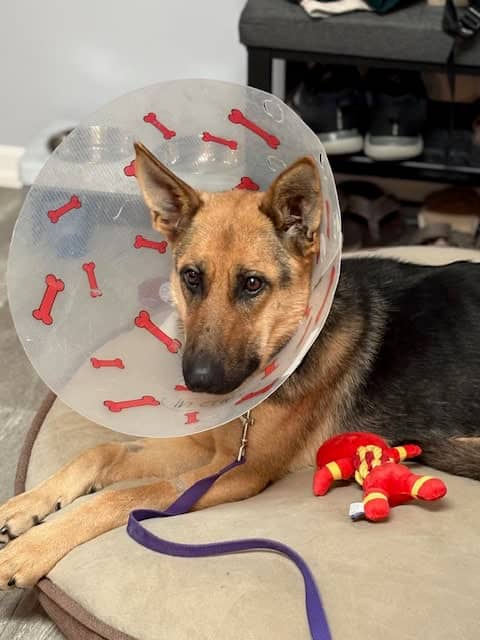
Adopting a German Shepherd in Saskatchewan
German Shepherds and Shepherd crosses are among the most common breeds in Saskatchewan rescue. They turn up at the Regina Humane Society, the Moose Jaw Humane Society, and consistently make up about a third of the litters at Saskatoon Dog Rescue. The breed is genuinely well-suited to SK — cold-tolerant, work-oriented, and adaptable to acreage living — but the dogs that end up in rescue are usually there because the original owner did not match the breed's energy and structure needs.
This page pulls every adoptable German Shepherd or Shepherd cross from the SK shelters we cover into one searchable place, refreshed regularly. Filter for energy, size, and compatibility, and apply same-day on a dog that fits.
Working line versus pet line — what you actually get in rescue
Most German Shepherds in Saskatchewan rescue are pet-line or mixed-line dogs, not working-line dogs from the police or protection sport world. The difference matters. A pet-line Shepherd is moderate energy, eager to learn, and trainable with reasonable effort. A working-line Shepherd needs a full-time job and tends to chew through any home that does not provide one.
Foster homes that have lived with the dog for weeks can tell you which one you are looking at. Ask: how does this dog handle an hour alone? Does it settle in the evening or pace? How does it react to a stranger at the door? The answers separate a stable family Shepherd from a high-drive working dog that needs an experienced handler.
Shedding, exercise, and the SK climate
German Shepherds shed continuously and blow their undercoat twice a year. Spring and fall coat blow in SK is intense — expect to vacuum daily for two weeks at each transition. A good slicker brush and a weekly bath through coat-blow season keeps the worst of it manageable.
Cold tolerance is excellent. SK winters are easy on this breed. The bigger concern is summer heat above 30°C, which the dense double coat does not handle well. Walk early morning or after dark in July and August, and never leave a Shepherd in a parked car even in spring or fall — the cabin gets to 50°C quickly in prairie sun.
Health concerns worth asking the foster about
German Shepherds are predisposed to hip and elbow dysplasia, degenerative myelopathy (a progressive spinal cord disease), bloat (gastric dilation-volvulus, an emergency requiring immediate vet care), and exocrine pancreatic insufficiency. A foster who has had the dog for several weeks should know if the dog is moving stiffly, struggling on stairs, eating with no weight gain, or showing any rear-end weakness. Ask directly. The rescue's vet check at intake should also flag major concerns.
What German Shepherds are actually like to live with
The traits that make Shepherds rescue-common also make them rewarding when matched well:
- Trainable to a high standard. A reasonably consistent owner can have a polite, well-mannered Shepherd within a year of adoption.
- Bonds intensely with the household, sometimes to a single person. Plan for separation anxiety if the dog has been bounced between homes.
- Reserved with strangers by default. This is the breed standard, not aggression — but a Shepherd that has been poorly socialised can be reactive.
- High exercise needs (60 to 90 minutes daily of real activity, not just a leashed walk around the block).
- Good with kids in the right home, especially when the dog has been raised around children — foster homes can confirm this.
What the fee usually covers
German Shepherd adoption fees at SK rescues sit in the standard range for large rescue dogs. The fee covers the medical work the rescue already paid for: spay or neuter, core vaccinations, microchip, deworming, and a vet check before placement. Confirm the exact fee on the dog's own listing.
Looking more broadly? Browse every adoptable dog across the province on Dog Adoption Saskatchewan.
The rescues that most often list German Shepherds across the province are Regina Humane Society, Saskatoon Dog Rescue, and Moose Jaw Humane Society. For breed-specific background, the Canadian Kennel Club is a useful reference.
German Shepherd Adoption FAQ — Saskatchewan
Tap a question to expand
How many German Shepherds are available for adoption in Saskatchewan?▼
Where can I find German Shepherd adoption near me in Saskatchewan?▼
Are SK rescue German Shepherds working line or pet line?▼
What does a German Shepherd adoption fee include in SK?▼
How much exercise does a German Shepherd need in Saskatchewan?▼
What is the difference between working-line and show-line German Shepherds?▼
Can I get a German Shepherd free to a good home in Saskatchewan?▼
Are these German Shepherds for sale in Saskatchewan?▼
Where can I buy a German Shepherd in Saskatchewan, and should I?▼
Are there free German Shepherds in Saskatchewan, or german shepherds under $500?▼
Are there German Shepherd puppies in Saskatchewan, or only adults?▼
Where can I find a German Shepherd near me in Saskatchewan?▼
Popular dog breeds in Saskatchewan
German Shepherd adoption by city in Saskatchewan
Each city page lists only the german shepherds available from rescues serving that city, with local adoption details.
Need to rehome a German Shepherd?
If you can no longer keep your German Shepherd, you can list them for free on LocalPetFinder. Your dog stays in your home until you find the right family, you screen who applies, and there is no surrender fee. Not sure yet? Our guide to surrendering a dog in Canada walks through every option first.
List your dog for free →