1 Goldador puppy available in Saskatchewan
Under a year old, listed by rescues and shelters. Updated as shelters publish.
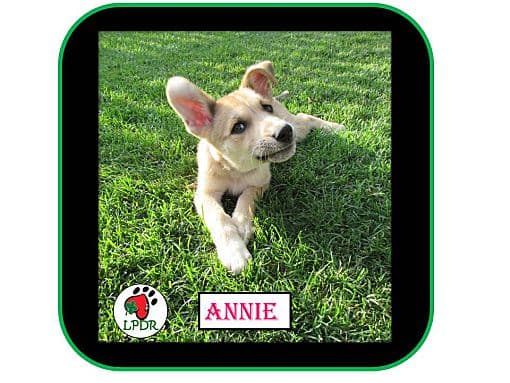
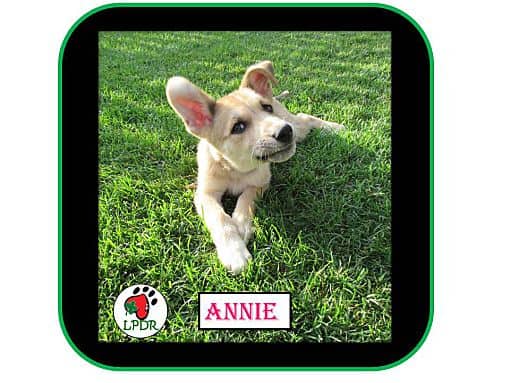
Get notified when a Goldador is listed
We will email you the moment a Goldador becomes available in Saskatchewan, from a rescue or an owner rehoming.
Adopting a Goldador in Saskatchewan
A Goldador is a Golden Retriever crossed with a Labrador, and it is one of the most adoptable family dogs you can hope to find. Because it is a cross rather than a registered breed, you find them by searching broadly: look for Goldadors, golden-lab mixes and retriever crosses, and search the whole province rather than just your city. Check Saskatoon, Regina, Prince Albert and Moose Jaw together, and set an alert so you hear when one comes up.
A two-hour prairie drive for the right dog is normal here. Friendly, easy retrievers like these get adopted quickly, so if a Goldador shows up at a foster home a couple of hours away, that trip is worth making. Most rescues will arrange a meet at the foster home, which is the right setting to see the dog with people and other pets.
Why Goldadors appear in Saskatchewan rescue
Retriever crosses are everywhere in the prairies, so golden-lab mixes are among the more common dogs you will find in SK rescue. Some come from accidental litters, some from families whose circumstances changed, and many of these dogs are surrendered through no fault of their own; they are simply good dogs that need a new home.
Saskatchewan rescue intake leans heavily on the northern Saskatchewan and reserve-community transfer pipeline, where spay and neuter access is limited and the Prince Albert SPCA handles a lot of northern intake before transferring dogs south. Plenty of that intake is retriever and shepherd-type crosses, so a golden-lab mix can come either from a local surrender or from a northern transfer. Either way, the friendly retriever temperament tends to come through.
Saskatchewan climate fit
Good news for prairie life: the Goldador is well suited to the Saskatchewan climate. Both parent breeds carry a dense, water-resistant double coat, so a golden-lab mix handles a minus 30 January night in Saskatoon or Regina far better than a thin-coated breed. They still should not live outdoors in deep cold, and you should check the paws for ice and salt after winter walks, but cold is not the limiting factor it is for many breeds.
Summers in the low-to-mid 30s are manageable. The heavier coat means a Goldador can overheat if pushed hard in the heat, so move vigorous exercise to early morning or after dark on the hottest days, give plenty of water, and watch a dark-coated dog more closely. These dogs love water, so a lake, river or kiddie pool is a great summer outlet.
Escape risk is low compared with high-prey-drive breeds. Goldadors are people-focused and not natural runners, but they are big and athletic, so a secure yard is still sensible on a rural acreage, and recall should be solid before any off-leash time near roads or livestock.
Health concerns to ask the foster about
Goldadors benefit from hybrid vigour but still inherit some of the common retriever issues, so raise these at the meet.
- Weight: both parent breeds are food-obsessed and prone to obesity. Ask what the dog weighs versus what the vet wants, and be honest about your own habit of sharing snacks.
- Hips and elbows: large retrievers are prone to hip and elbow dysplasia. Watch how the dog rises and moves.
- Ears: drop ears can trap moisture and get infected. Ask about the cleaning routine.
- Coat and shedding: expect heavy seasonal shedding and ask about the grooming needs.
- Energy match: ask how much exercise the foster gives, since a bored retriever will find its own entertainment.
What a Goldador is like to live with
This is the classic friendly family dog, and that is exactly why people seek the cross out. Goldadors are warm, biddable, social and easy to train, which makes them a forgiving choice for first-time owners and busy families alike.
- Higher energy: they need a good daily walk plus play and ideally some retrieving or swimming, but they are not a frantic working dog.
- Highly trainable and very food-motivated, so reward-based training is quick and fun (just watch the waistline).
- Excellent with children and usually great with other dogs and cats when socialised.
- Low-maintenance coat in terms of style, though it sheds heavily and needs regular brushing.
- Social and people-loving: they want to be part of the family and do best when included.
What the adoption fee covers
A Saskatchewan rescue adoption fee typically covers spay or neuter, core vaccinations, a microchip, deworming and a vet check. Confirm the exact fee and what it includes on the listing. With a Goldador it is worth asking the rescue about weight, energy level and how the dog does with kids and other pets, so you know exactly what you are bringing home.
How to search and filter
Search province-wide and cast a wide net, because Goldadors hide under several labels: Goldador, golden-lab mix and retriever cross. Set an alert and act quickly when one comes up, since friendly retrievers are among the fastest dogs to get adopted. Ask the rescue about energy and compatibility before you drive out so you confirm the fit.
Looking more broadly? Browse every adoptable dog across the province on Dog Adoption Saskatchewan.
The rescues that most often list Goldadors across the province are Saskatoon SPCA, Saskatoon Dog Rescue, and Regina Humane Society. For breed-specific background, the Canadian Kennel Club is a useful reference.
Goldador Adoption FAQ — Saskatchewan
Tap a question to expand
How many Goldadors are available for adoption in Saskatchewan?▼
Where can I find Goldador adoption near me in Saskatchewan?▼
Do Goldadors handle Saskatchewan winters well?▼
Are Goldadors good first-time and family dogs?▼
Why are Goldadors prone to weight gain?▼
Are Goldadors good with cats and other dogs?▼
Is LocalPetFinder a shelter or does it charge fees?▼
How much does it cost to adopt a Goldador in Saskatchewan?▼
Can I get a Goldador free to a good home in Saskatchewan?▼
Are these Goldadors for sale in Saskatchewan?▼
Where can I buy a Goldador in Saskatchewan, and should I?▼
Are there free Goldadors in Saskatchewan, or goldadors under $500?▼
Are there Goldador puppies in Saskatchewan, or only adults?▼
Where can I find a Goldador near me in Saskatchewan?▼
Popular dog breeds in Saskatchewan
Goldador adoption by city in Saskatchewan
Each city page lists only the goldadors available from rescues serving that city, with local adoption details.
Need to rehome a Goldador?
If you can no longer keep your Goldador, you can list them for free on LocalPetFinder. Your dog stays in your home until you find the right family, you screen who applies, and there is no surrender fee. Not sure yet? Our guide to surrendering a dog in Canada walks through every option first.
List your dog for free →